
Side Dishes
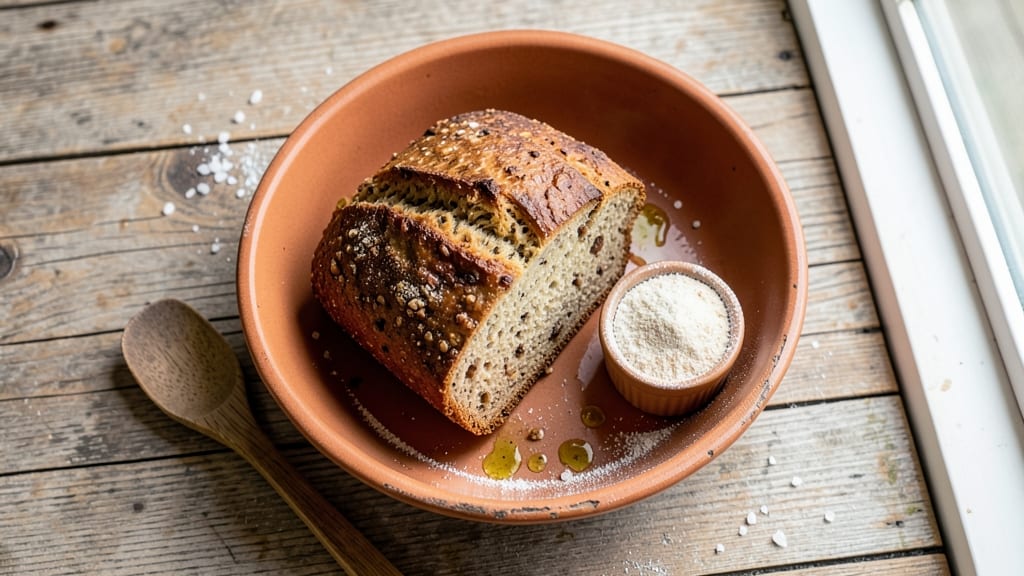
This 50/50 whole wheat bread recipe delivers the perfect balance of hearty whole grains and tender lightness—ideal for sandwiches, toast, or sides. The secret lies in blending 50% whole wheat flour with all-purpose flour for a crust that’s sturdy yet airy, with a subtle nutty flavor.
I’ve baked this recipe countless times, and it consistently yields a loaf that’s easy to slice, stays fresh for days, and toasts beautifully without burning.
The process is straightforward but requires patience—kneading develops gluten for that signature soft crumb, while proper proofing ensures a rise that’s neither dense nor overly light.
A lightly sweetened dough with a touch of honey or sugar enhances browning and texture, while a simple egg wash gives the crust that glossy finish. This isn’t your heavy, dense whole wheat loaf—it’s a bread that feels indulgent yet wholesome.
By the time you pull it from the oven, you’ll have a loaf with a golden, crackly crust and a crumb so tender it almost disappears on your tongue.
The whole wheat flavor is present but never overpowering, making it versatile enough for breakfast toast, hearty sandwiches, or even as a side to soups and stews. The best part? It’s foolproof for beginners but refined enough for home bakers who demand quality.
Store it wrapped at room temperature for up to 5 days or freeze for longer shelf life. For extra flavor, brush the warm loaf with melted butter or sprinkle with coarse sea salt before serving. Ready to bake bread that’s both nutritious and irresistible? Let’s get started.
Ingredients for 50 50 whole wheat bread
These 12 simple ingredients blend whole grains with lightness for perfect 50/50 bread.
| Ingredient | Amount | Notes |
|---|---|---|
| All-Purpose Flour 🌾 | 2 cups | White flour for lightness |
| Whole Wheat Flour 🌾 | 2 cups | Unbleached preferred |
| Active Dry Yeast 🍞 | 2 ¼ tsp | One packet, room temp |
| Granulated Sugar 🍚 | 2 tbsp | Lightly sweetens dough |
| Salt 🧂 | 1 ½ tsp | Diamond Crystal preferred |
| Large Eggs 🥚 | 1 whole | Room temperature |
| Unsalted Butter 🧈 | ½ cup | Melted, full-fat |
| Warm Water 💧 | 1 ¼ cups | 110°F for yeast activation |
| Honey 🍯 | 1 tbsp | Enhances browning |
| Cornmeal 🌽 | ¼ cup | For dusting loaf pan |
| Milk 🥛 | 1 tbsp | For egg wash |
| Coarse Sea Salt 🧂 | ½ tsp | For sprinkling crust |
The flours are the stars here—King Arthur whole wheat and Gold Medal all-purpose are my go-tos, but any unbleached whole wheat works. The yeast needs to be fresh, so check the date on the packet. Trader Joe's sells it in bulk if you bake often. For the butter, Land O'Lakes unsalted is my pick—full-fat for that rich flavor. The honey? Local raw honey adds subtle floral notes, but store-bought works too. If your kitchen runs warm, dissolve the yeast in the warm water first to test its activity—it should foam within 5 minutes.
No whole wheat flour? Substitute spelt flour at 1:1 ratio, but the texture will be denser. Out of honey? Maple syrup or agave works in a pinch—just reduce other liquids slightly to balance. The egg wash can be milk-only if you're skipping the egg, but the egg adds that golden sheen. For a richer dough, add 1 tbsp olive oil to the butter. The cornmeal is key for preventing sticking—don't skip it. And if your dough feels sticky, it's just right. Under-kneaded dough means a dense loaf, so don't rush this step.
This bread keeps beautifully wrapped at room temperature for 5 days, but it's best fresh. For longer storage, slice and freeze portions—3 months in a sealed bag. To revive, warm slices in a toaster or oven. The crust stays crisp for about 2 days if stored properly. Pro tip: Brush warm loaves with melted butter and sprinkle with coarse sea salt right out of the oven—game changer for flavor. Leftovers? Toast them up and freeze for quick breakfasts.
Why You'll Love This Recipe
- No-Knead Magic: I swear by this—just mix the whole wheat and all-purpose flours, a pinch of yeast, and warm water, then let it rise while I watch a show. The dough comes together smoother than my usual attempts, and honestly? No stand mixer required.
- Nutty Warmth: That 50/50 split gives it a satisfying heft without tasting like cardboard. The yeast and sugar work together to create a crust with just enough snap, while the whole wheat adds a subtle earthiness that pairs perfectly with butter or jam.
- Meal Prep MVP: I bake a loaf on Sundays, and it lasts me all week—great for toast, sandwiches, or even croutons. The whole wheat keeps it filling, and the all-purpose keeps it soft, so it never feels like a chore to pull out leftovers.
- Budget Bread Win: Five ingredients, zero frills, and it costs me pennies per slice. The yeast activates fast, the flours are pantry staples, and I’ve never wasted a batch—just adjust the rise time if my kitchen’s cold. Reliable, cheap, and always delicious.
Step-by-step instructions for 50 50 whole wheat bread
Here's how to balance hearty whole grains with light, airy texture—every step matters.
Activate the Yeast for Maximum Rise
In a small bowl, combine the 1.25 cups warm water (about 110°F), 2 tbsp granulated sugar, and 2.25 tsp active dry yeast. Stir gently and let sit for 5-10 minutes until frothy. You'll see tiny bubbles form on the surface—this confirms your yeast is alive and ready to work.
I always check the water temperature first with my finger. It should feel warm but not hot—like a bath on a cozy day. If it's too hot, you'll kill the yeast; if too cold, it won't activate properly. The sugar helps feed the yeast during this crucial first stage, setting up the bread's rise.
Mix the Dough Until Just Combined
In a large mixing bowl, whisk together the 2 cups all-purpose flour, 2 cups whole wheat flour, 1.5 tsp salt, and 1 tbsp honey. Make a well in the center and pour in the yeast mixture along with the 1 whole large egg and 0.5 cup melted unsalted butter. Mix with a wooden spoon until everything comes together.
Here's the thing—whole wheat flour absorbs more water than white flour, so don't be tempted to add extra liquid. The dough will be shaggy at first, but as you knead, it'll come together. If it's still too sticky after kneading, add 1 tablespoon of flour at a time until it's manageable but not dry.
Knead for 8-10 Minutes Until Smooth
Turn the dough onto a lightly floured surface and knead for 8-10 minutes until smooth and elastic. I like to use the "windowpane test" to check doneness—stretch a small piece of dough thin enough to see light through it without tearing. If it passes, your gluten is properly developed.
Whole wheat dough can be tougher to handle, so work patiently. If your hands get too hot, wet them slightly to prevent sticking. The goal is to create enough gluten to trap gas during rising, which gives that light, airy texture we're after. Don't skip this step—it makes all the difference in the final crumb.
Let the Dough Rise Until Doubled
Lightly oil a large bowl, place the dough inside, and cover with a damp towel. Let rise in a warm spot for 1-2 hours until doubled in size. You'll know it's ready when you poke it gently and the indentation stays put rather than springing back.
I usually place my oven light on underneath the bowl to create a warm, draft-free environment. The honey and sugar in the dough will help feed the yeast during this second rise, giving you that perfect balance of sweetness and heartiness. Don't rush this step—proper rising time ensures a light loaf rather than a dense one.
Shape and Proof Before Baking
Punch down the dough and shape it into a 9x5-inch loaf on a parchment-lined baking sheet. Brush the top with a mixture of 1 tbsp milk and 1 tbsp water, then sprinkle with 0.5 tsp coarse sea salt. Let proof for 30-45 minutes until slightly puffy.
For the best results, I like to make a shallow cut down the center before the final proof. This helps control the expansion during baking and gives that classic bread look. The salt on top creates a beautiful crust while adding just the right amount of flavor. Bake at 375°F for 30-35 minutes until golden brown and hollow-sounding when tapped on the bottom.
Pro Tips For Making 50 50 Whole Wheat Bread
- Mix the Flours First: Whole wheat flour absorbs moisture like a sponge, so toss both flours together before adding liquid—this prevents clumps and ensures even hydration. I learned this the hard way when my first batch turned into a dense brick because the whole wheat soaked up all the water too fast.
- Use Warm Water, Not Hot: The yeast hates extremes—warm water (105–110°F) activates it gently without killing it. Stick your finger in the water; if it feels like bathwater, it’s perfect. Too hot, and you’re left with flat, sad bread.
- Don’t Over-Knead the Dough: Whole wheat dough is tougher than all-purpose, so knead just until it’s smooth and springs back when poked (about 8–10 minutes by hand). Overwork it, and you’ll end up with chewy bread instead of light, airy loaves.
- Add a Little Oil: The whole wheat flour can dry out the dough, so mix in 1 tablespoon of neutral oil (like vegetable or canola) with the wet ingredients. It keeps the crumb tender without sacrificing texture—trust me, your sandwiches will thank you.
Regional styles of this recipe
Southern-Style Hearty Loaf
In the South, this 50/50 whole wheat bread gets a rich twist by adding 1 tbsp molasses to the dough and finishing with a sprinkle of crushed pecans on top.
The molasses deepens the flavor, while pecans add crunch and a touch of sweetness that pairs perfectly with classic Southern sides like collard greens or fried chicken.
I love baking this on a cast iron skillet for an extra crispy crust—just brush the skillet with butter before shaping the loaf. 🌾
Italian-Inspired Ciabatta Twist
For an Italian-inspired version, replace 1 tbsp of honey with 1 tbsp olive oil and add 1 tsp dried rosemary to the dough. Shape the bread into a round boules instead of a loaf, then bake at 400°F for 25-30 minutes.
Brush the warm bread with extra olive oil and sprinkle with flaky sea salt for a rustic ciabatta-style loaf. This version is perfect for dipping in balsamic vinegar or pairing with antipasto platters.
New England Farmhouse Bread
Up north, this bread often includes 1 tbsp cornmeal mixed into the dough for a subtle corny flavor, plus 1 tsp dried thyme for an earthy aroma. Shape it into a round loaf and bake in a Dutch oven at 375°F for 35-40 minutes.
The Dutch oven creates steam, giving you a crust that’s crispy on the outside and soft inside. This version is a staple at farm-to-table breakfasts, especially with local maple syrup and butter. ✨
Midwest Classic Dinner Roll
Transform this into soft, buttery dinner rolls by dividing the dough into 12 equal pieces and shaping them into balls. Place them in a greased 9x13-inch pan, cover with a towel, and let rise until puffy. Bake at 375°F for 20-25 minutes until golden.
Brush with melted butter and sprinkle with poppy seeds for a touch of elegance. These rolls are perfect for serving with holiday meals or as a side to soups and stews.
California Whole Grain Sourdough
For a West Coast twist, replace 1 cup of warm water with 1 cup sourdough starter (fed and active) and reduce the yeast to 1 tsp. Add 1 tbsp sesame seeds to the dough and shape into a 9x5-inch loaf.
Bake as directed, but brush the crust with a mix of 1 tbsp soy sauce and 1 tbsp honey after baking for a subtle umami kick. This version is a hit with avocado toast or as a side for sushi rolls. 🌟
Nutrition facts
Frequently asked questions
Why does my 50/50 whole wheat dough feel too sticky?
Whole wheat flour absorbs more moisture than all-purpose flour, so your dough might need just 1 extra tablespoon of flour during kneading. Work it gently—over-kneading makes gluten tough. If it's still too wet after adding flour, try chilling the dough for 20 minutes before shaping. This helps the gluten relax and makes handling easier.
Can I substitute whole wheat flour with spelt flour?
Yes, but expect a denser texture since spelt has a higher protein content. Use a 1:1 ratio and add 1 extra tablespoon of water to the dough. Spelt has a slightly sweet, nutty flavor that pairs well with this recipe. For best results, let the dough rise 10-15 minutes longer than usual to compensate for the denser crumb.
How do I know when my dough is fully kneaded?
Perform the "windowpane test": Stretch a small piece of dough until it's thin enough to see light through it without tearing. If it holds its shape like a windowpane, your gluten is properly developed. For whole wheat dough, aim for 8-10 minutes of kneading—it should feel smooth and slightly springy when pressed. If it cracks easily, knead 2-3 minutes longer.
What if my bread comes out dense instead of light?
Dense bread usually means underproofed dough or insufficient kneading. Next time, let the dough rise until it's 100% doubled in size (not just puffy). Also, check your yeast—if it didn't foam in 5-10 minutes when mixed with warm water, it's inactive. For a quick fix, try adding 1/2 tsp extra yeast to the dough if you suspect this was the issue.
Can I make this bread without an egg?
Replace the egg with 1 tablespoon of olive oil or 1 tablespoon of melted butter plus 1 tablespoon of warm water. The egg adds structure and shine, but this substitution keeps the bread tender. For extra richness, brush the crust with melted butter after baking. The texture will be slightly less crisp, but still delicious for sandwiches or toast.