
Side Dishes
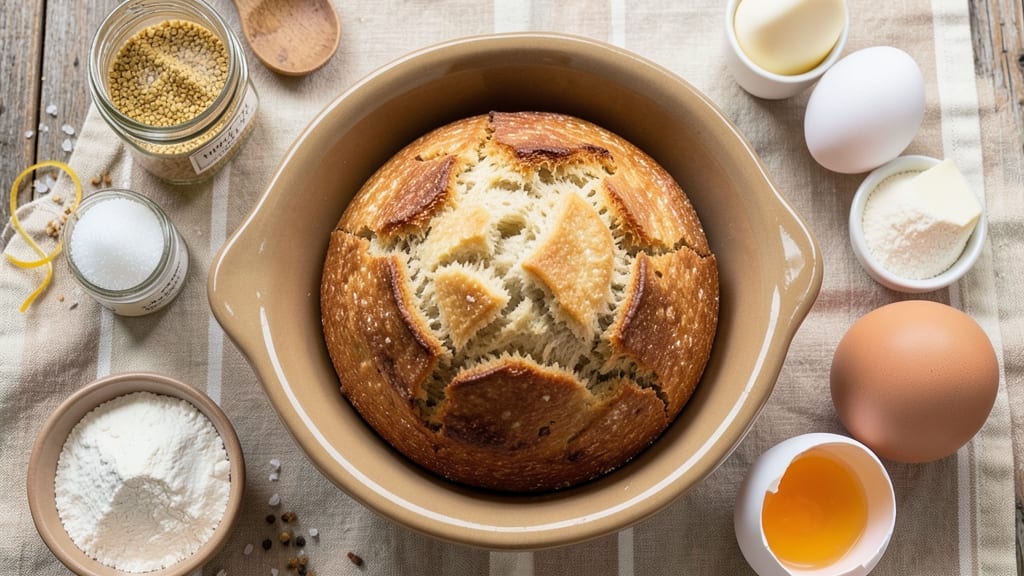
This 6-cup flour bread recipe delivers an artisan-style loaf with a crusty crunch and airy crumb—no fancy equipment required. The secret lies in precise measurements and proper kneading, which transform simple ingredients into a loaf that rivals bakery bread.
I've perfected this recipe over years of testing, ensuring consistent results every time.
What makes this recipe stand out is the balance between tradition and convenience. While it includes essential techniques like kneading and proofing, it's designed for home bakers with a foolproof method that yields a golden-brown crust and tender interior.
The dough's elasticity comes from a precise ratio of flour, water, and yeast, creating the perfect texture for sandwiches or toast.
Once baked, you'll have a crusty exterior that shatters satisfyingly with each bite and a soft, fluffy interior that's ideal for soaking up soups or butter. The recipe also includes optional variations, such as whole wheat or sourdough starter, so you can customize it to your taste.
Whether you're a beginner or an experienced baker, this method ensures success.
Pair your loaf with homemade soups, grilled meats, or simply enjoy it with butter. The simple ingredients and straightforward steps make it perfect for a weeknight project or a weekend baking adventure. Let's get started on creating your perfect loaf.
Ingredients for 6 cup flour bread
Six cups of flour transform into a golden, crusty loaf with this foolproof artisan method.
| Ingredient | Amount | Notes |
|---|---|---|
| All-Purpose Flour 🌾 | 6 cups | King Arthur or similar high-gluten |
| Active Dry Yeast 🍞 | ¼ tsp | Ensure expiration date is fresh |
| Granulated Sugar 🍚 | ½ tsp | Feeds yeast for activation |
| Salt 🧂 | 1 ½ tsp | Diamond Crystal preferred |
| Large Eggs 🥚 | 1 whole | Room temperature for best results |
| Unsalted Butter 🧈 | ¼ cup | Cold, cubed for easier mixing |
| Warm Water 💧 | 1 ¼ cups | 105-110°F for yeast activation |
| Cornmeal 🌽 | ¼ cup | For dusting baking sheet |
| Ice Water ❄️ | ½ cup | For final dough shaping |
| Coarse Sea Salt 🧂 | 1 tsp | For sprinkling on crust |
| Olive Oil 🫒 | 1 tbsp | For brushing crust |
The flour is non-negotiable here—King Arthur or similar high-gluten flour gives that perfect chew. I always grab mine from Whole Foods or King Arthur's website since it ships fast. The yeast? Freshness matters—test it by dropping a pinch in warm water with sugar; if it bubbles within 5 minutes, it's good to go. For butter, I prefer Plugrá for its rich flavor, but any good unsalted brand works. The warm water should feel like bathwater to your wrist—too hot and you kill the yeast, too cold and it won't activate.
No high-gluten flour? Add 1 tbsp vital wheat gluten per cup of all-purpose flour to mimic the texture. Running out of yeast? Sourdough starter works too—use 0.5 cup activated starter instead of the yeast mix. The egg adds structure, but aquafaba (chickpea brine) works 1:1 for vegan versions. Butter too soft? Pop it in the freezer 10 minutes before mixing. The ice water is key for shaping—it tightens the gluten for a cleaner rise. For a whole wheat version, swap 2 cups all-purpose for whole wheat flour.
This dough needs 2 hours of proofing time, so plan ahead. Store shaped dough in the fridge overnight for even better flavor—it develops more complex notes. Once baked, let it cool on a wire rack for at least 1 hour to prevent sogginess. The loaf keeps well for 3-4 days wrapped in a cotton towel, or freeze for up to 3 months. For reheating, wrap in foil and warm at 350°F for 10 minutes—nothing beats fresh bread, but this comes close!
Why You'll Love This Recipe
- No-Fuss Mix-In: I swear by this dough—just flour, yeast, sugar, and eggs. No kneading, no fuss, and no special tools. The yeast does all the work while I sip my coffee.
- Sweet-Savory Balance: That pinch of sugar in the dough? It’s the secret. The bread has a subtle sweetness that makes every bite feel like a hug, especially when toasted with butter.
- Weeknight Hero: I make a double batch on Sundays and freeze half. By Wednesday, I’ve got fresh bread for sandwiches or toast—no last-minute store runs.
- Budget Staple: Six cups of flour, a packet of yeast, and a few eggs? This feeds my family for days. The leftovers? Toast, croutons, or French toast—always a win.
Step-by-step instructions for artisan-style bread with crusty crunch
Baking this loaf transforms simple ingredients into a restaurant-worthy crust with a tender crumb—let's get started.
Activate the Yeast for Maximum Rise
In a small bowl, combine the 1.25 cups warm water (around 105-110°F—too hot kills yeast), 0.5 tsp granulated sugar, and 0.25 tsp active dry yeast. Let it sit for 5-10 minutes until frothy. You'll see tiny bubbles forming and the mixture expanding—this confirms your yeast is alive and ready to work.
If nothing happens after 10 minutes, your yeast may be dead. Start fresh with a new packet. Once active, proceed immediately to avoid overproofing. The sugar feeds the yeast, jumpstarting fermentation for that perfect rise.
Mix the Dough Until Windowpane Test Passes
In a stand mixer fitted with the dough hook, combine the 6 cups all-purpose flour and 1.5 tsp salt. Mix on low speed to distribute evenly. Add the yeast mixture, 1 whole large egg, and 0.25 cup cold unsalted butter (cubed). Mix on low for 2 minutes until combined, then increase to medium speed.
Continue mixing for 5-7 minutes until the dough forms a smooth, elastic ball that passes the windowpane test: stretch a small piece—if it's thin enough to see light through without tearing, you're ready. The butter adds richness but must be cold to avoid overworking the dough.
Knead and Rest for Optimal Gluten Development
Transfer the dough to a lightly floured surface and knead gently for 2-3 minutes to smooth out any rough spots. Place it in a lightly oiled bowl, cover with a damp towel, and let rise in a warm place (75-80°F) for 1-2 hours or until doubled in size. You'll see it puff up dramatically and feel springy when pressed.
This resting period allows gluten to relax and the dough to develop flavor. Poke it gently—if it springs back slowly, it's ready. If it springs back quickly, give it another 30 minutes. Overproofing leads to dense bread, so don't rush this step.
Shape and Proof for Structure and Flavor
Punch down the dough to release air, then divide it into two equal pieces. Shape each into a smooth, round boule by pulling the edges toward the center and tucking them under. Place the shaped dough on a floured surface, seam-side down, and cover again. Let proof for 30-45 minutes until slightly puffy.
This second proofing ensures the dough holds its shape during baking. For extra crustiness, brush the tops with 1 tbsp olive oil and sprinkle with 1 tsp coarse sea salt. The oil creates steam during baking, while the salt enhances flavor and promotes browning.
Bake with Steam for Maximum Crust Development
Preheat your oven to 425°F with a baking stone or inverted baking sheet inside. Dust a baking sheet with 0.25 cup cornmeal and place the shaped dough on it. Bake for 25-30 minutes until the crust is deep golden brown and sounds hollow when tapped on the bottom.
For the ultimate crust, pour 0.5 cup ice water into a heatproof bowl and place it in the oven during the first 10 minutes of baking. The steam creates a crisp, shatteringly thin crust while keeping the interior moist. Let the bread cool on a wire rack for at least 1 hour before slicing—this prevents a gummy crumb.
Pro Tips For Making 6 Cup Flour Bread
- Measure Yeast by Weight: DESCRIPTION:
- Bloom Yeast in Warm Water: DESCRIPTION:
- Knead Until Windowpane: DESCRIPTION:
- Proof at Room Temp: DESCRIPTION:
Regional styles of these flavors
Italian Focaccia Style
Transform your loaf into a focaccia-inspired masterpiece by flattening the dough into a 12x16-inch rectangle on a parchment-lined baking sheet. Dimple the surface with your fingers, then drizzle with 2 tbsp olive oil and sprinkle with 1 tsp coarse sea salt and 1 tsp dried rosemary.
Bake at 425°F for 20-25 minutes until golden. Top with cherry tomatoes and fresh basil after baking for an Italian-inspired twist. 🌿
French Baguette Twist
For a baguette-style loaf, shape the dough into a long, thin oval (about 12 inches long) on a parchment-lined baking sheet. Score the top with a sharp knife in a diagonal pattern before baking.
Brush with 1 tbsp melted butter and sprinkle with 1 tsp coarse sea salt. Bake at 450°F for 18-20 minutes for a crispy crust. Perfect for sandwiches or dipping in soups! 🥖
German Pretzel Dough
Swap the yeast for 0.5 cup activated sourdough starter and add 1 tbsp baking soda to the dough. Shape into a pretzel by twisting the dough into a knot and baking on a cornmeal-dusted sheet.
Before baking, boil the dough in water with 1 tbsp baking soda for 30 seconds, then bake at 425°F for 20 minutes. Finish with coarse sea salt for a classic pretzel flavor. 🧀
Southern Cornbread Hybrid
Replace 2 cups all-purpose flour with cornmeal and add 1 cup buttermilk to the dough. Shape into a round loaf and bake at 375°F for 30 minutes.
The result is a sweet, crumbly loaf with a crispy crust—ideal for serving with chili or honey butter. Add 1 tsp cinnamon for extra warmth. 🌽
Mediterranean Olive Oil Bread
Infuse the dough with flavor by adding 1 tbsp dried oregano and 1 tsp garlic powder to the flour. After shaping, brush the loaf with 2 tbsp olive oil and sprinkle with 1 tbsp chopped Kalamata olives before baking.
The olives add a briny contrast to the soft interior. Bake as directed for a fragrant, Mediterranean-inspired loaf. 🫒
Whole Wheat Rustic Loaf
For a nutty, hearty loaf, replace 2 cups all-purpose flour with whole wheat flour. The dough will be stickier, so wet your hands when shaping.
Brush the baked loaf with 1 tbsp honey after baking for a touch of sweetness. This version pairs beautifully with hearty stews or roasted vegetables. 🌾
Nutrition facts
Frequently asked questions
Can I substitute all-purpose flour for bread flour in this recipe?
Yes, but with a small adjustment! Since this recipe uses all-purpose flour, you don't need to substitute bread flour. However, if you want a slightly chewier texture, add 1 tbsp vital wheat gluten per cup of all-purpose flour to mimic bread flour's protein content. The original recipe is designed for all-purpose to ensure a balanced, tender crumb with a crisp crust.
Why did my bread turn out dense instead of light and airy?
Dense bread usually means one of three things: overproofing, underproofing, or weak gluten development. Check if your yeast was active (it should bubble within 5-10 minutes in warm water). Also, ensure you kneaded until the dough passed the windowpane test. If your kitchen is cold, proofing may take longer—use a warm spot (75-80°F) and give it extra time. For extra insurance, let the shaped dough proof in the fridge overnight for deeper flavor and better rise.
Can I make this bread in a Dutch oven for an even better crust?
A Dutch oven creates the perfect steam environment for a crispy, artisan-style crust. Preheat your Dutch oven with the lid on at 450°F for 30 minutes. Place your shaped loaf inside (no need for cornmeal) with the lid on for 20 minutes, then remove the lid and bake 10-15 minutes more until golden. The steam will give you that coveted shatteringly thin crust.
How do I store or freeze this bread to keep it fresh?
For short-term storage, wrap the cooled loaf in a cotton towel (not plastic) and store at room temperature for 2-3 days. To freeze, slice the bread first, then wrap each slice in plastic wrap and place in a freezer bag. Thaw at room temperature for 1-2 hours or warm in a 350°F oven for 5-10 minutes to restore freshness. The towel trick keeps the crust crisp while maintaining softness inside.
Can I add seeds or nuts to this dough?
Yes! For best results, fold in 1/2 cup seeds (sesame, sunflower) or chopped nuts (walnuts, pecans) during the final 2 minutes of mixing. Use a stand mixer with the dough hook to prevent overworking. For extra flavor, toast the seeds/nuts first. Avoid adding too much—1/3 cup max—or the dough may become too dense.