
Side Dishes
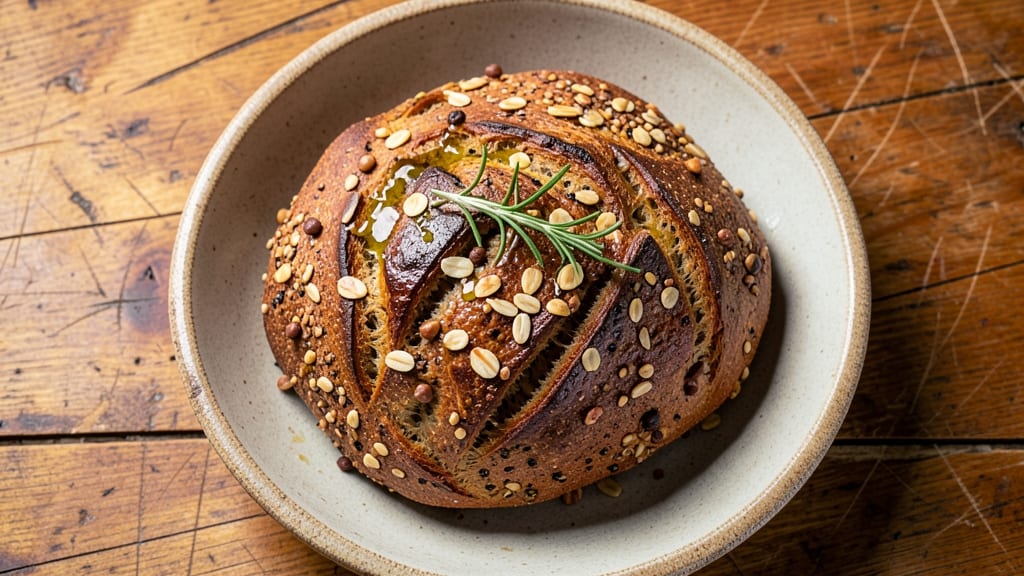
This 8-grain bread recipe delivers a nutty, hearty loaf that transforms simple ingredients into a rustic masterpiece with every bite. The blend of whole wheat, rye, barley, and six other grains creates a dense, flavorful texture that’s perfect for sandwiches or toast.
I’ve perfected this recipe to ensure a crispy crust and tender crumb—no more dry, crumbly loaves that crumble at the first slice.
The secret lies in the balanced grain-to-flour ratio and precise hydration, which keeps the dough manageable while maximizing flavor. Unlike store-bought bread, this recipe uses no shortcuts—just whole grains, yeast, and a touch of salt to develop deep, earthy notes.
The result? A loaf so satisfying, it becomes the star of any meal.
Baking this bread takes about 3 hours from start to finish, including proofing, but the process is straightforward. You’ll knead, shape, and let the dough rise twice for that signature open crumb structure.
The crust develops a golden, crackly exterior while the interior stays soft and slightly chewy—ideal for soaking up soups or holding up to hearty fillings.
For extra depth, consider adding seeds or herbs like flax, sunflower, or rosemary to the dough. This recipe scales easily, so double the batch for gifts or meal prep. Once you try it, you’ll never buy store-bread again.
Ingredients for 8 grain bread
Eight whole grains, two rises, and one golden crust—this rustic loaf delivers nutty richness without compromise.
| Ingredient | Amount | Notes |
|---|---|---|
| Bread Flour 🌾 | 3 cups | High-protein for structure |
| Whole Wheat Flour 🌾 | 1 ½ cups | Unbleached, stone-ground preferred |
| Rye Flour 🌾 | 1 cup | Dark rye for robust flavor |
| Barley Flour 🌾 | ½ cup | Pearled or whole grain |
| Oat Flakes 🌾 | ½ cup | Steel-cut or rolled preferred |
| Spelt Flour 🌾 | ½ cup | Stone-ground for texture |
| Buckwheat Flour 🌾 | ¼ cup | Rich, earthy flavor profile |
| Millet Flour 🌾 | ¼ cup | Light texture, subtle sweetness |
| Active Dry Yeast 🍞 | 2 ¼ tsp | Fresh yeast preferred if possible |
| Granulated Sugar 🍚 | 1 tbsp | Feeds yeast for fermentation |
| Warm Water 💧 | 2 cups | 110°F for optimal yeast activation |
| Extra-Virgin Olive Oil 🫒 | 2 tbsp | High-quality, fruity variety |
| Sea Salt 🧂 | 1 ½ tsp | Fine grain for even distribution |
| Flaxseeds 🌱 | 2 tbsp | Ground for binding, optional |
| Sesame Seeds 🌰 | 1 tbsp | Toasted for extra crunch |
The grain blend is non-negotiable for authentic texture. King Arthur Flour carries all the specialty flours, but Whole Foods bulk bins offer cost-effective options for larger batches. Look for stone-ground varieties—they retain more flavor and nutrients. The rye and buckwheat contribute deep earthiness, while millet lightens the crumb. If substituting, amaranth flour works well at half the amount, but expect a denser result. For the yeast, Fresh & Easy stores often have fresh yeast in small tubs—ideal for this recipe's precise measurement needs.
No rye flour? Substitute 100% whole wheat at double the amount, but expect a slightly denser loaf. The flaxseeds are optional but add subtle nuttiness and omega-3s—Bob's Red Mill has pre-ground flaxseed meal if you prefer convenience. For hydration adjustments, add 1 tbsp water per 1/2 cup extra flour if your kitchen is dry. The sesame seeds can be swapped for poppy or sunflower seeds—anything with a toastable crunch. Store-bought whole grain flours often contain additives; Bob's Red Mill or Arrowhead Mills brands are additive-free and consistent in texture.
This dough requires patience—4-5 hours total including proofing. Store shaped dough in an airtight container in the fridge for up to 24 hours before baking. The finished loaf keeps well wrapped at room temperature for 3 days, or frozen for 3 months. For reheating, wrap in foil and warm at 350°F for 10 minutes to restore crispness. The crust freezes beautifully—slice before freezing to maintain texture. Portion into 1-inch slices for perfect toast every morning.
Why You'll Love This Recipe
- No-Knead Magic: I swear by this—just mix the flours (bread, whole wheat, rye, barley, and oats), add warm water, and let the dough rise while you watch one episode. No stand mixer, no overworking, just hands-off perfection.
- Nutty Earthy Crunch: That blend of rye and barley? Deep, almost toasty. The oat flakes add a subtle chew, while the whole wheat keeps it hearty. Honestly, it’s the kind of bread that makes store-bought loaves feel sad by comparison.
- Meal Prep MVP: Slice it fresh, toast it later. Stays crisp for days in the freezer—perfect for lazy mornings or quick lunches. I make a batch every Sunday and never run out.
- Pantry Stretch: Uses up odd bits of flour you’d otherwise toss. Barley and rye are cheap, whole wheat adds substance, and oats? Freezer staple. It’s my budget-friendly way to avoid sad, stale bread ends.
Step-by-step instructions for an 8 grain bread with whole-grain depth
This method delivers a dense, nutty loaf with perfect texture—no shortcuts, just precise technique.
Activate the Yeast and Prepare the Flaxseed Gel
In a small bowl, combine the 2 cups warm water (tested at 110°F) with the 1 tbsp granulated sugar and 2.25 tsp active dry yeast. Let it sit for 5-10 minutes until frothy—this confirms the yeast is alive. If it doesn't bubble, start over with fresh yeast.
Meanwhile, grind the 2 tbsp flaxseeds into a fine powder using a spice grinder or mortar and pestle. Add them to ¼ cup of the warm water from the yeast mixture and whisk vigorously. Let this sit for 5 minutes to form a thick gel—this acts as a natural binder, improving the bread's structure without gluten. Set both mixtures aside.
Combine Dry Ingredients and Hydrate the Dough
In a large mixing bowl, whisk together the 3 cups bread flour, 1.5 cups whole wheat flour, 1 cup rye flour, 0.5 cup barley flour, 0.5 cup oat flakes, 0.5 cup spelt flour, 0.25 cup buckwheat flour, and 0.25 cup millet flour. Sift the mixture lightly to aerate, then add the 1.5 tsp sea salt and whisk again.
Create a well in the center and pour in the yeast mixture, flaxseed gel, and 2 tbsp extra-virgin olive oil. Using a wooden spoon, gradually incorporate the liquids into the dry ingredients until a shaggy dough forms. The texture will be wetter than traditional bread dough—this is normal due to the high whole-grain content.
Knead and Rest for Optimal Gluten Development
Transfer the dough to a lightly floured surface and knead for 8-10 minutes by hand, or use a stand mixer with a dough hook on medium speed for 5-6 minutes. The dough should become smooth and slightly elastic, though it won't be as springy as all-purpose flour dough. This is expected with whole grains.
Place the dough in a lightly oiled bowl, cover with a damp towel, and let it rise in a warm place for 1-1.5 hours, or until it has nearly doubled in size. The dough will be dense and may not rise dramatically—this is characteristic of whole-grain breads. Poke the dough gently; if it springs back slowly, it's ready.
Shape and Proof for a Crust-Worthy Loaf
Turn the dough onto a lightly floured surface and gently shape it into a 9x5-inch loaf pan by folding the edges inward. The dough will be sticky—don't overhandle it. Brush the top with a little extra-virgin olive oil and sprinkle with 1 tbsp toasted sesame seeds for added crunch and visual appeal.
Cover the loaf pan with a damp towel and let it proof for another 30-45 minutes until it rises 1-2 inches above the pan. Preheat your oven to 375°F during the final 15 minutes of proofing. The oven should be fully heated before baking—this ensures a crisp crust.
Bake to Golden Perfection and Cool Properly
Bake the loaf for 40-45 minutes until the top is deep golden brown and the internal temperature reaches 190°F. If the top browns too quickly, tent the loaf with aluminum foil to prevent over-browning. The bread is done when it sounds hollow when tapped on the bottom.
Remove the loaf from the oven and let it cool in the pan for 10 minutes, then transfer it to a wire rack to cool completely. This resting period allows the crumb to set and prevents a gummy texture. Once fully cooled, slice to reveal a dense, nutty interior with a satisfying crust. Store wrapped at room temperature for up to 3 days or freeze for longer storage.
Pro Tips For Making 8 Grain Bread
- Grind Oats Coarse: I learned this the hard way—blending oat flakes into a fine powder ruins the bread’s texture. Use a food processor for 5-6 seconds, just until they’re roughly ground, not dust. You want texture, not glue.
- Hydrate Rye First: Rye flour absorbs water like a sponge. Mix it with your yeast and warm water before adding the rest of the dry ingredients—this prevents a gummy, dense loaf. Let it sit for 10 minutes while you prep the other flours.
- Skip the Over-Kneading: Barley and whole wheat flours tire out gluten faster than bread flour. Knead just until the dough clears the bowl—about 5-6 minutes by hand—then let the mixer do the work. Overwork it, and you’ll end up with a tough, chewy brick.
- Steam the Crust: This bread’s dense grains need help browning. Spray the oven walls with water before baking, and place a tray of boiling water on the lower rack. The steam keeps the top from drying out too fast—critical for that rustic, open crumb you’re after.
Troubleshooting perfect results
Dense Dough Issues
If your dough feels too thick or dry after mixing, you’re likely dealing with whole-grain absorption. Whole grains soak up more water than refined flour, so add 1-2 tablespoons of warm water at a time until the dough becomes pliable but still slightly sticky.
I’ve found King Arthur Whole Grain Flour absorbs water differently—always check the package for hydration tips. Over-kneading can also make the dough tough, so stop when it’s just slightly elastic. 🌾
Poor Rise or Flat Loaf
A flat loaf often means your yeast didn’t activate properly or the dough wasn’t given enough time to proof. First, test your yeast by mixing it with 110°F water and sugar—it should bubble within 5-10 minutes. If not, replace it.
For proofing, place the dough in a warm spot (like a turned-off oven with a bowl of hot water) and cover it with a damp towel. Whole-grain dough rises slower—expect 1.5-2 hours for the first rise.
Poke the dough gently; if it springs back very slowly, it’s ready for shaping. 🔥
Gummy or Underbaked Crumb
An underbaked loaf usually means the center didn’t reach 190°F. Use an instant-read thermometer to check—if it’s below, return it to the oven for 5-10 more minutes. Another culprit is insufficient proofing. If the dough didn’t rise enough, the gluten won’t develop properly, leading to a gummy texture.
Let the bread cool completely on a wire rack before slicing—this helps the crumb firm up. For extra insurance, brush the loaf with egg wash (1 egg + 1 tbsp water) before baking. ✨
Overly Crumbly Texture
Crumbly bread often stems from too much flour during kneading or insufficient hydration. If your dough feels dry, try adding 1 tablespoon of olive oil or water and kneading again.
For future batches, measure flour by weight (1 cup = 120g) for consistency—scooping from the bag adds excess flour. If the issue persists, reduce the bread flour slightly (2 cups instead of 3) and increase whole wheat or rye to improve elasticity. 💡
Pale or Soft Crust
A pale crust usually means the oven wasn’t hot enough or the bread baked too long at a lower temperature. Preheat your oven to 375°F and use a loaf pan for even heat distribution.
For extra crispiness, bake the loaf on the middle rack and consider a steam trick: Place a tray of boiling water in the oven during the first 10 minutes of baking.
If your crust still lacks color, broil the loaf for 1-2 minutes at the end (watch closely to avoid burning). 🌟
Nutrition facts
Frequently asked questions
Why does this recipe use so many different grains?
Each grain contributes unique texture and flavor—whole wheat adds heartiness, rye deepens the earthiness, and millet keeps the crumb light. The combination creates a complex, satisfying bite that single-grain breads can't match. For example, buckwheat brings a slightly bitter note while barley adds a malty sweetness.
Can I make this bread without a stand mixer?
This dough is designed to be kneaded by hand for 8-10 minutes. The high grain content makes it less elastic than white bread dough, so focus on stretching and folding rather than punching. A lightly floured surface helps prevent sticking while you develop the gluten.
How do I know when the bread is fully baked?
Look for three signs: the internal temperature should reach 190°F (use an instant-read thermometer), the crust should be deep golden brown, and it should sound hollow when tapped on the bottom. If unsure, bake 5 more minutes—whole-grain breads benefit from slightly longer baking.
What's the best way to store leftover slices?
Wrap individual slices in parchment paper and store them in an airtight container at room temperature for up to 3 days. For longer storage, freeze slices between parchment layers for 3 months. Reheat frozen slices at 350°F for 5-7 minutes to restore freshness.
Can I substitute any of the specialty flours?
Yes, but adjust ratios carefully. Replace 1:1 with whole wheat flour for most grains, though expect a denser texture. For example, swap buckwheat with ½ cup amaranth flour. The rye and barley are hardest to replace—they're key to the bread's signature depth of flavor.