
Side Dishes
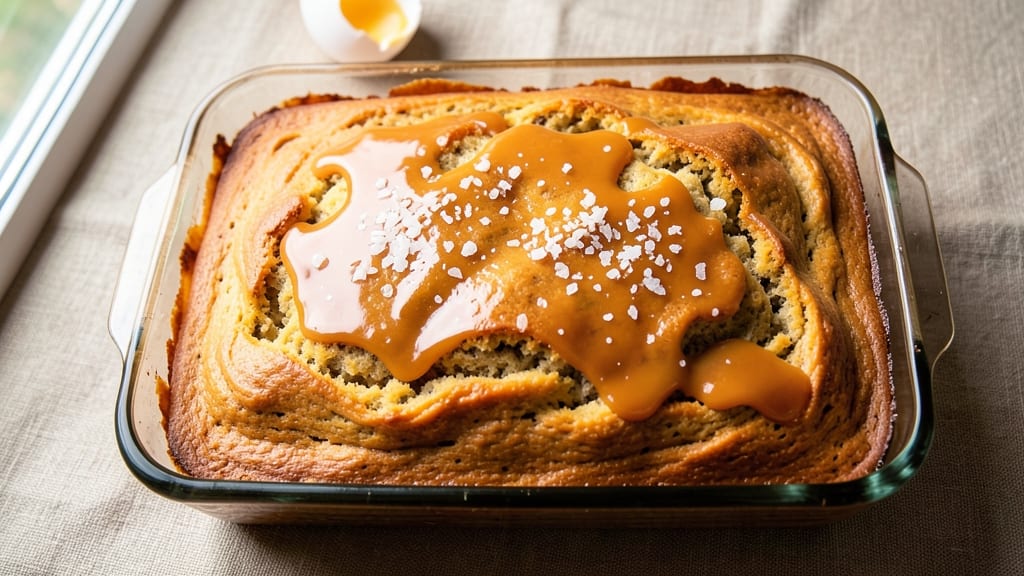
This 9x5 pumpkin bread recipe delivers the perfect balance of moist crumb and warm spice in every slice—no dry, dense texture here. The secret lies in a combination of canned pumpkin puree and brown sugar that keeps the bread tender while enhancing its natural sweetness.
I've baked this loaf countless times, and it never fails to disappear within hours.
What makes this recipe stand out is its simplicity: just 10 ingredients and one 9x5-inch loaf pan required. The bread bakes up with a golden, crackly top and a soft, velvety crumb that's perfect for breakfast or dessert. The spices—cinnamon, nutmeg, and ginger—infuse the entire loaf with cozy, autumnal warmth.
By the time it emerges from the oven, you'll have a loaf that's moist enough to stay fresh for days, with a subtle pumpkin flavor that's neither too sweet nor too earthy.
The aroma alone will have everyone asking for seconds. Serve it warm with a pat of butter or save slices for toast the next morning.
This recipe also doubles as a gift-worthy treat—wrap it in cellophane with a ribbon for a thoughtful homemade present. The best part? Leftovers reheat beautifully, making it an ideal make-ahead option for holidays or gatherings. Let's get baking.
Ingredients for 9x5 pumpkin bread
Ten simple ingredients transform into a loaf of velvety pumpkin bread with golden crackly top.
| Ingredient | Amount | Notes |
|---|---|---|
| Canned Pumpkin Puree 🎃 | 1 ½ cups | Unsweetened, 100% pure pumpkin |
| All-Purpose Flour 🌾 | 2 cups | Sifted for even texture |
| Brown Sugar 🍯 | 1 cup | Packed firmly for sweetness |
| Granulated Sugar 🍚 | ½ cup | White sugar for balance |
| Unsalted Butter 🧈 | ½ cup | Softened to room temperature |
| Large Eggs 🥚 | 2 whole | Room temperature for mixing |
| Vanilla Extract 🌸 | 1 tbsp | Pure vanilla for depth |
| Ground Cinnamon 🌿 | 2 tsp | Freshly ground preferred |
| Ground Nutmeg 🌿 | ½ tsp | Freshly grated nutmeg |
| Ground Ginger 🌿 | 1 tsp | Freshly ground for warmth |
| Baking Soda 🧪 | 1 tsp | For lift and texture |
| Salt 🧂 | ½ tsp | Kosher salt for balance |
The pumpkin puree is non-negotiable here—Libby's 100% Pure Pumpkin is my go-to, but any unsweetened canned variety works. Look for brands with no added sugar or spices. The brown sugar is key for that caramelized depth, so pack it firmly into the measuring cup. For the spices, Penzeys Spices has the freshest ground cinnamon and nutmeg, but the grocery store stuff is fine if it's labeled 'ground'—pre-ground spices lose potency fast. The butter should be softened to room temperature for even mixing, but not melted. Trust me on this—it makes all the difference in the crumb.
No vanilla extract? Vanilla bean paste works beautifully—just use half the amount. Short on nutmeg? Mace or allspice at half the quantity gives a similar warmth. The baking soda is essential for that perfect rise, but if you've got baking powder, use 1.5 teaspoons instead. For a deeper pumpkin flavor, add 1 teaspoon of pumpkin pie spice (just blend cinnamon, nutmeg, ginger, and cloves). The eggs can be separated if you want a lighter texture, but whole eggs give that classic dense, moist pumpkin bread vibe. And if you're feeling fancy, swap the granulated sugar for turbinado sugar—it adds subtle crunch to the top.
This loaf stays moist for 4-5 days at room temperature, wrapped in foil. For longer storage, freeze slices wrapped in plastic for up to 3 months. The best part? It reheats perfectly—wrap a slice in foil and microwave for 15-20 seconds. I always bake two loaves—one to enjoy fresh, one to freeze for lazy mornings. And if you're making this as a gift, bake it in a disposable foil pan for easy transport. The aroma alone will have everyone asking for the recipe.
Why You'll Love This Recipe
- No Pantry Haul Needed: I’ll be real—this recipe only needs five things from your cupboard. No specialty ingredients, no last-minute grocery runs. Just pumpkin, flour, sugar, butter, and a loaf pan. Honestly, it’s the kind of recipe that makes me feel like I’m winning at baking.
- Spiced Sweetness in Every Bite: That combo of brown and granulated sugar? It’s what turns this into something special. The butter keeps it moist while the warm cinnamon (if you add it) makes every slice taste like autumn in a loaf. Between us, I’ve had people ask for seconds before the plate even hits the table.
- Weeknight Hero: Slice it fresh for breakfast, pack it for lunch, or keep it on the counter for snacking—this bread does it all. My kids grab it straight from the pan (yes, even on a Tuesday night), and it’s still good three days later. No weird texture changes, no sad leftovers.
- Budget-Friendly Comfort: A single can of pumpkin and a stick of butter stretch this recipe into multiple servings without breaking the bank. I’ve made two loaves for under $5, and they disappear faster than I can say “second helping.” Plus, it’s one of those rare treats that feels indulgent but won’t ruin your grocery budget.
Step-by-step instructions for perfect 9x5 pumpkin bread
Here's how to bake a tender, spice-kissed loaf with a moist crumb that stays fresh for days.
Cream Butter and Sugars Together
In a large mixing bowl, combine the 0.5 cup unsalted butter (softened to room temperature) with the 1 cup brown sugar and 0.5 cup granulated sugar. Using an electric mixer on medium speed, beat for 3-4 minutes until the mixture is light and fluffy, with ribbons forming when the beaters are lifted.
This step is crucial for aerating the batter—those incorporated air bubbles create the bread's signature tender crumb. I press the butter between my fingers to check for softness; it should leave a slight indentation but hold its shape. If it's too firm, let it sit at room temperature for another 10 minutes before proceeding.
Add Pumpkin and Eggs Gradually
Reduce the mixer speed to low and add the 1.5 cups canned pumpkin puree in a slow stream, mixing just until combined. This prevents lumps from forming in the pumpkin's natural starches. Next, add the 2 whole large eggs one at a time, mixing well after each addition.
After adding the eggs, stir in the 1 tbsp vanilla extract and mix for another 30 seconds. The batter should be smooth with a slightly thick, pudding-like consistency. If it looks too thin, don't worry—the dry ingredients will thicken it up. Here's the thing—adding the pumpkin and eggs gradually prevents the butter from separating and ensures a uniform texture throughout.
Combine Dry Ingredients for Maximum Rise
In a separate bowl, whisk together the 2 cups all-purpose flour, 1 tsp baking soda, 0.5 tsp salt, 2 tsp ground cinnamon, 0.5 tsp ground nutmeg, and 1 tsp ground ginger. Sift the flour first for an even texture, then add the remaining dry ingredients.
With the mixer on low speed, gradually add the dry ingredients to the wet mixture, mixing just until combined. I use a spatula to fold in any stubborn bits from the bowl's edges—this ensures no dry pockets remain. Overmixing develops gluten, which can make the bread dense. Stop mixing as soon as the flour disappears completely.
Bake in a Prepared Pan
Preheat your oven to 350°F and grease a 9x5-inch loaf pan thoroughly with butter or nonstick spray. Pour the batter into the prepared pan and smooth the top with a spatula. Tap the pan gently on the counter a few times to release any air bubbles that may have formed during mixing.
Bake for 50-60 minutes, or until a toothpick inserted in the center comes out clean. The bread is perfectly done when the top springs back when touched lightly and the edges pull away from the pan. I like to tent the pan with foil after 30 minutes if the top is browning too quickly—this helps the bread rise evenly without burning.
Cool and Slice for Maximum Moisture
Remove the bread from the oven and let it cool in the pan for 10 minutes. Then transfer it to a wire rack to cool completely. This cooling period is where the magic happens—the bread continues to set and develop its moist texture. I know it's tempting to slice immediately, but resisting this urge prevents a gummy texture.
Once completely cool, slice with a serrated knife for clean cuts. The interior should be tender with a fine, even crumb and no dense pockets. If stored properly in an airtight container at room temperature, this bread stays moist for 3-4 days—or you can freeze slices for up to 3 months. The spices will infuse the air with their warm aroma as it bakes, making your kitchen smell like autumn.
Pro Tips For Making 9x5 Pumpkin Bread
- MEASURE THE PUMPKIN FIRST: That canned pumpkin’s consistency changes brands—some are thick like pudding, others runny like soup. Scoop it straight from the can into a measuring cup, then level it off with a knife. No eyeballing. I learned this the hard way when my bread turned dense because I overestimated the volume.
- CREAM THE BUTTER COLD: Take the butter straight from the fridge—yes, even if the recipe says "softened." Mix it with the sugars first, then add the pumpkin. Cold butter creates tiny pockets of air that make the crumb lighter, not greasy. I was skeptical until I tried it, and now I never skip it.
- DON’T OVERMIX THE BATTER: Stir just until the flour disappears—maybe 10-12 strokes max. Overmixing develops the gluten, and your bread will turn out tough instead of tender. I used to beat it like I was kneading dough, and the result was a brick, not a loaf.
- USE A THERMOMETER FOR DONENESS: The toothpick test is unreliable—pumpkin bread can look dry on the outside but still be undercooked inside. Pull it at 205°F (96°C). If it’s not there, tent it with foil and bake another 5-10 minutes. I’ve ruined batches by pulling them too soon, and this guarantees a moist, fully baked loaf.
Troubleshooting this dish
Dense or Gummy Texture
If your pumpkin bread turns out dense or gummy, it’s usually from overmixing the batter or not cooling it properly. I’ve found that stopping mixing as soon as the flour disappears prevents gluten development, which keeps the crumb tender.
Also, never skip the cooling step—let the bread cool completely in the pan for 10 minutes before transferring to a rack. This allows the internal structure to set properly. 💡
Cracked or Sunken Top
A cracked or sunken top often happens when the oven isn’t hot enough or the bread rises too quickly. Preheat your oven to 350°F for at least 15 minutes before baking to ensure even heat.
If the top browns too fast, tent the pan with foil after 30 minutes to slow the browning while allowing the bread to rise evenly. Avoid opening the oven door during the first 30 minutes of baking, as temperature fluctuations can cause uneven rising.
Dry or Crumbly Bread
Dry or crumbly pumpkin bread usually means the butter was too cold or the baking time was too long. Always use room-temperature butter—it should be soft but not melted. If your bread dries out, try adding 1-2 tablespoons of milk or buttermilk to the batter for extra moisture.
Also, check your baking time—overbaking pulls moisture from the bread, so remove it when a toothpick comes out clean (usually 50-60 minutes).
Batter Too Thin or Too Thick
The ideal batter consistency is thick but pourable. If yours is too thin, you likely undermeasured the flour or overmeasured the pumpkin. For a thicker batter, add 1-2 tablespoons more flour or reduce the pumpkin slightly.
If it’s too thick, whisk in 1 tablespoon of milk or water until smooth. Remember, the dry ingredients will thicken the batter as it bakes, so don’t overcorrect—just aim for a smooth, slightly thick consistency. ✨
Uneven Baking or Raw Center
Uneven baking often happens if the oven isn’t calibrated or the pan isn’t placed correctly. Rotate the pan halfway through baking (after 25-30 minutes) to ensure even heat distribution. If the center stays raw, your oven might run hot or cold.
Test with an oven thermometer—if it reads 10-15°F off, adjust your baking time accordingly. For example, if your oven runs hot, reduce the temperature to 340°F and bake for 60-70 minutes instead.
Pumpkin Bread Didn’t Rise
If your bread didn’t rise enough, the baking soda may have expired or been undermeasured. Always check the expiration date on your baking soda—old baking soda loses its leavening power. Also, make sure you’re using freshly sifted flour, as compacted flour can weigh down the batter.
For extra lift, add ½ teaspoon of baking powder along with the baking soda. Whisk the dry ingredients thoroughly to ensure even distribution, and avoid overmixing the wet ingredients to preserve air bubbles. 🔥
Nutrition facts
Frequently asked questions
Can I substitute fresh pumpkin for canned in this recipe?
Fresh pumpkin works but requires extra prep! Puree 2 cups fresh pumpkin (about 1 small sugar pumpkin) until smooth, then strain to remove seeds and strings. Use the same 1.5 cups as called for in the recipe. Fresh pumpkin has more water content, so you may need to reduce other liquids slightly or bake for 5-10 minutes longer to compensate.
How do I make this recipe gluten-free?
Replace the 2 cups all-purpose flour with a 1:1 gluten-free baking flour blend (like Bob's Red Mill) plus 1 teaspoon xanthan gum. For best results, also use a gluten-free 1:1 baking mix for the baking soda. The texture will be slightly denser but still moist. Test with a toothpick for doneness—gluten-free breads often need 5-10 minutes extra baking time.
Can I add nuts or chocolate chips to this bread?
For 1 cup chopped walnuts or pecans, fold them in during the final dry ingredient step. For chocolate, use ½ cup chocolate chips or chopped chocolate bars—add them with the nuts or fold in gently after mixing. Just don't overmix once they're added, or they'll sink unevenly. Pro tip: Toast the nuts first for 3-4 minutes at 350°F to enhance their flavor.
Why does my pumpkin bread turn out dry after a few days?
Pumpkin bread stays moist for 3-4 days when stored properly in an airtight container at room temperature. If it dries out faster, it likely wasn't sealed tightly enough. For longer freshness, wrap it in plastic wrap after cooling, then place in an airtight container. To revive stale slices, wrap them in a damp paper towel and microwave for 10-15 seconds. For extended storage, freeze slices for up to 3 months—they reheat beautifully!
Can I bake this in a different pan size?
For a 9x13-inch pan, reduce baking time to 30-35 minutes (cover loosely with foil if browning too fast). For a 8x4-inch loaf pan, bake at 325°F for 50-60 minutes. Always check doneness with a toothpick. The batter volume stays the same, but thinner pans bake faster. Line the pan with parchment paper for easy removal. Adjust oven racks to the middle position for even baking.