
Side Dishes
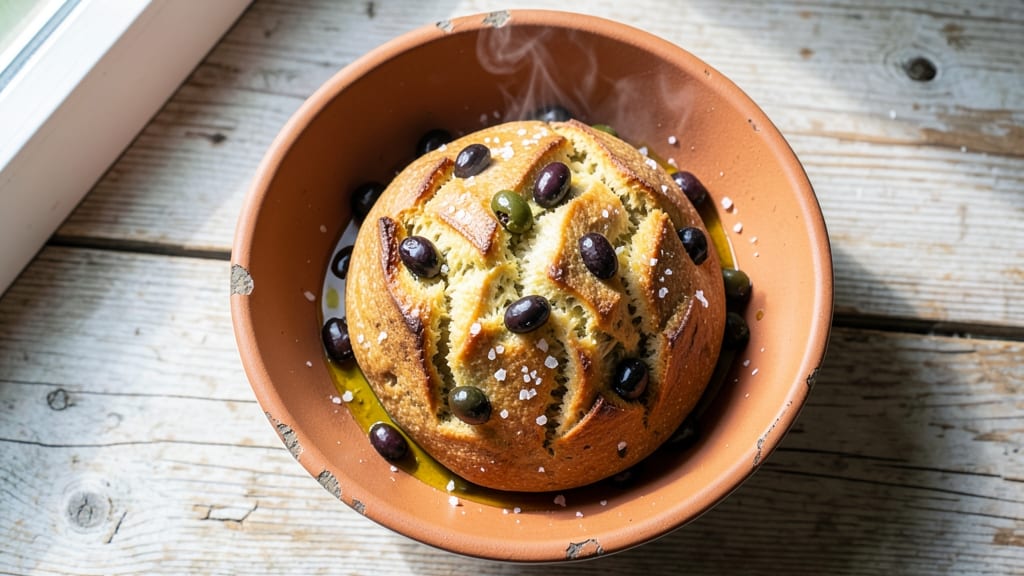
Acme olive bread delivers that perfect balance of herby, tangy flavors with a crispy top that begs to be pulled apart. This recipe captures the essence of traditional Acme-style bread—where briny olives and fragrant herbs create a pull-apart loaf that’s as satisfying to make as it is to eat. The secret lies in the dough’s development and the high-heat bake that creates that coveted crunch.
What sets this recipe apart is the combination of high-quality olive oil, chopped olives, and fresh herbs that infuse every bite with Mediterranean character. The dough requires a bit of patience—kneading develops gluten for that signature chewy texture, while proper proofing ensures a light, airy crumb.
The result? A loaf with a golden, crackly crust and a moist interior studded with briny olive chunks.
This bread shines as a side dish for soups, salads, or grilled meats, but it’s also perfect for snacking straight from the oven. The tangy, herby notes make it a standout addition to any table.
With a few simple adjustments, you can customize it with garlic, rosemary, or even sun-dried tomatoes for added depth.
Ready in about 2 hours (including proofing), this recipe delivers restaurant-quality results without the fuss. The key is attention to detail during kneading and baking—trust the process, and you’ll end up with a loaf that’s worth every minute of effort.
Ingredients for acme olive bread
High-quality flour, briny olives, and fragrant herbs create this restaurant-style pull-apart loaf.
| Ingredient | Amount | Notes |
|---|---|---|
| All-Purpose Flour 🌾 | 5 cups | Sifted for even texture |
| Active Dry Yeast 🍞 | 2 ¼ tsp | One packet preferred |
| Granulated Sugar 🍚 | ¼ cup | For yeast activation |
| Extra-Virgin Olive Oil 🫒 | ½ cup | High quality for flavor |
| Warm Water 💧 | 1 ¼ cups | 110°F for yeast activation |
| Kosher Salt 🧂 | 1 ½ tsp | Diamond Crystal preferred |
| Pitted Kalamata Olives 🫒 | 1 cup | Chopped coarsely |
| Fresh Rosemary 🌿 | ¼ cup | Chopped finely |
| Fresh Thyme Leaves 🌿 | ¼ cup | Stems removed |
| Garlic Cloves 🧄 | 3 cloves | Minced finely |
| Coarse Sea Salt 🧂 | 2 tbsp | For topping |
| Cornmeal 🌽 | ¼ cup | For dusting pan |
The flour is non-negotiable here—King Arthur or Caputo Tipo 00 give you that perfect chewy texture. Whole Foods or specialty grocers stock these, but even your local supermarket's all-purpose will work in a pinch. For the olives, Kalamata are ideal—they're briny and hold their shape. Trader Joe's sells them pre-pitted, which saves time. Fresh herbs make all the difference: rosemary and thyme from the grocery store's produce section should smell vibrant, not wilted. If you can't find fresh, dried works at half the amount, but it won't have that same bright flavor. The yeast is the heart of this recipe—use it within 3 months of the date on the package for best results.
No Kalamata olives? Green olives or sun-dried tomatoes work in a pinch—just adjust the salt since they vary in brininess. Fresh herbs unavailable? Dried oregano or marjoram can substitute, but reduce to one-third the amount. Want more garlic flavor? Add an extra clove or infuse the olive oil with minced garlic before mixing. The olive oil matters—use extra-virgin for that fruity depth. If you're short on time, instant yeast can replace active dry yeast at half the amount, but the dough will rise faster. For a sweeter loaf, add a tablespoon of honey to the dough, but traditional Acme bread keeps it savory.
This dough needs time—knead for 8-10 minutes until smooth, then let it rise for 1.5-2 hours until doubled. Shape the loaf in a 9x5-inch loaf pan lined with parchment paper for easy removal. The proofing stage is crucial: cover with a damp towel in a warm place for 45-60 minutes before baking. For storage, keep wrapped at room temperature for 2 days or freeze the whole loaf for up to 3 months. Reheat slices in a 350°F oven for 5 minutes to restore that crispy crust.
Why You'll Love This Recipe
- I’ll be real: I’ve burned store-bought loaves trying to impress people. This one? Foolproof. Minimal hands-on time, no kneading like my grandma’s recipe, and it’s ready when I am. Even on a Tuesday night.
- Pantry Staples Only: I swear by this recipe because it uses things I always have—flour, yeast, sugar, olive oil, and water. No fancy ingredients, no last-minute grocery runs. Just mix, let it rise, and bake. That’s it.
- Olive Oil Magic: The extra-virgin olive oil doesn’t just flavor the dough—it makes it ridiculously tender with a subtle, fruity richness. Honestly, the first time I tasted it fresh out of the oven, I almost forgot it was homemade.
- Day-Old Perfection: Between us, this bread gets better the next day. The crust stays crisp, the crumb softens just right, and it’s my go-to for quick toast or charcuterie boards. No sad, dried-out leftovers here.
Step-by-step instructions for Acme olive bread
This herby, tangy loaf delivers a perfect pull-apart texture with a crispy top every time.
Activate the Yeast and Make the Dough
In a large bowl, combine the 1.25 cups warm water (tested at 110°F with a thermometer), 0.25 cup granulated sugar, and 2.25 tsp active dry yeast. Let sit for 5-10 minutes until foamy—this confirms the yeast is active. If it doesn't foam, your yeast may be dead.
Add the 5 cups all-purpose flour and 1.5 tsp kosher salt, then mix with a wooden spoon until a shaggy dough forms. Pour in the 0.5 cup extra-virgin olive oil and stir until fully incorporated. The dough will be sticky but should come together when pressed.
Knead and Incorporate Herbs and Olives
Turn the dough onto a lightly floured surface and knead for 5-7 minutes until smooth and elastic. If it's too sticky, wet your hands slightly to prevent sticking. The dough should spring back when poked.
In a separate bowl, combine the 1 cup chopped kalamata olives, 0.25 cup finely chopped rosemary, 0.25 cup thyme leaves, and 3 minced garlic cloves. Knead this mixture into the dough until evenly distributed. The herbs and olives will give the bread its signature Mediterranean flavor.
First Rise and Shape the Loaf
Lightly oil a large bowl, place the dough inside, and cover with a damp towel. Let rise in a warm place for 1-1.5 hours, or until doubled in size. The dough should feel spongy and airy when pressed gently.
Punch down the dough to release air, then shape it into a 9x5-inch loaf pan. Press the dough firmly into the corners to ensure even baking. Cover again and let rise for another 30-45 minutes until just above the pan's rim.
Bake to Golden Perfection
Preheat the oven to 375°F. Dust the top of the dough with 0.25 cup cornmeal and sprinkle with 2 tbsp coarse sea salt. Bake for 30-35 minutes until the top is deep golden brown and sounds hollow when tapped.
Remove from the oven and let cool in the pan for 10 minutes, then transfer to a wire rack. The bread will continue to crisp as it cools. Slice while still warm for the best texture—this olive bread is best enjoyed fresh from the oven.
Pro Tips For Making Acme Olive Bread
- TEST YEAST FIRST: Skip the guesswork—mix a teaspoon of yeast with ¼ cup warm water (110°F) and 1 tsp sugar, then wait 5-10 minutes for frothy action. If nothing happens, your yeast is dead, and your bread will flop like a sad soufflé. Trust me, I’ve learned this the hard way with dough that refused to rise.
- MEASURE OLIVE OIL PRECISELY: That "generous splash" of extra-virgin olive oil? Use a kitchen scale or measuring spoon—2 tablespoons for the dough, another 1 for brushing later. Too much oil softens the crust; too little makes it taste like a sad cracker. I used to eyeball it, and the results were… questionable.
- LET THE DOUGH REST: After kneading, cover the bowl and walk away for at least 1 hour (or until doubled). Resisting the urge to punch it down early is tough, but rushing this step means dense, chewy bread. I know, I know—you’re eager to bake—but patience here makes all the difference.
- BAKE WITH STEAM: Place a metal tray on the oven rack before preheating, then pour ½ cup hot water into it when loading the bread. The steam keeps the crust from drying out too fast, giving you that golden, crackly texture. I skipped this once and got a sad, flat loaf—never again.
Essential equipment for acme olive bread
Dough Development Tools
For perfect gluten development, a stand mixer with a dough hook is my top recommendation—I use my KitchenAid Artisan Series for its consistent kneading power. If you prefer hand-kneading, invest in a wooden dough scraper (like the OXO Good Grips) to help shape and clean sticky dough without tearing.
A digital kitchen scale (such as the Escali Primo) ensures precise measurements, especially for high-hydration doughs. 💪
Proofing Essentials
A proofing basket or colander lined with a floured kitchen towel creates the ideal environment for dough to rise evenly. For faster proofing, I use a proofing box (like the Proof Box by Chef’n) to maintain a consistent 80°F environment.
If you don’t have one, place your dough in a turned-off oven with a bowl of boiling water to create steam and warmth. A thermometer (like the Thermoworks Thermapen) helps monitor water and dough temperatures for optimal yeast activity.
Baking Must-Haves
A 9x5-inch loaf pan with a removable bottom (like the Nordic Ware Natural Aluminum) ensures easy release and even baking. For that signature crispy crust, I recommend a pizza stone or baking steel (such as the Lodge Pre-Seasoned Cast Iron) placed on the lower oven rack.
A fine-mesh sieve (like the OXO Good Grips) helps dust cornmeal evenly for that golden finish. Don’t forget a wire cooling rack—it prevents soggy bottoms while cooling.
Optional Upgrades
For a professional touch, a laser thermometer (like the Thermoworks IR Thermometer) monitors oven temperature without opening the door. A dough degasser (such as the Kitchy) speeds up the first rise by removing excess air.
If you love experimenting, a hydration calculator (like the Flour Water app) helps adjust dough consistency based on flour type and humidity. These tools aren’t essential, but they elevate your bread game. ✨
Budget-Friendly Swaps
Skip the stand mixer? Use a large mixing bowl and your hands—just knead vigorously for 8-10 minutes. No proofing box? A coffee thermos filled with warm water works as a makeshift warm spot.
For crust control, a baking sheet lined with parchment paper mimics a pizza stone. A spoon or spatula can replace a dough scraper in a pinch. The key is adapting without sacrificing quality.
Nutrition facts
Frequently asked questions
Why does this olive bread need two rises?
The first rise develops the yeast and creates air pockets for a light texture, while the second rise after shaping ensures the loaf expands properly in the pan. Skipping either can result in dense bread. The first rise takes 1-1.5 hours and the second just 30-45 minutes—both are crucial for that signature pull-apart quality.
Can I substitute dried herbs for fresh?
Yes, but reduce the amount by one-third. For example, use 1 tablespoon dried rosemary instead of 0.25 cup fresh. Dried herbs are more concentrated, so they pack more flavor into less volume. If using dried, toast them lightly in a dry pan for 30 seconds to enhance their aroma before mixing into the dough.
How do I fix a dough that's too sticky?
Add flour 1 tablespoon at a time while kneading until the dough pulls away from your hands. If it's still too wet, let it rest uncovered for 10 minutes—the gluten will relax and absorb excess moisture. Avoid over-flouring, as this can make the bread dry. Wet hands slightly when handling sticky dough to prevent tearing.
What's the best way to store leftovers?
Wrap cooled slices tightly in plastic wrap or aluminum foil to preserve freshness. Store at room temperature for 2 days or freeze for up to 3 months. To revive stale bread, warm slices in a 350°F oven for 5 minutes until crispy again. For extra flavor, brush warm slices with olive oil and sprinkle with flaky salt.
Can I make this bread without a loaf pan?
Yes! Shape the dough into a round or oval on a baking sheet lined with parchment paper. Brush with olive oil and sprinkle with cornmeal and coarse salt. Bake at 375°F for 25-30 minutes until golden. For a rustic look, score the top with a sharp knife before baking. This creates a free-form loaf perfect for dipping or tearing.