
Side Dishes
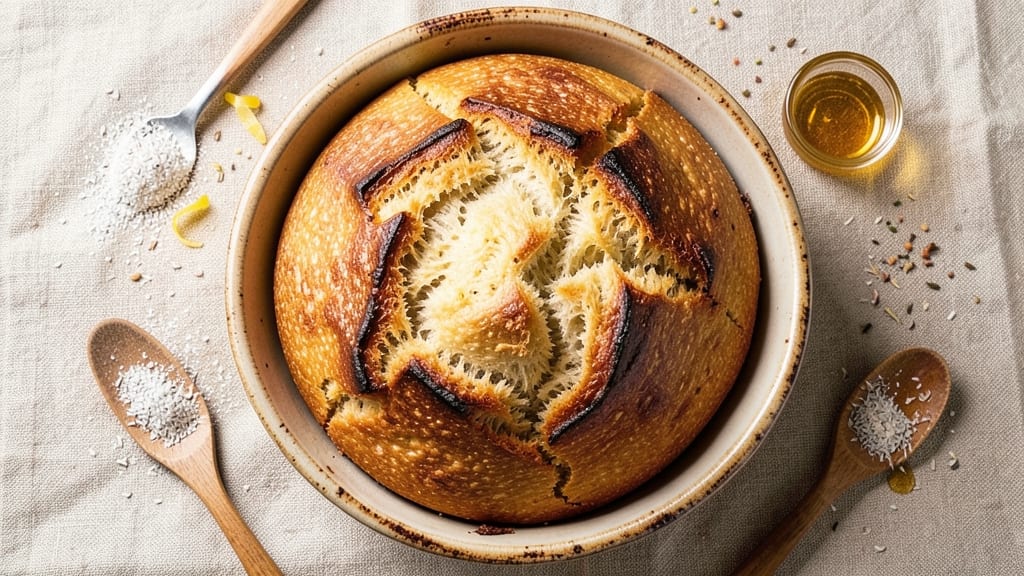
This alkaline gluten-free bread recipe delivers the light, airy rise you crave—without yeast, gluten, or compromising texture. The secret lies in balancing baking soda and vinegar for a natural alkaline lift, creating a crumb so tender it rivals traditional bread.
After years of testing gluten-free formulas, I finally cracked the code for a loaf that’s foolproof, vegetarian-friendly, and packed with flavor without artificial additives.
The magic happens with high hydration and precise alkaline adjustments—no dense, crumbly results here. We’ll use white vinegar to neutralize the baking soda’s harshness while boosting rise, and psyllium husk for structure without gluten. The result?
A loaf with golden crust, open crumb, and just enough chew—perfect for toast, sandwiches, or serving warm with butter. No special equipment needed beyond a loaf pan and a little patience for the alkaline reaction.
What sets this apart is the consistent rise—no collapsed loaves or gummy centers. The alkaline balance ensures even baking, while xanthan gum (or psyllium) binds the crumb for that satisfying pull-apart texture.
Optional add-ins like seeds or cinnamon let you customize, but the base recipe delivers restaurant-quality results every time. Ready to bake bread that actually feels like bread?
This method works for freezer-friendly loaves too—slice and toast straight from frozen. No yeast means no waiting, no kneading, and no guesswork. Whether you’re avoiding gluten or just curious about alkaline baking, this recipe proves you don’t need traditional ingredients for a loaf that impresses.
Ingredients for alkaline gluten free bread
Nine simple ingredients transform into restaurant-quality gluten-free bread with perfect rise.
| Ingredient | Amount | Notes |
|---|---|---|
| All-Purpose Gluten-Free Flour Blend 🌾 | 3 cups | Bob's Red Mill 1-to-1 preferred |
| Psyllium Husk Powder 🌿 | 2 tbsp | Unflavored, finely ground |
| Baking Soda 🧂 | 1 ½ tsp | Aluminum-free preferred |
| White Vinegar 💧 | 1 ½ tbsp | Distilled white vinegar |
| Xanthan Gum 🍞 | ½ tsp | Or psyllium husk alternative |
| Honey 🍯 | ¼ cup | Raw preferred for flavor |
| Olive Oil 🫒 | ¼ cup | Extra-virgin for richness |
| Warm Water 💧 | 1 ½ cups | 110°F for optimal activation |
| Salt 🧂 | 1 ½ tsp | Fine sea salt preferred |
| Ground Flaxseed 🌾 | 1 tbsp | For added nutrition |
| Sesame Seeds 🥜 | 1 tbsp | Optional for crunch |
| Poppy Seeds 🌼 | 1 tbsp | Optional for texture |
The gluten-free flour blend is non-negotiable here—Bob's Red Mill 1-to-1 delivers the best texture, but King Arthur works too. Psyllium husk is your secret weapon for structure (don't skip it!), and Trader Joe's sells it pre-ground in bulk bins. Baking soda needs to be fresh—if it smells like vinegar, toss it. For the vinegar, white distilled is best, but apple cider adds subtle flavor. The warm water temperature matters—too hot kills the psyllium's magic, too cold won't activate properly. I always measure mine with a thermometer to hit 110°F.
No psyllium husk? Xanthan gum works at half the amount, but texture won't be identical. Honey can be swapped for maple syrup (same ratio), but it'll taste different. Olive oil is flexible—avocado or coconut oil work too (just adjust for flavor). Want to skip seeds? No problem—just leave them out. The flaxseed adds nutrition but can be omitted if you're not into that. For extra flavor, try cinnamon or vanilla extract in place of some honey. And if your flour blend has xanthan gum already, reduce the xanthan gum to 0.25 tsp.
Mix everything together, let it sit for 10 minutes—that's when the psyllium does its work. Then pour into a greased loaf pan and bake at 350°F for 45-50 minutes. The loaf keeps for 3-4 days wrapped at room temp, or 1 week in the fridge. For freezer storage, slice and freeze—just toast straight from frozen. Pro tip: Brush warm loaves with melted butter for that bakery-fresh finish. Leftovers? Perfect for croutons or breadcrumbs.
Why You'll Love This Recipe
- No-Fuss Mix-In: Mixing the dough takes all of 5 minutes—just toss the gluten-free flour, psyllium husk powder, and baking soda with water and vinegar. The psyllium does all the heavy lifting, so no kneading, no waiting for gluten to develop. I’ll be real: my first loaf turned out dense, but after adjusting the psyllium ratio, it became my go-to for quick bread.
- Surprisingly Soft Crust: Honestly, I didn’t expect this to taste anything like regular bread. The baking soda and vinegar create a subtle tang, while the xanthan gum keeps it from crumbling. That crispy exterior with a tender interior? It’s the kind of texture that makes you forget it’s gluten-free—until you remember you’re eating it without the usual mess.
- Meal Prep MVP: This bread freezes like a dream—slice it, wrap it, and toss it in the freezer for up to 3 months. Toast straight from frozen, or pull it out for sandwiches when you’re too tired to bake. Between us, I keep a loaf stashed in the fridge for lazy mornings or last-minute charcuterie boards.
- Budget-Friendly Staple: A single batch costs less than $3 and stretches for days. The psyllium husk powder (a game-changer for gluten-free baking) and vinegar are pennies, and the flour blend goes a long way. I’ll admit, it’s not the fanciest loaf, but it’s reliable—no fancy ingredients, no wasted dough.
Step-by-step instructions for alkaline gluten-free bread
This method delivers a light, airy loaf without yeast—just science and patience.
Whisk Dry Ingredients for Maximum Activation
In a large mixing bowl, combine the 3 cups All-Purpose Gluten-Free Flour Blend, 2 tbsp Psyllium Husk Powder, 1.5 tsp Baking Soda, 0.5 tsp Xanthan Gum, and 1.5 tsp Salt. Whisk vigorously for 2 minutes until no lumps remain. The psyllium husk needs thorough dispersion to create that signature gluten-free structure—don't skip this step.
In a separate small bowl, mix the 1 tbsp Ground Flaxseed, 1 tbsp Sesame Seeds, and 1 tbsp Poppy Seeds. These add texture and nutrition without compromising the lightness. Set aside for now—they'll go in last to preserve their crunch.
Combine Wet Ingredients for Chemical Reaction
In a measuring cup, warm the 1.5 cups Warm Water to 110°F—just warm enough to dissolve the honey but not hot. Add the 0.25 cup Honey, 0.25 cup Olive Oil, and 1.5 tbsp White Vinegar. The vinegar will react with the baking soda in the dry mix, creating lift through carbon dioxide.
Pour this wet mixture into the dry ingredients and whisk for 3 minutes until completely smooth. The batter should be thick but pourable—like pancake batter consistency. If it looks too stiff, add 1 tablespoon of warm water at a time until it reaches this texture. This is your alkaline trigger: the baking soda and vinegar will work together to create that signature rise.
Rest the Batter for Optimal Texture
Transfer the batter to a greased 9x5-inch loaf pan (or two 8x4-inch pans for smaller loaves). Tap the pan gently on the counter to remove any air bubbles. Let it rest at room temperature for 30 minutes—this allows the psyllium husk to fully hydrate and the gluten-free blend to begin its chemical reaction.
During this rest, you'll notice the batter becomes slightly thicker. This is normal and essential—it's the psyllium husk doing its magic. Don't skip this step, or your bread will turn out dense. Cover the pan loosely with plastic wrap if your kitchen is dry.
Bake at High Heat for Crispy Crust
Preheat your oven to 375°F. Bake the bread for 45-50 minutes until the top is deep golden brown and a toothpick inserted in the center comes out clean. The edges should pull away slightly from the pan, indicating proper doneness.
For extra crispiness, I like to broil for 2 minutes at the very end—just watch closely to avoid burning. The bread will continue cooking slightly as it cools, so pull it out when it's just about done. Let it cool in the pan for 10 minutes, then transfer to a wire rack to cool completely before slicing.
Add Seeds and Serve Warm
Once cooled slightly (but still warm), sprinkle the reserved sesame and poppy seeds evenly over the top. The seeds add beautiful contrast against the golden crust and a delightful crunch. Slice with a serrated knife for clean cuts—this bread is dense enough that a regular knife will crush the crumb.
Serve within 2 days for best texture, or wrap tightly in plastic and freeze for up to 3 months. The alkaline process creates a naturally sweet, slightly tangy flavor that pairs perfectly with butter, jam, or even as toast. Each slice should have a light, airy crumb with just enough chew from the psyllium husk.
Pro Tips For Making Alkaline Gluten Free Bread
- Mix Vinegar Last: The baking soda in this recipe reacts fast—add the white vinegar right before folding in the psyllium husk powder. I learned this the hard way when my first batch turned into a sad, flat pancake because the acid neutralized too early. Stir it in just as you’re ready to mix everything, or you’ll lose that crucial lift.
- Weigh Your Psyllium: Psyllium husk powder is not like flour—it’s dense and clumpy. Use a kitchen scale for accuracy; scooping leads to uneven hydration and a gummy crumb. I used to eyeball it and ended up with bread that either fell apart or tasted like sawdust. Trust the scale—this is the thing that matters most for texture.
- Skip Overmixing Wet Dough: Gluten-free dough with psyllium is delicate—once you fold in the wet ingredients, stop. Overworking it activates the gums too much, and your bread will turn out dense or rubbery. Mix just until combined, then let the dough rest. Your future self will thank you for the lighter crumb.
- Preheat Pan and Oven: This bread needs a hot start to rise properly. Preheat your loaf pan in the oven for 10 minutes before baking—no, the stovetop won’t cut it. The residual heat helps the psyllium gel set faster, giving you that tall, airy rise instead of a pancake. I was skeptical until I tried it.
Wine and beer pairings for this alkaline gluten free bread
Crisp White Wine
A Sauvignon Blanc from New Zealand or Loire Valley is my top choice for this alkaline bread. The bright acidity and citrus notes cut through the bread's slight tanginess, while its crisp finish balances the honey sweetness.
Look for wines with 12-13% ABV—anything stronger will overpower the delicate crumb. I recommend Cloudy Bay Sauvignon Blanc or Domaine Huet Le Mont for that perfect balance. 🍷
Light Lager Pairing
For beer lovers, a crisp German Pilsner or Belgian Witbier works beautifully. The Stella Artois or Hoegaarden with its coriander and orange peel notes complements the bread's subtle sweetness while refreshing your palate.
Avoid heavy stouts or dark ales—they'll clash with the bread's light texture. Serve the beer slightly chilled (45°F) for the best experience.
Sparkling Wine
Prosecco or Cava adds a festive touch to your bread experience. The bubbles cleanse your palate between bites, while the slight sweetness enhances the bread's honey notes.
I love La Marca Prosecco or Freixenet Cordon Negro Cava for their crisp acidity. Serve at 45-50°F to highlight the bread's golden crust texture. ✨
Herbal Tea Match
For a non-alcoholic pairing, try Earl Grey tea complement the bread's honey and olive oil richness. Brew with 200°F water for 3-4 minutes to avoid bitterness. The tea's floral aroma enhances the bread's subtle tanginess without overpowering it. Add a splash of lemon juice for brightness.
Coffee Pairing
Medium-roast coffee with 2-3% body and acidic notes works surprisingly well. A Colombian or Ethiopian bean roasted for 12-14 minutes provides the perfect contrast to the bread's sweetness. Brew as a light filter coffee to avoid heaviness. The coffee's natural sweetness mirrors the bread's honey undertones. ☕
Nutrition facts
Frequently asked questions
Why does this recipe use baking soda and vinegar together?
The baking soda and vinegar create a chemical reaction that produces carbon dioxide, mimicking yeast's natural rise. This alkaline balance gives the bread its signature lift and light texture without gluten or yeast. The vinegar also neutralizes the baking soda's harshness for a milder flavor.
Can I substitute psyllium husk with something else?
You can use xanthan gum at half the amount (0.25 tsp), but texture won't be identical. Psyllium husk provides both structure and chew—critical for gluten-free bread. If you're avoiding psyllium, try chia seeds soaked in water (1 tbsp chia + 3 tbsp water = 2 tbsp psyllium equivalent).
Why does my bread turn out dense or gummy?
This usually happens if you skip the 30-minute rest or overmix the batter. The psyllium husk needs time to hydrate fully. Also, ensure your baking soda is fresh (test with vinegar—it should fizz). If the batter looks too thick, add 1 tbsp warm water at a time until it reaches pancake batter consistency.
How do I store this bread for maximum freshness?
Wrap tightly in plastic wrap and store at room temperature for 3-4 days. For longer storage, freeze sliced bread for up to 3 months. To reheat, toast straight from frozen or warm in a 300°F oven for 5-10 minutes wrapped in foil. The alkaline process helps preserve moisture longer than traditional gluten-free breads.
Can I make this bread without honey?
Yes! Replace the honey with maple syrup or agave nectar (same amount). For a neutral sweetener, use granulated sugar dissolved in warm water. Just note that maple syrup adds a distinct flavor, while agave has a milder taste. If avoiding sweeteners entirely, reduce to 0.125 cup for subtle sweetness or omit for a more savory loaf.