
Side Dishes
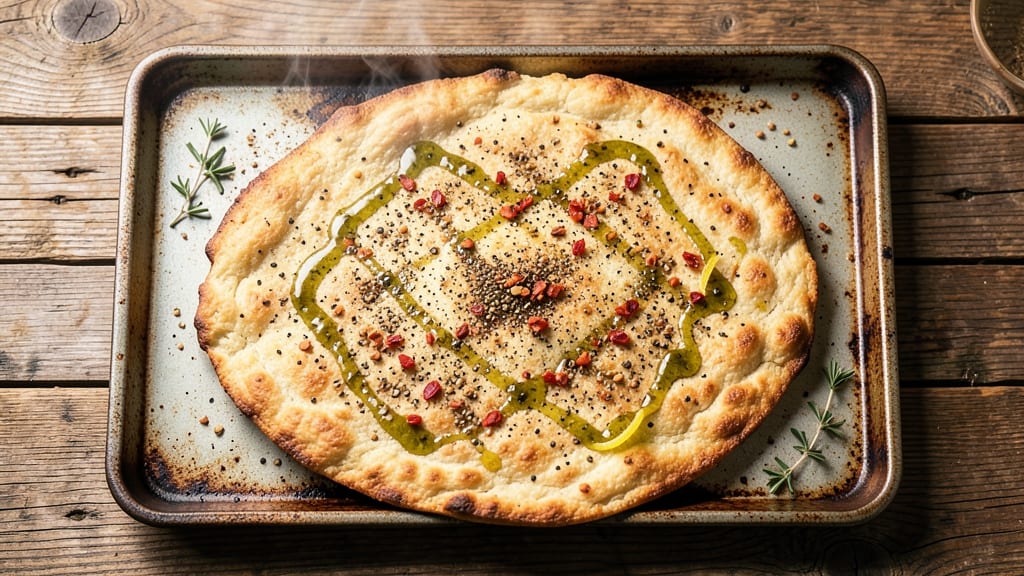
This almond flour flatbread bread recipe delivers the perfect balance of crispy edges and soft centers—ideal for dipping in hummus or wrapping your favorite fillings. The nutty flavor and gluten-free texture make it a versatile side dish that pairs beautifully with soups, salads, or Mediterranean meals.
What sets this recipe apart is the simple technique that ensures consistent results every time. The secret to achieving that signature crispiness lies in the right ratio of almond flour to water, along with a light coating of oil before cooking.
Unlike traditional flatbreads, this version requires no yeast or lengthy rising time, making it perfect for quick weeknight meals. The dough comes together in just a few minutes, and with a quick pan-fry or oven bake, you’ll have warm, golden flatbreads ready in under 15 minutes.
What you’ll end up with is a batch of nutty, crispy-edged flatbreads that stay soft inside, absorbing flavors beautifully. The almond flour adds a subtle richness, while the edges develop a satisfying crunch when cooked properly.
Whether you’re serving them as a side or using them as wraps, this recipe is a game-changer for anyone looking for a gluten-free, nutritious alternative to traditional bread.
Pair these flatbreads with olive oil and za’atar for a classic Mediterranean touch, or use them as a base for sandwiches and wraps. The possibilities are endless, and the process is foolproof—ideal for both beginners and experienced cooks. Let’s get started!
Ingredients for almond flour flatbread bread
Nine simple ingredients crafting gluten-free flatbreads with restaurant-quality crispy edges and soft centers.
| Ingredient | Amount | Notes |
|---|---|---|
| Blanched Almond Flour 🌰 | 2 cups | Finely ground, unsweetened |
| Tapioca Starch 🌾 | ¼ cup | For binding and crispiness |
| Extra-Virgin Olive Oil 🫒 | ⅓ cup | Cold-pressed, fruity variety |
| Filtered Water 💧 | ¾ cup | Room temperature preferred |
| Diamond Crystal Kosher Salt 🧂 | ½ tsp | Fine grain preferred |
| Ground Black Pepper 🌶️ | ¼ tsp | Freshly ground for aroma |
| Nutritional Yeast 🧀 | 2 tbsp | For cheesy umami flavor |
| Garlic Powder 🧄 | 1 tsp | Freshly ground preferred |
| Za'atar Seasoning 🌿 | 1 tbsp | For authentic Mediterranean touch |
The almond flour is non-negotiable here—blanched and finely ground ensures the right texture. Bob's Red Mill or Anthony's Goods brands deliver consistent quality, but any high-quality blanched almond flour works. Tapioca starch is your secret weapon for that signature crispiness; don't skip it. The olive oil should be extra-virgin and cold-pressed—anything else lacks the fruity notes that elevate the flavor. For the za'atar, Mediterranean markets or specialty stores carry the best blends, but a mix of sumac, sesame seeds, and thyme works in a pinch. Store your almond flour in the freezer to preserve freshness—it goes rancid surprisingly fast at room temperature.
No almond flour? Sunflower seed flour or oat flour can substitute at a 1:1 ratio, though texture will differ slightly. Short on tapioca starch? Arrowroot powder or cornstarch works in equal measure. The nutritional yeast adds that cheesy depth—if you're avoiding it, white miso paste at half the amount delivers similar umami. For za'atar, a mix of dried thyme, sesame seeds, and sumac mimics the flavor profile. The garlic powder can be swapped for fresh minced garlic at double the amount, but the convenience factor makes powder worth it for weeknight cooking. Always measure your water precisely—the ratio of almond flour to water is critical for the dough's consistency.
The dough keeps in the fridge for 3 days wrapped tightly in plastic, or 3 months frozen between parchment paper. For best results, bring frozen dough to room temperature before shaping. The flatbreads reheat beautifully—30 seconds in a dry skillet restores that perfect crisp. Store cooked flatbreads in an airtight container with a paper towel between layers to prevent sogginess. I like to make a double batch and freeze extras for quick meals throughout the week—just thaw and reheat as needed.
Why You'll Love This Recipe
- No-Fuss Mixing: I swear by this recipe because it’s three ingredients plus water—just pulse, knead, and roll. The tapioca starch keeps it from crumbling, so even if I’m distracted (looking at you, midday coffee slump), the dough behaves.
- Nutty Crispy Magic: That almond flour isn’t just for flavor—it gives these flatbreads a toasted, almost buttery crunch when cooked, while the olive oil keeps them tender inside. Honestly, the first time I bit into one still warm, I nearly dropped my fork.
- Lunchbox Hero: Between us, these are my go-to for packed lunches or picnic spreads. They hold up like a champ—no soggy sandwiches here—and pair perfectly with hummus, cheese, or even just a smear of olive oil and flaky salt. (Yes, even on a Tuesday night.)
- Budget-Friendly Staple: Almond flour’s pricey reputation is overblown when you buy in bulk—this recipe stretches far, and the tapioca starch cuts costs without sacrificing texture. Leftovers? Toss them in the freezer and reheat in seconds. My wallet and my taste buds thank me.
Step-by-step instructions for almond flour flatbread with crispy edges
Here's how to achieve that perfect balance of nutty flavor and contrasting textures every time.
Combine Dry Ingredients for Optimal Texture
In a large mixing bowl, whisk together the 2 cups blanched almond flour, 0.25 cup tapioca starch, 2 tbsp nutritional yeast, 1 tsp garlic powder, 1 tbsp za'atar seasoning, 0.5 tsp diamond crystal kosher salt, and 0.25 tsp ground black pepper. The tapioca starch is crucial here—it creates that signature crispy edge while maintaining a soft interior. I like to use a whisk for this step to ensure even distribution of the za'atar and prevent any flour pockets that could affect texture.
Sift the mixture through a fine-mesh sieve into a separate bowl if you notice any lumps. This ensures your flatbread will have a light, airy texture rather than dense pockets. The za'atar seasoning will give your flatbread that authentic Mediterranean touch, while the nutritional yeast adds a subtle cheesy umami depth that pairs beautifully with the nutty almond base.
Incorporate Wet Ingredients for Perfect Dough Consistency
To the dry mixture, add the 0.33 cup extra-virgin olive oil and 0.75 cup filtered water. Using a wooden spoon or silicone spatula, gently fold the ingredients together until you achieve a thick, cohesive dough that holds together when pressed. The dough should be slightly sticky but not wet—if it's too loose, add 1 tablespoon more almond flour. The olive oil is what will create that beautiful golden-brown crust when baked.
Here's the thing—don't overmix. You want just enough structure to handle the dough without developing gluten like you would with wheat flour. The dough should resemble thick cookie dough rather than pizza dough. If it feels too dry, add water 1 teaspoon at a time until it comes together. The key is achieving that perfect balance where the dough is workable but still retains moisture for a tender crumb.
Divide and Rest for Improved Texture
Divide the dough into 4 equal portions (about 6 ounces each) and shape each into a smooth ball. Place them on a parchment-lined baking sheet and cover with a clean kitchen towel. Let them rest at room temperature for 20-30 minutes. This resting period allows the dough to relax and develop better texture, preventing any cracking during baking. The flatbreads will spread slightly during this time, which is perfect for our final shape.
While the dough rests, preheat your oven to 375°F. This temperature is crucial—too low and your edges won't crisp properly, too high and the interior might dry out before the exterior browns. I always use an oven thermometer to ensure accuracy, as home ovens can vary significantly. The resting step is often overlooked, but it makes a world of difference in the final texture of your flatbread.
Shape and Bake for Perfect Crispy Edges
After resting, gently flatten each dough ball between your palms into a ¼-inch thick round, about 6 inches in diameter. Place them on the same parchment-lined baking sheet, spacing them about 1 inch apart. The slight thickness ensures that crispy edge while maintaining a soft center. Press down gently with your fingers to create a smooth surface—this helps create an even bake and prevents any uneven thickening.
Bake for 12-15 minutes until the edges are deep golden brown and the centers are still slightly soft to the touch. You're aiming for that beautiful contrast—crispy edges that shatter slightly when you pick them up, with a tender, pillowy center. Rotate the baking sheet halfway through for even browning. The flatbreads should puff up slightly during baking, which is a good sign of proper texture development.
Cool and Serve for Maximum Enjoyment
Remove the flatbreads from the oven and let them cool on the baking sheet for 2-3 minutes before transferring to a wire rack. This brief cooling period helps set the texture—if you try to serve them immediately, they'll be too hot and the crispy edges might soften. The flatbreads should be warm but not scorching when you serve them. Here's where the magic happens: the contrast between the crispy exterior and soft interior is what makes these flatbreads special.
Serve warm with your favorite dips, hummus, or as a base for Mediterranean-style dishes. The za'atar seasoning will add a beautiful aromatic finish when you cut into them. For best results, consume within 1-2 hours while they're at their peak texture. If you need to reheat, simply warm in a 350°F oven for 3-5 minutes to restore that crispy edge without drying out the interior.
Pro Tips For Making Almond Flour Flatbread Bread
- Use a Food Scale: Blanched almond flour is finicky—measuring by volume means you’re guessing. The ratio of almond flour to tapioca starch (usually 3:1) is what gives this bread its texture, so weigh it. I learned this after making batches that either crumbled or stuck together like glue.
- Mix Just Until Combined: Overworking the dough makes these flatbreads tough. Once the wet ingredients (olive oil + water) are incorporated, stop mixing—just fold in the salt. The tapioca starch needs minimal handling to stay tender, and you don’t want to develop gluten where there shouldn’t be any.
- Preheat Cast Iron: This isn’t your average skillet—cast iron retains heat like a dream. Get it screaming hot (450°F+) before adding the dough. I used to rush this step, and the flatbreads would steam instead of sear, turning out dense instead of crisp. Give it 10 minutes to heat through.
- Rest the Dough 15 Minutes: Yes, even almond flour dough benefits from a short rest. After mixing, let it sit covered while you preheat the pan. The tapioca starch hydrates better, and the almond flour softens slightly—this makes rolling and shaping way easier. (Your future self will thank you.)
Best sauces and condiments for these flavors
Hummus Pairing
This almond flour flatbread thrives with classic chickpea-based hummus—the creamy texture and earthy flavor complement the nutty almond perfectly. I recommend a garlic-herb hummus with lemon zest for brightness.
For extra richness, add tahini to the hummus mixture. Serve with a drizzle of extra-virgin olive oil and a sprinkle of toasted sesame seeds for that authentic Mediterranean touch. 💛
Olive Oil Drizzle
For a simple yet elegant presentation, finish your flatbread with a generous drizzle of high-quality olive oil right before serving. Use a fruity Italian olive oil like Colavita or Bertolli for its balanced peppery notes. Let guests dip their bread directly into the oil for an extra layer of flavor.
This method works especially well when paired with za'atar seasoning—the herbs and sesame seeds cling beautifully to the warm oil. 🫒
Spicy Harissa Dip
If you love heat, a harissa-yogurt dip is a game-changer. Mix 2 tablespoons harissa paste with ½ cup Greek yogurt, 1 tablespoon lemon juice, and a pinch of salt. The smoky, spicy kick cuts through the richness of the almond flour, creating a perfect balance.
For a cooling contrast, add 1 teaspoon honey or maple syrup to balance the heat. This dip pairs especially well with the garlic powder in your flatbread. 🌶️
Whipped Feta Option
For a creamy, tangy alternative, try whipped feta with a touch of honey and mint. Blend ½ cup crumbled feta, 1 tablespoon honey, 1 tablespoon chopped fresh mint, and 1 teaspoon lemon juice until smooth.
The salty, creamy texture contrasts beautifully with the crispy edges of your flatbread. This works especially well if you skipped the nutritional yeast in your recipe. 🧀
Avocado-Lime Crema
Brighten your meal with a refreshing avocado-lime crema. Blend 1 ripe avocado, ½ cup sour cream or Greek yogurt, juice of 1 lime, 1 tablespoon chopped cilantro, and a pinch of salt until smooth.
The creamy, citrusy dip adds a vibrant contrast to the nutty flatbread, making it ideal for summer meals. Serve immediately for the best texture. 🥑
Nutty Tahini Sauce
Double down on the almond flavor with a tahini-lemon sauce. Whisk together ¼ cup tahini, 2 tablespoons lemon juice, 1 tablespoon maple syrup, and 2 tablespoons water until smooth. Thin with additional water if needed.
The nutty, slightly bitter tahini enhances the almond flour’s natural flavors while adding a silky texture. Drizzle over the flatbread or serve on the side for dipping. 🌰
Nutrition facts
Frequently asked questions
Can I make this flatbread without tapioca starch?
You can substitute arrowroot powder or cornstarch at the same 0.25 cup measurement, but expect slightly less crispy edges. The starch helps create that signature contrast between crispy exterior and soft interior. For a gluten-free alternative, psyllium husk powder (1 tsp) can improve binding, though it may alter flavor subtly.
Why did my flatbread turn out dense instead of crispy?
Overmixing the dough develops gluten, creating a denser texture. Keep mixing gentle—just until combined. Also ensure your almond flour is finely ground and that you're using room-temperature water. If the dough feels too dry, add water 1 tsp at a time until pliable. The 375°F oven temperature is critical for proper browning.
How do I store leftover flatbreads to keep them crispy?
Store in an airtight container with a paper towel between layers to prevent sogginess. They'll stay fresh for 3 days at room temperature or 3 months frozen. To revive crispiness, reheat in a 350°F oven for 3-5 minutes or 30 seconds in a dry skillet. Avoid microwave—it makes them rubbery.
Can I make these flatbreads in a skillet instead of oven?
Heat a nonstick skillet over medium-high heat with 1 tbsp olive oil. Cook each flatbread for 2-3 minutes per side until golden brown and crispy. The skillet method creates a more pronounced crispiness, especially at the edges. For extra flavor, add za'atar seasoning to the oil before cooking.
What's the best way to use these flatbreads as wraps?
Warm the flatbreads for 10-15 seconds in a dry skillet to restore crispiness. Spread with hummus or tahini sauce, then layer with fillings like grilled chicken, roasted veggies, or falafel. The ¼-inch thickness holds up well to moist fillings. For a Mediterranean twist, add olives, feta, and cucumber before rolling.