
Desserts
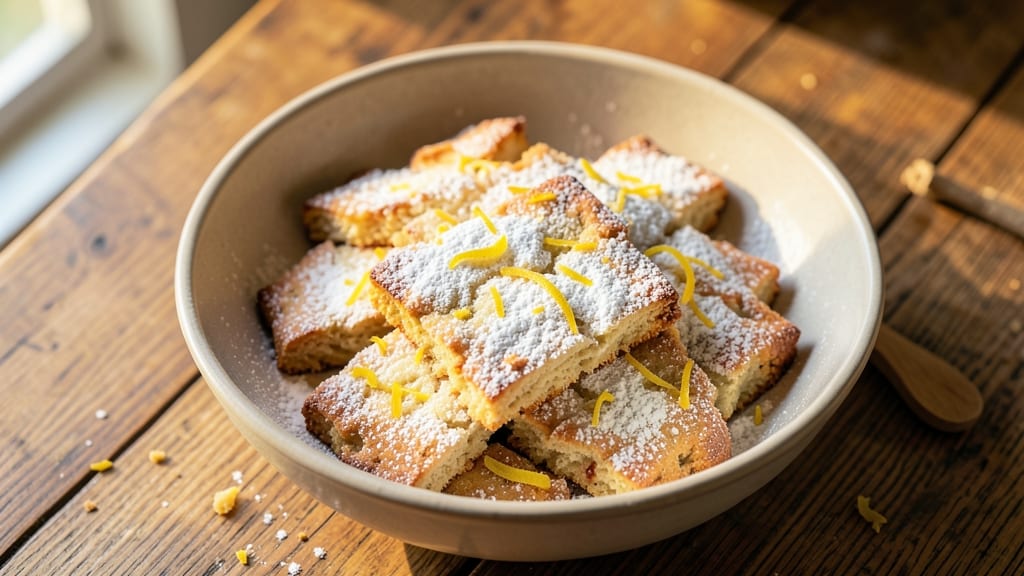
Alton Brown's shortbread cookie recipe delivers the perfect balance of buttery richness and crisp edges without the risk of burning. The secret lies in cold butter and precise measurements—no guesswork, just foolproof results every time.
I've baked these countless times, and the difference between this method and traditional recipes is undeniable.
What sets these apart is Alton's signature technique of using cold butter and avoiding overmixing, which prevents tough cookies. The dough comes together in minutes with just three ingredients (plus optional add-ins like lemon zest or nuts), and shaping them into classic rounds or squares is where the magic happens.
Baking at a steady 325°F ensures golden, crisp edges without overcooking the centers.
By the time they emerge from the oven, you'll have cookies with a delicate crumb and buttery aroma that fills your kitchen. The texture is crisp yet tender, with a melt-in-your-mouth quality that makes them impossible to resist.
These aren't just cookies—they're a testament to how simple ingredients can create something extraordinary.
Perfect for holidays, gifts, or a cozy afternoon treat, these shortbread cookies pair beautifully with tea or coffee. The recipe scales easily, so you can make a batch for sharing or keep them for yourself. Let's get baking!
Ingredients for alton brown shortbread cookie
Three core ingredients plus optional add-ins create Alton Brown's signature shortbread perfection.
| Ingredient | Amount | Notes |
|---|---|---|
| Unsalted Butter 🧈 | 1 cup | Cold, cubed for even baking |
| All-Purpose Flour 🌾 | 1 ½ cups | Sifted, plus extra for rolling |
| Granulated Sugar 🍚 | ¼ cup | Superfine preferred for smooth texture |
| Diamond Crystal Kosher Salt 🧂 | ½ tsp | Fine grain for even distribution |
| Lemon Zest 🍋 | 1 tbsp | Fresh, finely grated (optional) |
| Vanilla Extract 🌸 | ½ tsp | Pure, high-quality extract |
The butter is non-negotiable—use unsalted and let it chill completely before mixing. Plugrá or Land O'Lakes brands work best for consistent texture, but any high-fat unsalted butter will do. For the flour, King Arthur or Gold Medal are ideal due to their protein balance, though store-brand all-purpose flour suffices. The sugar should be superfine if available; otherwise, pulse granulated sugar in a food processor for a few seconds. Diamond Crystal kosher salt is preferred for its fine grain, but any fine salt will work in a pinch.
No vanilla extract? Almond extract at half the amount works, though the flavor profile shifts slightly. Fresh lemon zest is optional but recommended—organic lemons from the grocery store produce the brightest zest. For a nutty variation, fold in 1/4 cup chopped pecans or walnuts after shaping. If you prefer a sweeter cookie, increase the sugar to 1/3 cup, but be mindful of potential browning. The dough should hold together when pressed but not be sticky—if it's too dry, add 1 tsp cold milk.
Store shaped cookies in an airtight container with parchment between layers for up to 5 days. For longer storage, freeze shaped dough balls on a tray before transferring to a bag—3 months in the freezer. Reheat baked cookies at 300°F for 3-5 minutes to restore crispness. These cookies are best enjoyed fresh from the oven, but the aroma alone will have your kitchen smelling like a holiday bakery.
Why You'll Love This Recipe
- Three-Ingredient Magic: I swear, this recipe is all about that butter-to-flour ratio—just cold butter, sugar, and flour, cut together until it’s like sand. No mixer, no fuss, and honestly? The texture comes out buttery and crumbly every single time.
- Zesty Twist: That lemon zest isn’t just decoration—it brightens the whole thing with a citrusy kick that cuts through the richness. Between us, it’s the secret weapon that makes these cookies taste fresh, not greasy.
- Holiday or Snack Attack: I’ve used these for Christmas gifts (they freeze beautifully), packed them in lunchboxes, and even served them at a 4th of July brunch. The beauty? They’re fancy enough for company but simple enough for a Tuesday night craving.
- Leftovers? More Like Forever: Shortbread keeps for weeks in an airtight container, and honestly, I’ve never met a batch that didn’t disappear before then. Plus, the cost? A few bucks for butter and flour, and you’re set for a month of stress-free baking.
Step-by-step instructions for Alton Brown's shortbread cookies
Perfectly balanced butter, sugar, and flour create these golden, crisp-edged cookies.
Cut and Mix the Cold Dough
In a large mixing bowl, combine the 1 cup unsalted butter (cold and cubed) with the 0.25 cup granulated sugar. Use a pastry cutter or your fingers to work the butter into the sugar until the mixture resembles coarse crumbs with pea-sized butter pieces remaining. This texture is crucial—it prevents the cookies from spreading too much in the oven.
Add the 1.5 cups all-purpose flour, 0.5 teaspoon Diamond Crystal kosher salt, 1 tablespoon lemon zest, and 0.5 teaspoon vanilla extract. Mix gently with a wooden spoon or your hands until just combined. Overmixing develops gluten, which leads to tough cookies. The dough should hold together when pressed but still feel slightly crumbly—this is ideal for shortbread's signature texture.
Form and Chill the Dough
Turn the dough onto a lightly floured surface and knead it just until it comes together into a cohesive mass. Divide it into 4 equal portions (about 4 ounces each) and shape each into a log about 1 inch in diameter. Wrap each log tightly in plastic wrap and refrigerate for at least 1 hour, or up to 24 hours. Chilling firms the butter, which is essential for clean edges and proper texture.
This step cannot be rushed. Cold butter creates crisp edges and prevents the cookies from spreading excessively. If you're short on time, place the wrapped dough logs in the freezer for 20 minutes—just don't skip this step entirely.
Roll and Cut the Shortbread
Preheat your oven to 325°F. Remove one dough log from the refrigerator and let it sit at room temperature for 5 minutes to soften slightly. On a lightly floured surface, roll the log into a ¼-inch thick rectangle, about 8 inches long. Use a sharp knife to trim the edges for clean lines, then cut the rectangle into 16 equal squares (about 2 inches each). Place the cut squares on a parchment-lined baking sheet, spacing them ½ inch apart. Repeat with the remaining dough.
For perfectly uniform cookies, use a ruler to guide your cuts. The dough should hold its shape without sticking to the knife. If it feels too soft, return it to the refrigerator for 10 minutes before rolling again.
Bake to Golden Perfection
Bake the shortbread for 25-30 minutes, rotating the baking sheet halfway through, until the edges are deep golden brown and the centers are just beginning to set. The cookies should feel firm to the touch but still have a slight give in the middle. Overbaking leads to dry, crumbly cookies—this is the one mistake to avoid.
Remove the baking sheet from the oven and let the cookies cool on the sheet for 5 minutes before transferring them to a wire rack. They'll continue to firm up as they cool, developing that signature crisp texture. Serve warm for maximum buttery flavor, or store in an airtight container for up to 5 days—though they rarely last that long.
Pro Tips For Making Alton Brown Shortbread Cookie
- CHILL THE DOUGH: I learned this the hard way—if you skip the 30-minute fridge rest, your cookies will spread like they’ve seen a ghost. Cold butter stays firm, and that’s what keeps those perfect rounds from turning into sad, flat pancakes.
- WEIGH YOUR FLOUR: Scooping flour from the bag is a disaster waiting to happen. Use a kitchen scale for the 160 grams of all-purpose flour—pack it gently into the cup, then level it off. Too much flour and your shortbread turns dense; too little, and it crumbles like a sad sandcastle.
- SALT THE BUTTER: Yes, even with unsalted butter, sprinkle that Diamond Crystal kosher salt directly into the melted butter while it’s still warm. It dissolves better and distributes evenly—no clumpy bits, no aftertaste surprises. (And trust me, you’ll taste the difference.)
- PRESS THE CRUMBS: Don’t just dump the dough into the pan and hope for the best. Press the crumbly mixture firmly into the pan with your fingers or a measuring cup—no gaps, no loose bits. This guarantees clean edges and that signature Alton Brown snap when you cut them later. (Pro move: use a ruler for straight lines.)
Make-ahead tips for alton brown shortbread cookie
Dough Prep Ahead
Shape your dough logs up to 24 hours in advance and store them wrapped in plastic in the refrigerator. This gives the butter time to firm up evenly, ensuring crisp edges when baked.
I like to prep mine the night before so I can enjoy fresh cookies straight from the oven in the morning. 🧈
For even better results, freeze the shaped dough logs on a tray for 20 minutes before wrapping. This prevents them from sticking together when refrigerated. Label them with the date—they’ll keep in the freezer for up to 3 months without losing texture.
Baked Cookie Storage
Let your cookies cool completely before storing to prevent condensation, which makes them soggy. Place parchment paper between layers in an airtight container to maintain crispness for up to 5 days. If you’re making a big batch, freeze half immediately after baking—they’ll stay fresh for 2 months.
To revive slightly stale cookies, pop them in a 300°F oven for 3-5 minutes with a slice of bread. The steam from the bread re-crispifies them instantly. This trick works wonders for holiday leftovers!
Gift-Worthy Packaging
For gifting, arrange cookies in cellophane bags tied with twine and a sprig of rosemary. Add a handwritten note about the recipe—it’s a personal touch that makes them feel special. I’ve seen these go over big at holiday parties when presented this way. ✨
If you’re shipping them, use insulated packaging with ice packs to keep them cool. Cookies can handle a 2-day transit without losing quality if properly packed. Just avoid extreme temperatures—no direct sunlight or freezing cold.
Flavor Layering Trick
For a restaurant-quality twist, brush baked cookies with melted white chocolate while still warm, then sprinkle with flaky sea salt. Let them set on a wire rack before storing. This adds a sophisticated contrast that elevates simple shortbread. 💫
Another pro move: Dust cooled cookies with powdered sugar using a fine-mesh sieve. This adds a delicate sweetness and makes them look like they came from a bakery. Do this right before serving for the freshest presentation.
Nutrition facts
Frequently asked questions
Why does Alton Brown's recipe use cold butter?
Cold butter is key for achieving those signature crisp edges without spreading. When baked, the cold butter melts just enough to create a golden crust while keeping the centers tender. If your butter is too warm, the cookies will flatten out—no one wants sad, pancake-like shortbread!
Can I make these cookies without lemon zest? The lemon zest adds brightness, but it's optional. For a classic buttery flavor, simply omit it. Other flavor variations work too—try adding 1 tsp cinnamon or 1/4 cup chopped nuts to the dough. Just
How do I prevent my shortbread from getting too crumbly?
Overmixing is the enemy of tender shortbread. Mix just until combined—think "dough comes together when pressed" rather than "smooth batter." If your dough feels too dry, add 1 tsp cold milk at a time. Also, don't overbake: pull them out when edges are golden but centers still feel slightly soft.
What's the best way to cut perfectly even shortbread squares?
Use a sharp chef's knife and a ruler for clean lines. Press down firmly as you cut to prevent dragging. For extra precision, dip the knife in hot water between cuts—this helps it slice through the dough cleanly. Chill the dough for 10 minutes before cutting if it feels too soft.
Can I bake these in a convection oven?
Yes, but reduce the temperature by 25°F (15°C) and check for doneness at 20 minutes. Convection ovens cook faster due to the fan circulation, so keep a close eye to avoid overbaking. The goal is golden edges with slightly soft centers—no one wants hockey pucks!