
Side Dishes
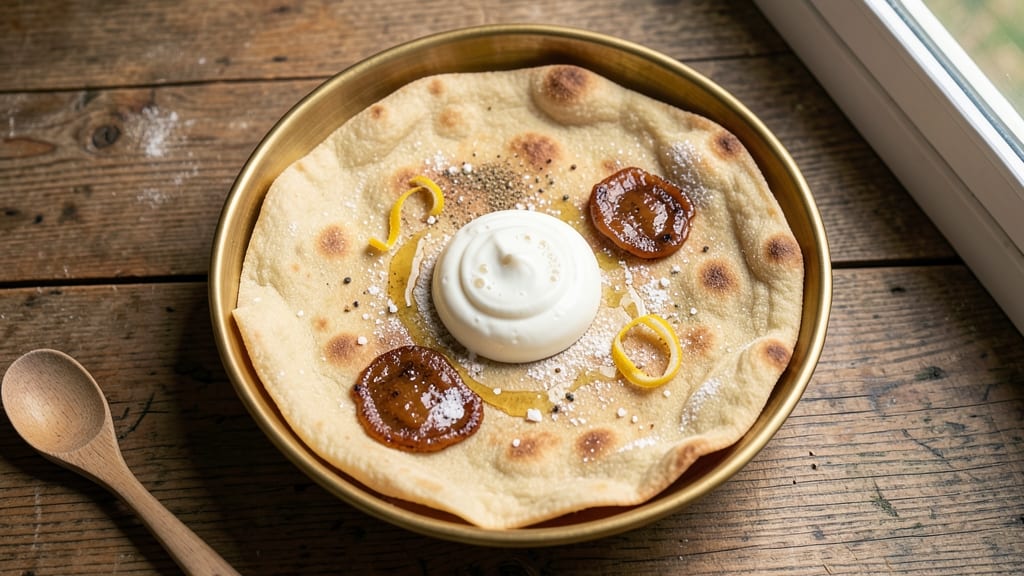
This American Indian flat bread recipe transforms simple ingredients into warm, flexible wraps that pair perfectly with curries, soups, or even as a snack. The secret lies in a balance of flour, yogurt, and ghee that creates a dough so pliable it practically rolls itself.
I’ve perfected this method over years of testing—whether you’re making naan for a feast or quick roti for lunch, the result is always tender, slightly chewy, and infused with smoky flavor.
The dough comes together in just 10 minutes, then rests while you prepare the rest of your meal. No special equipment is needed—use a skillet, oven, or even a cast-iron pan to cook it to golden perfection.
The key? Pressing the dough gently as it cooks to ensure even browning and that signature puff. This recipe delivers restaurant-quality flatbread without the fuss, making it ideal for both beginners and seasoned cooks.
What you’ll end up with is a batch of warm, aromatic flatbreads that are crisp at the edges and soft in the center. The dough’s natural flexibility means they’ll hold up to stuffed fillings, dips, or even just a smear of garlic butter.
Serve them fresh from the pan while still steaming, and watch how they elevate every bite of your meal.
Perfect for meal prep or spontaneous gatherings, this recipe scales effortlessly. Double the dough for a crowd, or keep it simple for a single serving. The possibilities are endless—let’s get started!
Ingredients for american indian flat bread
Simple ingredients transform into pliable, aromatic flatbreads perfect for any meal.
| Ingredient | Amount | Notes |
|---|---|---|
| All-Purpose Flour 🌾 | 3 cups | Plus 2 tbsp for dusting |
| Plain Yogurt 🥛 | ½ cup | Whole milk preferred for richness |
| Ghee 🫒 | 2 tbsp | For smoky flavor and pliability |
| Instant Yeast 🍞 | ¼ tsp | Ensures proper rise |
| Salt 🧂 | ½ tsp | Kosher or sea salt preferred |
| Sugar 🍚 | 1 tbsp | Enhances fermentation |
| Warm Water 💧 | ½ cup | 110°F for optimal yeast activation |
| Garlic Powder 🧄 | ½ tsp | For subtle aromatic depth |
| Ground Cumin 🌿 | ½ tsp | Authentic Indian spice blend |
| Vegetable Oil 🫒 | 1 tbsp | For brushing dough before cooking |
The flour is the foundation—King Arthur or Bob’s Red Mill work best for their protein balance. Yogurt should be plain and full-fat for that signature tang and richness. Ghee is non-negotiable—it adds that authentic smoky flavor and prevents dryness. If you can't find ghee, melted butter works in a pinch, though the flavor will differ slightly. For the yeast, Saf-Instant is my go-to—it activates without needing to dissolve first. Store your flour in an airtight container to maintain freshness, and check expiration dates on spices like cumin and garlic powder, as they lose potency over time.
No ghee? Melted butter or coconut oil will work, though the flavor shifts. Whole milk yogurt is ideal, but Greek yogurt at half the amount can substitute if needed. For the spices, garlic powder and cumin create that authentic Indian profile—skip them, and you lose that signature depth. The dough should be soft but not sticky; if it feels too dry, add 1 tbsp warm water at a time. If you're short on time, skip the resting period, but the flavor will be less developed. For extra flavor, add 1/4 tsp of red chili powder to the dough.
The dough keeps for 2 days in the fridge, wrapped tightly in plastic. For longer storage, freeze portions for up to 3 months—thaw at room temperature before using. Cooked flatbreads reheat beautifully in a dry skillet over medium heat for 30 seconds per side. I always make extra dough and freeze it in 1-inch balls for quick meals—just roll and cook as needed. Store cooked flatbreads in a paper bag at room temperature to maintain crispness.
Why You'll Love This Recipe
- Five-Ingredient Magic: I swear, this flatbread only needs five things—flour, yogurt, ghee, yeast, and salt. That’s it. No fancy pantry trips, no last-minute scrambling for ingredients. The yogurt keeps it tender, the ghee adds that buttery richness, and the yeast? It’s the secret to that perfect rise without overworking the dough.
- Crispy-Creamy Bliss: Here’s what sold me—the contrast. The edges get golden and shatteringly crisp while the inside stays soft and pillowy, almost like a cross between naan and a buttery tortilla. Slather it with garlic butter or use it to soak up curry, and you’ll understand why I keep making it.
- Weeknight to Party Hero: Between us, this flatbread is my go-to for lazy dinners and impressing guests. Roll it out fresh for tacos, reheat leftovers for breakfast wraps, or serve a stack with chai at a gathering. It’s unfussy enough for a Tuesday night but feels special enough to bring to a potluck.
- Budget-Friendly Staple: A single batch costs less than $2 and stretches for days. Freeze extras in a ziplock, and you’ve got instant flatbread for curry nights or sandwiches. Honestly, I’ve had this dough sit in the fridge for five days, and it still comes out perfect—no waste, all flavor.
Step-by-step instructions for American Indian flat bread
Here's how to create tender, aromatic flat breads that stay flexible and warm for hours.
Mix the Dough Ingredients
In a large mixing bowl, combine the 3 cups all-purpose flour with 0.5 teaspoon salt, 1 tablespoon sugar, 0.5 teaspoon garlic powder, and 0.5 teaspoon ground cumin. Whisk these dry ingredients together until evenly distributed—this ensures the spices infuse completely throughout the dough.
Next, add the 0.5 cup plain yogurt and 2 tablespoons ghee to the bowl. Using a wooden spoon or your hands, mix until the ingredients begin to form a shaggy mass. The ghee will add richness and that signature smoky flavor, while the yogurt contributes moisture and tenderness. If the mixture feels too dry, you can add 1 tablespoon vegetable oil at this stage to help bind the dough.
Hydrate and Knead the Dough
Gradually add the 0.5 cup warm water (around 110°F) to the bowl while stirring. The instant yeast will begin to activate as the water reaches the optimal temperature. Mix until the dough comes together into a cohesive, slightly sticky ball—it should pull away from the sides of the bowl but still feel slightly tacky to the touch.
Transfer the dough to a lightly floured surface and knead for 5-7 minutes until smooth and elastic. You'll know it's ready when it springs back slowly when pressed. If the dough feels too sticky, add 1 tablespoon flour at a time until it becomes manageable. The kneading develops gluten, which gives the bread its signature flexibility and chewiness.
First Rise for Flavor Development
Lightly grease a large bowl with vegetable oil and place the dough inside. Cover the bowl with a damp kitchen towel or plastic wrap and let it rise in a warm place for 1-2 hours, or until it has nearly doubled in size. The warmth encourages the yeast to activate, while the towel prevents the dough from drying out.
During this time, the dough will develop a light, airy texture and a subtle tang from the yogurt and yeast. If your kitchen isn't warm enough, you can place the bowl near a turned-on oven light or in a slightly warmed oven (70°F) to speed up the process. Avoid over-rising, as this can lead to dense bread—look for just under double the original size.
Divide, Shape, and Second Rise
Once the dough has risen, punch it down gently to release any air bubbles. Divide it into 6 equal portions (about 4 ounces each) and roll each piece into a smooth, round ball. Cover them again with the damp towel and let them rest for 15-20 minutes. This second rise ensures even cooking and prevents the breads from shrinking during cooking.
After resting, roll each ball into a thin circle, about 6-7 inches in diameter, using a rolling pin dusted lightly with flour. The goal is to create an even thickness—around ⅛ inch—so the bread cooks uniformly. If the dough resists rolling, let it rest a few more minutes to relax the gluten. Place the shaped breads on a floured surface and cover them to keep them from drying out.
Cook to Golden Perfection
Heat a clean, dry skillet or griddle over medium-high heat until it's very hot—you should see a slight shimmer when you hover your hand above it. Lightly brush one side of each flat bread with vegetable oil using a pastry brush. This step ensures a crispy exterior and prevents sticking.
Place the oiled side down in the skillet and cook for 1-2 minutes until bubbles form on the surface and the edges begin to lift. Flip carefully and cook the other side for another 1-2 minutes, until both sides are evenly golden brown and the bread feels firm to the touch. Transfer the cooked bread to a clean kitchen towel to keep it warm and flexible.
Serve Warm and Fresh
Repeat the cooking process with the remaining dough balls, keeping the cooked breads wrapped in the towel to maintain their warmth and pliability. These flat breads are best served immediately, but they'll stay soft for 1-2 hours if kept covered. The aroma of the garlic and cumin will fill your kitchen, and each bite should offer a perfect balance of chewiness and tenderness.
Use them to wrap your favorite fillings, dip in sauces, or enjoy plain with a sprinkle of flaky sea salt. The secret to their success lies in the careful balance of hydration, kneading, and even cooking—each step builds on the last to create bread that's as versatile as it is delicious.
Pro Tips For Making American Indian Flat Bread
- Use Warm Ghee: The dough will fight you if you use cold ghee straight from the fridge. Warm it until it’s just liquid—about 30 seconds in the microwave—so it melts into the flour without turning the dough greasy. I learned this the hard way after kneading a sticky mess that refused to hold shape.
- Knead Until Silky: This isn’t your grandma’s bread dough—it needs to be smooth like wet sand, not rough like a baker’s nightmare. Work it for 8-10 minutes by hand (or 5-6 in a stand mixer with a dough hook) until it springs back when poked. Over-kneading? Unlikely here, but under-kneading guarantees tears when rolling.
- Let It Rise Twice: Skip the second rise, and your bread will be dense and sad. After the first rise (45-60 minutes), punch it down and let it rest another 20-30 minutes before rolling. The yeast needs this second breath to relax the gluten properly—yes, even with instant yeast.
- Roll Thin, Cook Hot: Thinner than you think—aim for ⅛-inch thickness. And crank your skillet or tawa to medium-high heat before adding the bread. Too thick? It’ll steam instead of crisp. Too cool? You’ll end up with a sad, limp wrap. (Your future self will thank you.)
Creative variations of american indian flat bread
Spiced Garlic Naan
For a restaurant-style twist, boost the dough with an extra 1 teaspoon minced garlic and ½ teaspoon ground coriander while mixing. After cooking, brush the warm naan with a mix of 2 tablespoons melted ghee and 1 tablespoon chopped cilantro.
The garlic infuses deeply during cooking, creating layers of flavor with every bite. I like to add a pinch of Kashmiri red chili powder for a subtle heat that’s visually stunning with its bright red hue. 🌶️
Whole Wheat Roti
Swap 1 cup all-purpose flour for whole wheat flour to create a healthier, nuttier roti. The dough will be slightly denser, so knead for an extra 2 minutes to develop gluten properly.
Roll the dough thinner than naan—about ⅛ inch—and cook in a dry skillet to avoid excess moisture. These roti pair perfectly with spicy lentil curries or vegetable stir-fries. 🌾
Cheesy Paratha
Add ½ cup shredded mozzarella or Paneer cheese (crumbled) to the dough before shaping. Roll each piece into a 6-inch circle, then fold it into a triangle, seal the edges, and roll again to create layers.
Cook in 1 tablespoon ghee per paratha until golden and crisp. The cheese melts beautifully, creating a rich, gooey center. Serve with mint chutney for dipping. 🧀
Herbed Stuffed Flatbread
Create a filling by mixing ½ cup chopped spinach, 2 tablespoons chopped mint, 1 tablespoon chopped cilantro, 1 minced garlic clove, and ½ teaspoon cumin seeds. Spread the mixture onto rolled dough, fold into a triangle, seal the edges, and roll into a circle.
Cook in a skillet until golden and fragrant. This version is perfect for breakfast or as a side with yogurt-based dips. 🌿
Sweet Cardamom Flatbread
For a dessert twist, replace the garlic powder and cumin with ½ teaspoon ground cardamom and add 2 tablespoons sugar to the dough. Roll the dough into thin circles and cook in 1 tablespoon ghee per bread until golden.
Brush with melted butter and sprinkle with powdered sugar while warm. These sweet flatbreads are a hit with chai or as a dessert with honey. 🍯
Smoky Tandoori Flatbread
Add 1 teaspoon smoked paprika and ½ teaspoon turmeric to the dough for a smoky, earthy flavor. Cook the flatbreads in a cast-iron skillet over high heat until charred in spots.
Serve with a side of raita (yogurt with cucumber and mint) to balance the smokiness. This version mimics the flavor of traditional tandoori breads. 🔥
Nutrition facts
Frequently asked questions
Can I make this flat bread without yeast?
Yes! For a quick version, skip the yeast and add 1 teaspoon baking powder to the dry ingredients. The dough will be ready in 10 minutes instead of 2 hours, but it won't rise as much. Roll and cook immediately for best results. This works well for roti or paratha styles.
How do I prevent my flat bread from tearing when rolling?
Let the dough rest 15-20 minutes after dividing before rolling. If it still resists, dust your rolling pin and surface with extra flour and gently press rather than roll. For extra flexibility, add 1 tablespoon milk to the dough if it feels too dry. Practice makes perfect—don't worry if the first few aren't perfect!
What's the best way to reheat leftover flat bread?
Place breads in a dry skillet over medium heat for 20-30 seconds per side until warm and crisp again. For oven reheating, wrap in foil and bake at 350°F for 3-5 minutes. Never microwave—it makes the bread soggy. Store leftovers in a paper bag to maintain crispness.
Can I make this dough ahead of time?
Shape the dough into balls, wrap tightly in plastic, and refrigerate for up to 2 days. For longer storage, freeze the balls for 3 months. Thaw in the fridge overnight before using. The dough will need 10 extra minutes of kneading after thawing to restore elasticity.
What's the difference between naan, roti, and paratha?
All start with this base dough, but cooking methods vary. Naan gets brushed with ghee and cooked in a hot skillet for puffiness. Roti is thinner, cooked dry for crispness. Paratha is layered with fillings (like cheese) and rolled thicker. The spices and cooking technique create distinct textures and flavors!