
Side Dishes
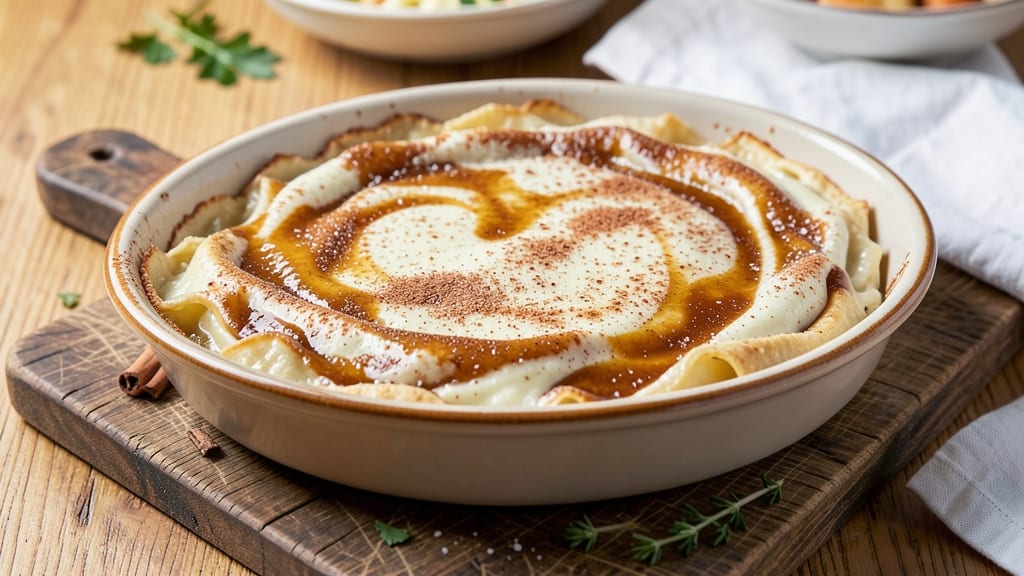
Amish bread filling transforms ordinary loaves into golden, chewy masterpieces with a warm cheddar center that melts into buttery perfection. This recipe captures the heart of Amish baking traditions—layered dough, rich fillings, and a crust so crisp it crackles with every bite. The secret lies in the balance of yeasted dough and sharp cheddar, creating a dish that feels both rustic and refined.
The dough starts soft and pliable, proofed just enough to develop that signature Amish texture—tender yet sturdy enough to hold the filling without tearing. Inside, sharp cheddar stretches into warm, gooey streaks when baked, while a touch of cinnamon and brown sugar adds depth.
The key is patience: letting the dough rise slowly and baking at a steady 350°F ensures even cooking and a crust that’s golden without burning.
What you’ll end up with is a loaf that smells like a country kitchen—warm, buttery, and impossible to resist. The cheddar filling oozes with each slice, while the crust stays crisp enough to hold up to dipping in honey or jam.
This isn’t just bread; it’s comfort in every bite, a tradition passed down through generations.
Perfect for holiday tables, family gatherings, or a cozy weekend treat, this recipe scales easily and keeps well for days. The method is straightforward, but the results are anything but ordinary—proof that some traditions are worth perfecting.
Ingredients for amish bread filling
Fourteen ingredients transform simple dough into Amish bread with golden crust and gooey cheddar heart.
| Ingredient | Amount | Notes |
|---|---|---|
| Sharp White Cheddar Cheese 🧀 | 1 ½ cups | Shredded, aged 6+ months preferred |
| Unsalted Butter 🧈 | ½ cup | Cold, cubed for even melting |
| All-Purpose Flour 🌾 | ½ cup | For binding cheddar filling |
| Granulated Sugar 🍚 | ¼ cup | Light brown preferred for depth |
| Ground Cinnamon 🌿 | 1 tbsp | Freshly ground for warmth |
| Salt 🧂 | ½ tsp | Diamond Crystal preferred |
| Heavy Cream 🥛 | ¼ cup | Full-fat for richness |
| Active Dry Yeast 🍞 | 1 tsp | For dough activation |
| Warm Water 💧 | ½ cup | 110°F for yeast activation |
| Granulated Sugar 🍚 | 1 tbsp | For yeast feeding |
| All-Purpose Flour 🌾 | 3 cups | Plus 1 tbsp for dusting |
| Milk 🥛 | ½ cup | Warm for dough tenderness |
| Unsalted Butter 🧈 | ¼ cup | Softened for dough mixing |
| Egg 🥚 | 1 whole | Room temperature for binding |
The cheddar is non-negotiable—sharp white cheddar aged at least 6 months delivers that signature tang. Sargento or Tillamook are reliable brands, but any aged white cheddar works. For the dough, King Arthur flour is my go-to—it handles the slow rise beautifully. The butter matters too: use Plugrá or Land O'Lakes unsalted for consistent results. If you're short on time, you can use cultured butter, but European-style butter has more fat content for that classic Amish richness.
No sharp cheddar? Extra-sharp cheddar at half the amount works in a pinch, but the flavor won't be identical. The dough calls for active dry yeast, but instant yeast at the same amount is fine—just skip the extra sugar. For a richer filling, swap half the butter for cream cheese. The cinnamon is essential, but if you're out, nutmeg at one-third the amount adds warmth. Prefer a sweeter loaf? Add an extra 2 tbsp brown sugar to the filling. The dough is forgiving—if it's too sticky, add 1 tbsp more flour.
Store the dough in an airtight container with a damp towel for up to 24 hours in the fridge—this actually improves flavor. The filling keeps in the fridge for 3 days, but it's best used immediately. For make-ahead baking, shape the loaves and refrigerate overnight, then bake straight from cold. The crust stays crisp for 2 days if wrapped in foil, but the filling is best enjoyed fresh. Freeze shaped loaves for up to 3 months—thaw overnight in the fridge before baking.
Why You'll Love This Recipe
- Five-Ingredient Magic: I swear, this filling comes together faster than you can say "pie crust." Just grate that cheddar, melt butter into flour, and fold in sugar and cinnamon—no fancy steps, just pure satisfaction.
- Cheddar-Cinnamon Dream: That sharp cheddar melts into gooey perfection while the cinnamon sugar adds a warm, buttery crunch. Honestly, it’s the kind of flavor combo that makes you want to eat it straight from the bowl.
- Pie or Casserole Star: Use it in apple pie, dump it into a biscuit, or layer it in a casserole—this filling plays well with everything. I’ve even stuffed it into phyllo cups for a handheld treat.
- Budget-Friendly Staple: Sharp cheddar and pantry basics keep costs low, and a single batch stretches across multiple desserts. Between us, this is the kind of recipe that makes grocery day feel like a win.
Step-by-step instructions for Amish bread filling
A rich, cheesy filling with a buttery crust that delivers maximum flavor in every bite.
Prepare the Cheddar Filling
In a medium saucepan, combine the 1.5 cups shredded sharp white cheddar cheese, 0.5 cup unsalted butter, 0.5 cup all-purpose flour, 0.25 cup granulated sugar, 1 tablespoon ground cinnamon, and 0.5 teaspoon salt. Cook over medium-low heat, stirring constantly with a wooden spoon for 5-7 minutes until the mixture thickens and the cheese melts completely.
Here's the thing—you want to see the butter fully incorporated and the cheese smooth, not grainy. If it looks too dry, add 1 tablespoon of the warm water to help emulsify. Remove from heat and stir in the 0.25 cup heavy cream until fully combined. Let this mixture cool slightly while you prepare the dough.
Activate the Yeast and Mix the Dough
In a small bowl, whisk together the 1 teaspoon active dry yeast, 1 tablespoon granulated sugar, and 0.5 cup warm water (about 110°F). Let it sit for 5-10 minutes until foamy. This is your yeast activation test—if it doesn't bubble, your yeast may be dead and you'll need to start over.
In a large mixing bowl, combine the 3 cups all-purpose flour, 0.5 cup milk, 0.25 cup softened unsalted butter, and the yeast mixture. Mix with a wooden spoon until a shaggy dough forms. Then add the 1 whole egg and knead by hand for 5-7 minutes until smooth and elastic. The dough should be slightly tacky but not sticky—if it's too wet, add 1 tablespoon more flour.
Assemble and Bake the Filling
Preheat your oven to 375°F. Grease a 9-inch round cake pan or similar baking dish. Roll out about half of the dough on a lightly floured surface to fit the bottom of your pan, then transfer it in. Spread the cooled cheddar mixture evenly over the dough, leaving a ½-inch border around the edges.
Roll out the remaining dough and place it on top of the filling. Press the edges gently to seal, then cut a few slits in the top to allow steam to escape. Bake for 30-35 minutes until the crust is golden brown and the filling is bubbling through the slits. The center should register 190°F on an instant-read thermometer.
Rest and Serve
Remove the bread from the oven and let it cool in the pan for 10 minutes. This resting period allows the filling to set slightly, making it easier to slice. Run a thin knife around the edges to loosen, then invert onto a serving plate if desired.
Slice into wedges and serve warm. The perfect Amish bread filling should have a crisp, buttery crust that contrasts beautifully with the warm, gooey cheddar center. For best results, serve within 2 hours of baking while the filling is still melty and flavorful.
Pro Tips For Making Amish Bread Filling
- Grate Cheese Small: I learned this the hard way—big chunks of cheddar don’t melt evenly. Use a box grater and go for the smallest holes possible. You want this filling to be smooth, not chewy, so don’t skimp on the effort here.
- Cut Butter Cold: Unsalted butter straight from the fridge cuts into the flour better than softened butter. Resist the urge to let it sit out—it’ll make your filling crumbly instead of flaky. Just pat it dry with a paper towel first if it’s too wet.
- Mix Dry First: Combine flour, sugar, and cinnamon before adding wet ingredients. This keeps the cinnamon evenly distributed and prevents clumps. I used to toss the spices in last, and half the time they’d pool at the bottom.
- Press Filling Tight: Don’t just spoon the filling into your bread—pack it in firmly. This ensures the cheese melts into every crevice and gives you that classic Amish pull-apart texture. Use a spoon or your hands to press it down gently.
Troubleshooting your amish bread filling
Dough Too Sticky
If your dough feels overly tacky during kneading, resist the urge to add too much flour at once. Instead, try adding 1 tablespoon flour at a time while kneading—this prevents drying out the dough while still achieving the right texture.
I’ve found that using King Arthur flour helps absorb excess moisture better than generic brands. If the dough still sticks, wet your hands slightly and keep kneading—this actually helps the gluten develop more evenly. 💡
Cheese Not Melting
If your cheddar filling looks grainy or doesn’t melt smoothly, it’s likely because the cheese wasn’t shredded finely enough or the heat wasn’t consistent. Use a food processor to shred the cheese before cooking—this ensures even melting.
Also, keep the heat on medium-low and stir constantly with a wooden spoon. If it still separates, whisk in 1 tablespoon warm water to help emulsify the mixture. 🧀
Filling Oozing Too Much
An overly runny filling usually means the dough wasn’t rolled out evenly or the pan wasn’t greased properly. To fix this, press the top dough layer firmly against the edges to create a seal.
If the filling still escapes, try baking at a slightly lower temperature (350°F) for 5-10 minutes longer to set the cheese. For extra stability, brush the top dough with a beaten egg before baking—this adds a protective barrier. 🍞
Crust Too Pale
A pale crust often happens when the oven isn’t hot enough or the dough isn’t proofed long enough. Preheat your oven for at least 30 minutes before baking, and use an oven thermometer to confirm it’s at 375°F.
If the crust still looks dull, broil for 1-2 minutes at the end of baking—just watch closely to avoid burning. For a deeper color, brush the crust with melted butter before the final 5 minutes of baking. 🔥
Yeast Not Activating
If your yeast mixture doesn’t bubble within 10 minutes, your yeast may be old or the water too hot. Test your yeast by mixing 1 teaspoon sugar and ½ cup warm water—if it bubbles, your yeast is fine.
If not, replace it with fresh yeast. Also, ensure your water is 110°F (not boiling). For extra insurance, I keep a small jar of yeast in the freezer—fresh yeast works better in doughs like this. 🍞
Filling Too Dry
A dry filling often means the butter burned or the cheese didn’t melt properly. To prevent this, cook the filling on medium-low heat and stir constantly. If it’s still dry after baking, try adding 1 tablespoon heavy cream to the filling before assembling.
For extra moisture, brush the top dough with milk or egg wash before baking. This keeps the filling tender and gooey. 🥛
Nutrition facts
Frequently asked questions about Amish bread filling
Can I make this bread filling without yeast?
Yes! For a quick version, replace the yeast with 1 teaspoon baking powder and ½ teaspoon baking soda in the dough. The texture will be denser but still delicious. Use this method when you're short on time or want a no-rise option—just bake immediately after mixing.
What's the best cheese substitute if I don't have sharp white cheddar?
Try Monterey Jack or Colby cheese for a milder flavor, or Gouda for a slightly tangy alternative. For extra richness, mix ½ cup cream cheese into the filling. Avoid pre-shredded cheese—it contains anti-caking agents that prevent smooth melting.
How do I store leftover Amish bread?
Wrap cooled slices tightly in plastic wrap and store at room temperature for 2 days, or refrigerate for up to 5 days. For longer storage, freeze slices for 3 months. Reheat in a 350°F oven for 5-10 minutes to restore the gooey filling.
Can I make this bread in a different shape?
After assembling, roll the dough into a log, braid it, or shape into a free-form loaf. For a rustic look, place it on a baking sheet instead of a pan. Just ensure the filling stays contained—leave ½-inch borders when rolling out the dough layers.
Why does my filling leak out during baking?
This usually happens when the dough edges aren't properly sealed or the pan isn't greased enough. Press the top dough firmly against the sides, then brush with beaten egg before baking. For extra insurance, chill the assembled loaf for 30 minutes before baking to help the filling set.