
Desserts
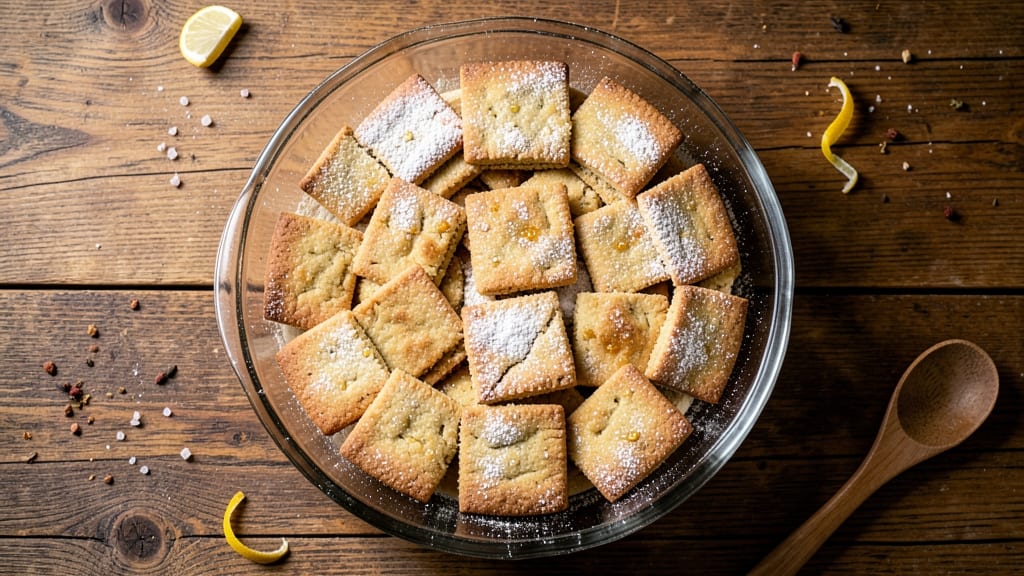
This Amish shortbread cookie recipe delivers the perfect balance of buttery crunch and vanilla sweetness that's become a beloved classic. The secret lies in a precise ratio of cold butter to flour, creating those signature tender yet sturdy cookies with clean edges.
I've perfected this technique over years of baking, ensuring every batch turns out just right.
The traditional Amish method emphasizes simplicity and quality ingredients, which is exactly what this recipe delivers. With just five basic ingredients and a straightforward mixing process, you'll achieve cookies that are rich, flavorful, and perfectly golden.
The key is using cold butter and avoiding overmixing to maintain that signature shortbread texture.
What makes these cookies truly special is their ability to stay fresh for days while maintaining their delicate crunch. The vanilla extract adds a subtle depth that complements the buttery richness perfectly. Baked at the right temperature, they develop that beautiful golden color while staying tender inside.
These cookies are perfect for holiday gatherings, special occasions, or simply satisfying your sweet tooth. The recipe yields about two dozen cookies, making them ideal for sharing or enjoying over several days. Let's get started on creating these timeless treats!
Ingredients for amish shortbread cookie
Five simple ingredients transform into timeless Amish shortbread cookies with perfect buttery crunch.
| Ingredient | Amount | Notes |
|---|---|---|
| Unsalted Butter 🧈 | 1 cup | Cold, cubed for best texture |
| All-Purpose Flour 🌾 | 2 ½ cups | Sifted for lightness |
| Granulated Sugar 🍚 | ¼ cup | Superfine preferred |
| Pure Vanilla Extract 🍯 | 1 tbsp | High-quality preferred |
| Kosher Salt 🧂 | ½ tsp | Diamond Crystal preferred |
The butter is non-negotiable here—European-style unsalted butter like Plugrá gives the best flavor and texture. Grab it from specialty stores or the international aisle at Whole Foods. Keep it cold until mixing—this is key for those signature tender yet sturdy cookies. The flour should be all-purpose, not self-rising, and sifted to avoid dense cookies. I always buy mine in bulk at WinCo—cheaper and fresher. For the sugar, superfine dissolves faster, but regular granulated works if you pulse it in a food processor.
No superfine sugar? Regular granulated works fine—just pulse it briefly in a food processor or blender. Short on vanilla? Almond extract at half the amount gives a nice twist. The salt is crucial—Diamond Crystal dissolves better than table salt. If you're using sea salt, reduce to 1/4 tsp since it's more concentrated. For a nutty variation, add 1/4 cup chopped walnuts to the dough. The dough should hold together when pressed but not be sticky—if it is, add 1 tbsp more flour.
Wrap the dough in plastic and chill for at least 1 hour—this prevents spreading. Store leftover dough in the fridge for up to 3 days or freeze for 3 months. Baked cookies stay fresh for 5-7 days in an airtight container. For extra crunch, store them in the freezer between layers of parchment paper—pull them out 10 minutes before serving. These cookies reheat beautifully—just 5 seconds in the microwave restores that buttery aroma.
Why You'll Love This Recipe
- Four-Ingredient Magic: The butter, sugar, and flour alone do the heavy lifting—no eggs, no weird add-ins, just pure, buttery goodness. Honestly, I’ve made cookies with twice as many ingredients that didn’t taste half as good.
- Buttery Bliss: That moment when you bite into one and the rich, creamy butter melts in your mouth? It’s like a warm hug for your taste buds. The vanilla ties it all together without overpowering—just a whisper of sweetness that makes every bite feel special.
- Holiday Hero: These cookies freeze like champs, so I bake a batch in December and pull them out all winter long. They’re the star at potlucks, the go-to gift for neighbors, and yes, even on a Tuesday night when you just need something comforting.
- Pantry Staple: You already have everything. No last-minute grocery runs, no fancy tools—just a bowl, a spoon, and 15 minutes. Between us, I’ve made these with store-brand butter and still got rave reviews. That’s the kind of recipe that doesn’t judge your ingredients.
Step-by-step instructions for Amish shortbread cookies
Here's the classic method that delivers melt-in-your-mouth texture and perfect crumb.
Cut the Cold Butter into the Dry Ingredients
Place the 1 cup unsalted butter (previously chilled and cubed) in a large mixing bowl. Using a pastry cutter or your fingers, work the butter into the 2.5 cups all-purpose flour until the mixture resembles coarse crumbs with pea-sized butter pieces remaining. This texture is crucial for achieving that signature Amish shortbread crunch.
I like to use my fingers for this step—it gives me better control over the butter distribution. Press the flour mixture through a fine-mesh sieve if you notice any large flour clumps. This ensures even baking and prevents dense pockets in your cookies.
Add Sugar, Vanilla, and Salt for Balanced Flavor
In a separate small bowl, whisk together the 0.25 cup granulated sugar, 1 tablespoon pure vanilla extract, and 0.5 teaspoon kosher salt. This pre-mix ensures even distribution of these flavor components throughout the dough. The sugar helps create a subtle caramelization during baking, while the salt enhances all the buttery flavors.
Gently fold this mixture into the butter-flour combination using a wooden spoon or rubber spatula. Mix just until the dry ingredients are evenly incorporated—overmixing develops gluten and can make your cookies tough. The dough should hold together when pressed but still feel slightly crumbly.
Form the Dough into a Log and Chill
Turn the dough out onto a lightly floured surface and gently press it into a rectangular log about 2 inches wide and 6 inches long. Wrap the dough tightly in plastic wrap and refrigerate for at least 1 hour (I prefer 2 hours for best results). This chilling step is essential—it firms up the butter and prevents the cookies from spreading too much in the oven.
During this time, preheat your oven to 325°F. The lower temperature allows for even baking without browning. I always use an oven thermometer to verify my oven's accuracy—home ovens can vary by 25°F or more from their set temperature.
Slice and Bake for Perfect Shortbread Texture
Remove the chilled dough from the refrigerator and unwrap it. Using a sharp knife, slice the log into ¼-inch thick rounds. Place them about 1 inch apart on ungreased baking sheets—they won't stick, but the space allows for even browning. For extra crunch, I like to press a fork lightly into the tops of each round before baking.
Bake for 12-15 minutes until the edges are just beginning to turn golden. The centers should remain very pale—shortbread cooks quickly and continues baking on the hot pan after removal. Rotate the baking sheets halfway through for even baking. Remove the cookies when they're still slightly soft to the touch—they'll firm up as they cool.
Cool Completely for Maximum Crunch
Transfer the cookies to a wire rack and let them cool completely on the rack. This cooling step is crucial—shortbread continues to set as it cools, developing that signature crunchy exterior and tender interior. If you can't wait, you'll find them still slightly soft and cakey rather than properly crisp.
Once completely cooled, store the cookies in an airtight container at room temperature for up to 1 week. They'll maintain their perfect texture and buttery flavor. For serving, I like to dust them lightly with powdered sugar just before eating—it enhances the vanilla notes and adds a touch of elegance.
Pro Tips For Making Amish Shortbread Cookie
- Chill the Dough Properly: After mixing, flatten the dough into a disk and wrap it tightly in plastic—then refrigerate for at least 2 hours, ideally overnight. I learned this the hard way when I rushed it and ended up with cookies that spread like pancakes instead of holding their shape. Cold butter is the secret to that signature crumbly texture.
- Use Cold Butter, Not Soft: Cut the unsalted butter into cubes and let it sit in the fridge while you measure the other ingredients—it should still be firm but not rock-hard. I was skeptical until I tried it: the cookies turn out richer and more tender when the butter stays cold during mixing.
- Skip the Overmixing: Once the flour, sugar, and salt are combined, add the vanilla and cut in the butter just until the mixture resembles coarse crumbs—no more. Overworking the dough develops gluten, and you’ll end up with chewy cookies instead of the melt-in-your-mouth shortbread you want.
- Press Dough Evenly: When shaping the dough into the pan, use a glass or the bottom of a measuring cup to press it down firmly and evenly—no gaps, no thin spots. Uneven pressing leads to uneven baking, and you’ll end up with some cookies underdone and others over-baked. (Yes, even if you’re impatient like me.)
Storing and reheating this recipe
Room Temperature Storage
These shortbread cookies stay fresh for 5-7 days when stored properly at room temperature. I use a ceramic cookie crock with a tight lid—I love the Le Creuset style—to keep them crisp and prevent moisture buildup.
If you don't have one, a glass airtight container with a paper towel between layers works perfectly. The paper towel absorbs any excess moisture that could make them soft. 🧈
Freezer Preservation
For longer storage, freeze your cookies in a single layer on a baking sheet for 1 hour before transferring them to a freezer-safe bag. This prevents them from sticking together. They'll keep their texture for up to 3 months in the freezer.
When ready to enjoy, simply thaw at room temperature for 15-20 minutes—no reheating needed. The cold storage actually enhances their crunch!
Reheating for Freshness
If your cookies lose some of their crunch after storage, don't worry—you can restore it with a quick reheat. Place them on a baking sheet and warm in a 350°F oven for 3-5 minutes until they're just firm to the touch.
For a faster method, use the microwave on 50% power for 5-8 seconds. This brings back that buttery aroma and slight crispness without making them rubbery. ✨
Dough Storage Tips
Leftover dough can be wrapped tightly in plastic and stored in the fridge for up to 3 days. For longer storage, freeze the dough log wrapped in plastic wrap plus an extra layer of foil.
When ready to bake, thaw in the fridge overnight and proceed with the recipe. The chilled dough bakes beautifully without any texture changes. This is perfect for holiday baking prep!
Preventing Soft Cookies
The biggest enemy of shortbread texture is moisture. Always store cookies in airtight containers with a paper towel to absorb any dampness. If you notice them softening, pop them back in the oven at 300°F for 2-3 minutes to restore their crunch.
I've learned this trick from Amish bakers—it's their secret to maintaining perfect texture for days. 💪
Nutrition facts
Frequently asked questions
Why do Amish shortbread cookies need cold butter?
The cold butter is essential for that signature crunchy-yet-tender texture. When cold, the butter creates steam during baking, which helps develop those clean edges and prevents spreading. If your butter is too soft, the cookies will flatten out and lose their signature shape. Always cube and chill the butter before mixing for best results.
Can I make these cookies without a pastry cutter?
Use your fingers to work the cold butter into the flour until you get pea-sized pieces. This gives you better control and creates that perfect crumbly texture. Just be patient—it takes about 2-3 minutes of pressing and rubbing to achieve the right consistency.
How do I prevent my shortbread cookies from spreading?
Proper chilling is the key! Always refrigerate the dough log for at least 1 hour before slicing. Additionally, bake at 325°F (not higher) and use a sharp knife for clean cuts. The lower temperature gives the butter time to set properly, keeping your cookies perfectly round.
What's the difference between this recipe and regular shortbread?
Amish shortbread typically has a slightly higher butter-to-flour ratio and uses vanilla extract for subtle depth. The dough is also chilled longer and baked at a lower temperature, creating that signature tender-yet-crisp texture. Regular shortbread often contains baking powder and may have a denser crumb.
Can I add nuts or chocolate to this recipe?
Yes, but with caution! For nuts, fold in 1/4 cup chopped walnuts with the dry ingredients. For chocolate, use 1/2 cup chocolate chips and reduce the sugar slightly. Keep the dough chilled longer if adding wet ingredients like melted chocolate to prevent spreading. The classic recipe shines on its own, but these variations work beautifully!