
Side Dishes
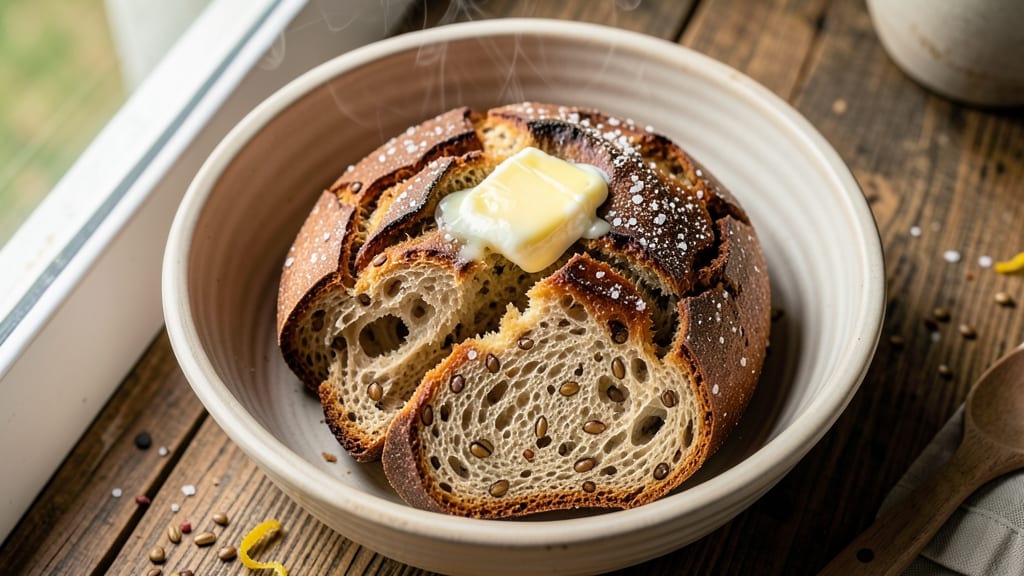
This einkorn bread recipe brings ancient grains into your kitchen with a rustic crust and chewy interior that modern wheat simply can’t match. The nutty flavor and dense texture make it perfect for sandwiches or toast—once you try it, you’ll never go back to regular bread.
I developed this recipe after years of experimenting with heritage flours, and the results are worth every step of the process.
The key to authentic einkorn bread lies in the dough’s slow fermentation, which deepens its flavor and improves digestibility. Unlike modern wheat, einkorn requires patience—let the dough rise for at least 8 hours (or overnight) for the best texture.
The recipe uses a simple sourdough starter, but if you’re new to fermentation, I’ll guide you through the process step by step.
What you’ll end up with is a loaf with a crisp, golden crust and a tender, slightly chewy crumb that’s packed with nutty richness. The aroma alone will fill your kitchen with warmth, and every slice will taste like a trip back to ancient baking traditions.
This bread pairs beautifully with soups, stews, or even as a base for gourmet sandwiches.
For extra flavor, consider adding seeds or herbs to the dough before baking—sunflower seeds or rosemary work wonderfully. The recipe is designed to be flexible, so feel free to experiment while keeping the core technique intact. Let’s get started on this journey back to ancient grains!
Ingredients for ancient grains einkorn bread
Gather these heritage grains and simple pantry staples for bread that tastes like history.
| Ingredient | Amount | Notes |
|---|---|---|
| Einkorn Flour 🌾 | 4 cups | 100% whole grain preferred |
| Active Dry Yeast 🍞 | ¼ oz | Or 2.25 tsp (1 packet) |
| Granulated Sugar 🍚 | 1 tbsp | Feeds the yeast |
| Warm Water 💧 | 1 ½ cups | 105-110°F for yeast activation |
| Unsalted Butter 🧈 | ½ cup | Cold, cubed for dough |
| Sea Salt 🧂 | 1 ½ tsp | Diamond Crystal preferred |
| Extra-Virgin Olive Oil 🫒 | 2 tbsp | For dough and crust |
| Honey 🍯 | 1 tbsp | For crust shine |
| Cornmeal 🌽 | ½ cup | For dusting baking sheet |
| Sunflower Seeds 🥜 | ¼ cup | Optional for texture |
| Rosemary Sprigs 🌿 | 4 whole | Optional for aroma |
| Ice Cubes ❄️ | 1 cup | For dough chilling |
Einkorn flour is the star—Bob's Red Mill or King Arthur Heritage Grains are my go-tos, but any 100% einkorn works. The seeds? Trader Joe's has great sunflower seeds at a good price, or grab them from the bulk bin. Rosemary? Fresh is ideal, but dried works too (use half the amount). The yeast needs to be fresh—if your packet's past its expiration, toss it. For the butter, Land O'Lakes unsalted melts beautifully, but any cold, cubed butter will do. The olive oil should be fruity and peppery—California Olive Ranch is my favorite for baking.
No einkorn flour? Spelt flour works in a pinch—just expect a slightly different texture. Short on seeds? Skip them or use sesame for a different crunch. The honey can be swapped for maple syrup, but it won't shine as much on the crust. Yeast too old? Active dry yeast from a bulk bin keeps better than packets. The cornmeal is just for dusting—any fine grain flour works, but it helps create that rustic crust. For the rosemary, if you're using dried, crush the sprigs slightly to release the oils. And if you're making this ahead, freeze the dough after the first rise—it keeps for up to 3 months.
This dough is a patient one—plan ahead. The first rise takes 8-12 hours, so set a timer or label it with the time. For the second rise, it should double in size (about 1-2 hours). The butter needs to stay cold, so if your kitchen's warm, chill the dough between ice cubes for 20 minutes before shaping. Baked loaves keep well wrapped at room temp for 3 days, or freeze for 3 months. The crust gets crunchier as it cools—slice when fully cooled for clean cuts. Leftovers? Toast them—trust me, it's even better the second time.
Why You'll Love This Recipe
- No-Knead Magic: This bread takes zero effort—just mix, let it rise, and bake. Honestly, I’ve made it while scrolling through my phone. The yeast and warm water do all the heavy lifting, so you’re free to do whatever else needs doing.
- Nutty, Earthy Crunch: That einkorn flour? It’s got a deep, almost hazelnut flavor that’s way more interesting than plain white bread. And when you add a pat of butter to the dough, the finished loaf has this irresistible chewy texture that’s hard to resist.
- Weeknight Hero: Between us, this is the bread I grab when I’m prepping lunches or need something hearty for dinner. Toast it for breakfast, use it for sandwiches, or even tear it into croutons—it’s that versatile. (Yes, even on a Tuesday night.)
- Budget-Friendly Staple: Einkorn flour might sound fancy, but a little goes a long way, and the rest of the ingredients? Basic pantry stuff. One batch feeds my family for days, and the leftovers stay fresh longer than store-bought loaves. My wallet and my taste buds thank me.
Step-by-step instructions for ancient grains einkorn bread
Here's how to transform einkorn flour into a rustic, nutty loaf with a crisp crust and chewy interior.
Activate the Yeast and Mix the Dough
In a large mixing bowl, combine the 4 cups einkorn flour, 1 tbsp granulated sugar, and 1.5 tsp sea salt. Make a well in the center and add the 0.25 oz active dry yeast. Pour in the 1.5 cups warm water (about 105-110°F) and stir gently until the yeast and sugar dissolve. Let this mixture sit for 5-10 minutes until it becomes frothy—this confirms your yeast is active.
Once bubbly, add the 0.5 cup cold cubed unsalted butter and 2 tbsp extra-virgin olive oil to the bowl. Mix with a wooden spoon until the butter begins to incorporate, then gradually add the flour mixture. Knead by hand for 8-10 minutes until the dough comes together and pulls away from the bowl. The dough should be slightly sticky but not wet—if it's too sticky, add 1-2 tablespoons more einkorn flour as needed. This kneading develops gluten for that perfect chewy texture.
First Rise and Add Optional Enhancements
Lightly oil a large bowl, place the dough inside, and cover with a damp kitchen towel. Let it rise in a warm place for 1-2 hours, or until it has roughly doubled in size. You'll know it's ready when the dough springs back slowly when poked with a finger—this elastic quality is key for a good oven spring.
While the dough rises, prepare your optional add-ins. Sprinkle the 0.25 cup sunflower seeds and 4 whole rosemary sprigs onto a clean surface. Once the dough has risen, gently fold these into the dough by hand, pressing lightly to distribute them evenly. This step adds texture and aroma, but the bread will still be delicious without them. For extra shine, brush the dough with 1 tbsp honey before shaping.
Shape and Cold Proof the Dough
Turn the dough onto a lightly floured surface and shape it into a round loaf by gently pulling the edges toward the center. Place it on a parchment-lined baking sheet dusted with 0.5 cup cornmeal—this prevents sticking and gives a rustic texture. Cover loosely with plastic wrap and refrigerate for at least 8 hours, or overnight. The cold proofing intensifies the flavors and makes the crust extra crisp.
Here's the thing—this long rest is worth it. The slow fermentation in the fridge develops deeper flavor and a better texture than a quick rise. If you're short on time, you can skip the overnight rest and let it proof in the fridge for 4 hours, but the flavor won't be as developed. The dough will be firmer and easier to handle after chilling, which makes shaping much simpler.
Bake for a Rustic Crust and Chewy Crumb
Preheat your oven to 375°F with a baking stone or inverted baking sheet inside—this creates steam for a better rise. Once preheated, place the dough on the hot stone or sheet and bake for 40-45 minutes. You'll know it's done when the crust is a deep golden brown and sounds hollow when tapped on the bottom. The internal temperature should reach 190-200°F—this ensures a fully baked interior.
For the last 5 minutes of baking, you can optionally brush the loaf with more honey or olive oil for extra shine. Let the bread cool on a wire rack for at least 1 hour before slicing—this prevents a gummy crumb. The crust should be crisp enough to stand up to a knife, while the interior remains tender and slightly chewy, with a nutty flavor from the einkorn flour.
Pro Tips For Making Ancient Grains Einkorn Bread
- STRETCH AND FOLD: Einkorn dough is stickier than wheat—don’t fight it. After the initial knead, wet your hands and stretch the dough gently in one direction before folding it over itself three times. This builds strength without overworking it, and those little folds? They’ll give you a better crumb later.
- WEIGH YOUR FLOUR: Einkorn flour packs differently than all-purpose. Scooping leads to inconsistent batches. Use a kitchen scale and measure by weight (100g = ~1 cup, but not always). I learned this the hard way when my first loaf turned out dense—turns out, I’d packed it too tight.
- LET THE YEAST BLOAT: Skip the instant yeast shortcut. For einkorn, dissolve the active dry yeast in warm water with sugar first, then wait 10 full minutes until it’s foamy and lively. Cold water slows it down, and einkorn’s lower gluten needs that extra time to wake up properly.
- BUTTER THE PAN LAST: Grease your baking dish right before adding the shaped dough. The butter melts into the hot pan, creating a crisp bottom and sides. If you do it earlier, the butter pools at the edges instead of coating evenly—your bread will stick no matter how well you flour your hands.
Serving suggestions for this recipe
Classic Sandwich Base
This einkorn bread is a game-changer for sandwiches—its nutty flavor and chewy texture hold up perfectly to hearty fillings. Try it with prosciutto and fig jam for a sweet-savory combo, or layer roasted turkey, cranberry sauce, and brie for a holiday favorite.
The dense crumb prevents sogginess, so it’s ideal for cold cuts and creamy cheeses. For extra flair, brush warm slices with garlic-infused olive oil before assembling. 🥪
Soup and Stew Companion
Pair your einkorn loaf with rich soups like lentil or wild mushroom to create a rustic meal. The bread’s hearty texture soaks up broth beautifully, and its nutty notes complement earthy flavors.
For stews, serve warm slices alongside beef bourguignon or white bean cassoulet—the crust stays crisp while the interior softens slightly. A drizzle of balsamic glaze adds a tangy contrast that elevates the whole dish.
Breakfast Toast Perfection
Toasted einkorn bread becomes a canvas for breakfast creativity. Spread with herbed goat cheese and sliced peaches, or top with avocado mash, chili flakes, and a poached egg. The bread’s natural sweetness balances savory toppings, and its dense structure holds up to runny yolks.
For a sweet twist, warm slices and drizzle with honey and crushed pistachios—it’s like a gourmet version of French toast without the batter. ☕
Dinner Rolls Upgrade
Slice your einkorn loaf into thick rounds and serve as artisanal dinner rolls alongside roasted meats. The nutty flavor pairs wonderfully with herb-roasted chicken or beef tenderloin. For a vegetarian spread, arrange the rolls around a mushroom and truffle risotto with a side of roasted asparagus.
Brush warm rolls with garlic butter before serving to add a rich, savory note that ties the whole meal together.
Cheese Board Star
Use einkorn bread as the foundation for an elevated cheese board. Its sturdy texture holds up to soft cheeses like brie or camembert, while the nutty flavor complements sharp cheddars and creamy goat cheese. Pair with cured meats, dried fruits, and honeycomb for a balanced spread.
For a festive touch, toast slices lightly and arrange them in a circle with cheeses at the center—it’s both practical and visually stunning. 🧀
Meal Prep Friendly
Einkorn bread reheats beautifully, making it perfect for meal prep. Wrap slices in a damp paper towel and warm in a 350°F oven for 5-7 minutes to restore crispness.
Pack toasted slices with hummus and sliced veggies for lunch, or use as a base for grain bowls with roasted vegetables and tahini dressing. The bread’s texture holds up well even after reheating, so it’s a great way to add substance to quick meals without sacrificing flavor. 📅
Nutrition facts
Frequently asked questions
Why does einkorn bread have a different texture than regular bread?
Einkorn flour contains less gluten than modern wheat, which gives it a denser, chewier crumb and a more rustic crust. The lower protein content means it won't rise as tall as traditional bread, but this creates a satisfying heartiness perfect for sandwiches. The nutty flavor also comes from the ancient grain's unique composition—think of it as a cross between whole wheat and rye.
Can I make this bread without a sourdough starter?
Yes! This recipe uses active dry yeast, so no starter is needed. The long cold proof (8+ hours) still develops deep flavor through slow fermentation. For even better results, try a 24-hour cold rise—it enhances the nutty taste and improves texture without requiring a starter. The yeast activates the dough quickly, while the fridge does the heavy lifting for flavor development.
How do I know when the dough is fully risen?
Gently press your finger into the dough—if it springs back slowly (like Jell-O), it's ready. For einkorn, the dough should roughly double in size during the first rise (1-2 hours). After cold proofing, it may not double again, but it should feel firm and springy. The cold rise actually reduces volume but intensifies flavor, so don't worry if it doesn't puff up dramatically.
What if my einkorn bread turns out too dense?
Density is normal for einkorn, but you can adjust by ensuring proper kneading (8-10 minutes) and not overhandling the dough. If it's extremely heavy, check your yeast—old yeast won't activate properly. Also, make sure your oven is fully preheated with a baking stone for even heat distribution. For a lighter texture, try adding 1 tbsp vital wheat gluten to the flour, but expect a slightly different flavor profile.
Can I substitute other ancient grains like spelt or kamut?
Spelt works beautifully (use a 1:1 ratio) and has a similar nutty flavor. Kamut requires a slightly higher hydration (add 1-2 tbsp more water) since it absorbs moisture differently. For best results, stick to 100% ancient grain flour—mixing with modern wheat can dilute the authentic taste. Each grain has unique properties, so experiment to find your favorite texture.