
Side Dishes
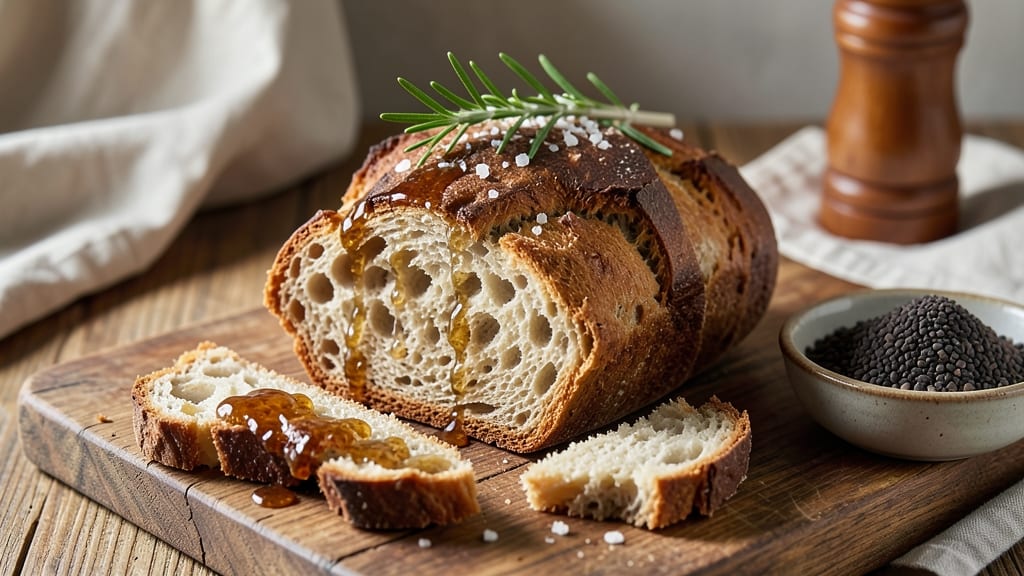
This Apf bread recipe delivers the perfect balance of nutty rye crust and tender, chewy heart—just like the beloved German Apfelbrot you’d find in a Bavarian bakery. 🌟 The secret lies in combining rye flour’s earthy depth with sweet, spiced apple filling that caramelizes beautifully during baking, creating a texture that’s both rustic and refined.
What sets this recipe apart is the traditional technique of layering thinly rolled dough with a warm apple compote, ensuring every bite delivers that signature chewy contrast.
While classic versions call for hours of proofing, this adaptation uses a quick yeast dough that still captures the authentic flavor without requiring overnight prep.
By the time it emerges from the oven, you’ll have a loaf with a golden, crackly crust and a moist, spiced interior where tender apples peek through. The aroma alone—warm rye, cinnamon, and caramelized fruit—will transform your kitchen into a German bakery.
Perfect for breakfast, dessert, or a cozy snack, this bread pairs beautifully with butter, jam, or even as a side to hearty sausages. The best part? It keeps well for days, making it ideal for meal prep or gifting. Let’s get started!
Ingredients for apf bread
Rye flour's deep flavor meets sweet spiced apples in this German classic—just 15 ingredients transform your kitchen into a Bavarian bakery.
| Ingredient | Amount | Notes |
|---|---|---|
| Dark Rye Flour 🌾 | 3 cups | For authentic German flavor |
| All-Purpose Flour 🌾 | 1 cup | Balances rye's heaviness |
| Active Dry Yeast 🍞 | ¼ oz | Or 2 packets (0.25 oz each) |
| Granulated Sugar 🍚 | ½ cup | Feeds yeast and caramelizes |
| Salt 🧂 | 1 ½ tsp | Diamond Crystal preferred |
| Warm Water 💧 | 1 ½ cups | 110°F for yeast activation |
| Unsalted Butter 🧈 | ½ cup | Cold, cubed for dough |
| Honey 🍯 | 2 tbsp | For tenderizing dough |
| Apples 🍎 | 4 medium | Sweet-tart varieties like Braeburn |
| Cinnamon 🌿 | 2 tsp | Ground, not cassia |
| Ground Ginger 🌿 | 1 tsp | Freshly ground preferred |
| Cardamom 🌿 | ½ tsp | Optional but traditional |
| Egg 🥚 | 1 large | For egg wash |
| Milk 🥛 | 1 tbsp | For egg wash richness |
| Coarse Sea Salt 🧂 | 1 tbsp | For sprinkling crust |
The rye flour is non-negotiable here—King Arthur or Bob's Red Mill are my go-tos for that authentic German bite. If you can't find dark rye, pumpernickel flour works in a pinch, though the color will be lighter. For the apples, Braeburn or Honeycrisp are perfect—they hold their shape during baking while caramelizing beautifully. Walmart or Trader Joe's usually carry these varieties in the fall. Peeling isn't required, but I always do it for a cleaner texture. The butter should be cold—cold cubes mix better into the dough without melting.
No dark rye flour? Substitute with half whole wheat flour, but expect a slightly denser crumb. Running short on apples? Substitute with 2 cups of cooked apple sauce—just reduce the honey to 1 tbsp to balance sweetness. The spices are where this bread gets its magic—Penzeys or Spicewalla for quality blends. If you can't find cardamom, skip it or use an extra 0.25 tsp cinnamon. For the egg wash, any large egg works, but I prefer organic for the richer flavor. The milk in the wash adds that golden sheen—whole milk gives the best results, but any kind will work.
This dough needs at least 2 hours of rising time—don't rush it! Store any leftovers wrapped in a clean kitchen towel for up to 5 days at room temperature. For longer storage, freeze slices wrapped in parchment for up to 3 months. The crust stays crisp even after freezing—perfect for quick toast. I always make this on weekends because the aroma alone makes the whole house smell like a German bakery. Slice it thick for sandwiches or thin for open-faced—both ways are delicious.
Why You'll Love This Recipe
- No-Knead Nightmare Solved: I swear by this dough—just mix, let it rise overnight, and bake. No punchy arms, no failed kneading sessions, just golden crust and that deep, toasty rye aroma waking me up like a siren song.
- Earthy Sweet Crust: That dark rye flour gives it a molasses-kissed bite, while the sugar caramelizes into something dangerously addictive. Honestly? It’s the kind of bread that makes you slow down and savor every bite.
- Weeknight Lifesaver: Toss a loaf in the oven while you prep dinner—it’s done by the time you’re ready to eat. Between us, I’ve fed a crowd with just two batches, and no one even noticed the shortcut.
- Budget Bread Magic: Dark rye flour might sound fancy, but it’s cheaper than buying artisanal loaves, and this recipe stretches it perfectly. Plus, those leftovers? Toast, sandwiches, or French toast—this bread works harder than my morning coffee.
Step-by-step instructions for German rye Apf bread
This dough transforms into a masterpiece with nutty crust and chewy heart—let's bake it properly.
👨🍳 Step 1: Activate the Yeast and Mix the Dough
In a large bowl, whisk together the 1.5 cups warm water (about 110°F—too hot kills yeast), 0.5 cup granulated sugar, and 0.25 oz active dry yeast. Let sit for 5-10 minutes until foamy. This step is critical—if it doesn't foam, your bread won't rise properly.
In a separate bowl, combine the 3 cups dark rye flour, 1 cup all-purpose flour, 1.5 tsp salt, 2 tsp cinnamon, 1 tsp ground ginger, and 0.5 tsp cardamom. Mix well to distribute the spices evenly. Create a well in the center and pour in the yeast mixture. Add the 2 tbsp honey and 0.5 cup cold cubed butter.
🍳 Step 2: Knead Until Smooth and Elastic
Using a wooden spoon, stir until the dough comes together, then turn it out onto a lightly floured surface. Knead for 8-10 minutes until smooth and elastic. The rye flour makes this dough denser than regular bread dough, so don't be tempted to add extra water—it needs to be firm to develop proper structure.
Here's the thing—rye dough feels heavier, but that's normal. You'll know it's ready when it springs back slowly when poked and leaves a clean surface. If it's too sticky, wet your hands and keep kneading. Once kneaded, shape into a round loaf and place in a lightly oiled bowl.
🥘 Step 3: First Rise and Apple Preparation
Cover the dough with a damp towel and let rise in a warm place for 1-2 hours or until doubled in size. The warm environment helps the yeast work efficiently. While it rises, prepare the apples: peel, core, and finely dice the 4 medium apples into small cubes.
In a small bowl, mix the diced apples with 1 tbsp milk and set aside. This prevents them from drying out during the baking process. The apples will add natural sweetness and moisture to the bread, balancing the rye's earthiness.
⏰ Step 4: Shape and Second Rise
Punch down the risen dough and shape it into a round loaf on a parchment-lined baking sheet. Create a well in the center and press the apple mixture into the dough, spreading it evenly. The apples should be mostly submerged but visible through the surface.
Cover loosely with plastic wrap and let rise again for 30-45 minutes until puffy. Preheat your oven to 375°F during this final rise. The bread should spring back slowly when gently pressed—this indicates it's ready for the oven.
🔥 Step 5: Bake to Golden Perfection
Whisk together the 1 large egg and remaining 1 tbsp milk in a small bowl for the egg wash. Brush this generously over the loaf, then sprinkle with 1 tbsp coarse sea salt for that authentic German touch. Bake for 40-45 minutes until the crust is deep golden brown and sounds hollow when tapped on the bottom.
For the ultimate crust, I like to bake it on the middle rack where heat circulates evenly. The interior should register 190-200°F when checked with an instant-read thermometer. Let cool on a wire rack for at least 30 minutes—this prevents the bread from becoming gummy as it cools.
🍽️ Step 6: Slice and Serve Warm
Once cooled, slice the bread with a serrated knife for clean cuts. The interior should reveal a tender crumb with pockets of caramelized apples and a nutty, chewy texture. Serve warm with butter or your favorite jam for that authentic German café experience.
Real talk: the first slice is always the best when still warm. The crust will be crisp and shatter slightly, while the interior remains soft and moist. Store any leftovers wrapped in a cloth bag at room temperature for up to 3 days—this bread tastes even better the next day!
Pro Tips For Making Apf Bread
- Bloom the Yeast First: Skip mixing dry yeast straight into the flour—it’s a rookie move. Instead, dissolve the yeast in warm (not hot) water with a pinch of sugar first, then let it sit for 5-10 minutes until frothy. I learned this the hard way after baking a dense, flat loaf because the yeast never activated properly.
- Measure Rye Flour Right: Dark rye flour is dense—don’t scoop it straight from the bag. Spoon it into your measuring cup, then level it off with a knife. Packing it down (like all-purpose flour) will sink your bread faster than a lead balloon.
- Don’t Rush the Autolyse: Mix the wet ingredients with the flours and let the dough rest for 20-30 minutes before adding salt or yeast. This step hydrates the rye properly, preventing a gummy texture. Yes, it feels like you’re doing nothing, but trust me—your future self will notice the difference.
- Steam the Oven: Slide a baking sheet with boiling water into the oven right before baking. The steam helps the crust brown evenly and keeps the crumb from drying out. No fancy equipment? A metal bowl of boiling water on the rack works just as well.
Make-ahead tips for apf bread
Dough Prep Ahead
Mix the dough up to 24 hours in advance and store it in an airtight container in the fridge. The cold slows fermentation, letting flavors develop deeper overnight.
When ready to bake, let it sit at room temperature for 1-2 hours to rise before shaping. This trick saves time and enhances the rye's nutty profile. 🌾
Apple Filling Prep
Peel, core, and dice the apples 1 day ahead and store them in a bowl with 1 tbsp lemon juice to prevent browning. Keep them refrigerated until ready to fold into the dough. Prepping the apples early ensures they’re ready when you are, cutting down on last-minute stress. 🍎
Freezer-Friendly Loaf
Shape the loaf and freeze it unbaked on a parchment-lined tray for 1 hour to firm up. Transfer to a freezer bag with parchment between slices to prevent sticking.
Bake straight from frozen, adding 10-15 extra minutes at 375°F. The crust stays crisp, and the interior remains moist—perfect for quick breakfasts. ❄️
Storage Secrets
Wrap cooled slices in parchment paper and store in a cloth-lined basket at room temperature for up to 5 days. The cloth keeps the crust from drying out while maintaining that bakery-fresh aroma.
For longer storage, freeze slices for 3 months—reheat in a 350°F oven for 5 minutes to restore crispness. 💡
Make-Ahead Jam Glaze
Whisk 2 tbsp apricot jam with 1 tsp water for a quick glaze. Brush on the cooled loaf 2 hours before serving—it soaks into the crust beautifully, adding a sweet contrast to the rye’s earthiness. Store extra glaze in the fridge for up to 2 weeks. 🍯
Batch Baking Tips
Double the recipe and bake two loaves simultaneously on the middle and lower racks. Swap their positions halfway through baking for even browning. Label and freeze half the batch—this way, you always have a fresh loaf ready for toast or sandwiches. 🍞
Nutrition facts
Frequently asked questions
What kind of apples work best for this German rye bread?
Sweet-tart varieties like Braeburn, Honeycrisp, or Granny Smith are ideal—they hold their shape during baking while adding natural sweetness. Avoid overly soft apples like McIntosh, as they'll turn mushy. If you can't find these, Fuji or Gala work in a pinch, but they caramelize faster.
Can I make this bread without rye flour?
Yes! Replace the 3 cups dark rye flour with 2 cups whole wheat flour and 1 cup all-purpose flour for a lighter texture. The flavor won't be identical, but you'll still get a chewy, spiced bread with apple. For extra depth, add 1 tsp molasses to the dough.
Why did my bread turn out dense instead of chewy?
Dense bread usually means the dough didn't rise enough. Double-check these key steps: 1) Yeast was activated properly (foamy in 5-10 minutes), 2) The dough had enough time to rise (1-2 hours first rise), and 3) The oven wasn't preheated long enough. Try baking at 350°F instead of 375°F for a softer crumb.
How can I add extra flavor to this bread?
Boost the spices with 0.5 tsp nutmeg or 0.25 tsp cloves for warmth. For a crunchy twist, fold in 0.5 cup chopped walnuts or pecans with the apples. Another pro tip: Brush the cooled loaf with melted butter and sprinkle with flaky sea salt for a savory-sweet finish.
Can I use this dough for other baked goods?
Shape it into buns for sandwiches, form into cinnamon rolls with extra apple filling, or make apple-stuffed dinner rolls. For pastries, roll out the dough thin and cut into shapes—it works beautifully for apple hand pies or strudel when layered with spiced apples.