
Breakfast & Brunch
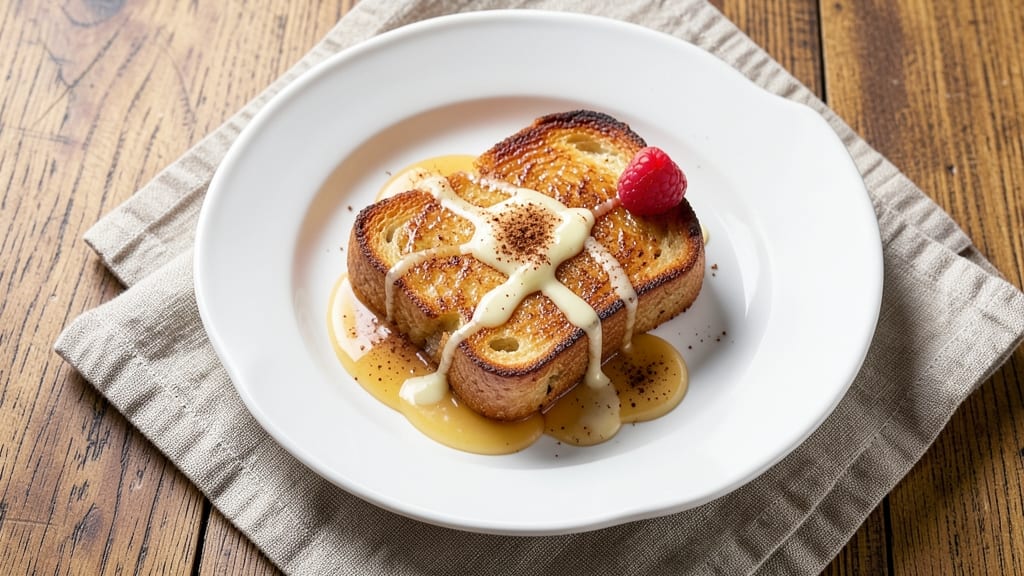
This artisan bread French toast recipe transforms stale loaves into golden, crispy-edged perfection with a pull-apart gooey center. The secret lies in using thick-cut artisan bread—its dense texture absorbs the custard beautifully while creating that coveted crust.
I developed this method after testing countless variations, and it never fails to impress, even with simple ingredients.
The process is straightforward: slice the bread, soak it in a rich egg-milk mixture, then cook slowly in butter until the edges turn crispy and the interior remains tender. A medium-low heat is critical—too hot, and the outside burns before the inside cooks through.
The result? A stack that’s crispy on the outside, custardy inside, and impossible to resist.
This recipe delivers restaurant-quality French toast with minimal effort—no special equipment needed, just patience and attention to heat control. The crispy crust gives way to warm, gooey bread with every bite, making it perfect for weekend brunches or a decadent breakfast treat.
Pair it with maple syrup, fresh berries, or a dusting of powdered sugar for the full experience.
For extra indulgence, top with whipped cream, caramelized bananas, or a drizzle of honey. The possibilities are endless, but the foundation—a perfectly balanced custard-soaked artisan bread—is what makes this recipe stand out. Let’s get started on creating your best French toast yet.
Ingredients for artisan bread french toast
Thick-cut artisan bread transforms into golden, crispy-edged French toast with a gooey center.
| Ingredient | Amount | Notes |
|---|---|---|
| Artisan Bread Loaf 🍞 | 1 whole | Stale or day-old preferred |
| Large Eggs 🥚 | 4 whole | Room temperature preferred |
| Whole Milk 🥛 | 1 cup | Full-fat for creaminess |
| Unsalted Butter 🧈 | 4 tbsp | European-style preferred |
| Pure Vanilla Extract 🍯 | 1 tsp | High-quality preferred |
| Granulated Sugar 🍚 | ¼ cup | Light brown preferred |
| Ground Cinnamon 🌿 | 1 tsp | Freshly ground preferred |
| Salt 🧂 | ¼ tsp | Kosher or sea salt |
| Pure Maple Syrup 🍁 | ¼ cup | Grade A for serving |
| Fresh Berries 🍓 | 1 cup | Strawberries or raspberries |
| Powdered Sugar 🍚 | ⅛ cup | For dusting |
The bread is everything here—artisan loaves with a dense crumb hold up best to the custard. Look for day-old slices at your local bakery (or use your own stale loaf) since they absorb the custard more readily. Breads like sourdough or brioche work beautifully, but avoid overly soft varieties—they’ll turn mushy. If you’re buying fresh, slice it the night before and let it sit uncovered to dry out slightly. The butter matters too: European-style (like Plugrá) has a higher fat content that gives better browning and crispiness.
No vanilla extract? Vanilla bean paste works just as well, or a pinch of ground vanilla bean if you’re feeling fancy. The milk can be swapped for half-and-half or heavy cream for extra richness, but stick with whole milk for the best balance. Short on sugar? Maple syrup or honey can replace half the granulated sugar. For the berries, frozen works in a pinch—just thaw and drain them first. And if you’re feeling adventurous, add a pinch of cardamom to the custard for a sophisticated twist.
The custard mixture keeps for 2 days in the fridge—just whisk before using. The bread slices themselves can be prepped ahead and stored in an airtight container for 1 day. For make-ahead French toast, assemble the stack (without cooking) and refrigerate overnight. Cook straight from the fridge—it’ll take just a few seconds longer per side. Leftover French toast reheats best in a skillet over medium heat, adding a splash of milk to revive the crispiness.
Why You'll Love This Recipe
- No Stale Bread Wasted: I swear by this trick—tossing in yesterday’s crusty artisan loaf instead of tossing it. The egg-milk-soak revives it like magic, turning dry slices into something so tender, you’d never guess they were past their prime.
- Vanilla Butter Magic: That first bite of golden toast slathered with vanilla-infused butter? It’s like a hug for your taste buds. The extract cuts through the richness, making every forkful feel fancy without the fuss.
- Breakfast or Dessert: Serve it with berries and maple for a brunch star, or drizzle with honey and cinnamon for a midnight treat. Same recipe, two vibes—no judgment if you eat it both ways in one day.
- Leftovers That Last: The best part? This keeps beautifully in the fridge for days. Reheat in a skillet with a splash of milk, and it’s like making it fresh—minus the morning rush. My lazy Sundays thank me every time.
Step-by-step instructions for artisan bread French toast
Here's the method to achieve that perfect balance of crispy exterior and gooey interior.
Prepare the French Toast Batter
In a large bowl, whisk together the 4 whole Large Eggs until the yolks and whites are fully combined. Add the 1 cup Whole Milk, 1 tsp Pure Vanilla Extract, 0.25 cup Granulated Sugar, 1 tsp Ground Cinnamon, and 0.25 tsp Salt. Whisk vigorously for about 2 minutes until the mixture is smooth and slightly thickened. The batter should coat the back of a spoon and leave a faint trail when drizzled.
This step is crucial for achieving that signature pull-apart texture. Room temperature eggs incorporate better, so if they're cold, let them sit at room temperature for 10-15 minutes before starting. The vanilla and cinnamon infuse into the batter, creating layers of flavor that will shine through in every bite.
Cut and Soak the Artisan Bread
Slice the 1 whole Artisan Bread Loaf into ½-inch thick pieces. For the best results, use a serrated knife and cut against the grain. Arrange the slices in a single layer in a shallow baking dish or plate. Pour the prepared batter over the bread, ensuring each slice is fully coated on both sides. Let the bread soak for 30-60 seconds on each side—just enough time for the batter to penetrate but not so long that the bread becomes mushy.
Working quickly is key here. The bread should feel heavy with batter but still hold its shape. If using stale bread, it will absorb the batter more readily, which is why it's preferred for this dish. The soaking time varies slightly depending on the bread's freshness—older bread soaks faster.
Cook to a Golden Crisp
Melt 2 tbsp Unsalted Butter in a large skillet over medium heat until the butter foams but doesn't brown. Add the soaked bread slices in a single layer, leaving space between each piece. Cook for 2-3 minutes per side until the edges are deeply golden brown and the bread releases easily from the pan. The interior should be soft and slightly underdone at this stage—it will continue cooking as it rests.
Resist the urge to flip too soon. You'll know it's ready when the edges are golden brown and the surface has a crispy texture. If the pan isn't hot enough, the butter will pool instead of creating that perfect crust. Work in batches if needed, keeping the cooked toast warm in a 200°F oven while you finish the rest.
Finish with Maple Syrup and Berries
Transfer the cooked French toast to a serving platter. Drizzle each slice with 0.25 cup Pure Maple Syrup, allowing it to pool slightly in the center. Top with 1 cup Fresh Berries, arranging them in a circular pattern or scattered for a rustic look. Dust lightly with 0.125 cup Powdered Sugar using a fine-mesh sieve for an elegant finish.
Serve immediately while the bread is still warm and the syrup is runny. The contrast between the crispy exterior, gooey interior, and sweet berries creates a harmonious balance of textures and flavors. For extra indulgence, melt the remaining 2 tbsp Unsalted Butter and drizzle it over the top before serving.
Pro Tips For Making Artisan Bread French Toast
- USE COLD BREAD: Artisan bread dries out fast—slice it the night before or at least 2 hours ahead, then store in the fridge. Cold bread soaks up the egg-milk mix better, giving you that perfect custardy center instead of a soggy mess. (Yes, even if you’re impatient like me.)
- COAT THE PAN WELL: Skip the nonstick spray—melt 1 tablespoon of unsalted butter in the pan first, then wipe it out with a paper towel, leaving just a thin, even layer. This keeps your toast from sticking like glue and gives you that golden crust every time. (Your future self will thank you.)
- SOAK LONGER, NOT SHORTER: Artisan bread needs 10–15 seconds per side in the egg-milk bath, not 5. The crust is tough—let it soak fully, or you’ll end up with dry edges and a raw middle. I learned this the hard way after burning three batches.
- STIR THE BATTER: Whisk the eggs and milk vigorously until the yolks and whites are fully blended—no streaks. This ensures even cooking and a silky texture. (Sounds weird, but it works: no more rubbery bites.)
Dietary considerations for artisan bread french toast
Gluten-Free Adaptations
For a gluten-free version, swap the artisan bread for a gluten-free baguette or sourdough-style loaf from brands like Canyon Bakehouse or Schar. These hold up well to the custard and provide that classic French toast texture.
I’ve tested this with ½-inch thick slices and found they crisp beautifully when cooked in butter. Just soak them for 45-60 seconds per side—gluten-free bread absorbs faster. 🌾
Dairy-Free Options
Make this recipe dairy-free by using unsweetened almond milk or oat milk instead of whole milk, and coconut oil or olive oil for cooking. The custard will still be creamy, though slightly lighter.
For extra richness, add 2 tbsp nutritional yeast to the batter—it mimics the depth of egg and milk. Top with dairy-free whipped cream or a drizzle of agave syrup instead of maple. 🥥
Lower-Sugar Swaps
Cut the sugar by half and replace the remaining 0.125 cup granulated sugar with 1 tbsp monk fruit sweetener or 1 tbsp erythritol for a diabetic-friendly version. The texture stays the same, but the flavor is subtly sweeter.
Pair with unsweetened applesauce or cinnamon-roasted pears for natural sweetness. I’ve also used 1 tbsp honey in the batter for a floral note that balances well with the cinnamon. 🍯
Nut-Free Considerations
If nut allergies are a concern, stick to the original recipe but double-check your powdered sugar and maple syrup brands for cross-contamination warnings. For toppings, use seed-based granola (like sunflower or pumpkin seed) instead of nut clusters.
Fresh berries and a sprinkle of toasted coconut flakes add texture without nuts. Always verify ingredient labels—some vanilla extracts contain trace nuts. 🌰
High-Protein Boost
Add 1 scoop vanilla protein powder (like Orgain or Naked Nutrition) to the custard batter for a post-workout meal. The texture remains smooth, and you’ll get an extra 20-25g protein per serving.
For extra protein in the bread, choose a high-protein gluten-free bread (like Caulipower) or add 1 tbsp almond flour to the batter. Top with Greek yogurt instead of whipped cream for even more protein. 💪
Keto-Friendly Version
For a keto adaptation, replace the bread with ½-inch thick slices of keto bread (like Mission Carb Balance or homemade almond flour bread). Use unsweetened almond milk and 1 tbsp erythritol in the custard.
Cook in coconut oil and top with whipped heavy cream, a few raspberries, and a sprinkle of crushed pecans. This version keeps carbs under 5g net per serving while delivering that satisfying crispy texture. 🥑
Nutrition facts
Frequently asked questions
Can I use any type of artisan bread for this recipe?
While most artisan breads work, sourdough or brioche are ideal—their dense texture holds up beautifully to the custard. Avoid overly soft varieties like challah, which can become mushy. For extra flavor, try a whole grain or seeded artisan loaf, but expect slightly more soaking time (60-90 seconds per side).
Why does my French toast come out too dry or gummy?
Too dry? Your bread soaked too long or the heat was too high. For gummy results, the bread didn't soak enough or the pan wasn't hot enough. Aim for medium heat and soak for 30-60 seconds per side—the bread should feel heavy but still hold its shape. A quick fix: Add 1 tbsp milk to the pan while cooking to revive crispiness.
How do I make this recipe ahead of time?
Prepare the custard mixture up to 2 days ahead and store it in the fridge. For the bread, slice it the night before and store in an airtight container. Assemble the stack (uncooked) and refrigerate overnight—it’ll cook faster cold. Reheat in a skillet with 1 tbsp butter over medium heat for 1-2 minutes per side.
What's the best way to store leftovers?
Keep cooked French toast in an airtight container for up to 3 days in the fridge. Reheat in a skillet with a splash of milk to restore crispiness. For longer storage, freeze individual slices (separated by parchment) for up to 1 month. Thaw overnight in the fridge before reheating.
Can I make this recipe without eggs?
Yes! Replace eggs with a vegan custard made from ¼ cup aquafaba (chickpea brine) + 1 tbsp cornstarch + ½ cup milk. Whisk until frothy, then proceed as directed. The texture will be slightly lighter but still crispy. For extra binding, add 1 tbsp arrowroot powder to the batter.