
Side Dishes
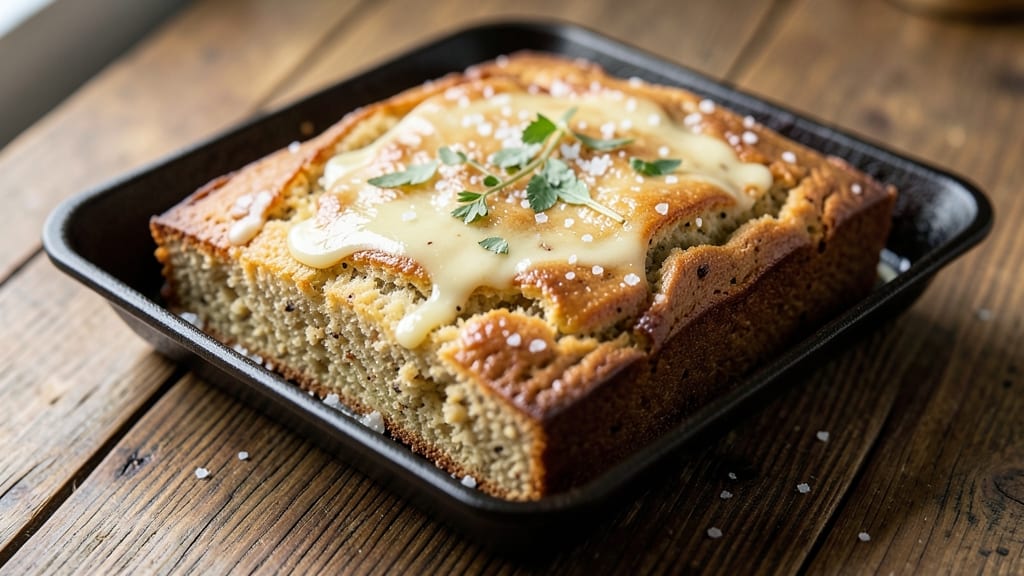
Aunt Jemima white cornmeal cornbread delivers that perfect balance of tender crumb and golden crust that makes every Southern meal feel complete. The secret lies in blending fine cornmeal with just the right amount of buttermilk and butter—creating a texture that's crispy on the outside yet moist inside.
I've perfected this recipe over years of weekend dinners, where it disappears faster than the mashed potatoes beside it.
What sets this cornbread apart is the way the cornmeal's natural sweetness shines through without overpowering the buttery richness.
The recipe uses a simple combination of flour, sugar, and baking powder to create that classic crumb structure, while a touch of honey in the batter adds depth that makes every bite more satisfying.
The key is baking it just until the edges turn golden—no longer, or you'll lose that tender interior.
Once out of the oven, the cornbread develops that irresistible buttery aroma that fills your kitchen. The crust stays crisp for days, perfect for dipping in gravy or honey, while the crumb remains moist enough to soak up any sauce you pour on it.
This is the kind of cornbread that turns casual meals into memorable gatherings, where everyone reaches for seconds without hesitation.
For those who love a little kick, jalapeños can be folded into the batter, while a sprinkle of flaky salt on top adds an extra layer of flavor.
The recipe scales perfectly for crowds, making it ideal for holidays or family dinners when you need a side that's both impressive and comforting. Let's get started on making this classic Southern staple your new favorite.
Ingredients for aunt jemima white cornmeal cornbread
Simple pantry staples that transform into Southern comfort in one pan.
| Ingredient | Amount | Notes |
|---|---|---|
| Aunt Jemima White Cornmeal 🌽 | 2 cups | Fine grind for best texture |
| All-Purpose Flour 🌾 | 1 cup | White flour preferred |
| Granulated Sugar 🍚 | ¼ cup | Light brown sugar works too |
| Baking Powder 🧂 | 1 ½ tsp | Metal container preferred |
| Salt 🧂 | 1 tsp | Diamond Crystal preferred |
| Unsalted Butter 🧈 | ½ cup | Room temperature, cubed |
| Buttermilk 🥛 | 1 ¼ cups | Homemade or store-bought |
| Large Eggs 🥚 | 2 whole | Room temperature preferred |
| Pure Honey 🍯 | ¼ cup | Wildflower or clover |
| Jalapeño Peppers 🌶️ | 1 whole | Seeds removed, optional |
| Flaky Sea Salt 🧂 | 1 tbsp | For topping, optional |
The cornmeal makes all the difference here—Aunt Jemima's fine grind gives that perfect crumb. Bob's Red Mill or King Arthur work too if you prefer organic. Don't skimp on the butter; it's what makes the crust golden and crisp. I always use Land O'Lakes unsalted because it melts beautifully. The buttermilk can be homemade (just mix milk and vinegar), but store-bought works fine too. For the honey, local varieties add extra depth, but any pure honey will do—just avoid the imitation stuff.
No buttermilk? Mix 1 cup milk with 1 tbsp vinegar or lemon juice and let sit for 5 minutes. Short on cornmeal? Substitute half with all-purpose flour, but the texture won't be quite the same. Want to skip the jalapeños? Add a pinch of cayenne or smoked paprika for a milder kick. The baking powder is crucial—check the expiration date to ensure it's still active. If you're making this ahead, store the dry ingredients separately until ready to mix, so the batter doesn't get too thick.
This cornbread stays fresh for 3 days wrapped in foil at room temperature, but it's best eaten within 2 days for maximum crispiness. For longer storage, freeze the baked loaf—up to 3 months. Reheat in a 350°F oven for 10 minutes to restore that buttery crunch. Leftovers make great cornbread salad or French toast the next day—just don't tell anyone I said that.
Why You'll Love This Recipe
- No-Fuss Mix-In: The dry ingredients go in one bowl, the wet in another—no measuring cups out of order, no last-minute scrambling. Aunt Jemima’s white cornmeal gives it that signature tender crumb without fuss, and honestly? I’ve made this while watching TV. The sugar’s just enough to balance the corn’s natural sweetness, so no one’s hunting for hidden caramel notes.
- Sweet-Savory Crunch: That golden crust? Chef’s kiss. The white cornmeal delivers a crispy bite while the flour keeps it light, and the sugar adds a subtle caramel warmth. It’s not too sweet—just enough to make it feel special, like a little dessert hiding in your dinner. My husband still steals slices straight from the pan. (Yes, even on a Tuesday night.)
- Budget Breakthrough: Five ingredients, zero specialty items. The white cornmeal adds richness without breaking the bank, and the sugar? A pinch does the trick. It’s the kind of recipe that makes me feel like I’m feeding a houseful without draining my wallet. Plus, the baking powder does all the work—no yeast, no waiting, no stress. Just solid, reliable flavor.
Step-by-step instructions for Aunt Jemima white cornmeal cornbread
Here's how to make this tender, buttery cornbread with a perfect crumb and sweet-spicy kick.
Preheat and Prepare Your Pan
Preheat your oven to 400°F and position a rack in the center position. Generously butter an 8-inch square baking dish or cast-iron skillet with the 0.5 cup unsalted butter, rubbing it all over the bottom and up the sides. This ensures your cornbread won't stick and gives that signature buttery crust we're after.
While the oven preheats, remove the 2 whole large eggs and 0.5 cup unsalted butter from the refrigerator and let them sit at room temperature for 10 minutes. Room temperature ingredients mix together more smoothly, preventing lumps in your batter. I always check this step—cold butter creates pockets of air that can make your cornbread dense instead of light.
Mix Wet Ingredients for Perfect Texture
In a large mixing bowl, combine the 1.25 cups buttermilk, 0.25 cup pure honey, and 2 whole large eggs at room temperature. Whisk vigorously for 1 minute until fully incorporated and slightly thickened. The honey will help create that subtle sweetness while keeping the cornbread moist.
Next, add the 0.5 cup unsalted butter (still at room temperature) and whisk until completely melted and smooth. This step is crucial—if you skip it, you'll end up with cold butter pockets that won't bake evenly. If you're using the optional 1 whole jalapeño peppers, finely dice it and stir it into the wet mixture now for a subtle heat that balances the sweetness.
Combine Dry Ingredients Gently
In a separate medium bowl, sift together the 2 cups Aunt Jemima White Cornmeal, 1 cup all-purpose flour, 0.25 cup granulated sugar, 1.5 teaspoons baking powder, and 1 teaspoon salt. Sifting prevents lumps and ensures even distribution of the baking powder, which is what gives your cornbread that perfect rise.
With the mixer on low speed, gradually add the dry ingredients to the wet mixture. Mix just until combined—about 30 seconds. Overmixing develops gluten and makes the cornbread tough. You'll see a thick, slightly lumpy batter that's ready for the oven. Here's the thing—don't worry about the lumps. They'll disappear as it bakes, creating that beautiful crumb structure we want.
Bake to Golden Perfection
Pour the batter into your prepared baking dish and smooth the top with a spatula. Sprinkle the 1 tablespoon flaky sea salt evenly over the top if using. Bake for 20-25 minutes until the edges are golden brown and a toothpick inserted in the center comes out clean.
I always check for doneness at the 20-minute mark—your oven might run hot, so start checking early. The cornbread is done when it springs back slightly when pressed in the center and has developed that beautiful golden crust. If it browns too quickly, tent it loosely with foil to prevent over-browning while it finishes baking.
Rest and Serve Warm
Remove the cornbread from the oven and let it rest in the pan for 5 minutes. This resting period allows the internal heat to distribute evenly, preventing a gummy texture. Then, carefully transfer it to a wire rack to cool for another 5 minutes before slicing.
Serve warm with honey butter or your favorite chili for the ultimate Southern experience. The cornbread should have a tender crumb with just the right amount of sweetness from the honey, balanced by the subtle heat from the jalapeño if you used it. Each bite should be moist but not soggy, with that perfect buttery crust we worked so hard to achieve.
Pro Tips For Making Aunt Jemima White Cornmeal Cornbread
- MEASURE CORNMEAL FIRST: I learned this the hard way—dumping the cornmeal in after the wet ingredients makes a lumpy mess. Weigh it out or use a spoon to scoop it directly into the dry mix, then make a well in the center. That way, you avoid the dreaded "cornmeal clumps in batter" scenario.
- STOP WHEN CENTER’S SOFT: The recipe might say "golden brown," but that’s usually too late. Pull it out when the edges look set and the center still jiggles slightly—like a wobbly Jell-O. Overbaking turns cornbread into a brick, and nobody wants that.
- SIFT THE DRY MIX: I was skeptical until I tried it: sifting the flour, cornmeal, baking powder, and salt together breaks up any hidden lumps and aerates the mix. Just tap the sifter a few times over a bowl—it takes 30 seconds and makes a noticeable difference in texture.
- LET IT REST 10 MINUTES: Skipping this step is tempting, but give the batter a solid 10 minutes before baking. The cornmeal absorbs moisture, and the baking powder gets a chance to fully activate. I know, I know—you’re eager to pop it in the oven—but trust the process. Your cornbread will thank you.
Troubleshooting this dish
Dense or Gummy Texture
If your cornbread turns out dense or gummy, the issue is likely overmixing the batter. I’ve seen this happen when people whisk the dry ingredients into the wet mixture too vigorously—this develops gluten, making the crumb tough.
Mix just until combined (30 seconds max) and resist the urge to smooth out all the lumps. Another common culprit is underbaked cornbread—always check with a toothpick at 20 minutes.
For extra insurance, make sure your buttermilk and eggs are at room temperature—cold ingredients can prevent proper leavening. If you’re using homemade buttermilk, let it sit for 5 minutes after mixing to ensure it’s fully thickened. 🔥
Cracked Top or Uneven Rise
A cracked top usually means your cornbread baked too quickly, causing the center to rise faster than the edges. To prevent this, try baking at 375°F instead of 400°F for a slightly slower rise.
Also, avoid opening the oven door during the first 15 minutes—temperature fluctuations can disrupt the baking process.
For an uneven rise, your baking powder may be old. Test it by mixing 1 tsp baking powder with 2 tbsp hot water—if it fizzes vigorously, it’s still active.
If not, replace it. Another trick? Whisk the dry ingredients thoroughly before adding them to the wet mixture to ensure even distribution. ✨
Dry or Crumbly Crust
A dry crust often means the cornbread baked too long or the butter wasn’t properly incorporated. Always remove it from the oven when the edges are golden but the center still looks slightly underdone—it’ll carry over heat while resting.
If your crust is too dry, try adding 1 extra tablespoon of honey or butter to the batter next time.
Another fix? Brush the top with melted butter during the last 2 minutes of baking for extra moisture. For a crispier crust, bake in a cast-iron skillet instead of a metal pan—it conducts heat differently and creates that coveted crunch. 💫
Pale or Bland Flavor
If your cornbread lacks color or flavor, your oven might not be hot enough. Use an oven thermometer to confirm it’s hitting 400°F—many ovens run 25°F cooler than set. For deeper flavor, toast the cornmeal and flour in a dry skillet for 2 minutes before mixing into the batter.
Blandness can also stem from weak seasoning. Don’t skimp on the salt and honey—they’re what balance the sweetness and enhance the corn flavor. For extra depth, add ½ tsp smoked paprika to the dry ingredients.
A sprinkle of flaky salt on top right after baking also adds a salty contrast that elevates the flavor. 💡
Nutrition facts
Frequently asked questions
Can I substitute regular cornmeal for Aunt Jemima white cornmeal?
While you can use regular cornmeal, the texture won't be quite the same. Aunt Jemima white cornmeal has a finer grind that creates a more tender crumb. For the closest substitute, use white cornmeal (not yellow) from brands like Bob's Red Mill. If you must use yellow cornmeal, reduce it by ¼ cup and add ¼ cup all-purpose flour to maintain moisture.
Why does my cornbread turn out crumbly instead of tender?
Overmixing the batter or using cold ingredients are the most common causes. Mix just until combined (30 seconds max) and ensure your buttermilk and eggs are room temperature. Another fix? Add 1 extra tablespoon of honey or melted butter to the batter for moisture. For extra tenderness, let the cornbread rest 5 minutes in the pan before slicing.
How can I make this cornbread ahead of time?
Bake the cornbread up to 2 days ahead and store it wrapped in foil at room temperature. For longer storage, freeze the baked loaf (up to 3 months) and reheat in a 350°F oven for 10 minutes to restore crispiness. To reheat, wrap in foil for 5 minutes to warm through, then uncover for the last 2 minutes to crisp the crust.
Can I make this cornbread without buttermilk?
Mix 1 cup milk with 1 tablespoon vinegar or lemon juice and let sit for 5 minutes until thickened. For a richer flavor, use heavy cream instead of milk. If you're short on time, sour cream or plain yogurt work too—just reduce the liquid by 2 tablespoons to maintain the right consistency.
What's the best way to serve this cornbread?
This cornbread pairs perfectly with chili, BBQ, or honey butter. For extra indulgence, brush warm slices with melted butter and sprinkle with flaky sea salt. It also makes amazing cornbread salad or French toast—just cube and store leftovers in the fridge for 3 days. The crust stays crisp for days, making it ideal for dipping in gravy or sweetening with jam.