
Desserts
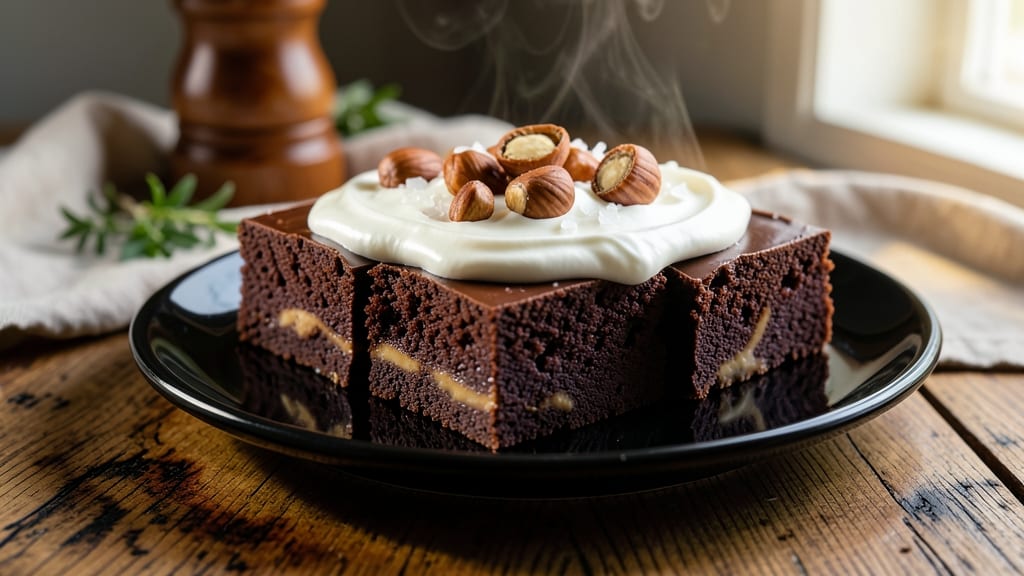
This Belgian chocolate fudge recipe delivers a luxurious dessert with a crispy cocoa shell and silky ganache center that melts at the first touch. 💛 The secret lies in tempering the chocolate properly—creating the perfect balance between snappy edges and velvety interior that makes every bite feel like a decadent surprise.
I developed this technique after years of experimenting with Belgian chocolate's unique snap and rich flavor profile, ensuring each piece delivers both texture contrast and deep cocoa satisfaction.
The process begins with high-quality Belgian chocolate that you'll carefully melt and temper to achieve that signature crackly exterior. A touch of cocoa powder in the shell mixture creates the crispy texture you crave, while the ganache filling stays luscious and fudgy.
What sets this apart is the 12-hour setting time in the refrigerator—this patience ensures clean breaks between the crisp shell and creamy center, making each piece look as impressive as it tastes.
What you'll end up with is a dessert that's equal parts elegant and indulgent—perfect for special occasions or when you want to impress without spending hours in the kitchen.
The contrast between the crispy outer layer and the smooth ganache creates a satisfying textural experience that keeps people reaching for seconds. This recipe makes about 24 pieces, ideal for gifting or serving at holiday gatherings where presentation matters as much as taste.
Store the fudge in an airtight container between layers of parchment paper to maintain that perfect texture. When ready to serve, dust with extra cocoa powder for visual appeal and pair with a cup of espresso to complement the chocolate's depth.
The combination of techniques and ingredients ensures this Belgian chocolate fudge stands out from standard recipes—worth every minute of preparation.
Ingredients for belgian chocolate fudge
Belgian chocolate, cocoa powder, and butter create this luxurious fudge with crispy shells and velvety centers.
| Ingredient | Amount | Notes |
|---|---|---|
| High-Quality Belgian Dark Chocolate 🍫 | 12 oz | 70% cocoa, bars not chips |
| Unsalted Butter 🧈 | ½ cup | Cold, cubed for tempering |
| Heavy Whipping Cream 🥛 | 1 cup | Cold, full-fat preferred |
| Dutch-Processed Cocoa Powder 🍫 | ½ cup | High-quality for crisp shell |
| Granulated Sugar 🍚 | 1 cup | Fine grain preferred |
| Light Corn Syrup 🍯 | ¼ cup | For smooth ganache texture |
| Vanilla Extract 🌿 | 1 tsp | Pure, high-quality |
| Sea Salt 🧂 | ¼ tsp | Fine grain for finishing |
| Parchment Paper 📄 | 1 sheet | For crisp shell lining |
| Espresso Powder ☕ | 1 tsp | Enhances chocolate depth |
| Extra Virgin Olive Oil 🫒 | 1 tsp | For chocolate tempering |
The Belgian chocolate is non-negotiable here—Valrhona or Callebaut are my go-tos, but any high-quality 70% cocoa will work. Look for bars, not chips, and check the cocoa percentage on the packaging. Whole Foods or specialty chocolate shops usually carry the best selection. The cocoa powder should be Dutch-processed (alkalized) for that deep, rich flavor. I grab mine from Penzeys—it's worth the splurge for this recipe. For the butter, use the coldest, most solid version you can find (trust me on the full-fat version).
No Belgian chocolate? Good quality 70% dark chocolate is the next best thing—just temper it extra carefully. Running short on cocoa powder? Add 1 extra tablespoon of melted chocolate to the shell mixture, but you'll lose some crispiness. The corn syrup can be swapped for honey if you're avoiding it, but the texture might get slightly softer. For the tempering process, thermometer accuracy is key—invest in a good kitchen one if yours is old. And if you're nervous about tempering, use the seed method with extra chocolate.
This fudge needs 12 hours in the fridge to set properly—don't rush it! Store in an airtight container between layers of parchment paper to keep those crisp shells intact. When ready to serve, dust with extra cocoa powder for that restaurant-quality finish. The ganache will soften slightly at room temperature, so plan to serve it chilled. These pieces keep for 2 weeks in the fridge, but honestly, they won't last that long. I always make extra for gifting—people go crazy for this.
Why You'll Love This Recipe
- No-Fuss Magic: I swear by this recipe because it’s basically hands-off after the first simmer. Melt the chocolate and butter together, stir in the cream and sugar, then fold in that rich Dutch-processed cocoa—no tempering, no stress, just smooth, velvety layers that come together while you sip coffee.
- Deep Chocolate Bliss: That Belgian dark chocolate? It’s the star—intensely rich but balanced by the cream’s silkiness and a whisper of sugar. Honestly, the first bite makes me forget about store-bought fudge entirely. (Yes, even the fancy $10 bars.)
- Party or Pajamas: This fudge is my go-to for anything: a last-minute hostess gift, a midnight snack when I’m craving something decadent, or a dessert that actually impresses without looking like I slaved over it. Cut into squares, wrap in parchment—it’s effortlessly elegant.
- Makes More Than You Think: Between us, I always double the batch because it disappears fast. The leftovers? Just as good the next day (if they last that long). And since you’re using pantry staples—plus that one splurge-worthy chocolate bar—the cost per serving is a steal for something this luxurious.
Step-by-step instructions for Belgian chocolate fudge
Here's how to create the perfect contrast—creamy ganache wrapped in a snappy cocoa shell.
🍳 Step 1: Temper the Belgian Chocolate for Crisp Shells
First, we'll temper the chocolate to create that signature crisp shell. Chop the 12 oz High-Quality Belgian Dark Chocolate into small, even pieces and place them in a heatproof bowl. Set this bowl over a pot of simmering water (double boiler method), making sure the bottom of the bowl doesn't touch the water. Stir occasionally until the chocolate reaches 115°F—you'll see it melt completely and become glossy.
Remove the bowl from heat and stir in the 1 tsp Extra Virgin Olive Oil and 1 tsp Espresso Powder. Let the mixture cool to 88°F while stirring constantly. This tempering process ensures the chocolate will set properly for that satisfying crunch. If you're unsure about the temperature, test it by spreading a small amount on parchment—it should set firm and glossy within 1-2 minutes.
👨🍳 Step 2: Prepare the Crisp Cocoa Shell Mixture
In a separate bowl, melt the 0.5 cup Unsalted Butter over low heat until completely liquid. Remove from heat and whisk in the 0.5 cup Dutch-Processed Cocoa Powder, 1 cup Granulated Sugar, and 0.25 cup Light Corn Syrup until smooth. Stir in the 1 tsp Vanilla Extract and 0.25 tsp Sea Salt. This mixture will form the crispy shell that encases our fudge—it needs to be perfectly balanced to achieve that satisfying snap.
Line a 9x9-inch baking dish with the 1 sheet Parchment Paper, leaving an overhang on two sides for easy removal. Pour half of the cocoa mixture into the prepared dish and spread it evenly with a spatula. This layer will be the base for our fudge—make sure it's smooth and even so the ganache sits perfectly on top.
🥘 Step 3: Create the Silky Ganache Center
While the cocoa mixture sets, heat the 1 cup Heavy Whipping Cream in a saucepan over medium heat until it just begins to simmer—don't let it boil. Pour the hot cream over the tempered chocolate in a steady stream, whisking constantly to create a smooth, glossy ganache. Let it sit for 5 minutes, then whisk again until completely smooth. The mixture should coat the back of a spoon and hold its shape when drizzled—this is the creamy heart of our fudge.
Carefully pour the ganache over the partially set cocoa layer in the baking dish. Use an offset spatula to spread it evenly, leaving about ½ inch of space around the edges. This ensures the ganache doesn't overflow when it sets. Here's the thing—don't overmix the ganache, or you'll lose that luxurious texture we're after.
🔥 Step 4: Bake and Set the Fudge
Preheat your oven to 325°F. Place the baking dish on a baking sheet (for easy cleanup) and bake for 12-15 minutes. You're looking for the cocoa shell to set completely and the ganache to firm up but still remain fudgy. The edges should pull away from the parchment slightly, and the center should be just set but still soft to the touch.
Remove the fudge from the oven and let it cool completely at room temperature for 1 hour. This resting time allows the cocoa shell to fully crisp and the ganache to set properly. If you're impatient, you might be tempted to cut into it early, but trust me—waiting ensures that perfect texture contrast between the crisp shell and creamy center.
🔪 Step 5: Cut and Serve with Confidence
Once fully cooled, use the parchment overhang to lift the fudge from the baking dish. Using a sharp knife, cut the fudge into 24 equal squares (about 1-inch each). For clean cuts, dip the knife in hot water between slices—this prevents the fudge from sticking. Each piece should have that beautiful contrast: a crisp cocoa shell with a silky ganache center that melts in your mouth.
Serve immediately for the best texture, or store in an airtight container at room temperature for up to 5 days. The ganache will soften slightly at room temperature, but that's part of the magic—each bite should be a perfect balance of crisp and creamy. Trust the process, and you'll have fudge that looks as impressive as it tastes!
Pro Tips For Making Belgian Chocolate Fudge
- Chop Chocolate Coarsely: Belgian chocolate’s high cocoa content makes it stubborn to melt smoothly. Chop it into uneven ½-inch chunks—they’ll melt faster and more evenly than small pieces, and you’ll avoid grainy texture. (Yes, even if it looks messy at first.)
- Temper the Cream: Heat the heavy cream just until it’s steaming (180°F/82°C), then let it sit off the heat for 30 seconds before pouring over the chocolate. This prevents scorching the butter or seizing the cocoa powder—trust me, you’ll taste the difference.
- Skip the Overmixing: Once the fudge thickens and starts pulling away from the sides, stop stirring immediately. Overmixing introduces air, which makes the texture grainy. A quick scrape of the bottom with a spatula is all you need—no need to turn it into a science experiment.
- Use Room-Temp Butter: Belgian chocolate needs butter that’s soft but not melted—press it gently with your finger to test. Cold butter creates lumps, while melted butter turns the fudge greasy. Take it out of the fridge 30 minutes before using, or microwave it for 10 seconds if you’re in a rush.
Regional styles of this recipe
Belgian Tradition
This recipe draws inspiration from Belgium's famous pralines and chocolate ganache traditions, where crispy shells meet velvety centers. Belgian chocolatiers like Pierre Marcolini and Neuhaus pioneered these textures, often using 70% cocoa chocolate for depth.
The espresso powder in this recipe mimics the coffee notes found in Belgian chocolate truffles, a nod to the country's love affair with both chocolate and coffee. 💫
French-Inspired Technique
While Belgian in spirit, the tempering method and ganache technique come from French patisserie—specifically ganache-based desserts like chocolate mousses and tarte au chocolat.
The double boiler tempering ensures that crisp shell, while the corn syrup in the cocoa mixture prevents crystallization, a technique borrowed from French pâte de fruit. This fusion of Belgian chocolate with French technique creates the perfect balance of texture and flavor.
Modern Twist
Unlike traditional Belgian pralines that are often enrobed in chocolate, this recipe uses a cocoa shell for a lighter, crispier texture. The vanilla extract and sea salt add contemporary layers of flavor that elevate it beyond classic recipes.
This version also incorporates olive oil in the tempering process—a modern shortcut that still delivers professional results without the fuss of traditional tempering methods. 🌟
Luxury Presentation
Belgian chocolate desserts are known for their elegant presentation, and this fudge delivers with its clean cuts and dustable cocoa finish. The 1-inch squares are perfect for gifting, much like Belgian chocolatiers package their pralines.
For extra flair, serve on marble slabs or gold-rimmed plates—a technique I picked up from Brussels chocolatiers who emphasize both taste and visual appeal. The contrast between the dark cocoa shell and silky ganache makes it a showstopper.
Regional Variations
In Flanders, you might find a version with raspberry jam swirled into the ganache, while Brussels chocolatiers often add orange zest for brightness. For a Valonian twist, substitute 2 tablespoons of Valrhona cocoa for the Dutch-processed cocoa—it adds a deeper, more complex flavor.
Each regional variation keeps the same crisp-creamy contrast but plays with complementary flavors that reflect local tastes. 🗺️
Storage Adaptations
Belgian chocolatiers traditionally store their pralines in humidity-controlled environments to maintain crispness. For home cooks, airtight containers with parchment paper between layers mimic this control. If you're in a humid climate, add a silica gel packet to the container to absorb moisture.
In dry climates, the fudge may crisp up faster—just cover it loosely with a cloth for the first 24 hours to let moisture balance naturally. This ensures your fudge stays perfect, no matter where you are. 💡
Nutrition facts
Frequently asked questions
Why does Belgian chocolate give this recipe its special texture?
The high 70% cocoa content in Belgian chocolate creates that signature crisp snap when properly tempered, while its lower sugar content allows the cocoa shell to set perfectly without becoming brittle. The espresso powder also enhances the chocolate's depth, making each bite more complex than standard fudge recipes.
Can I make this recipe without a thermometer for tempering?
You can try the seed method: melt 2 oz extra chocolate separately, then mix it into your melted chocolate to help stabilize the tempering. Look for the chocolate to become glossy and firm when spread on parchment—it should set in 1-2 minutes. Just be prepared for slightly less crisp edges than with precise temperatures.
How do I prevent the ganache from getting grainy?
Whisk the hot cream into the chocolate slowly and constantly to avoid lumps, then let it sit for 5 minutes before whisking again. Using cold cream and room-temperature chocolate also helps. If it starts to thicken too much, gently reheat with 1 tsp extra cream while stirring.
What's the best way to store these fudge pieces for gifting?
Layer them between parchment paper in an airtight container with a silica gel packet to absorb moisture. For extra protection, wrap each piece in clear cellophane before boxing. Store in a cool, dark place (not the fridge) for up to 2 weeks—they'll stay crisp and delicious.
Can I substitute white chocolate for the Belgian dark chocolate?
Not recommended—white chocolate lacks the cocoa solids needed for that crisp shell and rich flavor. If you must, use high-quality milk chocolate (40% cocoa) instead, but expect a softer texture. The espresso powder and Dutch-processed cocoa in this recipe rely on dark chocolate's depth.