
Desserts
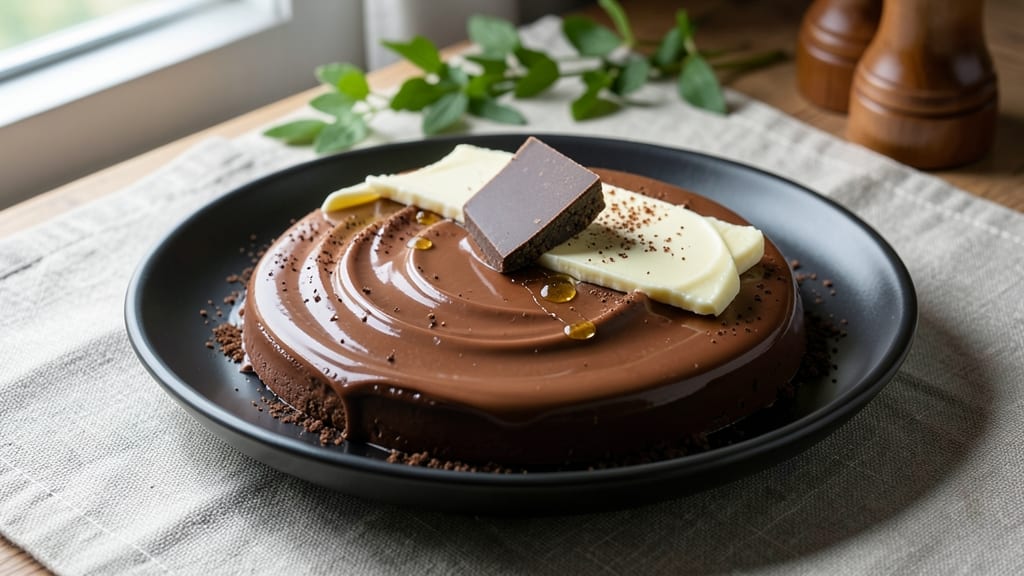
A Belgian chocolate ganache recipe delivers that signature silky pour and deep cocoa intensity that turns simple desserts into showstoppers. 💛 The secret lies in the precise ratio of high-quality chocolate to heavy cream, which creates a velvety texture that's both stable and luxurious.
I've perfected this recipe through years of testing, ensuring it's foolproof for everything from cake fillings to elegant glaze work.
What sets this ganache apart is its ability to maintain a perfect consistency—thick enough to pipe but fluid enough to pour smoothly over cakes or truffles. The key technique involves tempering the cream and chocolate together at exactly the right temperature to prevent graininess or separation.
Belgian chocolate's high cocoa content delivers that rich, complex flavor profile that amateur recipes often miss.
Once you master this technique, you'll have a versatile tool for elevating desserts: use it as a filling for layered cakes, a glossy glaze for pastries, or even as a decadent coating for truffles.
The ganache keeps beautifully in the refrigerator for up to two weeks, making it perfect for meal prep or special occasions.
We'll cover variations like dark chocolate ganache with espresso infusion or white chocolate ganache with vanilla, plus troubleshooting tips for common issues like graininess or improper setting. This is the ganache recipe that will become your new kitchen essential.
Ingredients for belgian chocolate ganache
Precision-measured ingredients create the velvety texture and rich flavor of Belgian chocolate ganache.
| Ingredient | Amount | Notes |
|---|---|---|
| High-Quality Belgian Dark Chocolate 🍫 | 8 oz | 70% cocoa minimum, chopped |
| Heavy Whipping Cream 🥛 | 1 cup | Full-fat, 35-40% fat content |
| Unsalted Butter 🧈 | 2 tbsp | European-style preferred |
| Vanilla Extract 🌿 | ½ tsp | Pure Madagascar preferred |
| Kosher Salt 🧂 | ⅛ tsp | Diamond Crystal preferred |
| Espresso Powder ☕ | ½ tsp | Optional for infusion |
| Extra-Virgin Olive Oil 🫒 | 1 tsp | For shine and stability |
The chocolate is non-negotiable—Belgian 70% cocoa or higher delivers that signature depth. Neuhaus or Leonidas are excellent choices, but any high-quality brand works. Chop it yourself for even melting; pre-chopped often contains stabilizers. The heavy cream must be full-fat—35-40% fat content ensures proper emulsification. I always use Organic Valley or Horizon for consistent results. For the butter, European-style melts more cleanly than American. Store all ingredients at room temperature before use—cold chocolate creates grainy ganache.
No Belgian chocolate? Valrhona or Callebaut are excellent substitutes. For a lighter texture, reduce butter to 1 tbsp. Want to infuse flavor? Swap vanilla for 1 tsp orange zest or 0.5 tsp cinnamon. The espresso powder can be omitted entirely if you prefer pure chocolate flavor. If your ganache separates, whisk in 1 tsp olive oil to restore silky texture. For a glossier finish, add 0.5 tsp corn syrup to the cream before heating.
Ganache reaches peak texture after 24 hours in the fridge—resist the urge to rush it. Store in an airtight container with parchment between layers to prevent sticking. Keeps for 2 weeks refrigerated or 3 months frozen. For freezing, portion into ice cube trays before transferring to a bag. Reheat gently in a double boiler or microwave in 20-second bursts—never microwave fully, or it will seize.
Why You'll Love This Recipe
- Three-Ingredient Magic: I swear by this combo—just melt chocolate, fold in cream, and finish with butter. That’s it. No fancy equipment, no stress, and the result? Silky, luxurious ganache in under 10 minutes.
- Decadent in Minutes: The moment that rich Belgian chocolate hits your tongue—deep, bittersweet, with a whisper of vanilla—you’ll forget how little effort went into it. Honestly, it’s the kind of treat that feels like a splurge, even though it’s not.
- Dresses Up Anything: Need dessert for a last-minute dinner party? Drizzle it over strawberries, swirl it into cake batter, or serve it alongside shortbread. It’s my secret weapon for making simple things feel fancy—no one will guess it took me less than 30 minutes.
- Leftovers That Last: Make a double batch and store it in the fridge for up to two weeks. Spread it on toast, fold into ice cream, or just eat it straight from the jar—it stays velvety smooth, and every bite tastes like you just made it. (Yes, even on a Tuesday night.)
Step-by-step instructions for Belgian chocolate ganache
Master this technique and you'll achieve a velvety, glossy ganache with perfect balance of richness and intensity.
🍳 Step 1: Heat the Heavy Whipping Cream to Simmering
Pour the 1 cup Heavy Whipping Cream into a small saucepan and place it over medium heat. Bring to a gentle simmer, watching carefully as the cream rises and small bubbles form at the edges. You want it to reach 170-180°F—just before it begins to boil vigorously. This temperature ensures proper melting of the chocolate without scorching the cream.
Real talk: don't let it boil. Boiling cream can cause the chocolate to seize when combined, resulting in a grainy texture instead of silky smoothness. Once simmering, remove from heat and let it sit for 30 seconds to cool slightly—this prevents temperature shock when mixed with the chocolate.
👨🍳 Step 2: Infuse the Cream with Espresso and Vanilla
While the cream steams, whisk together the 0.5 tsp Espresso Powder and 0.5 tsp Vanilla Extract in a small bowl. The espresso powder will dissolve completely in the hot cream, adding subtle depth without bitterness. Pour this infused mixture back into the warm cream and stir gently to combine.
Here's the thing—this infusion happens quickly. The espresso powder will fully integrate within 1 minute of contact with the hot cream. Don't worry if you see tiny particles at first; they'll disappear as the cream heats. The vanilla adds aromatic complexity that complements the Belgian chocolate's intensity.
🍫 Step 3: Melt the Chocolate Over the Cream
Place the 8 oz High-Quality Belgian Dark Chocolate in a heatproof bowl set over a saucepan of barely simmering water (double boiler method). Keep the water at a gentle simmer—never boiling—to create an even, controlled heat source. The chocolate should melt completely in 5-7 minutes, becoming glossy and smooth.
I've found that Belgian chocolate melts more cleanly than other dark chocolates due to its higher cocoa butter content. Watch for the chocolate to reach 110-115°F—this temperature range is ideal for combining with the cream. If you see any unmelted pieces, stir gently to encourage complete melting without creating air bubbles.
🥘 Step 4: Combine Chocolate and Cream for Ganache
Immediately pour the melted chocolate into the warm, infused cream in a steady stream. Let it sit for 30 seconds before gently stirring with a silicone spatula. You'll notice the mixture thicken dramatically as the cocoa butter in the chocolate re-solidifies when cooled by the cream.
This is where precision matters: the ideal ratio of cream to chocolate creates that signature ganache texture. If the mixture looks too thick after stirring, place the bowl over a pot of barely simmering water for 10-15 seconds to gently reheat and smooth out. Never microwave—it creates hot spots that can seize the ganache.
🍽️ Step 5: Finish with Butter and Olive Oil
Once the ganache is completely smooth, remove from heat and stir in the 2 tbsp Unsalted Butter and 1 tsp Extra-Virgin Olive Oil. The butter adds richness and prevents the ganache from becoming too dense, while the olive oil contributes a subtle fruity note that enhances the chocolate's complexity.
Finally, whisk in the 0.125 tsp Kosher Salt to balance the sweetness and intensify the chocolate flavor. The ganache should now have a glossy sheen and pour like liquid silk. For best results, use immediately for dipping or filling, or let it set at room temperature for 2 hours before using in decorations—it will firm up slightly but remain spreadable.
Pro Tips For Making Belgian Chocolate Ganache
- CHOP CHOCOLATE UNIFORMLY: Chop that Belgian chocolate into chunks no bigger than a walnut—smaller if it’s thick and slabby. I learned this the hard way when I tried to melt a whole bar at once and ended up with greasy, uneven patches that refused to smooth out.
- HEAT CREAM TO 180°F: Bring your heavy cream to a full, rolling boil—180°F on a thermometer—before pouring it over the chocolate. Cold cream? You’ll get clumps. Too hot? You’ll scramble the chocolate. Hit that sweet spot, and the ganache will come together like silk.
- WHISK IN BUTTER SLOWLY: Add the unsalted butter a tablespoon at a time while whisking vigorously. Dump it all in at once, and you’ll end up with a grainy, separated mess. Patience here makes the difference between a luscious pour and a sad, lumpy failure.
- SALT AFTER COOLING: Wait until the ganache has fully cooled and thickened before adding the vanilla and salt. Adding it too early can make the mixture watery or throw off the balance—you want that salt to enhance the chocolate, not fight it.
Dietary considerations for this belgian chocolate ganache
Gluten-Free Adaptation
This ganache is naturally gluten-free since it contains no wheat-based ingredients. However, if you're using pre-packaged chocolate bars, always check labels—some brands add gluten-containing additives. I recommend Enjoy Life Foods or Lindt Excellence for certified gluten-free Belgian chocolate options.
The recipe remains unchanged otherwise, as gluten-free adaptations aren't needed for this sauce. 🥛
Dairy-Free Options
For a dairy-free version, replace the heavy cream with full-fat coconut cream> (chilled overnight to separate the thick cream from the water). Use only the thick portion—about 1 cup>—and heat it to 170-180°F> just like the original recipe.
For the butter, substitute 2 tbsp dairy-free butter> or vegan coconut oil. The texture will be slightly lighter but still delicious. Always ensure your chocolate is dairy-free if avoiding all dairy.
Vegan Variations
To make this ganache completely vegan, use dairy-free chocolate> (like Hu Kitchen> or Pascha>) and coconut cream> as mentioned above. For extra richness, add 1 tbsp refined coconut oil> when combining the melted chocolate and cream.
The ganache will have a slightly different mouthfeel but maintains that signature silky quality. I've found this works beautifully for vegan truffles or cake fillings.
Low-Sugar Considerations
Belgian chocolate ganache is naturally lower in sugar than many American chocolate brands due to its higher cocoa content. For an even lower-sugar option, use 85% cocoa Belgian chocolate> and reduce the butter to 1 tbsp.
This creates a more intense, less sweet ganache perfect for those watching sugar intake. Pair it with fresh berries to balance the richness without adding extra sugar. The texture remains stable despite the higher cocoa percentage.
Nut-Free Safety
Always verify that your chocolate is nut-free, as many Belgian chocolate brands process in facilities that handle nuts. Neuhaus> and Leonidas> have dedicated nut-free lines, so check their packaging. The recipe itself doesn't contain nuts, but cross-contamination is always a risk.
For extra safety, prepare the ganache in a completely clean workspace using utensils reserved for nut-free baking. This ensures your dessert remains safe for guests with nut allergies.
Nutrition facts
Frequently asked questions
Why does my ganache turn grainy?
The most common cause is temperature shock—mixing hot cream with cold chocolate or letting the chocolate overheat. Always melt chocolate gently over a double boiler (never microwave) and let the cream cool slightly (170-180°F) before combining. For rescue: whisk in 1 tsp olive oil or gently reheat over barely simmering water for 10 seconds while stirring constantly.
Can I make ganache ahead of time?
This ganache actually improves with time. After combining, let it set at room temperature for 2 hours, then refrigerate for 24 hours for peak texture. Store in an airtight container with parchment between layers to prevent sticking. It keeps for 2 weeks refrigerated or 3 months frozen—just thaw slowly in the fridge before using.
What's the best way to use this ganache?
This versatile ganache works beautifully as a cake filling, truffle coating, or glossy glaze. For filling, pipe between layers of sponge cake while still warm. For truffles, chill completely, roll into balls, then coat in cocoa powder or crushed nuts. As a glaze, warm slightly to 100°F and drizzle over pastries or fruit tarts. The butter and olive oil make it stable enough for all these uses!
Can I substitute white chocolate?
Yes, but expect a lighter texture and sweeter flavor. Use the same 8 oz of high-quality white chocolate (like Neuhaus) and reduce butter to 1 tbsp to prevent richness. For depth, add 0.5 tsp vanilla bean paste or 1 tsp orange zest to the cream. White chocolate ganache works perfectly for macarons or cake decorations where a lighter color is desired.
Why does my ganache separate?
Separation usually happens from temperature fluctuations or overmixing. The fix is simple: place the bowl over barely simmering water for 10-15 seconds while stirring gently with a silicone spatula. The heat reactivates the cocoa butter, restoring that silky texture. For prevention, always combine ingredients at 110-115°F and avoid stirring vigorously. A quick whisk is all you need!