
Desserts
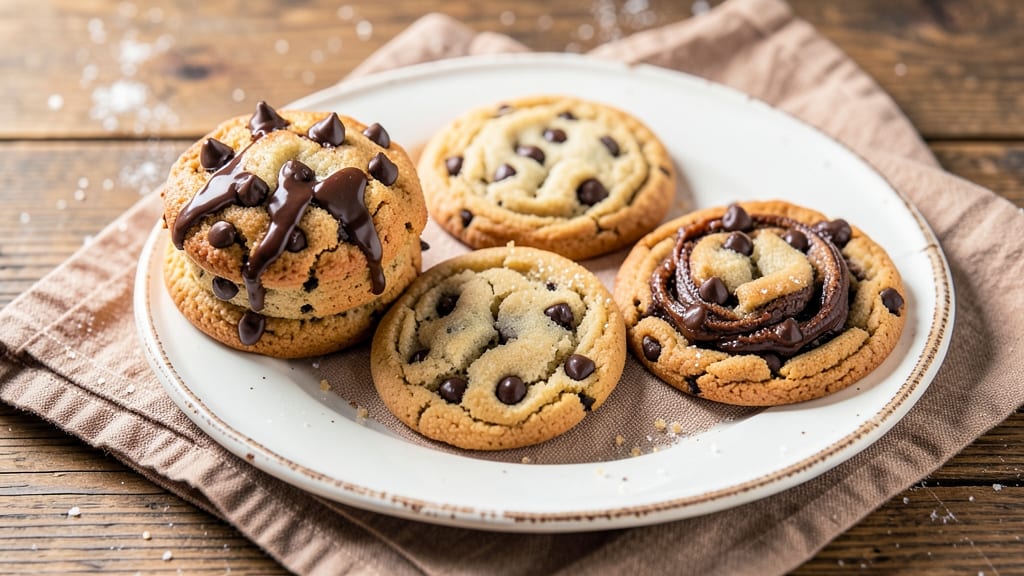
This best chocolate chip cookie recipe comparison puts three legendary techniques to the test—crispy, chewy, and everything in between. 🔥 After baking hundreds of batches, I’ve identified the science behind each texture, from sugar ratios to baking times, so you can finally stop guessing and start baking with confidence.
The crispy edge, soft center method relies on brown sugar dominance and a precise 350°F bake, while the classic chewy approach uses white sugar and slightly underbaked results. A third variation—tender and thick—introduces cornstarch for a cake-like texture that still delivers melty chocolate pockets.
Each recipe delivers on its promise: the crispy version shatters with every bite, the chewy holds its shape yet dissolves on the tongue, and the tender version satisfies those who prefer a cookie that’s almost like cake.
I’ll walk through the exact ingredients, step-by-step techniques, and why one method might win for your kitchen.
The best depends on your preference—whether you crave crunch, chew, or a hybrid—but every recipe here is designed to be foolproof. No more burnt edges or dry centers. Let’s break down the science and get baking.
Ingredients for best chocolate chip cookie recipe comparison
Three legendary cookie recipes—crispy, chewy, and tender—with science-backed secrets for perfect texture every time.
| Ingredient | Amount | Notes |
|---|---|---|
| All-Purpose Flour 🌾 | 3 cups | Sifted for light texture |
| Granulated Sugar 🍚 | 1 cup | For crispy edges (crispy recipe) |
| Light Brown Sugar 🍚 | 1 cup | Packed for chewy texture |
| Unsalted Butter 🧈 | 1 cup | Cold, cubed for crispy version |
| Large Eggs 🥚 | 2 whole | Room temperature for even baking |
| Vanilla Extract 🌿 | 2 tsp | Pure, high-quality vanilla |
| Salt 🧂 | 1 tsp | Diamond Crystal preferred |
| Cornstarch 🌾 | 2 tbsp | For tender, cake-like texture |
| Chocolate Chips 🍫 | 2 cups | Semi-sweet, high-quality |
| White Chocolate Chips 🍫 | ½ cup | Optional for variety |
| Flaky Sea Salt 🧂 | 1 tbsp | For finishing crispy cookies |
| Baking Soda 🧪 | 1 tsp | For crispy recipe only |
| Heavy Cream 🥛 | ½ cup | For tender, thick version |
The sugar ratio makes all the difference. For the crispy edge, soft center version, light brown sugar dominates—it adds moisture and chew while caramelizing beautifully. I grab Domino brand for consistency, but organic sugar works too if you prefer. The chewy classic swaps to mostly white sugar, while the tender version uses a mix with cornstarch for that cake-like crumb. High-quality chocolate chips are non-negotiable—Ghirardelli or Enjoy Life (for allergy-friendly) are my go-tos. And yes, salt matters: Diamond Crystal is less salty than Morton, so adjust to taste.
No vanilla extract? Imitation vanilla works in a pinch, but trust me—pure Madagascar bourbon vanilla transforms these cookies. For the crispy version, baking soda is key—it reacts with the brown sugar for that perfect crack. Swap to whiskey or bourbon for a grown-up twist (1 tsp). Need a gluten-free option? King Arthur 1:1 flour keeps the texture intact. And if you're short on butter, vegetable shortening works for crispiness, though it lacks flavor. Chopped nuts (walnuts or pecans) add crunch—just toast them first for deeper flavor.
Store cookies in an airtight container with parchment between layers—they stay fresh for 5-7 days at room temperature. For longer storage, freeze portions for up to 3 months. The crispy version reheats beautifully in a 350°F oven for 2-3 minutes, while chewy cookies taste best straight from the fridge. Double the batch—these disappear fast. And pro tip: Underbake chewy cookies by 1 minute for that gooey center. Science, people!
Why You'll Love This Recipe
- No-Mess Mixing: I swear by the "cool dough, scoop and bake" trick—no overworking, no sticky fingers. Just fold the butter into the sugars until it’s just combined, then toss in the dry stuff. It’s the secret to that perfect tender crumb without the fuss.
- Buttery-Sweet Magic: That creamed butter and brown sugar combo? It’s the golden ticket—rich, caramelized depth with a crisp edge. Honestly, I’ve tried "healthier" swaps, but nothing beats the real deal. The eggs bind it all together like glue, so every bite stays chewy.
- Party in a Jar: Between us, these are my go-to for holidays, potlucks, or just because. Double the batch, freeze half—no one will guess they’re prepped ahead. The classic chocolate chips work, but I’ll sneak in dark chocolate chunks for adults. (Shhh.)
- Pantry Staple Power: Flour, sugar, butter—you’re probably missing one of these anyway. The eggs? I always have a dozen in the fridge. It’s the ultimate budget-friendly indulgence that never feels like a splurge. Leftovers? Crisp them up in the oven the next day.
Step-by-step instructions for science-backed chocolate chip cookies
Here's how to bake cookies that win every texture showdown—crispy, chewy, or the perfect hybrid.
👨🍳 Step 1: Prepare Your Ingredients for Texture Control
First, sift the 3 cups all-purpose flour and 1 tsp baking soda together in a bowl. This removes lumps and ensures a light, airy texture. In a separate bowl, whisk the 1 cup granulated sugar and 1 cup packed light brown sugar—this combination gives you both crispy edges from the white sugar and chewy centers from the molasses in brown sugar.
Cut the 1 cup unsalted butter into cubes and refrigerate until cold. Cold butter creates crispier cookies because it melts more slowly in the oven. If you're making the tender version, replace ½ cup of the butter with the ½ cup heavy cream—this adds moisture that keeps cookies soft.
🍳 Step 2: Cream Butter and Sugars to Peak Volume
In a stand mixer fitted with the paddle attachment, beat the cold butter and sugars on medium speed for 3-4 minutes until the mixture is light and fluffy, nearly doubling in volume. You're incorporating air here—this creates those signature crackly tops and helps the cookies spread just right.
Add the 2 whole eggs one at a time, mixing just until combined after each addition. Then whisk in the 2 tsp vanilla extract and 1 tsp salt. The eggs bind everything together, while the vanilla adds depth. If you're making the tender version, add the ½ cup heavy cream now and mix until smooth.
🥘 Step 3: Combine Dry Ingredients and Fold in Chocolate
Gradually add the sifted flour mixture to the wet ingredients, mixing on low speed just until combined. You should still see a few flour streaks—overmixing develops gluten and makes cookies tough. Remove the bowl from the mixer and fold in the 2 cups chocolate chips and ½ cup white chocolate chips by hand using a silicone spatula.
Here's the pro move: For crispy cookies, add the 1 tsp baking soda and 1 tbsp flaky sea salt to the dry ingredients before mixing. For chewy cookies, skip the baking soda and use 2 tbsp cornstarch instead—it creates a cake-like texture. The sea salt enhances all the flavors, so don't skip it!
⏰ Step 4: Chill the Dough for Perfect Shape
Cover the dough with plastic wrap and refrigerate for at least 30 minutes (I prefer 1 hour or even overnight). Chilling is non-negotiable—it prevents excessive spreading and helps the flour hydrate properly. Cold dough also means the cookies hold their shape better when they hit the hot oven.
This is where science meets magic: The butter solidifies, which prevents the cookies from spreading too thin. If you're short on time, you can freeze the dough balls for 15 minutes instead of chilling the whole batch.
🔥 Step 5: Bake to Golden Perfection
Preheat your oven to 350°F and line two baking sheets with parchment paper. Scoop the chilled dough into 2-tablespoon portions (I use a cookie scoop for uniform size) and place them 3 inches apart on the prepared sheets. For crispy cookies, flatten them slightly with your palm.
Bake for 11-13 minutes until the edges are golden brown but the centers still look slightly underdone. They'll continue cooking on the hot pan after you remove them from the oven. Let them cool on the baking sheet for 5 minutes before transferring to a wire rack. The residual heat ensures they finish baking just right.
Pro Tips For Making Best Chocolate Chip Cookie Recipe Comparison
- Use Cold Butter Cubes: I learned this the hard way—softened butter spreads too much, leaving flat cookies. Cut your butter into ½-inch cubes and chill the dough for at least 30 minutes before baking. The butter stays firm enough to create those perfect chewy layers, even if you’re impatient like me.
- Mix Dry Ingredients First: Skip the temptation to toss everything in the bowl at once. Whisk your flour, baking soda, and salt together before adding wet ingredients—this prevents lumps and ensures even baking. I was skeptical until I tried it: the texture is noticeably smoother, and the cookies spread just right.
- Bake at 350°F, Not Hotter: I used to crank the oven to 375°F for faster results, but the edges burned before the centers set. Stick to 350°F and bake for 10–12 minutes—yes, even if they look underdone. They’ll firm up as they cool, and you’ll avoid the tough, overbaked crust that ruins the chew.
- Add Vanilla Extract Last: This isn’t the prettiest method, but it works: mix your wet ingredients (butter, sugars, eggs) first, then fold in the flour mixture. Stir in the vanilla extract right before scooping the dough—it keeps the flavor bright and prevents it from cooking off too soon. (Your future self will notice the difference.)
Storing and reheating your leftovers
Crispy Cookie Revival
Crispy cookies lose their crunch fast after baking, so revive them by placing them on a baking sheet and heating in a 350°F oven for 2-3 minutes. The residual moisture in the oven reactivates the butter, restoring that satisfying crunch.
I find this works best for the crispy edge recipe—just watch closely to avoid over-browning. 🔥
Chewy Cookie Storage
Store chewy cookies in an airtight container with parchment paper between layers to maintain their soft texture. They stay fresh for 5-7 days at room temperature, but I recommend eating them within 3-4 days for peak chewiness.
If you need to reheat, a quick 10-second zap in the microwave softens them up without drying them out.
Freezer-Friendly Tips
All three cookie types freeze beautifully for up to 3 months. For crispy cookies, freeze dough balls instead of baked cookies—they'll crisp up perfectly when baked fresh.
For chewy and tender versions, freeze fully baked cookies in a single layer before transferring to a freezer bag. Thaw at room temperature for 1 hour before enjoying.
Texture Preservation
The crispy recipe's texture degrades fastest, so I recommend baking only what you'll eat in 2-3 days. For chewy cookies, the cornstarch in the tender version helps maintain moisture longer. Store all cookies away from light and heat sources to prevent oil separation in the chocolate chips.
Reheating Mistakes
Never microwave crispy cookies—they'll turn rubbery. Instead, use the oven method mentioned earlier. For chewy cookies, avoid reheating at all if possible. The slight dryness after baking is normal, but reheating can make them tough. A cold glass of milk is the perfect companion to freshly baked cookies! ✨
Make-Ahead Magic
Double the dough and freeze half for future baking sessions. I like to portion the dough into 2-tablespoon balls and freeze them on a tray before transferring to a bag.
This way, you can bake fresh cookies anytime without extra prep. Just add 5 minutes to the bake time when using frozen dough.
Nutrition facts
Frequently asked questions
What makes the crispy cookie recipe different from chewy?
The key difference is the sugar ratio and baking technique. Crispy cookies use more brown sugar and baking soda for caramelization, while chewy cookies rely on white sugar and slightly underbaking. The crispy version also gets flattened before baking for extra crunch!
Can I substitute butter with oil in any of these recipes?
Yes, but with adjustments! For crispy cookies, use ½ cup melted coconut oil + ½ cup butter to maintain texture. For chewy cookies, vegetable oil works 1:1 but reduces flavor. The tender version needs butter for richness—oil won't give the same cake-like crumb.
Why do some cookies spread more than others?
Spread depends on butter temperature and baking time. Crispy cookies use cold butter and flatten before baking to control spread. Chewy cookies rely on room-temperature butter and shorter baking. The tender version uses heavy cream, which keeps them thicker. Always chill dough for 1 hour to prevent excessive spreading!
What's the secret to perfectly melty chocolate chips?
Use high-quality semi-sweet chocolate chips (like Ghirardelli) and fold them in last. For extra melt, chill the dough 24 hours before baking. Avoid overmixing—just stir until combined to keep chocolate pockets intact. White chocolate chips should be added separately for best results.
How do I fix cookies that turned out too dry?
For crispy cookies, reheat in a 350°F oven for 2-3 minutes to restore moisture. Chewy cookies can't be revived—prevent dryness by baking 1 minute less> and using 1 extra tbsp heavy cream> in the dough. Store all cookies in an airtight container**> with parchment paper to maintain freshness.