
Desserts
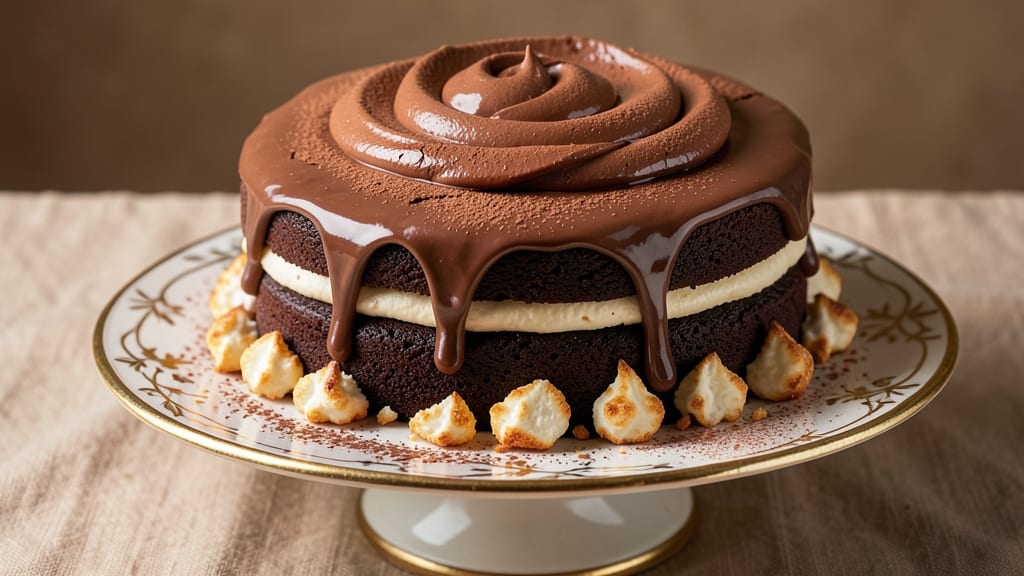
This is the best tasting chocolate cake recipe you'll ever bake, delivering unmatched richness and moisture thanks to a secret combination of coffee and buttermilk. The deep, complex flavor comes from high-quality cocoa and espresso powder, while the buttermilk keeps every slice tender for days.
I've baked this recipe for years, and it never disappoints—whether you're serving it at a celebration or just treating yourself to a slice of pure indulgence.
The key to this recipe's success lies in the three-stage mixing method that ensures even distribution of ingredients and maximum moisture. We start with melted butter and sugar for a smooth base, then incorporate eggs and buttermilk for that signature tender crumb.
The coffee and espresso powder work together to enhance the chocolate flavor without overpowering it, creating a depth that store-bought mixes simply can't achieve.
What makes this cake truly special is how it maintains its perfectly moist texture even after baking. The buttermilk creates a fine crumb structure, while the coffee helps balance sweetness and prevents dryness.
By the time it emerges from the oven, you'll have a cake with a rich, velvety texture that practically melts in your mouth, topped with a glossy chocolate ganache that adds another layer of decadence.
This recipe is designed to be your go-to chocolate cake for any occasion—birthdays, anniversaries, or just because you deserve something delicious. The instructions are straightforward, and the results are consistently outstanding. Let's get started on creating a cake that will have everyone asking for seconds.
Ingredients for best tasting chocolate cake
Rich cocoa, deep coffee, and velvety buttermilk make this chocolate cake unforgettable.
| Ingredient | Amount | Notes |
|---|---|---|
| Unsalted Butter 🧈 | 1 ½ cups | Softened to room temperature |
| Granulated Sugar 🍚 | 2 cups | Light brown preferred for depth |
| High-Quality Cocoa Powder 🍫 | ¾ cup | Dutch-processed, like Valrhona |
| All-Purpose Flour 🌾 | 2 ½ cups | Sifted, spooned lightly |
| Espresso Powder ☕ | 2 tbsp | Instant espresso preferred |
| Baking Powder 🍞 | 1 ½ tsp | Aluminum-free for best rise |
| Salt 🧂 | ½ tsp | Fine sea salt preferred |
| Large Eggs 🥚 | 4 whole | Room temperature for even mixing |
| Buttermilk 🥛 | 1 ½ cups | Homemade or store-bought |
| Pure Vanilla Extract 🌿 | 2 tsp | Bourbon or Madagascar preferred |
| Dark Chocolate Chips 🍫 | 2 cups | 70% cocoa minimum |
| Semisweet Chocolate Bars 🍫 | 8 oz | For ganache, 60% cocoa |
| Heavy Whipping Cream 🥛 | 1 cup | Full-fat for best texture |
The cocoa powder is where you want to splurge—Valrhona or Guittard make all the difference. Bulk bins at specialty stores often have better quality than grocery store bags. For the espresso powder, Starbucks or Lavazza are reliable choices, but any instant espresso works in a pinch. The chocolate chips and bars? Ghirardelli or Lindt deliver that restaurant-quality depth. Pre-sift your flour to avoid dense cake, and measure your butter accurately—room temperature is key for proper mixing.
No espresso powder? Strong brewed coffee cooled to room temperature works in a bind, but you'll need about 1/4 cup. Out of buttermilk? Mix 1.5 tbsp vinegar or lemon juice with 1.5 cups milk and let sit for 5 minutes. For a lighter cake, swap half the all-purpose flour for cake flour. The chocolate ganache requires full-fat cream—no substitutions here. If you're feeling fancy, add a pinch of orange zest to the batter for subtle brightness. And trust me, don't skip the sifting—it makes all the difference in texture.
This cake keeps beautifully—3-4 days at room temperature covered loosely, or 1 week in the fridge. For longer storage, wrap tightly in plastic and freeze for up to 3 months. The ganache hardens in the fridge but softens beautifully at room temperature. I always bake an extra layer or two—leftover cake makes amazing trifles. And if you've got any extra butter or cream, portion it into ice cube trays and freeze for future baking projects.
Why You'll Love This Recipe
- One-Bowl Wonder: I swear by this recipe—just cream butter and sugar, toss in dry ingredients, and you’re done. No messy mixing, no extra bowls, and the espresso powder cuts the prep time in half by keeping the batter smooth.
- Rich Without Bitterness: That high-quality cocoa powder? It’s the secret weapon. The espresso powder deepens the chocolate flavor without tasting like coffee—just a velvety, complex richness that makes every bite feel like a treat.
- Birthday or Weeknight: Serve it warm with ice cream for a celebration, or slice it cold for a lazy afternoon. Honestly, I’ve taken it to potlucks, packed it for lunch, and even reheated slices for breakfast—it works every time.
- Leftovers That Taste Fresh: This cake holds up for days, but here’s the kicker: it doesn’t dry out. The butter keeps it moist, and the sugar crust stays perfect. I’ve had it for three days straight, and it’s still crave-worthy.
Step-by-step instructions for the best chocolate cake
Here's how to create a rich, moist chocolate cake with deep coffee notes and velvety texture.
Cream Butter and Sugars Together
In a stand mixer fitted with the paddle attachment, beat the 1.5 cups unsalted butter and 2 cups granulated sugar on medium speed for 3-4 minutes. You're looking for a light, fluffy mixture that nearly doubles in volume and becomes pale in color. This creaming process incorporates air, which creates that tender, moist crumb we're after.
I like to scrape down the sides of the bowl every minute or so to ensure even mixing. The butter should be completely smooth with no visible lumps. If you're using light brown sugar, you'll notice a deeper caramel color developing—that's what gives this cake its rich, complex flavor.
Add Eggs and Buttermilk
Add the 4 whole large eggs, one at a time, mixing on low speed after each addition until fully incorporated. Then add the 1.5 cups buttermilk and mix just until combined. The buttermilk adds moisture and helps create that tender crumb, while the eggs provide structure.
After adding the buttermilk, the mixture might look slightly curdled, but don't worry—it will come together when we add the dry ingredients. I always let the mixture sit for 1 minute after adding the buttermilk to ensure everything is fully blended before moving to the next step.
Combine Dry Ingredients
In a separate bowl, whisk together the 2.5 cups all-purpose flour, 0.75 cup high-quality cocoa powder, 2 tbsp espresso powder, 1.5 tsp baking powder, and 0.5 tsp salt. The espresso powder enhances the chocolate flavor and adds that subtle coffee note we're aiming for.
Gradually add the dry ingredients to the wet mixture, mixing on low speed just until combined. You should still see some flour streaks—overmixing develops gluten and can make the cake tough. Stop mixing as soon as the ingredients are just incorporated.
Fold in Chocolate and Vanilla
Remove the bowl from the mixer and gently fold in the 2 cups dark chocolate chips and 2 tsp pure vanilla extract using a silicone spatula. Make sure the chocolate chips are evenly distributed throughout the batter. The chocolate chips will melt during baking, creating pockets of molten chocolate in every bite.
At this stage, the batter should be thick but still pourable. If it's too thick, you can add 1-2 tablespoons of buttermilk to loosen it slightly. The batter should coat the back of a spoon smoothly without being runny.
Bake to Golden Perfection
Preheat your oven to 350°F. Grease and flour two 9-inch round cake pans or line them with parchment paper circles. Divide the batter evenly between the pans and smooth the tops with a spatula. Bake for 30-35 minutes, until a toothpick inserted into the center comes out with just a few moist crumbs (not wet batter).
I know it's tempting to check early, but resist the urge. The cake needs that full baking time to develop its rich flavor and proper structure. When you see the tops spring back slightly when touched and the edges are just beginning to pull away from the pan, that's your signal to remove them from the oven.
Prepare the Ganache
While the cakes are cooling, prepare the ganache by chopping the 8 oz semisweet chocolate bars into small pieces. In a heatproof bowl, combine the chopped chocolate with the 1 cup heavy whipping cream. Let the mixture sit for 2 minutes, then gently heat in 10-second intervals in the microwave, stirring between each interval until the chocolate is completely melted and smooth.
Let the ganache cool slightly until it's thick enough to coat the back of a spoon but still pourable. This should take about 5 minutes. The ganache should be glossy and smooth—if it's too thick, you can warm it gently over a double boiler for 30 seconds to loosen it.
Assemble and Frost the Cake
Once the cakes have cooled completely, level the tops if needed. Place one cake layer on a serving plate and spread a thin layer of ganache over the top. This "crusting" layer helps the ganache set properly and prevents it from sliding off the sides.
Add the second cake layer and pour the remaining ganache over the top. Let the ganache set for 10 minutes before using a spatula to spread it evenly over the entire cake. For a smoother finish, you can dip the spatula in hot water between strokes. The ganache should create a glossy, professional-looking finish that's rich and decadent.
Pro Tips For Making Best Tasting Chocolate Cake
- WEIGH YOUR BUTTER: I learned this the hard way—measuring butter by cups leads to uneven crumb texture. Use a kitchen scale for 227 grams (1 cup) of softened butter, not melted. Room temperature matters: press it gently with a spoon; it should dent but not smear. Cold butter won’t blend properly, and melted butter makes the cake dense.
- SIFT THE COCOA: High-quality cocoa powder clumps like a stubborn teenager. Sift it twice—once with the dry ingredients, once after mixing with the wet—so it dissolves evenly. Unsifted cocoa creates pockets of dryness, and you’ll end up with a cake that’s rich in spots but bland in others. Trust me, your taste buds will notice.
- STOP WHEN THE CENTER JIGGLES: Overbaking is the silent killer of moist chocolate cake. Test with a skewer: pull it out when it comes out with moist crumbs, not wet batter. The cake will keep rising slightly as it cools. If you wait for the edges to pull away dramatically, you’ll end up with a dry, cakey brick—no one wants that.
- WHISK THE SUGAR FIRST: Don’t just dump everything in the bowl and stir. Whisk the sugar and eggs alone for 2 full minutes until it’s pale and thick. This incorporates air, which lightens the cake without needing extra leavening. I was skeptical until I tried it—the difference in texture is like night and day, especially with espresso powder’s tendency to weigh things down.
Pro cooking tips for great best tasting chocolate cake
Butter Temperature Matters
Your butter must be room temperature—not melted, not cold—when you start creaming. Press your finger into it: if it leaves a slight indentation but holds its shape, it's perfect. I've ruined cakes using melted butter, which creates dense layers instead of that light, airy crumb.
For best results, take the butter out of the fridge 1 hour before mixing or microwave it in 10-second bursts until pliable. 🧈
Creaming Time is Critical
Don't rush the 3-4 minute creaming of butter and sugar—this is where we build that tender crumb. Use a stand mixer with the paddle attachment on medium speed and scrape the bowl every minute to ensure even mixing.
The mixture should become pale and fluffy, nearly doubling in volume. If your butter is too cold, it won't incorporate properly, and if it's too warm, it'll melt into a greasy mess.
Buttermilk Substitutes
Out of buttermilk? No problem—I've used 1.5 tbsp vinegar or lemon juice mixed with 1.5 cups milk for years. Let it sit for 5 minutes to curdle properly before using. For a lighter texture, try 1 cup plain yogurt instead.
The key is the acidity—it reacts with the baking soda (if using) to create lift, but even without it, the moisture helps create that signature tender crumb.
Don't Overmix Dry Ingredients
Once you add the dry ingredients, mix only until just combined—no more than 10-15 seconds after the last flour disappears. Overmixing develops gluten, which makes the cake tough. I promise you'll still see some flour streaks, and that's exactly what we want.
The goal is to distribute the ingredients evenly without activating too much gluten in the flour.
Ganache Temperature Control
Your ganache must be slightly cooler than room temperature when poured over the cake—110-115°F is ideal. If it's too hot, it'll melt the cake layers; too cool, and it won't set properly.
I microwave in 10-second bursts with stirring between each, then let it rest for 5 minutes before using. For a smoother finish, dip your spatula in hot water between strokes when spreading.
Cake Pan Prep Secrets
Grease your pans with butter or baking spray, then dust with flour—but don't overdo it. Excess flour creates a barrier that prevents the cake from rising properly against the pan. I line the bottoms with parchment circles for easy removal and better browning.
For extra insurance, chill the pans in the freezer for 10 minutes before baking—this helps prevent cracking and ensures even rise.
Nutrition facts
Frequently asked questions
Why does this chocolate cake stay moist longer than others?
The secret lies in the buttermilk and espresso powder combination. Buttermilk adds moisture that keeps the cake tender for days, while the espresso enhances chocolate flavor without drying it out. The three-stage mixing method also creates a fine, airy crumb that traps moisture beautifully.
Can I make this cake without buttermilk?
Yes! Mix 1.5 tbsp vinegar or lemon juice with 1.5 cups milk and let sit for 5 minutes to curdle. For a lighter texture, substitute with 1 cup plain yogurt. The acidity helps create lift, but even without it, the moisture maintains that signature tender crumb.
How do I prevent cracks in the cake?
Chill your 9-inch pans in the freezer for 10 minutes before baking, and avoid overbaking. The cake should spring back slightly when touched. Also, don't open the oven door early—temperature fluctuations cause cracks. For extra insurance, tap the pans gently on the counter before removing.
What's the best way to store leftover cake?
Keep it covered at room temperature for 3-4 days or refrigerate for 1 week. For longer storage, wrap tightly in plastic and freeze for up to 3 months. The ganache hardens in the fridge but softens beautifully at room temperature. Pro tip: Store individual slices in airtight containers to maintain freshness.
Can I substitute coffee for espresso powder?
Yes! Use 1/4 cup strong brewed coffee cooled to room temperature. For deeper flavor, reduce the amount of liquid in the recipe by 2 tablespoons to maintain proper batter consistency. The coffee adds moisture while enhancing the chocolate's richness—just don't skip the espresso powder if you want that signature depth.