
Desserts
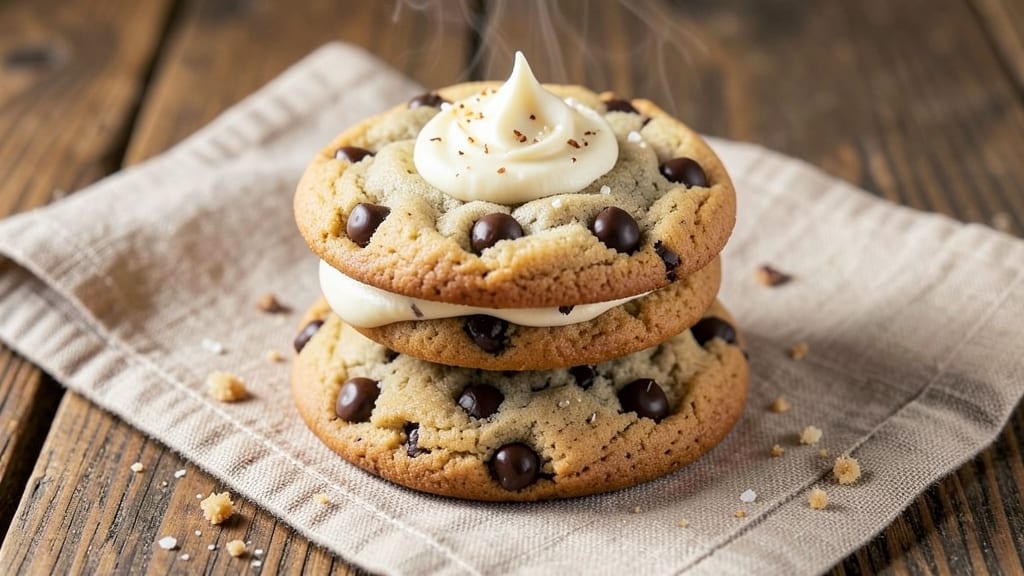
Betty Crocker’s gluten-free chocolate chip cookies deliver that triple-layered crunch and warm chocolate streaks you crave—without the gluten. This recipe transforms simple ingredients into cookies that rival classic versions, with a foolproof method for perfect texture every time.
The secret lies in the right gluten-free flour blend and a few key techniques that prevent crumbling while keeping them tender inside.
What sets these apart is the two-stage chilling process—essential for gluten-free dough to hold its shape without spreading too much. We’ll use a 1:1 gluten-free flour blend (or almond/oat flour for nutty depth) and cold butter to create pockets of air that bake into that signature crunch.
The chocolate chips stay melty thanks to a low-and-slow bake, ensuring every bite has that gooey surprise.
By the time these cookies emerge from the oven, you’ll have golden edges, chewy centers, and streaks of caramelized chocolate that make them impossible to resist. The recipe adapts easily—swap dairy butter for coconut oil, or add sea salt and walnuts for extra flavor.
These cookies are restaurant-quality at home, with none of the guesswork.
Perfect for holiday baking, potlucks, or satisfying a 3 PM sweet tooth, this recipe makes two dozen cookies that’ll disappear faster than you can say "double chocolate." Let’s get baking—your taste buds (and gluten-free friends) will thank you.
Ingredients for betty crocker gluten free chocolate chip cookie
Pantry staples plus gluten-free magic for cookies that rival classic versions.
| Ingredient | Amount | Notes |
|---|---|---|
| 1:1 Gluten-Free All-Purpose Flour Blend 🌾 | 2 ½ cups | King Arthur or Bob's Red Mill preferred |
| Unsalted Butter 🧈 | 1 cup | Cold, cubed, European-style preferred |
| Granulated Sugar 🍚 | ¾ cup | White sugar, no substitutions |
| Packed Brown Sugar 🍚 | ¾ cup | Light or dark, packed firmly |
| Large Eggs 🥚 | 2 whole | Room temperature, beaten |
| Vanilla Extract 🌿 | 2 tsp | Pure vanilla, not imitation |
| Baking Soda 🧂 | 1 tsp | Aluminum-free preferred |
| Diamond Crystal Kosher Salt 🧂 | 1 tsp | Fine grain, not table salt |
| Semisweet Chocolate Chips 🍫 | 2 cups | Enjoy Life brand for gluten-free |
| Almond Flour 🌰 | ½ cup | Optional for nutty depth |
| Oat Flour 🌾 | ½ cup | Optional for chewy texture |
| Flaky Sea Salt 🧂 | 1 tsp | For sprinkling on top |
| Granulated Sugar 🍚 | ¼ cup | For sprinkling on top |
The 1:1 gluten-free flour blend is non-negotiable here—King Arthur or Bob's Red Mill are the gold standards, but any blend labeled "1:1" works. I always buy extra because it disappears fast. For texture variations, almond flour adds richness while oat flour keeps them chewy. The butter needs to be cold and cubed—take it out of the fridge just before mixing to avoid melting. European-style butter has higher fat content, which helps with that signature crunch. If you're using dairy-free butter, Miyoko's or Earth Balance are solid choices, but expect slightly less flavor.
No vanilla extract? Almond extract at half the amount works in a pinch, though it tastes different. The chocolate chips must be gluten-free—Enjoy Life brand is my go-to, but check labels. For extra indulgence, fold in white chocolate chips or chopped nuts at the end. The two-stage chilling is key: chill the dough for 30 minutes, then shape and freeze for 20 minutes before baking. This prevents spreading while keeping the centers tender. If you're short on time, skip the second chill but bake at 350°F instead of 375°F for slightly thicker cookies.
Dough keeps for up to 3 days in the fridge, wrapped tightly in plastic. For longer storage, portion into balls and freeze—they'll last 3 months. Thaw in the fridge overnight before baking. These cookies reheat beautifully: 30 seconds in the microwave brings back that warm chocolate streak. Double the batch—they disappear fast, especially around the holidays. Store baked cookies in an airtight container with a slice of bread to keep them soft for up to 5 days.
Why You'll Love This Recipe
- No-Fuss Mixing: I swear by the creamy butter and sugars—just cream, stir, fold. No food processor, no weird ratios, and that 1:1 gluten-free blend handles like a dream. Honestly, the hardest part is waiting for the oven to finish.
- Melty, Not Dry: That perfect balance of brown and white sugar gives them chewy centers and crisp edges—every time. The chocolate chips stay gooey, not burnt, and the eggs add just enough structure to keep them from crumbling. (Yes, even on a Tuesday night.)
- Party or Snack: Double the dough, bake once, freeze half—now you’ve got cookies for holidays, lunchboxes, or midnight cravings. I’ve sent these to potlucks, packed them in kids’ school bags, and still they vanish in 24 hours.
- Budget Bargain: Uses pantry staples (butter, sugar) and stretches far with minimal waste. The gluten-free blend is pricey upfront, but one batch feeds a crowd or lasts me weeks. Between us? These cost half what store-bought gluten-free cookies do.
Step-by-step instructions for betty Crocker gluten-free chocolate chip cookies
Here's how to create those signature triple-layered cookies with gooey centers and crispy edges.
Cream Butter and Sugars for Maximum Fluffiness
In a stand mixer fitted with the paddle attachment, combine the 1 cup unsalted butter with the 0.75 cup granulated sugar and 0.75 cup packed brown sugar. Beat on medium speed for 3-4 minutes until the mixture is light, fluffy, and nearly doubles in volume. You'll see it go from pale to a creamy, pale yellow color—this is your signal that air has been incorporated properly.
I like to scrape down the sides of the bowl with a silicone spatula every minute to ensure even mixing. The reason we don't rush this step is that proper creaming creates the signature texture of these cookies—the air pockets help them spread just enough while maintaining their structure. If your butter isn't cold enough, the mixture might look greasy instead of fluffy, so make sure those cubes are properly chilled before starting.
Add Eggs and Vanilla for Binding
Add the 2 whole large eggs, one at a time, mixing on low speed after each addition until fully incorporated. Then add the 2 teaspoons vanilla extract and mix for another 10 seconds until just combined. The mixture will look slightly thicker and more cohesive now—this is when the dough starts to come together properly.
Here's a pro tip: I always use room-temperature eggs for better emulsification. If your eggs are straight from the fridge, let them sit in warm water for about 5 minutes before adding. The vanilla extract should be pure, not imitation—this makes a noticeable difference in flavor depth. After mixing, the batter should be smooth with no visible streaks of flour, which means we're ready for the dry ingredients.
Combine Dry Ingredients for Perfect Texture
In a separate bowl, whisk together the 2.5 cups 1:1 gluten-free all-purpose flour blend, 1 teaspoon baking soda, and 1 teaspoon diamond crystal kosher salt. Then add the 0.5 cup almond flour and 0.5 cup oat flour to this dry mixture and whisk again to combine. This step ensures even distribution of all the dry components, which is crucial for gluten-free baking where structure comes from proper ingredient balance.
With the mixer on low speed, gradually add the dry ingredients to the wet mixture, mixing just until combined. You should still see some small flour streaks—this means you haven't overmixed, which would make the cookies tough. Once combined, remove the bowl from the mixer and gently fold in the 2 cups semisweet chocolate chips using a silicone spatula. Make sure they're evenly distributed throughout the dough, with no big clumps of chocolate in one area.
Chill the Dough for Ideal Texture
Cover the bowl with plastic wrap and refrigerate for at least 1 hour, or up to 24 hours if you want to prep ahead. Chilling the dough is absolutely critical for these cookies—it prevents excessive spreading in the oven while allowing the gluten-free flour blend to fully hydrate. The cold temperature also helps the butter solidify slightly, which creates those beautiful crisp edges we're after.
I know it's tempting to skip this step, but trust me—chilled dough makes all the difference. When you're ready to bake, scoop the dough into 2-tablespoon portions (about 1.5 ounces each) and place them on parchment-lined baking sheets, spacing them 2 inches apart. The dough will hold its shape better when it's cold, giving you those perfect cookie rounds with crisp edges.
Bake to Golden Perfection with Sugar Sprinkle
Preheat your oven to 350°F and bake the cookies for 11-13 minutes until the edges are golden brown and the centers still look slightly underdone. They'll continue cooking on the hot baking sheet after removal. Right before putting them in the oven, sprinkle each cookie with a pinch of the 1 teaspoon flaky sea salt and 0.25 cup granulated sugar—this creates that signature crunchy top layer.
Let the cookies cool on the baking sheet for 5 minutes before transferring to a wire rack. This resting period is important—it allows the cookies to set properly while preventing the chocolate from melting too much. The result should be cookies with crisp edges, a soft center that's still slightly gooey, and those beautiful warm chocolate streaks throughout. Serve warm for the ultimate experience, with a cold glass of milk to complement the rich chocolate flavor.
Pro Tips For Making Betty Crocker Gluten Free Chocolate Chip Cookie
- CHILL THE DOUGH: Gluten-free dough spreads like crazy—literally. After mixing, pop it in the fridge for at least 30 minutes (or up to 48 hours if you’re planning ahead). This keeps the cookies from flattening into sad pancakes and gives you crisp edges instead of a gooey mess.
- MELT THE BUTTER COLD: Don’t microwave that butter—take it straight from the fridge, cut it into cubes, and let it soften at room temp. If you rush it, the dough gets greasy, and the cookies turn out dense. Patience here means chewy, buttery perfection.
- WEIGH THE FLOUR: Scooping gluten-free flour with a cup leads to inconsistent batches. Use a kitchen scale for precision—aim for 160 grams (or whatever the recipe calls for). Pack it lightly, then level it off. This avoids dry, crumbly cookies or ones that fall apart.
- UNDERBAKE THEM: Gluten-free cookies burn faster than regular ones. Pull them from the oven when the edges are just starting to golden—about 2-3 minutes before the recipe’s suggested time. They’ll firm up as they cool, but overbaking turns them into hockey pucks.
Wine and beer pairings for this betty crocker gluten free chocolate chip cookie
Rich Chocolate Milk
These gluten-free cookies pair perfectly with a glass of cold whole milk—the creamy texture balances the cookie’s crunch and chocolate richness. I recommend organic whole milk for its natural sweetness, or almond milk if you prefer a dairy-free option.
For extra indulgence, add a splash of vanilla syrup or a teaspoon of espresso powder to deepen the chocolate flavor. Serve in a tall glass with a straw for that nostalgic cookie-and-milk experience. 🥛
Sweet Dessert Wines
For an adult twist, try a sweet Moscato d'Asti—its light fruitiness complements the cookie’s chocolate notes without overpowering them. A Riesling from Germany (like Dr. Loosen Blue Slate) offers a crisp, slightly tart contrast that cuts through the richness.
Avoid heavy reds; even a Pinot Noir can clash with the delicate cookie texture. Chill the wine for 15 minutes before serving to enhance its refreshing qualities. 🍷
Craft Beer Pairings
If you prefer beer, a Belgian-style witbier (like Hoegaarden) with its citrusy notes and subtle spice pairs surprisingly well. For something bolder, try a honey brown ale—the caramel sweetness mirrors the cookie’s brown sugar, while the maltiness balances the chocolate.
Avoid hoppy IPAs, as their bitterness can overwhelm the delicate cookie flavors. Serve the beer chilled to let its effervescence cleanse your palate between bites. 🍺
Coffee and Espresso
For a post-dinner treat, serve these cookies with a strong espresso or cold brew. The bitterness of the coffee enhances the chocolate’s depth, creating a sophisticated flavor profile. Add a splash of heavy cream to your coffee for extra richness.
If you prefer iced coffee, try a vanilla latte—the creamy sweetness complements the cookie’s texture perfectly. 💫
Seasonal Adaptations
In winter, pair these cookies with hot spiced cider or chocolate milk for a cozy dessert. During summer, opt for sparkling lemonade or iced vanilla chai to refresh your palate.
For a festive touch, add a sprinkle of crushed peppermint to the cookies and pair with peppermint schnapps or mint-infused white wine. The contrast of cool and warm flavors makes every bite feel special. ✨
Nutrition facts
Frequently asked questions
Can I substitute regular flour for the gluten-free blend?
Never use regular flour—it contains gluten, which gives cookies structure that gluten-free blends can't provide. The recipe relies on the specific gluten-free flour blend to create that perfect triple-layered crunch without crumbling. For best results, stick with a 1:1 gluten-free all-purpose blend like King Arthur or Bob's Red Mill. If you're out of blend, almond flour adds richness but may make cookies denser.
Why does my gluten-free cookie dough spread so much?
Gluten-free dough lacks the natural gluten that helps cookies hold their shape, so spreading is common. To fix this, chill the dough for at least 1 hour (or up to 24 hours) before baking. Also, use cold butter and scoop dough balls with a 2-tablespoon cookie scoop for even size. Bake at 350°F instead of higher temps to slow spreading while keeping centers tender.
How do I make these cookies dairy-free?
Replace the butter with 1 cup dairy-free margarine (like Earth Balance) or coconut oil (solid, not melted). Use dairy-free chocolate chips (Enjoy Life brand) and swap eggs for 2 flax eggs (2 tbsp ground flaxseed + 6 tbsp water, mixed and rested for 5 minutes). The texture will be slightly different but still delicious—expect a more cake-like crumb.
Can I add nuts or other mix-ins?
Fold in ½ cup chopped walnuts or pecans for crunch, or try white chocolate chips for contrast. For extra indulgence, sprinkle flaky sea salt on top before baking. Just don't overdo it—too many mix-ins can make cookies dense. Stick to 1 extra cup total of add-ins (including chocolate chips) for best results.
How do I store or freeze these cookies?
Store baked cookies in an airtight container with a slice of bread to keep them soft for 5 days. For longer storage, freeze dough balls (unbaked) for 3 months10-15 seconds to restore that warm chocolate streak. Never freeze baked cookies—they become rubbery when thawed.