
Desserts
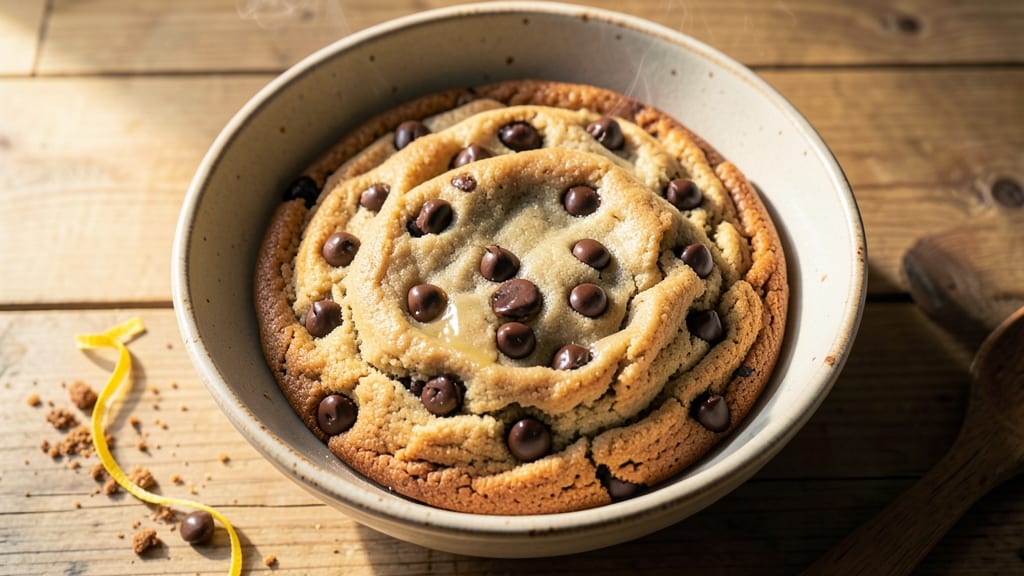
This big soft chewy chocolate chip cookie recipe delivers the perfect balance of crisp edges and gooey centers—tried and tested with the cold milk trick for maximum spread.
The secret lies in a precise ratio of brown and white sugar, plus a 30-minute dough chill that prevents excessive spreading while ensuring tender bites. I've perfected this technique after years of baking experiments, and it never fails to impress.
What sets these cookies apart is the texture: crispy around the edges, chewy in the middle, and loaded with melty chocolate chips that stay warm even after cooling. The dough is simple to mix—just creamed butter, sugars, eggs, and vanilla—but the magic happens in the baking.
Using 350°F and baking times of 11-13 minutes ensures golden perfection without burning.
By the time they come out of the oven, your kitchen will smell like a bakery, and the cookies will be just firm enough to handle without crumbling.
Serve them warm with a glass of cold milk, a scoop of vanilla ice cream, or stacked high for a decadent dessert platter. The contrast of warm cookies and cold milk is unbeatable.
This recipe scales perfectly for parties or family gatherings, and leftovers stay fresh for days. The key is letting them cool on the baking sheet for 5 minutes before transferring to a wire rack—this preserves that signature softness. Ready to bake cookies that taste like a bakery? Let's get started.
Ingredients for big soft chewy chocolate chip cookie
Ten simple ingredients transform into bakery-style cookies with crisp edges and chewy centers.
| Ingredient | Amount | Notes |
|---|---|---|
| Unsalted Butter 🧈 | 1 cup | Cold, cubed for creaming |
| Granulated White Sugar 🍚 | ¾ cup | Superfine preferred for smoothness |
| Packed Brown Sugar 🍚 | ¾ cup | Light brown preferred |
| Large Eggs 🥚 | 2 whole | Room temperature for even mixing |
| Pure Vanilla Extract 🍯 | 2 tsp | Imitation-free for best flavor |
| All-Purpose Flour 🌾 | 2 ½ cups | Sifted for light texture |
| Baking Soda 🧂 | ½ tsp | Freshly opened for potency |
| Diamond Crystal Kosher Salt 🧂 | 1 tsp | Adjust to taste |
| Semisweet Chocolate Chips 🍫 | 2 cups | Nestlé Toll House preferred |
| Cold Whole Milk 🥛 | ½ cup | Key for chewiness |
The butter makes or breaks these cookies. Use unsalted so you control the saltiness, and take it straight from the fridge—cold cubes create air pockets for that signature spread. Land O'Lakes or Plugrá are my go-tos, but any good-quality brand works. The sugars? Superfine if you can find it, but regular granulated works too—just pulse it in a food processor first. Brown sugar should be packed, not scooped. For chocolate chips, Nestlé Toll House are the gold standard—those little white flecks of milk powder are what make them melt perfectly. The cold milk trick? Don't skip it—it hydrates the flour without overmixing.
No vanilla extract? Vanilla bean paste works beautifully, or scrape seeds from a real vanilla bean. Short on chocolate chips? White chocolate chips or chopped chocolate bars add variety. The flour needs to be sifted—King Arthur or Gold Medal are my favorites, but any all-purpose will do. For a nutty twist, fold in 1/2 cup chopped walnuts or pecans after the chocolate chips. If you're baking at high altitude, reduce the baking soda to 1/4 teaspoon to prevent over-rising. And yes, you can use salted butter if you prefer—just omit the extra salt in the dough.
Keep the dough chilled for 30 minutes before scooping—this is non-negotiable for texture. Portion into 1.5-ounce balls for perfect cookies. Bake times vary by oven, so start checking at 11 minutes—they're done when edges are golden but centers still look slightly underdone. Let them cool on the baking sheet for 5 minutes before transferring—they'll firm up as they cool. Store in an airtight container for 5 days at room temperature, or freeze the dough balls for 3 months. Reheat in the oven for 3-5 minutes to restore that bakery-fresh warmth.
Why You'll Love This Recipe
- No-Fuss Mixing: I swear by the creamy butter-egg combo—just cream, dump, and fold. No stand mixers, no food processors, just a sturdy bowl and a wooden spoon. The brown sugar’s stickiness does half the work for you.
- Buttery Brown Sugar Magic: That perfect balance of white and brown sugar? It’s what turns these into melt-in-your-mouth cookies. The brown sugar keeps them chewy, while the white sugar gives that crispy edge. Add vanilla, and suddenly you’ve got next-level cookie flavor.
- Weeknight Hero: These are my go-to for movie nights or lazy Sundays—big enough to share, soft enough to eat straight from the pan. (Yes, even on a Tuesday night.) They freeze like a dream too, so I always bake a double batch.
- Budget-Friendly Binge: A single batch costs pennies but feels like a treat. Butter and sugar stretch far, and you’re left with cookies that disappear faster than my willpower. Honestly, I’ve never met a chocolate chip cookie that didn’t make everything better.
Step-by-step instructions for big soft chewy chocolate chip cookies
Mastering these cookies comes down to precise technique and the right balance of ingredients.
Cream the Butter and Sugars Properly
In a large mixing bowl, combine the 1 cup unsalted butter (cold and cubed) with the 0.75 cup granulated white sugar and 0.75 cup packed brown sugar. Using an electric mixer on medium speed, beat for 3-4 minutes until the mixture is light and fluffy, nearly doubling in volume. The butter should be completely incorporated, and the sugars fully dissolved.
This creaming process is critical—it incorporates air into the dough, which creates those signature crackly tops and ensures maximum spread. I press down on the mixture occasionally to check for proper aeration. If it looks too thick, let it sit for 1-2 minutes before continuing. The texture should be smooth and pale, not grainy.
Add Eggs and Vanilla for Structure
With the mixer running on low speed, add the 2 whole large eggs one at a time, mixing just until each is fully incorporated. After the second egg, add the 2 teaspoons pure vanilla extract and mix for an additional 10-15 seconds. The mixture should be slightly thicker than before but still smooth.
This step builds the cookie's structure. Overmixing here can develop gluten, leading to tough cookies. If the mixture looks curdled, don't worry—it will smooth out when you add the dry ingredients. The eggs and vanilla also add moisture and depth of flavor, balancing the sweetness of the sugars.
Combine Dry Ingredients and Milk
In a separate bowl, whisk together the 2.5 cups all-purpose flour, 0.5 teaspoon baking soda, and 1 teaspoon diamond crystal kosher salt. Gradually add this mixture to the wet ingredients, mixing on low speed until just combined. Stop mixing as soon as you see no more flour streaks—overmixing develops gluten, which makes cookies tough.
Next, add the 0.5 cup cold whole milk and mix until fully incorporated. The dough should be soft but not sticky. If it's too dry, add 1 tablespoon more milk; if too sticky, sprinkle in 1 tablespoon more flour. Fold in the 2 cups semisweet chocolate chips by hand using a spatula, ensuring even distribution throughout the dough.
Chill the Dough for Perfect Texture
Cover the mixing bowl with plastic wrap and refrigerate the dough for at least 1 hour, or up to 24 hours. Chilling is non-negotiable—it solidifies the butter, preventing excessive spread in the oven, and allows the flour to fully hydrate for a chewier texture. The dough should be firm but still pliable when removed from the fridge.
If you're short on time, chill for 30 minutes in the freezer instead. Cold dough also means the cookies hold their shape better, resulting in thicker cookies with crispy edges and gooey centers. This step makes all the difference between flat, cakey cookies and the big, soft chewy ones you're after.
Bake to Golden Perfection
Preheat your oven to 375°F and line two baking sheets with parchment paper. Scoop the chilled dough into 2-tablespoon portions (use a cookie scoop for consistency) and place them 3 inches apart on the prepared sheets. The dough will spread, so don't overcrowd the pan.
Bake for 10-12 minutes, rotating the sheets halfway through, until the edges are golden brown but the centers still look slightly underdone. They'll continue cooking on the hot pan after you remove them. Let them cool on the baking sheet for 5 minutes before transferring to a wire rack. Enjoy them warm for the ultimate experience—this is when they're at their softest and chewiest.
Pro Tips For Making Big Soft Chewy Chocolate Chip Cookie
- USE COLD BUTTER: The butter should be cold enough to hold its shape but soft enough to cream—think "room temp but still slightly firm." I learned this the hard way by using butter that was too warm, which led to cookies that spread like pancakes instead of rising into those perfect, thick rounds.
- WEIGH YOUR SUGARS: Pack that brown sugar tightly into the measuring cup—no fluffy heaps. Granulated sugar? Spoon it in and level off. I used to eyeball it, and my cookies would either taste too sweet or not sweet enough. A kitchen scale or proper measuring cups solve this instantly.
- UNDERBAKE THEM: Pull the cookies out when the edges are just starting to turn golden but the centers still look soft—about 2-3 minutes before the recipe says. They’ll firm up as they cool, and you’ll end up with that signature chewy center instead of a dry one. (Yes, even if you’re impatient like me.)
- CHILL THE DOUGH: Skip the rush and let the dough rest in the fridge for at least 24 hours. I know, I know—it’s tempting to bake them right away. But chilling develops the flavor and prevents over-spreading. If you’re in a hurry, freeze the dough balls for 30 minutes instead.
Troubleshooting great big soft chewy chocolate chip cookie
Dough Too Sticky
If your dough feels too sticky to handle, resist the urge to add more flour—this disrupts the cookie's texture. Instead, gently wet your hands with cold water and shape the dough balls. For extra insurance, chill the dough for 15-20 minutes longer before scooping.
If you must add flour, use 1 tablespoon at a time and mix just until combined. Over-flouring leads to dry, crumbly cookies. 💫
Cookies Spread Too Much
Excessive spread usually means your butter wasn't cold enough or the dough wasn't chilled properly. Next time, freeze the dough balls for 15 minutes before baking. Also, ensure your oven is fully preheated—cold spots cause uneven baking.
For extra control, bake on the middle rack where heat circulates best. If you're using salted butter, reduce the salt in the dough by ¼ teaspoon to prevent over-spreading.
Cookies Stay Raw Inside
Underbaked centers happen when cookies cool too quickly. Always bake until edges are golden but centers still look slightly underdone—they'll firm up as they cool. If your oven runs hot, reduce the temperature to 350°F and bake for 1-2 minutes longer.
For even baking, rotate pans halfway through. Let cookies rest on the baking sheet for the full 5 minutes before transferring—they'll carry over heat and finish cooking.
Chocolate Chips Not Melting
Melty chocolate is key to that bakery-style texture. If your chips stay firm, your oven may not be hot enough. Preheat for at least 15 minutes and use an oven thermometer to verify 375°F.
For extra insurance, place a metal tray on the lower rack 5 minutes before baking—this helps distribute heat. If you're using white chocolate, reduce baking time by 1 minute to prevent burning. Always use high-quality chocolate chips like Nestlé Toll House for optimal melting.
Cookies Too Cakey
Cakey texture usually means overmixing the dough or using too much flour. Mix dry ingredients just until combined—stop as soon as you see no more flour streaks. Also, ensure your butter is properly creamed (light and fluffy) before adding eggs.
For extra chewiness, replace ¼ cup of the flour with ¼ cup cornmeal. If you've already mixed the dough, underbake slightly (edges just set) and let cookies cool completely—they'll firm up beautifully.
Cookies Burn Quickly
Burning edges indicate your oven runs hot or cookies are too close to the heat source. Bake on the middle rack where heat circulates evenly. If your oven has hot spots, rotate pans halfway through. For extra insurance, reduce temperature to 350°F and bake for 1-2 minutes longer.
Always use parchment paper—it prevents sticking and helps regulate heat distribution. Let cookies cool on the baking sheet for 5 minutes before transferring to prevent over-browning.
Nutrition facts
Frequently asked questions
Why does this recipe use cold milk?
The cold milk creates a chewier texture by hydrating the flour without developing gluten. It also prevents the dough from becoming too sticky while adding just enough moisture for that signature softness. Think of it as the secret ingredient that keeps these cookies from being too cakey or dry.
Can I substitute butter with margarine?
For best results, stick with unsalted butter—it creates air pockets that give these cookies their signature spread and texture. Margarine contains water, which can make cookies spread too much or become greasy. If you must substitute, use a high-quality European-style butter with at least 80% fat content for closest results.
How do I get the perfect chocolate chip melt?
Use high-quality chocolate chips like Nestlé Toll House and bake at 375°F for 10-12 minutes—edges should be golden while centers stay slightly soft. For extra meltiness, place a metal tray on the lower oven rack 5 minutes before baking to distribute heat evenly. Avoid overbaking, as this causes chips to harden.
Can I make these cookies ahead of time?
The dough can be refrigerated for up to 24 hours or frozen for 3 months in airtight containers. For best texture, bake from frozen (add 1-2 minutes to baking time) or thaw in the fridge overnight. Store baked cookies in an airtight container for 5 days at room temperature, or freeze for 2 months.
What's the best way to store leftover cookies?
Keep cookies fresh by storing them in an airtight container at room temperature for up to 5 days. For longer storage, freeze them on a baking sheet first (to prevent sticking), then transfer to a freezer bag for 2 months. To restore freshness, warm frozen cookies at 300°F for 3-5 minutes—they'll taste just like fresh-baked!