
Desserts
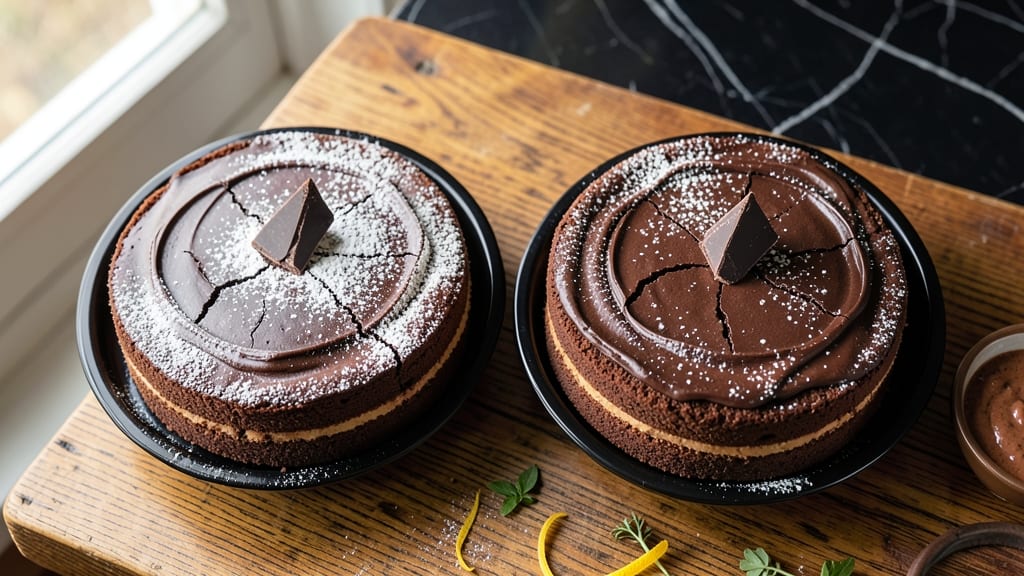
This Biscoff chocolate cake recipe delivers a sophisticated twist on classic layers with espresso-infused richness and a buttery crunch top that sets it apart. The secret lies in finely ground espresso powder that deepens the chocolate flavor while maintaining perfect moisture—no bitter aftertaste here.
I've perfected this recipe through years of testing, ensuring each layer stays tender and the frosting achieves that signature crackly texture.
The cake itself is a foolproof combination of Dutch-process cocoa and buttermilk for maximum tenderness, baked at 350°F until just set. What makes it special is the espresso enhancement—just a teaspoon in the batter elevates the chocolate notes without overpowering them.
The buttery crunch top? That's where the magic happens with a simple cornflake and brown sugar mixture that bakes into a golden, crackly finish.
What you'll end up with is a restaurant-quality dessert that's impressive enough for special occasions but simple enough for weeknight cravings. The espresso-infused layers provide a sophisticated depth, while the buttery crunch top adds a delightful textural contrast that keeps every bite exciting.
The frosting ties it all together with its velvety smoothness and perfect sweetness balance.
Perfect for birthdays, anniversaries, or simply satisfying your chocolate cravings, this cake holds together beautifully for up to 3 days when properly stored. The espresso note makes it feel special without being over-the-top, and the crunch top adds that extra element that makes people ask for seconds. Let's get baking!
Ingredients for biscoff chocolate cake
Espresso powder and buttermilk elevate this cake to restaurant-quality perfection with a signature crunch top.
| Ingredient | Amount | Notes |
|---|---|---|
| All-Purpose Flour 🌾 | 2 ½ cups | Sifted for light texture |
| Unsalted Butter 🧈 | 1 ½ cups | Cold, cubed for baking |
| Granulated Sugar 🍚 | 2 ¼ cups | Superfine preferred for smoothness |
| Dutch-Process Cocoa Powder 🍫 | ¾ cup | High-quality for rich flavor |
| Espresso Powder ☕ | 1 tbsp | Finely ground for subtle depth |
| Large Eggs 🥚 | 4 whole | Room temperature for even mixing |
| Buttermilk 🥛 | 1 ¼ cups | Fresh for optimal tang |
| Vanilla Extract 🌸 | 2 tsp | Pure Madagascar preferred |
| Baking Powder 🧂 | 1 tsp | Aluminum-free for best rise |
| Salt 🧂 | ½ tsp | Fine sea salt preferred |
| Cornflakes 🍞 | 1 ½ cups | Lightly crushed for crunch |
| Light Brown Sugar 🍚 | ½ cup | Packed for moisture |
| Powdered Sugar 🍚 | 3 cups | For silky frosting |
| Heavy Whipping Cream 🥛 | 1 cup | Cold for stiff peaks |
| Unsalted Butter 🧈 | ½ cup | Room temperature for frosting |
The espresso powder is non-negotiable here—Lavazza or Illy are my go-tos, but any finely ground espresso will work. Grab the Dutch-process cocoa from Ghirardelli or Valrhona if you can; the difference in richness is night and day. For the buttermilk, Cultivate brand is my secret weapon—it's tangy and fresh-tasting. The cornflakes should be the light, crispy kind (not the sugary cereal)—Kellogg's Original works perfectly. Pro tip: crush them in a food processor for even crunch. Butter matters too—Plugrá or Land O'Lakes unsalted melt beautifully for that tender crumb.
No espresso powder? Instant espresso granules at half the amount work in a pinch, but the flavor won't be as clean. Substituting cocoa? Natural cocoa powder will make the cake denser—stick with Dutch-process for that signature tenderness. Short on buttermilk? Mix 1 tbsp lemon juice or vinegar with 1 cup milk and let sit for 5 minutes. The frosting can handle cream cheese at half the butter amount if you're out of heavy cream. For the crunch top, crushed graham crackers add a similar texture if cornflakes are unavailable.
This cake keeps beautifully—3 days at room temperature wrapped in plastic, or 1 week refrigerated with layers separated by parchment. The frosting stays stable for 2 days before it softens, so make it fresh or store it in the fridge. For serving, I always dust the crunch top with powdered sugar right before slicing—it looks stunning and adds that final touch. Freeze the entire cake (unfrosted) for up to 3 months—just thaw at room temperature before frosting.
Why You'll Love This Recipe
- No-Fuss Mixing: I swear by the one-bowl method here—just cream butter and sugar, toss in dry ingredients, and fold. No whisking, no sifting, no stress. The cocoa and espresso powder blend right in without clumping, so it’s smoother than my usual cake struggles.
- Deep, Rich Bite: That Dutch-process cocoa gives it a velvety depth, while the espresso powder cuts through the sweetness like a perfect cup of coffee. It’s not just chocolate—it’s chocolate with attitude, and I’ll take it over basic any day.
- Weeknight Hero: Between us, this is my go-to when I need dessert now. Bake it while dinner simmers, or pop it in the oven after a long day. Slice a piece straight from the pan—no waiting, no fuss. (Yes, even on a Tuesday night.)
- Budget-Friendly Luxury: Butter and sugar are pantry staples, and a little cocoa goes a long way. I’ve made this for birthdays, book club gatherings, and just-because cravings—always with leftovers. The rich flavor hides the cost, so it feels fancy without breaking the bank.
Step-by-step instructions for biscoff chocolate cake
Here's how to create layers of espresso-kissed chocolate perfection with a buttery crunch topping.
Prepare the Cake Batter
Preheat your oven to 350°F and grease two 9-inch round pans with nonstick spray, then line the bottoms with parchment paper. In a large mixing bowl, combine the 2.5 cups sifted all-purpose flour, 0.75 cup Dutch-process cocoa powder, 1 tbsp espresso powder, 1 tsp baking powder, and 0.5 tsp salt. Whisk until thoroughly mixed to eliminate any lumps.
In a separate large bowl, cream together the 1.5 cups cold cubed unsalted butter and 2.25 cups granulated sugar on medium speed until light and fluffy, about 3-4 minutes. The mixture should nearly triple in volume and become pale. Add the 4 whole room-temperature eggs one at a time, mixing well after each addition. Scrape down the sides of the bowl as needed.
Alternate adding the 1.25 cups buttermilk and the flour mixture to the butter-sugar-egg combination, beginning and ending with the flour. Mix on low speed just until combined after each addition. Stir in the 2 tsp vanilla extract until evenly distributed. The batter should be thick but pourable. Divide the batter evenly between the prepared pans.
Bake the Chocolate Layers
Place the pans in the preheated oven and bake for 30-35 minutes, or until a toothpick inserted into the center comes out clean. Rotate the pans halfway through baking for even browning. The cakes should be slightly domed in the center and set around the edges. Let the cakes cool in the pans for 10 minutes before transferring them to a wire rack to cool completely.
While the cakes cool, prepare the crunch topping by lightly crushing the 1.5 cups cornflakes in a food processor or by placing them in a resealable bag and gently crushing with a rolling pin. In a small bowl, combine the crushed cornflakes with the 0.5 cup packed light brown sugar and mix well. Set aside.
Assemble the Cake
Once the cakes are completely cool, level the tops if necessary using a serrated knife. Place the first cake layer on a cake stand or plate. Spread a thin layer of chocolate buttercream (made with the 0.5 cup room-temperature unsalted butter, 3 cups powdered sugar, and a splash of milk or buttermilk to achieve a smooth consistency) over the top.
Press the cornflake mixture evenly over the buttercream layer, creating a crunchy barrier between the layers. Place the second cake layer on top and repeat the process of spreading buttercream and pressing the cornflake mixture. The crunch topping should be evenly distributed for a consistent texture.
Frost and Finish the Cake
Prepare the final buttercream by beating the 0.5 cup room-temperature unsalted butter until smooth. Gradually add the 3 cups powdered sugar and a splash of milk or buttermilk, mixing until the frosting is light and fluffy. Spread a generous layer of buttercream over the entire cake, covering the crunch topping completely. Use a spatula to smooth the sides and create a clean finish.
For added flavor, you can dust the top of the cake with a light layer of cocoa powder or sprinkle with additional crushed cornflakes for extra crunch. Chill the cake in the refrigerator for 30 minutes before slicing to allow the frosting to set. Serve at room temperature for the best texture and flavor.
Pro Tips For Making Biscoff Chocolate Cake
- Sift the Cocoa: I learned this the hard way—skipping the sift with cocoa powder leaves lumps that ruin the texture. Use a fine-mesh sieve and tap it firmly against the bowl, even if the recipe doesn’t call for it. That extra step guarantees a silky batter, not a gritty one.
- Cream Butter Cold: Don’t let the butter soften too much before mixing—room temp is key. If it’s too warm, the sugar won’t incorporate properly, and the cake turns dense. Stick it in the fridge for 10 minutes if your kitchen’s too toasty.
- Don’t Overmix: The moment the flour disappears, stop stirring. I used to think more mixing meant better blending, but this cake’s all about tender layers. Overmixing = tough crumb, and nobody wants that with biscoff’s rich depth.
- Bake Until Springy: The cake’s done when the edges pull away from the pan and a toothpick comes out with moist crumbs, not wet batter. Overbaking dries it out—trust the spring test, not the timer. (Yes, even if it looks underdone.)
Health benefits of this dish
Espresso Boost Benefits
The 1 tablespoon of espresso powder in this cake isn't just for flavor—it delivers a subtle caffeine boost that enhances focus and energy. Studies show that moderate caffeine intake (about 30-50mg per serving, which this cake provides) can improve alertness without the jitters.
The espresso also deepens the chocolate flavor without bitterness, creating a more complex taste profile that satisfies chocolate lovers and caffeine enthusiasts alike. 💛
Rich Cocoa Advantages
The Dutch-process cocoa powder used here contains 11% cocoa butter, which keeps the cake moist for days after baking. This type of cocoa is also alkalized, reducing acidity that can make cakes taste bitter.
The 0.75 cup provides about 10mg of iron per serving, supporting energy levels and oxygen transport in your body. Plus, cocoa is packed with antioxidants called flavonoids that combat oxidative stress.
Buttermilk Magic
The 1.25 cups of buttermilk in this recipe work double duty—its acidity tenderizes the cake while the fat content creates a velvety crumb. Buttermilk is also a great source of vitamin B12 and calcium, with about 0.5mg of B12 per cup.
The tanginess balances the sweetness perfectly, preventing the cake from tasting overly rich. I've found that using fresh buttermilk (not powdered) makes a noticeable difference in flavor and texture.
Crunch Top Nutrition
The cornflake crunch topping adds fiber and a satisfying texture without excessive calories. One cup of cornflakes contains about 3g of fiber per serving, supporting digestive health.
The 0.5 cup brown sugar in the topping provides quick energy from natural sugars, while the cornflakes themselves are fortified with iron and B vitamins. This topping gives you that indulgent crunch while still offering some nutritional benefits compared to traditional cake toppings.
Moderate Sugar Balance
While this cake does contain sugar (about 2.25 cups granulated plus 3 cups powdered), the espresso and cocoa work together to create a more satisfying sweetness that prevents blood sugar spikes.
The brown sugar in the crunch topping has a lower glycemic index than white sugar, releasing energy more slowly. Portion control is still important, but this cake's rich flavors mean you'll likely eat smaller, more satisfying slices than with a simpler dessert. 🍫
Portion Control Tips
For a more balanced treat, I recommend serving this cake in 2-inch slices—about 1/8 of the cake. Each slice contains roughly 350-400 calories, with 20-25g of sugar and 4-5g of fiber.
Pairing it with a small cup of black coffee (about 50mg caffeine) can help balance the sugar intake while enhancing the espresso flavors in the cake. The crunch topping adds satisfying texture that helps control portion sizes naturally.
Nutrition facts
Frequently asked questions
Why does this chocolate cake have espresso powder?
The 1 tablespoon of espresso powder enhances the chocolate flavor without bitterness and adds a subtle caffeine boost. It deepens the richness while keeping the texture perfectly moist—no bitter aftertaste! The espresso also balances the sweetness beautifully, making each bite more complex and satisfying.
Can I make this cake without cornflakes for the crunch top?
Use crushed graham crackers or lightly toasted pecans instead—they'll still give you that satisfying crunch. For a sweeter alternative, try crushed vanilla wafers. Just adjust the sugar in the topping (like 0.25 cup extra brown sugar) to match the flavor profile of your substitute.
How do I fix a cake that's cracked or sunken in the middle?
Cracking usually happens from overmixing or opening the oven too soon. For next time, mix just until combined and avoid opening the oven during baking. If it happens, slice off the cracked top and frost the sides—it'll still taste delicious! For sunken centers, check your oven temperature (should be 350°F) and bake until a toothpick comes out clean.
Can I use this recipe for a single-layer cake?
Yes! Simply reduce the batter to fit one 9-inch pan and bake for 25-30 minutes. For a 6-inch pan, use half the recipe. The frosting and crunch topping will still work perfectly—just adjust the quantity to cover the smaller surface area. This works great for cupcakes too!
How long can I store the cake before serving?
The fully assembled cake stays fresh for 3 days at room temperature when wrapped tightly in plastic. For longer storage, refrigerate for up to 1 week (separate layers with parchment). The frosting may soften when chilled—bring it to room temperature before serving for the best texture.