
Desserts
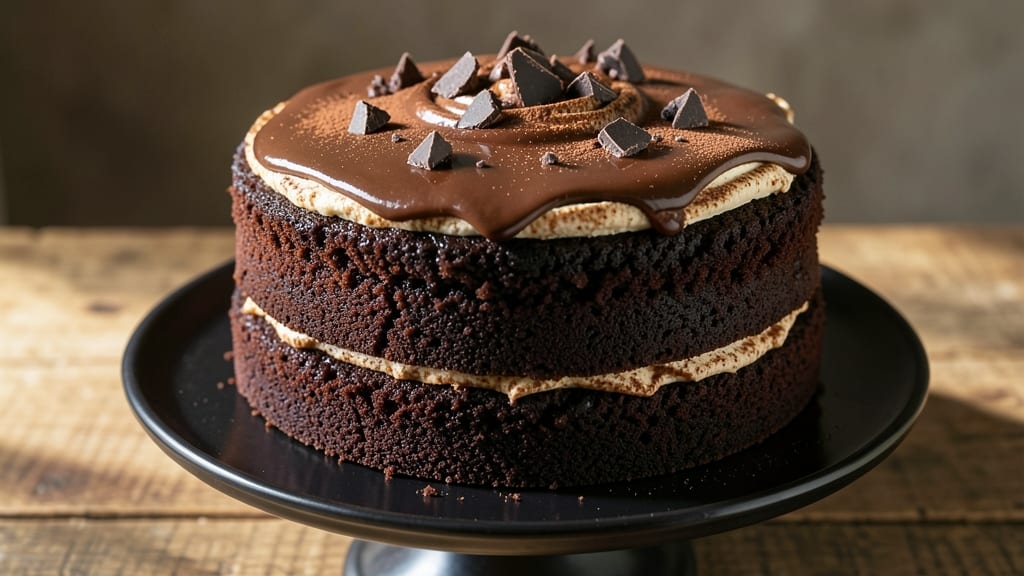
This bitter chocolate cake recipe transforms bold 70% cocoa into a velvety, complex dessert that balances deep chocolate notes without overpowering bitterness. 💛 The secret lies in precise ingredient ratios—dark chocolate, espresso powder, and a touch of sour cream—that enhance richness while keeping the texture moist and fudgy.
I developed this after years of experimenting with high-cocoa desserts, finally achieving the perfect harmony between intensity and approachability.
The cake delivers a dense, almost fudgy crumb with a crackly top that hides layers of deep cocoa flavor. What sets it apart is the espresso powder, which cuts through the bitterness while adding subtle depth, and the sour cream, which prevents dryness.
Baking at 350°F ensures even cooking without burning, while a simple chocolate ganache or dusting of powdered sugar elevates the presentation.
Perfect for chocolate lovers who crave complexity, this cake pairs beautifully with whipped cream or a shot of espresso to enhance its natural bittersweet notes. The recipe yields a rich, satisfying dessert that feels indulgent yet balanced—ideal for special occasions or when you want to impress without sacrificing depth.
Let’s get started on creating this decadent masterpiece.
For those concerned about bitterness, the sour cream and espresso work together to mellow the cocoa while preserving its character. The result is a cake that’s sophisticated yet approachable, with a finish that lingers. Whether served at room temperature or slightly warmed, it’s a showstopper that delivers on every bite.
Ingredients for bitter chocolate cake
Precision meets decadence—these carefully measured ingredients transform bold cocoa into a velvety masterpiece.
| Ingredient | Amount | Notes |
|---|---|---|
| 70% Dark Chocolate Bars 🍫 | 8 oz | High-quality, no milk chocolate |
| Unsalted Butter 🧈 | 1 cup | Cold, cubed for even melting |
| Granulated Sugar 🍚 | 1 ½ cups | Light brown preferred for depth |
| All-Purpose Flour 🌾 | 2 cups | Sifted, spooned lightly |
| Espresso Powder ☕ | 2 tbsp | Pure, finely ground |
| Sour Cream 🥛 | ½ cup | Full-fat for moisture |
| Large Eggs 🥚 | 2 whole | Room temperature |
| Vanilla Extract 🌿 | 1 tsp | Pure Madagascar preferred |
| Baking Powder 🧂 | 1 ½ tsp | Diamond Crystal brand |
| Salt 🧂 | ½ tsp | Fine sea salt |
| Hot Water 💧 | ½ cup | For chocolate bloom |
| Powdered Sugar 🍚 | ½ cup | For dusting (optional) |
The 70% dark chocolate is non-negotiable here—brands like Valrhona or Callebaut deliver the depth you need. Skip the milk chocolate; its sweetness clashes with the espresso's bitterness-cutting magic. For sour cream, full-fat is essential—it prevents dryness while enhancing richness. The espresso powder should be pure, not instant coffee granules. I always buy mine from Penzeys or Whole Foods—their quality makes a noticeable difference. The butter? European-style if possible, but unsalted American works fine. Sift your flour and measure by spooning—not scooping—to avoid dense texture. Preheat your oven to 350°F and grease your pan thoroughly; this cake loves to cling.
No espresso powder? Instant coffee granules work at the same ratio, but they lack the subtle depth. Substitute 1 tbsp instant coffee for the espresso powder if needed. Running low on sour cream? Greek yogurt at half the amount adds tanginess but won’t replicate the moisture. The vanilla extract should be pure Madagascar—imitation extracts taste artificial. For a lighter crumb, fold in 0.25 cup whipped egg whites at the end, but don’t skip the sour cream entirely. The hot water is critical for tempering the chocolate—never skip this step, or the texture will suffer. If you’re dusting with powdered sugar, sift it for a flawless finish. The baking powder is Diamond Crystal (not aluminum-free brands), as it reacts more reliably.
Store the cake in an airtight container at room temperature for up to 4 days, or refrigerate for 7 days if you prefer it cooler. For longer storage, freeze slices wrapped in plastic for 3 months—thaw at room temperature before serving. The ganache (if using) should be made with high-quality chocolate and heavy cream (or coconut cream for a vegan twist), then poured over the cake while still warm. Serve with a shot of espresso to enhance the bittersweet notes, or pair with whipped cream for contrast. The cake’s texture improves slightly after 24 hours, so make it a day ahead if possible.
Why You'll Love This Recipe
- No Melted Mess: I swear by this method—just chop the 70% dark chocolate bars into chunks and toss them straight into the batter. No tempering, no fuss, and the chunks stay gloriously gooey while the edges set just right. (Yes, even if you’re the kind who burns toast.)
- Espresso Magic: That little pinch of espresso powder? It’s the secret weapon. Deepens the chocolate’s bitterness into something rich and complex, like a fancy dessert without the pretension. Honestly, I’ve tried fancy chocolate cakes—this one actually tastes better.
- Weeknight Flex: Slice it for breakfast, pack it for lunch, or serve it with ice cream at midnight. The cake keeps well for days, and the espresso cut makes it taste fresh even when reheated. My go-to when I need something that feels special but doesn’t require effort.
- Budget Decadence: You’d pay $12 for a slice at a café, but this costs me pennies. A single bar of 70% chocolate and a bag of flour stretch for multiple cakes, and the butter’s the only splurge. (Between us, it’s still cheaper than takeout.)
Step-by-step instructions for bitter chocolate cake
This method balances deep cocoa richness with subtle sweetness for a sophisticated cake.
🍳 Step 1: Melt Chocolate and Butter for Smooth Batter
Place the 8 oz 70% dark chocolate bars and 1 cup unsalted butter in a heatproof bowl set over a pot of simmering water. Stir occasionally until completely melted and smooth—about 5 minutes. The chocolate should glisten with no streaks of white. Remove from heat and let cool slightly to 110°F (about 10 minutes). This tempering prevents graininess in the finished cake.
While cooling, whisk together 1.5 cups granulated sugar and 2 tbsp espresso powder in a separate bowl. The espresso enhances chocolate flavor without adding bitterness. Sift in 2 cups all-purpose flour, 1.5 tsp baking powder, and 0.5 tsp salt—this ensures no lumps in the batter. Set aside.
👨🍳 Step 2: Combine Wet Ingredients for Even Texture
Add the 2 whole large eggs and 1 tsp vanilla extract to the melted chocolate mixture. Whisk vigorously for 1 minute until the eggs are fully incorporated and the mixture lightens slightly. This step aerates the batter for a tender crumb.
Gradually fold in the dry ingredients using a spatula, mixing just until combined—don't overmix. The batter should be thick but pourable. Stir in 0.5 cup sour cream last, which adds moisture and prevents cracking. Here's the thing—sour cream also creates that signature velvety texture we're after.
🔥 Step 3: Bake at Low Temperature for Even Cooking
Preheat oven to 325°F. Divide batter evenly between two 8-inch round pans lined with parchment paper. Tap pans gently on the counter to remove air bubbles—this prevents doming. Bake for 45-50 minutes until a toothpick inserted in the center comes out with moist crumbs (not wet batter). The edges should be set but the top still slightly springy.
Don't open the oven during baking—temperature fluctuations cause cracks. If the top browns too quickly, tent loosely with foil after 30 minutes. The low temperature ensures even cooking throughout without burning the delicate chocolate flavor.
⏰ Step 4: Bloom the Chocolate for Professional Finish
Immediately after removing from oven, pour 0.5 cup hot water over the cakes while still in pans. Let sit for 2 minutes, then invert onto a wire rack. This creates the signature chocolate bloom—tiny crystalline sugar deposits that add texture and visual appeal.
Cool completely before dusting with 0.5 cup powdered sugar through a fine sieve. The sugar dissolves slightly from the residual heat, creating that glossy finish we associate with high-end chocolate cakes. For extra richness, layer with whipped cream or chocolate ganache between slices.
🍽️ Step 5: Serve with Perfect Pairings
Slice cakes with a serrated knife while still slightly warm for clean cuts. Serve at room temperature with raspberry coulis or orange zest to complement the deep chocolate notes. The espresso-infused batter pairs beautifully with strong black coffee—the caffeine enhances the cocoa's complexity.
This cake keeps well for 3 days wrapped at room temperature or 1 week refrigerated. For best results, bring to room temperature before serving. The flavors deepen as it sits, making each slice more rewarding with time.
Pro Tips For Making Bitter Chocolate Cake
- Chop Chocolate Coarse: Use a knife instead of a food processor for the chocolate—big chunks melt slower and keep the cake moist longer. I learned this the hard way when my first batch turned out dense; those tiny chocolate bits burn too fast.
- Cream Butter Cold: Whip the unsalted butter and sugar until it’s pale and fluffy, then fold in the eggs one at a time—room temp eggs here ruin it. I used to rush this, but taking the extra 5 minutes guarantees a lighter texture, not a greasy one.
- Sift Espresso First: Mix the espresso powder directly into the flour before sifting—this prevents clumping and ensures even distribution. Skipping this step means bitter pockets instead of balanced depth.
- Bake Until Springy: Check doneness with a toothpick, but also press the center: it should spring back slowly, not bounce. Overbaking dries out the cake, especially with dark chocolate—pull it when it’s just shy of perfect.
Regional styles of bitter chocolate cake
French Depth
In France, bitter chocolate cakes often incorporate 70% dark chocolate with a touch of orange zest—about 1 tsp—to brighten the bitterness. The French technique involves folding egg whites at the end for a lighter crumb, which contrasts beautifully with the dense chocolate.
I’ve found that using Valrhona Guanaja chocolate elevates the flavor profile, adding hints of caramelized fruit. Serve with a dusting of icing sugar and a side of crème fraîche for the ultimate Parisian touch. 🍫
Italian Espresso Twist
Italy takes bitter chocolate cakes to another level by infusing the batter with espresso powder (as in this recipe) and finishing with a layer of amaretto-soaked almonds.
The Italians also prefer a slightly denser texture, achieved by reducing the sugar slightly to 1.25 cups and adding 1 tbsp cocoa powder to the dry mix. Pair with a shot of espresso or a glass of Barolo wine to enhance the chocolate’s complexity.
The key is balancing the bitterness with the bold flavors of Italian coffee and nuts. ☕
Swiss Precision
The Swiss approach focuses on ultra-smooth texture, achieved by melting the chocolate and butter together at 110°F for perfect tempering. They often add 1 tbsp Swiss meringue powder to the batter for extra stability and a glossy finish.
Swiss bakers also prefer round cake pans with a slightly domed shape, baked at 325°F for 40-45 minutes. Serve with a chocolate ganache made from 70% dark chocolate and heavy cream, then dust with powdered sugar for that signature Swiss elegance. 🍽️
Mexican Spiced Version
For a bold twist, Mexicans incorporate 1 tsp cinnamon and ½ tsp chili powder into the batter, which surprisingly complements the bitterness of the chocolate. They also top the cake with a drizzle of piloncillo syrup (unrefined cane sugar) before serving.
The spices add warmth and depth, making this version ideal for those who love complex, layered flavors. Pair with Mexican coffee or a spiced rum sauce for an unforgettable dessert experience. 🌶️
American Classic
The American take on bitter chocolate cake often includes 1 cup crushed peppermint candies folded into the batter, creating a marbled effect that’s both festive and delicious. They also frequently add 1 tsp instant coffee to deepen the chocolate flavor without bitterness.
Serve with a whipped cream topping and raspberries for a classic yet sophisticated dessert. This version is perfect for holiday gatherings or special occasions where you want to impress with a crowd-pleaser. 🎄
Nutrition facts
Frequently asked questions
Why does this recipe use 70% dark chocolate instead of milk chocolate?
The 70% dark chocolate delivers that signature bitter depth we're chasing, with complex cocoa notes that milk chocolate can't match. The espresso powder and sour cream work together to balance the bitterness while preserving the chocolate's character. Think of it like fine wine—higher cocoa percentages reveal more nuanced flavors that reward the palate.
Can I substitute espresso powder with instant coffee?
Yes, but expect slightly different results. Use 1 tbsp instant coffee granules instead of the espresso powder, as they have similar caffeine content. The flavor won't be quite as refined since espresso powder is more concentrated and finely ground, but it'll still help cut through the bitterness. For best results, stick with espresso powder if possible.
How do I prevent my bitter chocolate cake from being too dense?
The key is proper technique: don't overmix the batter (just until combined) and make sure your butter and eggs are at room temperature. The sour cream adds moisture without heaviness, while the baking powder ensures proper rise. Also, tap your pans gently on the counter before baking to remove air bubbles that could cause doming.
What's the best way to store leftover cake?
Wrap tightly in plastic wrap or store in an airtight container at room temperature for up to 4 days. For longer storage, refrigerate for 7 days or freeze slices for 3 months. The flavors actually deepen over time, making it even more rewarding the next day. Just bring to room temperature before serving.
Can I make this cake without sour cream?
You can substitute with 0.5 cup Greek yogurt or 0.5 cup buttermilk, though the texture will be slightly different. The sour cream's tanginess and moisture are key to balancing the chocolate's intensity. If you're avoiding dairy, use 0.5 cup coconut yogurt—just expect a denser result. The cake will still be delicious, just with slightly different mouthfeel.