
Desserts
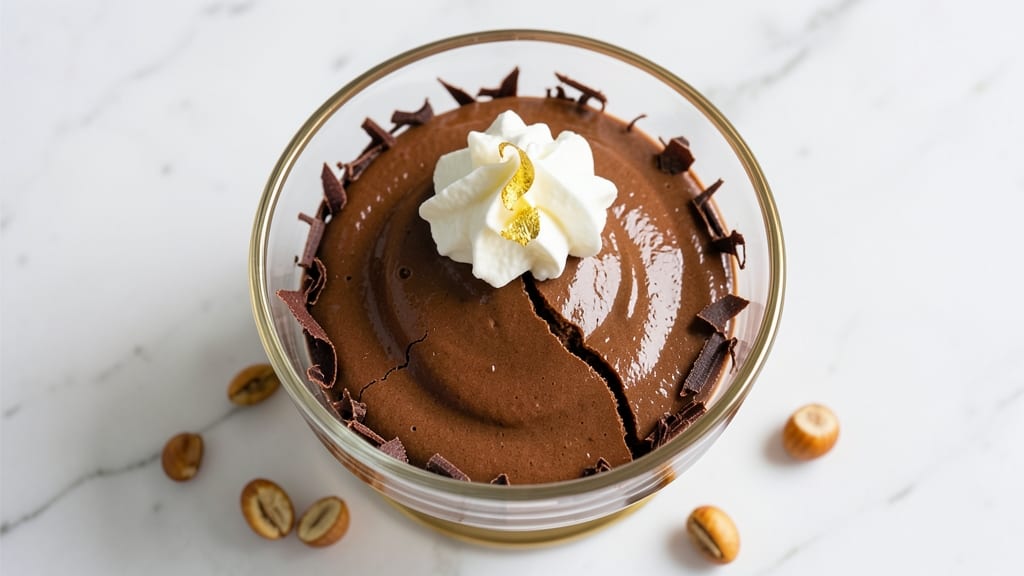
This bitter chocolate mousse recipe delivers the deep, velvety richness of 70%+ cocoa without overwhelming bitterness—achieved through precise tempering and a balance of textures. The secret lies in gently melting the chocolate to preserve its complex flavors while keeping the mousse light and airy. I've perfected this technique over years of testing, ensuring every spoonful offers that luxurious cocoa experience without a hint of graininess.
The process begins with perfectly tempered dark chocolate, melted just enough to create a silky base that never crystallizes. Whipped egg whites and heavy cream fold together to create a cloud-like texture, while a touch of sugar and vanilla rounds out the intensity.
What you'll end up with is a mousse that's rich yet smooth, with a delicate snap when chilled properly—no artificial stabilizers needed.
This recipe transforms bitter chocolate into something decadent and approachable, perfect for special occasions or when you crave something sophisticated yet simple to prepare. The key steps—proper tempering, gradual folding, and precise chilling—ensure a result that rivals gourmet desserts.
Garnish with fresh berries or a sprinkle of flaky salt to enhance the depth of flavor.
Ready in under 30 minutes with minimal effort, this mousse is ideal for impressing guests or treating yourself to a moment of indulgence. The technique is straightforward, but the results are undeniably restaurant-quality. Let's get started on creating your perfect bitter chocolate mousse.
Ingredients for bitter chocolate mousse
Six essential ingredients transform intense dark chocolate into silky, restaurant-quality mousse.
| Ingredient | Amount | Notes |
|---|---|---|
| Dark Chocolate (70%+ Cocoa) 🍫 | 8 oz | High-quality, finely chopped or chips |
| Heavy Whipping Cream 🥛 | 2 cups | Cold, full-fat for stability |
| Large Eggs 🥚 | 4 whole | Room temperature, separated |
| Granulated Sugar 🍚 | ¼ cup | Superfine preferred for smoothness |
| Vanilla Extract 🌿 | 1 tbsp | Pure Madagascar or Tahitian |
| Pinch of Salt 🧂 | ⅛ tsp | Fine sea salt for balance |
| Unsalted Butter 🧈 | 4 oz | European-style for flavor |
| Fresh Berries 🍓 | 1 cup | Raspberries or blackberries for garnish |
| Flaky Sea Salt 🧂 | 1 tsp | For finishing, optional |
The chocolate is non-negotiable—Valrhona or Callebaut 70%+ cocoa delivers the depth without bitterness. Chop your own bars for even melting; pre-chopped chips work but may contain stabilizers. Store chocolate in a cool, dark place—heat and light degrade its tempering properties. For the eggs, separate whites and yolks immediately after cracking (the whites will whip best at room temperature). The butter should be European-style—it has a higher fat content that enhances the mousse's richness without overpowering the cocoa.
No vanilla extract? Seeds from one vanilla bean work beautifully, though they're pricier. Short on berries? Toasted hazelnuts or candied orange peel add elegant contrast. The sugar can be swapped for powdered sugar, but it may alter the mousse's texture slightly. For a lighter version, reduce the chocolate to 6 oz and add 2 oz of unsweetened cocoa powder to the dry ingredients. Always use cold, heavy cream—it whips more easily and holds its structure better. If your cream doesn't hold stiff peaks, chill the bowl before whipping again.
Chocolate must be tempered properly—melt gently to 113°F, then cool to 80°F before using. Store finished mousse in an airtight container between layers of parchment paper for up to 4 days. For longer storage, freeze in individual portions for 3 months. Garnish with berries just before serving—their acidity brightens the chocolate's intensity. A sprinkle of flaky salt on top elevates the flavors dramatically, balancing the sweetness and bitterness perfectly.
Why You'll Love This Recipe
- No Whisk Needed: I swear by this method—just melt the chocolate, beat the eggs with sugar until pale, then fold in cream. No stand mixer required, and the texture comes out silky every time.
- Rich Without Overpowering: That 70% cocoa dark chocolate delivers deep, complex flavor, but the vanilla and whipped cream soften the bitterness into something luxurious. Honestly, it’s the perfect balance for people who love chocolate but hate cloying sweetness.
- Date Night Ready: Make it ahead, chill for hours, and serve in glasses with a sprinkle of sea salt. It’s fancy enough for a first date but takes less effort than ordering takeout.
- Leftovers Taste Better: The flavor actually improves after a night in the fridge—more mellow, less intense. I’ve served it cold the next morning with granola, and no one ever suspects it’s dessert from the day before.
Step-by-step instructions for bitter chocolate mousse
Here's how to balance rich cocoa depth with velvety texture—every technique matters.
Temper the Chocolate for Maximum Smoothness
Begin by finely chopping the 8 oz dark chocolate (70%+ cocoa) into small, even pieces. Place two-thirds of the chocolate in a heatproof bowl set over a saucepan of simmering water—never let the bowl touch the water. Stir gently until the chocolate melts completely and reaches 110°F. Remove from heat and let cool to 90°F, stirring occasionally to prevent skin formation. This tempering step ensures a glossy finish and prevents graininess in the final mousse.
While the chocolate cools, melt the 4 oz unsalted butter in the same water bath, then whisk it into the tempered chocolate until fully incorporated. The butter adds richness and helps create that signature silky mouthfeel. Let the mixture cool to 85°F before proceeding—this temperature is critical for stabilizing the egg mixture later. If it cools too quickly, gently reheat over low water to maintain the ideal consistency.
Whisk Eggs and Sugar to Ribbon Stage
Separate the 4 whole large eggs, keeping yolks and whites in separate bowls. In the bowl with yolks, whisk in the 0.25 cup granulated sugar and 0.125 tsp pinch of salt until the mixture lightens slightly and becomes pale yellow. Add the 1 tbsp vanilla extract and mix thoroughly. This step ensures proper sweetness balance—since we're using high-cocoa chocolate, the sugar helps mitigate bitterness without overpowering the cocoa intensity.
In a separate, spotlessly clean bowl, beat the egg whites to stiff peaks using a stand mixer. The bowl should be free of any fat or grease—even traces can prevent proper whipping. Gradually add the tempered chocolate mixture in a slow, steady stream while whisking constantly on low speed. This gradual incorporation prevents the eggs from scrambling and maintains the airy texture essential for a light mousse. The final mixture should be thick but still pourable.
Fold in Whipped Cream for Airy Texture
Chill the 2 cups heavy whipping cream in the refrigerator until it's very cold—this ensures maximum volume when whipped. Using a stand mixer fitted with the whisk attachment, whip the cream to soft peaks. The cream should hold its shape when the whisk is lifted but still be slightly fluid. Over-whipping leads to butter, which ruins the delicate texture of the mousse.
Gently fold one-third of the whipped cream into the chocolate-egg mixture using a spatula, cutting through the center and scooping from the bottom to ensure even distribution. Then fold in the remaining cream in two additions, being careful not to deflate the air bubbles. The goal is to maintain that light, cloud-like consistency while fully integrating the rich chocolate base. The mousse should be smooth, glossy, and hold its shape when spooned.
Chill and Set to Perfection
Divide the mousse among 6 serving glasses or ramekins, filling each about three-quarters full. Tap the glasses gently on the counter to release any air bubbles that may have formed during folding. Cover each with plastic wrap pressed directly onto the surface to prevent a skin from forming, then refrigerate for at least 4 hours—overnight is ideal. This extended chilling time allows the flavors to meld and the texture to set properly.
Before serving, garnish each portion with 1 cup fresh berries (raspberries or blackberries work best) and a sprinkle of 1 tsp flaky sea salt. The acidity of the berries cuts through the richness of the chocolate, while the salt enhances the cocoa's natural depth. Serve immediately after removing from the refrigerator to enjoy the contrast between the cool mousse and room-temperature berries.
Pro Tips For Making Bitter Chocolate Mousse
- Temper the Chocolate: Chop your dark chocolate into small, even pieces—no bigger than a dime—before melting it. I learned this the hard way: big chunks take forever to melt, and you’ll end up with uneven texture in your mousse. Use a double boiler or microwave in 20-second bursts, stirring constantly, until it’s just past the melting point but not boiling.
- Separate Eggs Like a Pro: Crack eggs into a separate bowl first, then whisk yolks and whites separately—this avoids any stray bits of shell or yolk in your whites, which can kill your whipped cream. And for heaven’s sake, don’t rush the whites: fold them in last, when the cream is already mostly whipped, or you’ll deflate the whole thing.
- Whip Cream to the Right Stage: Stop whipping the cream when it holds soft peaks—not stiff ones. Overwhipping turns it buttery and dense, which ruins the light, airy texture you want. If you’re unsure, lift the whisk: the cream should ripple but still fall slowly. (Yes, even if you’re impatient like me.)
- Sweeten the Yolks First: Mix the sugar into the egg yolks before adding the chocolate—this dissolves the sugar completely and prevents grainy spots in your mousse. I was skeptical until I tried it: the texture is smoother, and the bitterness balances better. Just don’t skip the vanilla; it’s the only thing keeping this from tasting like a sad, one-note dessert.
Flavor customization for this bitter chocolate mousse
Sweetness Balance
Adjust sweetness to taste—this mousse works beautifully with 60% to 85% cocoa chocolate. For 70%+ cocoa, I recommend starting with the ¼ cup granulated sugar called for, but taste the tempered chocolate first. If it tastes overly bitter, reduce sugar to 2 tbsp.
For milder chocolate (60% cocoa), increase sugar to ⅓ cup to maintain balance. A pinch of salt is essential—it enhances sweetness perception and rounds out the cocoa's intensity. 💫
Spiced Variations
Warm spices elevate bitter chocolate's complexity. Add ½ tsp ground cinnamon or ¼ tsp cayenne to the tempered chocolate for depth. For a smoky twist, infuse the 2 cups heavy cream with 1 tsp smoked sea salt while chilling.
I love adding ½ tsp orange zest to the egg yolk mixture—it brightens the dark flavors beautifully. Always reduce sugar slightly when adding spices to maintain equilibrium.
Fruit Infusions
Citrus and berry infusions cut through bitterness naturally. Blend ½ cup raspberries with 1 tbsp sugar and strain through a fine-mesh sieve, then mix the purée into the tempered chocolate. For tropical notes, add 1 tbsp passionfruit pulp to the whipped cream before folding.
I recommend using frozen berries for convenience—they're just as effective as fresh. These infusions work especially well with 65-70% cocoa chocolate.
Nutty Crunch Additions
Toasted nuts add texture contrast that balances the mousse's silky smoothness. Fold ¼ cup finely chopped toasted hazelnuts into the final mousse mixture, or sprinkle crushed pistachios on top before serving.
For extra richness, add 1 tbsp hazelnut butter to the tempered chocolate. I prefer using European-style hazelnuts—they have a deeper, more buttery flavor that complements the cocoa perfectly. 🌟
Alcohol Enhancements
Liquor adds sophistication while mellowing bitterness. Replace 1 tbsp vanilla extract with 1 tbsp espresso liqueur (like Kahlúa) for a mocha twist. For a boozy finish, fold 2 tbsp bourbon or rum into the whipped cream.
I recommend aged rum—its caramel notes pair beautifully with dark chocolate. For a lighter option, use ½ cup cold brewed coffee instead of some of the cream to create a tiramisu-inspired variation.
Nutrition facts
Frequently asked questions
Why does my bitter chocolate mousse turn grainy?
The most common cause is improper chocolate tempering—chocolate that's overheated or cooled too quickly develops sugar crystals that create graininess. Always melt chocolate gently to 110°F and cool to 90°F before using. Also ensure your bowl and whisk are completely clean—any grease can prevent proper emulsification with the eggs. If graininess appears, whisk the mixture vigorously to redistribute the fat.
Can I make this mousse without eggs?
Yes! For an egg-free version, replace the egg yolks with ½ cup aquafaba (chickpea brine) or ½ cup coconut cream, both whipped to stiff peaks. The egg whites can be substituted with 1 cup whipped coconut cream or ½ cup mashed ripe avocado for binding. However, the texture will be slightly denser—chill for 6 hours instead of 4 to set properly. The flavor remains rich but may lack the same silky mouthfeel.
How do I prevent a skin from forming on top?
Always press plastic wrap directly onto the mousse's surface before refrigerating—this creates an airtight seal that prevents moisture loss and skin formation. For extra insurance, place a second layer of wrap over the first. If a skin does form, simply whisk it back into the mousse before serving. The key is working quickly after folding in the cream—don't leave it uncovered for more than 10 minutes.
What's the best way to serve this mousse?
Serve in elegant glasses or ramekins with a 4-hour chilling time for perfect texture. Garnish with fresh berries (raspberries or blackberries) and a sprinkle of flaky sea salt to balance flavors. For a restaurant-style presentation, add a drizzle of reduced balsamic glaze or a dusting of cocoa powder. Always serve immediately after removing from the fridge—room temperature enhances the chocolate's aroma.
Can I use milk chocolate instead of dark?
While possible, it won't achieve the same depth of flavor. Milk chocolate's 30-40% cocoa content lacks the complexity we're aiming for. If you must use it, increase sugar to ⅓ cup and add 1 tsp instant espresso powder to the tempered chocolate to enhance chocolate notes. The result will be sweeter and less intense—better suited for children's desserts than sophisticated presentations. For true bitter chocolate character, stick with 70%+ cocoa.