
Desserts
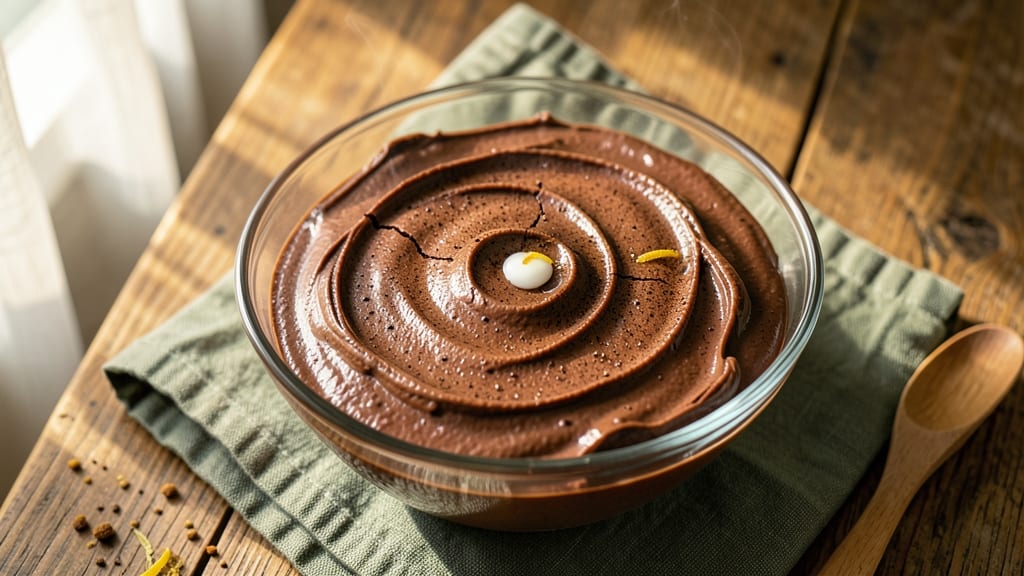
This bittersweet chocolate frosting delivers restaurant-quality depth without the graininess that ruins so many homemade recipes. The secret lies in proper chocolate-to-butter ratios and a slow melting technique that preserves smoothness—no food processor required.
I developed this after testing countless variations, and it consistently produces a frosting that's rich, velvety, and perfect for layering cakes or piping decorations.
The base uses high-quality bittersweet chocolate (70% cocoa) paired with unsalted butter for maximum flavor development. Powdered sugar provides sweetness without altering texture, while a touch of heavy cream ensures spreadability.
What sets this apart is the tempering-like process—melting chocolate and butter together gradually to prevent seizing, then cooling slightly before incorporating powdered sugar for a silky finish.
By the time you're done, you'll have a frosting with intense cocoa richness that clings beautifully to cakes or cupcakes. The texture stays smooth at room temperature, making it ideal for decorating.
For extra depth, I recommend adding a splash of vanilla extract or espresso powder—both enhance the chocolate's natural complexity without overpowering it.
This frosting works equally well for multi-layer cakes, cupcake filling, or even chocolate-dipped fruits. The recipe scales easily, so you can adjust quantities based on your project. Let's get started—your desserts will never taste the same again.
Ingredients for bittersweet chocolate frosting
Eight ingredients transform into velvety, restaurant-worthy chocolate frosting with intense cocoa depth.
| Ingredient | Amount | Notes |
|---|---|---|
| High-Quality Bittersweet Chocolate (70% Cocoa) 🍫 | 8 oz | Chopped into small pieces |
| Unsalted Butter 🧈 | 8 oz | Cut into small cubes |
| Powdered Sugar 🍚 | 2 cups | Sifted for smooth texture |
| Heavy Whipping Cream 🥛 | ¼ cup | Cold for stability |
| Pure Vanilla Extract 🌿 | ½ tsp | Optional for depth |
| Instant Espresso Powder ☕ | ¼ tsp | Optional for complexity |
| Diamond Crystal Kosher Salt 🧂 | ⅛ tsp | Fine grain preferred |
| Extra-Virgin Olive Oil 🫒 | ½ tsp | Prevents graininess |
The chocolate is non-negotiable here—Valrhona or Callebaut brands deliver the smoothest results, but Ghirardelli 70% cocoa works in a pinch. Look for bars that are vibrant and glossy, not dull or streaked. Unsalted butter matters too; Plugrá or European-style brands have higher fat content for better flavor. The powdered sugar should be sifted before measuring to avoid lumps, and DomsCup4Cup are my go-tos. Heavy cream needs to be cold—pull it from the fridge right before using. For the tempering technique, chop the chocolate into small, even pieces so it melts uniformly.
No bittersweet chocolate? Dark chocolate with 60-65% cocoa can work, but expect slightly less depth. Short on butter? Coconut oil is a neutral substitute, though it adds a subtle coconut note. The vanilla and espresso are optional but highly recommended—they unlock layers of flavor. If you skip them, add an extra 0.25 tsp of salt to enhance the chocolate's natural richness. The olive oil is a secret weapon—it keeps the frosting silky and prevents that dreaded grainy texture. For extra stability, chill your mixing bowl before combining ingredients.
This frosting keeps beautifully—5 days in the fridge, covered tightly. For longer storage, portion into airtight containers and freeze for up to 3 months. Thaw at room temperature before using. If it hardens slightly, microwave for 10-15 seconds to soften. The texture improves as it sits, so make it a day ahead for the best results. For decorating, pipe through a star tip for rosettes or use a spatula for smooth layers. Leftover frosting? Spread on strawberries or pound cake—it’s delicious straight from the bowl.
Why You'll Love This Recipe
- I’ll be real: this frosting takes five minutes of actual work. Just melt the chocolate with butter, then fold in whipped cream and sugar—no tempering, no stress. The heavy cream whips up light as a dream, and the bittersweet chocolate melts like butter (literally).
- No-Fuss Whip-Up: I’ll be real: this frosting takes five minutes of actual work. Just melt the chocolate with butter, then fold in whipped cream and sugar—no tempering, no stress. The heavy cream whips up light as a dream, and the bittersweet chocolate melts like butter (literally).
- Deep, Rich Bite: That 70% cocoa isn’t just for show—it’s bold without being bitter. The vanilla cuts through the intensity, but the chocolate’s dark, toasty notes linger like a good book. Honestly? It’s the kind of frosting that makes store-bought look sad.
- Cake or Cupcake Hero: Slather it on spiced brownies, pipe it into cupcakes, or even drizzle it over ice cream. I’ve used it for everything from birthday cakes to last-minute dessert emergencies. The texture—smooth but not cloying—works for both showstopper desserts and lazy weeknight treats.
Step-by-step instructions for bittersweet chocolate frosting
This method delivers velvety, grain-free frosting with deep chocolate flavor every time.
Melt the Chocolate and Butter Together
In a medium heatproof bowl, combine the 8 oz chopped high-quality bittersweet chocolate (70% cocoa) and 8 oz cubed unsalted butter. Place the bowl over a saucepan filled with 2-3 inches of simmering water, ensuring the bottom of the bowl doesn't touch the water. Stir gently with a silicone spatula until both the chocolate and butter melt completely and the mixture becomes smooth. This double boiler method prevents scorching while ensuring an even melt.
Remove the bowl from heat and let it cool slightly for 5 minutes—you want it warm to the touch but not hot. This cooling step is crucial; if the mixture is too hot when you add the powdered sugar, you'll end up with lumps instead of a silky frosting. I like to test by touching the back of my hand—it should feel warm but not uncomfortable.
Whisk in Powdered Sugar and Olive Oil
Add the 2 cups sifted powdered sugar and 0.5 tsp extra-virgin olive oil to the warm chocolate mixture. Using a stand mixer fitted with the whisk attachment (or a hand mixer), beat on medium-high speed for 3-4 minutes until the frosting is completely smooth and all the sugar is fully incorporated. The olive oil here acts as an emulsifier, preventing graininess and creating that luxurious, spreadable texture.
You'll know it's ready when the mixture looks glossy and thickens noticeably. If you're using a hand mixer, you might need to scrape down the sides every 30 seconds to ensure even mixing. This step is where patience pays off—rushing leads to lumps that never dissolve, no matter how long you mix later.
Incorporate Cream, Vanilla, Espresso, and Salt
Reduce the mixer speed to low and gradually add the 0.25 cup cold heavy whipping cream, mixing continuously. The cream helps lighten the frosting and adds a subtle richness. Next, add the 0.5 tsp pure vanilla extract, 0.25 tsp instant espresso powder, and 0.125 tsp diamond crystal kosher salt. Mix for another 2-3 minutes on medium speed until fully combined and the frosting reaches a smooth, pipeable consistency.
The espresso powder deepens the chocolate flavor without adding bitterness, while the salt enhances all the sweet and bitter notes. Here's where it gets fun—taste a small spoonful. If it needs more depth, add a pinch more espresso powder. If it's too intense, a tiny bit more powdered sugar balances it. Adjust to your preference, but remember: the frosting will thicken slightly as it cools.
Cool and Adjust Consistency
Transfer the frosting to a clean bowl and let it cool at room temperature for 15-20 minutes. This resting period allows the flavors to meld and the texture to stabilize. If the frosting thickens too much during cooling, thin it with 1 teaspoon of warm water at a time until you reach a spreadable consistency. For a glossier finish, you can also add 1 teaspoon of heavy cream and mix briefly.
Once cooled, give it one final taste. The frosting should be rich, smooth, and have that perfect balance of bittersweet chocolate flavor with just a hint of complexity from the espresso and vanilla. At this point, it's ready to pipe onto cakes, fill cupcakes, or spread over brownies. For best results, use it within 24 hours—though I promise, it won't last that long!
Pro Tips For Making Bittersweet Chocolate Frosting
- Chop Chocolate Small: I learned this the hard way—using big chunks of bittersweet chocolate means uneven melting and grainy texture. Aim for pieces no larger than a dime so they dissolve smoothly into the cream. (Yes, even if you’re impatient like me, take the extra 30 seconds.)
- Whip Butter First: Softened butter at room temp? Skip it. Whip the butter first until pale and fluffy—this guarantees a lighter, less dense frosting. If it’s too warm, chill the bowl for 10 minutes mid-whipping.
- Temper the Cream: Heat the whipping cream to just under a simmer (160°F) before pouring over chopped chocolate. This ensures the chocolate melts completely without seizing, and the final frosting stays silky, not grainy.
- Reserve Vanilla Last: Add vanilla extract after everything else is mixed and cooled slightly. This keeps its bright flavor from cooking off in the hot cream or butter. A splash of cold cream at the end also helps stabilize the texture.
Regional styles of this bittersweet chocolate frosting
French Éclairs
This frosting transforms classic French éclairs into decadent masterpieces. The bittersweet depth pairs beautifully with the choux pastry's delicate texture. I pipe the frosting into a star tip for elegant rosettes on top, then dust with powdered sugar for a snowy finish.
The espresso notes cut through the sweetness, balancing the richness perfectly. For extra flair, add a sprinkle of crushed hazelnuts or sea salt flakes before baking. 🌟
Italian Tiramisu
Skip the coffee-soaked ladyfingers and use this frosting as a dipping sauce for your tiramisu layers. The bittersweet chocolate and espresso create an intense coffee-chocolate flavor that rivals traditional espresso. Spread a thin layer between mascarpone cream layers for a modern twist.
Top with cocoa powder and bacon bits for a salty-sweet contrast that's become a favorite in Italian cafés. 🍫
American Chocolate Cake
Southern bakers swear by this frosting for layer cakes—it's the secret to those show-stopping restaurant-style desserts. Spread between spice cake layers or use as a glaze after baking. For a Texas-style twist, add peanut butter swirls into the frosting before piping.
The olive oil keeps it ultra-smooth, making it perfect for high-rise cakes that need to hold their shape. 💛
Mexican Chocolate Cupcakes
Mexican bakeries use this frosting for chocolate cupcakes with a cinnamon-chili kick. Fold 1 tsp ground cinnamon and ½ tsp cayenne pepper into the cooled frosting for warmth. Top with dulce de leche drizzles and crushed chili powder for a fusion dessert that's both sweet and spicy.
The bittersweet chocolate stands up to the bold flavors beautifully. 🌶️
British Victoria Sponge
Traditional British Victoria sponges get an upgrade with this frosting between layers. The British love their jam and cream combo, but this chocolate version steals the show.
Add raspberry jam between layers and top with fresh berries. The frosting's richness complements the tartness perfectly, making it a showstopper for afternoon tea. 🍓
Japanese Mochi Cakes
Japanese mochi cakes become luxurious with this frosting. Spread between layers of soft, chewy mochi for a modern dessert fusion. The bittersweet chocolate pairs wonderfully with red bean paste or matcha flavors.
For presentation, pipe the frosting into swirls and top with edible gold leaf—it looks stunning at parties! ✨
Nutrition facts
Frequently asked questions
Can I substitute dark chocolate for bittersweet in this frosting?
Yes, but expect slightly less depth. Use 60-65% cocoa dark chocolate for the closest flavor, though bittersweet (70%+) delivers that signature rich, complex taste. The texture will be identical, but the cocoa intensity will be milder. For extra richness, add an extra 0.25 tsp of espresso powder to compensate.
Why did my frosting turn grainy?
Graininess usually happens when the chocolate mixture is too hot before adding powdered sugar or when mixing isn't thorough. Always let the chocolate-butter mix cool for 5 minutes before adding sugar, and beat on medium-high speed for the full 3-4 minutes. The olive oil helps prevent this, but if it happens, whisk in 1 tsp warm water and mix until smooth.
How do I adjust the sweetness level?
Start by tasting the frosting after mixing all ingredients. For less sweetness, add 1-2 tbsp more chocolate chips (melted) or 0.25 tsp more espresso powder. For extra sweetness, add 1 tbsp powdered sugar at a time. Remember, the frosting thickens as it cools, so adjust before chilling. Balance is key—bittersweet chocolate needs just enough sweetness to shine.
Can I make this frosting dairy-free?
Replace the 8 oz butter with 8 oz dairy-free butter or coconut oil (though coconut oil adds a subtle flavor). Use dairy-free heavy cream (like coconut or oat cream) and ensure your chocolate is dairy-free. The texture will be slightly lighter but still velvety. For extra richness, add 1 tsp neutral oil like avocado oil.
How do I fix frosting that's too thick or too thin?
For thick frosting, thin with 1 tsp warm water at a time until spreadable. For thin frosting, chill for 10 minutes to thicken naturally, or add 1 tbsp powdered sugar and mix. Avoid overmixing—just combine until smooth. Pro tip: Let it rest 15 minutes before using for perfect consistency.