
Sauces & Condiments
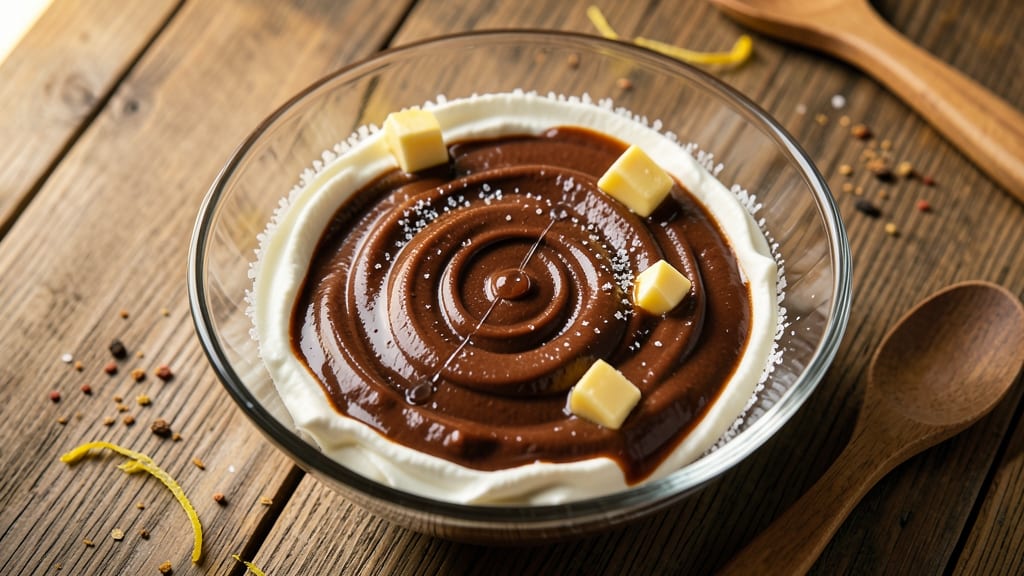
This bittersweet chocolate sauce recipe transforms rich, velvety swirls into the ultimate dessert companion—smooth, glossy, and perfectly balanced between deep cocoa intensity and subtle sweetness. The secret lies in tempering the chocolate properly to avoid graininess while incorporating warm cream for that signature silky texture.
I developed this version after years of testing, and it’s now my go-to for everything from elegant desserts to indulgent dipping experiences.
The process is simpler than you might think: melt the chocolate gently over a double boiler, then whisk in warm cream until perfectly emulsified. No special equipment is needed—just patience and precise timing.
The result? A sauce that’s glossy enough to drizzle over strawberries or cake, yet rich enough to pair with dark chocolate desserts or even savory dishes like seared duck.
What makes this sauce truly special is its versatility. Use it to elevate store-bought cookies, drizzle over vanilla ice cream, or even incorporate into cocktails for a sophisticated twist. The bittersweet flavor profile ensures it’s bold enough to stand alone but balanced enough to complement other ingredients without overpowering them.
Once made, the sauce keeps beautifully in the fridge for up to a week, ready to transform any dessert into something extraordinary. Whether you’re a home baker or a chocolate enthusiast, this recipe delivers restaurant-quality results with minimal effort. Let’s get started!
Ingredients for bittersweet chocolate sauce
Eight ingredients transform into silky, velvety chocolate perfection for desserts and dipping experiences.
| Ingredient | Amount | Notes |
|---|---|---|
| Bittersweet Chocolate Bars 🍫 | 8 oz | 70% cocoa or higher, chopped |
| Heavy Whipping Cream 🥛 | 1 cup | Full-fat for richness |
| Unsalted Butter 🧈 | 2 tbsp | Cold, cut into small cubes |
| Granulated Sugar 🍚 | 2 tbsp | Adjust to taste |
| Vanilla Extract 🌿 | ½ tsp | Pure, high-quality |
| Kosher Salt 🧂 | ¼ tsp | Diamond Crystal preferred |
| Vegetable Oil 🫒 | 1 tsp | Light, neutral flavor |
| Orange Zest 🍊 | ½ tsp | Optional, for brightness |
The chocolate is non-negotiable here—Valrhona or Callebaut brands deliver the best results, but Ghirardelli squares work beautifully too. Look for bars with at least 70% cocoa for that signature bittersweet depth. Chopping the chocolate into even pieces ensures smooth melting, and avoid pre-shredded bags—they often contain stabilizers that alter texture. The heavy cream should be cold when added to prevent graininess, and full-fat is essential for that luxurious finish. If you're using European-style butter, reduce to 1.5 tbsp since it's denser.
No bittersweet chocolate? Dark chocolate with 60-70% cocoa works in a pinch, but expect slightly less complexity. Substituting the cream for half-and-half or coconut milk changes the texture dramatically—stick with heavy cream for that signature gloss. Vanilla extract can be swapped for vanilla bean paste if you want extra richness. For a citrus twist, lemon or lime zest works beautifully instead of orange. The sugar can be adjusted based on your chocolate's sweetness—some bars need less, others more. Always taste as you go.
This sauce thickens as it cools, so reheat with a splash of warm cream if needed. Store in an airtight container in the fridge for up to 1 week, or freeze for 3 months. For dipping, let it sit at room temperature for 10 minutes before use—it's far more elegant than straight from the fridge. The sauce doubles beautifully, so make extra for gifting or future cravings. If it separates, simply whisk vigorously to re-emulsify.
Why You'll Love This Recipe
- Five-Ingredient Magic: I swear by this combo—just melt chocolate, cream, butter, sugar, and a splash of vanilla. No fancy gadgets, no stress, and honestly? It’s the kind of recipe where you’ll wonder why you ever bought store-bought sauce.
- Rich Without Overpowering: The bittersweet chocolate shines here—deep, slightly bitter, but balanced by the creamy warmth of the butter and vanilla. It’s not cloying; it’s sophisticated enough for dessert but still feels indulgent.
- Dip, Pour, or Drizzle: This sauce is my go-to for ice cream, cake, pancakes, or even toast with sea salt. (Yes, even on a Tuesday night.) The texture’s silky, so it works for both fancy presentations and lazy weeknight cravings.
- Leftovers That Last: Make a big batch—it keeps for weeks in the fridge. I’ve used it to top muffins for breakfast meetings, drizzled over fruit for a quick snack, and even sent jars as gifts. Versatile, budget-friendly, and always a crowd-pleaser.
Step-by-step instructions for bittersweet chocolate sauce
Here's the method for a perfectly smooth, velvety sauce with rich chocolate depth and balanced sweetness.
Melt Chocolate and Butter Together
Place the 8 oz bittersweet chocolate bars and 2 tbsp unsalted butter (cut into small cubes) in a medium heatproof bowl. Position the bowl over a saucepan filled with about 2 inches of simmering water, ensuring the bottom of the bowl doesn't touch the water. This double boiler method prevents scorching while ensuring gentle, even melting.
Stir occasionally with a silicone spatula as the chocolate and butter melt together. You'll know it's ready when the mixture becomes completely smooth and glossy, with no visible lumps. This should take about 8-10 minutes. Remove the bowl from the heat once fully melted—any further heating could cause the chocolate to seize.
Incorporate Sugar and Orange Zest
Return the melted chocolate mixture to the double boiler (or transfer to a clean saucepan) and stir in the 2 tbsp granulated sugar and 0.5 tsp orange zest. The sugar will dissolve completely into the warm chocolate, while the orange zest adds a subtle citrus brightness that complements the bitterness of the chocolate. Stir constantly for 1-2 minutes until the sugar is fully incorporated and the mixture remains smooth.
Here's the thing—adding the sugar and zest at this stage ensures even distribution throughout the sauce. If you added them later, you'd risk creating streaks or uneven flavor. The orange zest should be finely grated, not chopped, to avoid any grainy texture in the final sauce.
Add Cream and Vanilla for Velvety Texture
Reduce the heat to low and slowly pour in the 1 cup heavy whipping cream while whisking continuously. The slow addition prevents the cream from curdling and allows the sauce to thicken gradually. Once all the cream is incorporated, stir in the 0.5 tsp vanilla extract and 0.25 tsp kosher salt. The salt may seem counterintuitive, but it enhances the chocolate flavor by balancing its bitterness.
Simmer the sauce gently for 3-4 minutes, stirring frequently, until it reaches a thick, pudding-like consistency. You'll notice the sauce becomes glossy and coats the back of a spoon easily. This stage is critical—if the sauce becomes too thick, you can thin it later with a splash of warm cream or milk.
Finish with Vegetable Oil for Stability
Remove the sauce from heat and stir in the 1 tsp vegetable oil. This step is often overlooked, but it's essential for stabilizing the sauce and preventing it from separating or becoming grainy over time. The oil creates a silky texture that makes the sauce ideal for dipping, drizzling, or swirling into desserts.
Let the sauce cool slightly for 5-10 minutes before using. It will thicken further as it cools, so you can adjust the consistency by gently reheating and stirring in a splash of warm cream if needed. The final sauce should be smooth, glossy, and have a rich, velvety mouthfeel with a perfect balance of bittersweet chocolate and subtle citrus notes.
Pro Tips For Making Bittersweet Chocolate Sauce
- CHOP CHOCOLATE SMALL: I learned this the hard way—big chunks of chocolate never melt evenly, leaving lumpy bits that ruin the sauce. Use a sharp knife to cut the bars into ¼-inch pieces (or pulse in a food processor for 2 seconds). This ensures smooth melting without burning the edges.
- LOW AND SLOW HEAT: High heat burns sugar before the chocolate melts, turning your sauce grainy. Start on medium-low, stir constantly, and only increase heat if the mixture isn’t coming together after 3 minutes. Patience here makes all the difference.
- WHISK IN THE VANILLA: Adding vanilla extract at the end? You’re missing depth. Whisk it into the warm cream before combining with chocolate—this lets the alcohol evaporate slightly, preventing a harsh aftertaste. A splash of cream over the extract first helps too.
- SALT THE CREAM: Unsalted butter in the sauce? A pinch of salt in the warm cream balances the bitterness before the chocolate even melts. I use ¼ teaspoon—just enough to let the chocolate’s flavor shine without overpowering it. (Yes, even if the recipe doesn’t say to.)
Pro cooking tips for perfect results
Double Boiler Mastery
Never let the bottom of your bowl touch the simmering water—this causes scorching and ruins the chocolate's delicate texture. I use a medium heatproof bowl with 2 inches of water in a saucepan, ensuring gentle, even heat.
If your chocolate starts to seize (become grainy), immediately remove it from heat and whisk vigorously while adding 1 tsp warm cream to restore smoothness. 🌡️
Temperature Control
Keep the water at a gentle simmer (small bubbles, not a rolling boil) to maintain consistent 120-140°F in your chocolate mixture. Use a candy thermometer if you're worried about overheating—chocolate burns quickly.
Once melted, remove from heat immediately to prevent seizing, which happens when chocolate cools too fast while still liquid.
Emulsification Secrets
Whisk the warm cream into the chocolate slowly while on low heat to create a stable emulsion. If you add it too quickly, the sauce may curdle or separate.
For extra stability, I recommend adding the 1 tsp vegetable oil at the very end—this binds the fat molecules and prevents graininess when the sauce cools. 💡
Consistency Adjustments
If your sauce thickens too much, thin it with 1 tbsp warm cream at a time until you reach a drizzling consistency. For thicker applications (like dipping), let it cool completely—it will naturally thicken further.
Pro tip: Reheat gently over a double boiler, stirring occasionally, to maintain that velvety texture without graininess.
Stabilizing the Sauce
The kosher salt and vanilla extract aren't just flavor enhancers—they also help stabilize the sauce. The salt balances the bitterness while preventing the chocolate from tasting flat.
For extra insurance, I sometimes add ½ tsp xanthan gum (a pinch!) if I know the sauce will sit for a while—it thickens without altering the flavor. 💪
Troubleshooting Tips
If your sauce separates, whisk vigorously to re-emulsify, then reheat gently while stirring. For grainy texture, melt the sauce again over low heat, whisking constantly until smooth. If it's too thin, simmer uncovered for 2-3 minutes to reduce. And remember: Patience is key—rushing leads to ruined chocolate! ✨
Nutrition facts
Frequently asked questions
Can I substitute milk chocolate for bittersweet?
The recipe specifically calls for bittersweet chocolate (70% cocoa or higher) to achieve that signature deep, complex flavor. Milk chocolate will make the sauce too sweet and lack the rich bitterness that pairs beautifully with desserts. For a similar effect, try dark chocolate with 60-70% cocoa content, but expect slightly less depth.
How do I fix grainy chocolate sauce?
Graininess usually happens from overheating or improper melting. To fix it, immediately remove the sauce from heat and whisk vigorously while adding 1-2 tbsp warm cream. If that doesn’t work, melt the sauce again over a double boiler on low heat, whisking constantly until completely smooth. Patience is key—rushing causes seizing!
Can I make this sauce without a double boiler?
Yes! Use a heatproof bowl placed over a saucepan with 2 inches of simmering water, ensuring the bowl doesn’t touch the water. Alternatively, melt the chocolate in 10-second bursts in the microwave (30% power), stirring between each burst until fully smooth. Never use high heat—chocolate burns quickly!
What’s the best way to store leftover sauce?
Transfer the sauce to an airtight container and refrigerate for up to 1 week. For longer storage, freeze in portions for 3 months. To use, thaw in the fridge overnight and reheat gently over a double boiler, stirring until smooth. Avoid microwaving—it can make the sauce grainy.
Can I use this sauce for savory dishes?
The bittersweet profile pairs wonderfully with rich, savory flavors like seared duck, roasted squash, or even spicy dishes to balance heat. For a smoother transition, reduce the sugar slightly (to 1 tbsp) and add a pinch of smoked paprika or cayenne for depth. It’s a game-changer for gourmet pairings!