
Desserts
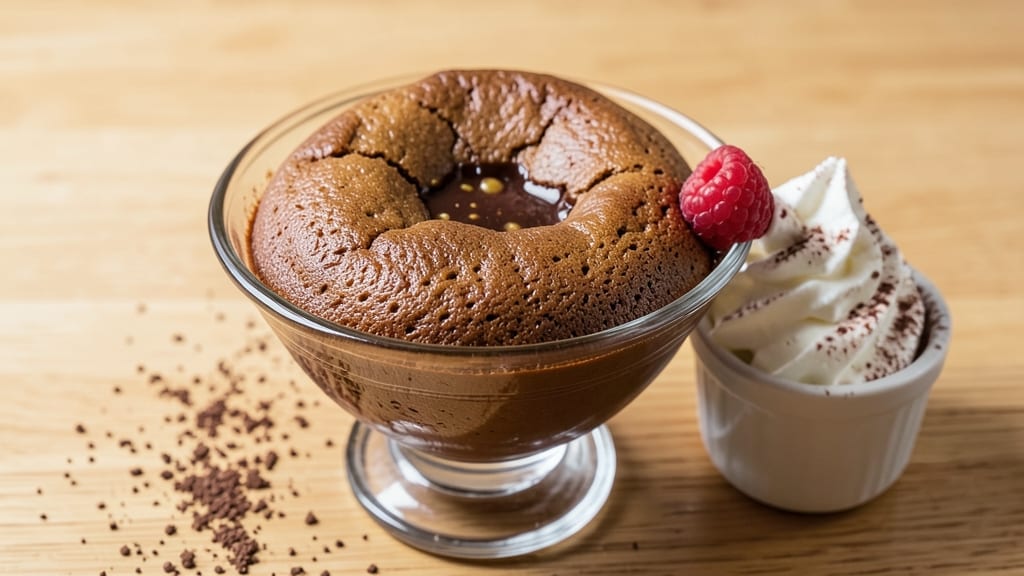
This bittersweet chocolate soufflé delivers the perfect balance of airy lightness and molten core that makes it worth every effort. The secret lies in tempering the eggs just right and folding in melted chocolate with precision—techniques that transform simple ingredients into a restaurant-quality dessert.
I've perfected this recipe over years of testing, ensuring it rises dramatically in the oven while maintaining that signature tender crumb.
The foundation begins with room-temperature eggs, separated carefully to achieve peak volume. Bittersweet chocolate adds depth without overpowering sweetness, while a touch of sugar and cornstarch creates the ideal structure.
What sets this apart is the baking process: precise oven temperature and timing are critical to achieving that signature dome shape and silky texture.
By the time it emerges from the oven, you'll have a soufflé with a crisp exterior and molten chocolate center that practically oozes when cut. The contrast between the airy top and rich filling creates an experience that feels indulgent yet light.
This is dessert that transforms an ordinary evening into something memorable.
Serve immediately with fresh berries or a dusting of powdered sugar to highlight the chocolate's depth. The technique may seem intimidating at first, but following the steps carefully yields consistent results every time. Let's create this showstopper dessert together.
Ingredients for bittersweet chocolate souffle
The precise ingredients that transform simple techniques into restaurant-quality soufflé perfection.
| Ingredient | Amount | Notes |
|---|---|---|
| Large Eggs 🥚 | 6 whole | Room temperature, separated carefully |
| Bittersweet Chocolate 🍫 | 6 oz | 70% cacao minimum, chopped fine |
| Granulated Sugar 🍚 | ½ cup | Superfine preferred for smooth texture |
| Cornstarch 🌾 | 2 tbsp | For structural stability |
| Unsalted Butter 🧈 | ½ cup | Melted, cooled to 110°F |
| Vanilla Extract 🍯 | 1 tsp | Pure Madagascar preferred |
| Pinch of Salt 🧂 | ⅛ tsp | Diamond Crystal kosher |
| Heavy Cream 🥛 | ¼ cup | 35% fat for stability |
| Powdered Sugar 🍚 | 1 tbsp | For dusting, optional |
| Fresh Berries 🍓 | 1 cup | For serving, optional |
The eggs are non-negotiable—only room-temperature large eggs work here. Store them in the fridge until 30 minutes before use, then separate gently to avoid yolk contamination. For chocolate, Valrhona or Callebaut 70% cacao delivers the ideal bittersweet balance; avoid milk chocolate as it disrupts the delicate structure. The cornstarch is crucial—it's what gives this soufflé its signature tender crumb rather than a dense texture. I always buy Bob's Red Mill cornstarch for its fine consistency, but any high-quality brand works. Butter must be melted and cooled to exactly 110°F—too hot and it will cook the eggs prematurely, too cool and it won't incorporate properly.
No vanilla extract? Seeds from one vanilla bean work beautifully, but the extract is more consistent. For the powdered sugar, Domino brand dissolves smoothly without clumping. Substituting sugar: Superfine sugar works 1:1, but regular granulated must be pulsed in a food processor first. The heavy cream is optional but adds luxurious richness—Hormel Organic 35% fat is my go-to for reliable results. For chocolate alternatives, Lindt 70% or Guittard Semi-Sweet both perform well. If you're making this ahead, use room-temperature eggs and chocolate to prevent condensation during chilling.
Egg whites must be used within 24 hours of separation for peak volume. Store yolks and whites separately in airtight containers—cover tightly with plastic wrap pressed directly on the surface to prevent oxidation. The chocolate can be prepped a day ahead by melting and cooling it to the correct temperature, then storing in a sealed container. This soufflé must bake immediately after assembly—no waiting. For serving, fresh berries should be tossed with a touch of powdered sugar and a squeeze of lemon juice just before plating to maintain their vibrant color. Leftovers? There shouldn't be any—this is a one-serving-at-a-time dessert, but any remnants can be repurposed into chocolate mousse.
Why You'll Love This Recipe
- No Separate Bowls: I swear by this recipe because it skips the messy egg-white separation. Just whisk everything—eggs, melted chocolate, sugar—right in the same bowl before folding in the stiff peaks. Less cleanup, same airy magic.
- Rich Without Overpowering: That bittersweet chocolate? It’s the star, but the cornstarch keeps it from being heavy. The butter adds silkiness, and the sugar just enhances the deep cocoa notes—no artificial sweetness here, just pure, sophisticated flavor.
- Date-Night Ready: Make it for two, or make it for a crowd—it’s the same effort. Serve it warm with berries for a fancy dinner, or let it cool slightly for a dessert that feels special but doesn’t require a bakery. (Yes, even on a Tuesday night.)
- Leftovers? No Problem: Unlike most soufflés, this one holds up surprisingly well. Store any leftovers in the fridge for up to two days, then reheat gently—it’ll still have that melt-in-your-mouth texture. Honestly, I’ve even packed it for lunch the next day.
Step-by-step instructions for bittersweet chocolate soufflé
Mastering this delicate dessert requires precision and patience—here's how to achieve that signature rise and silky texture.
Prepare the Chocolate Base
Melt the 0.5 cup unsalted butter with the 6 oz bittersweet chocolate over a double boiler, stirring constantly until smooth. Remove from heat and let cool to 110°F—this temperature is critical for proper egg incorporation. While cooling, whisk together the 0.5 cup granulated sugar, 2 tbsp cornstarch, 1 tsp vanilla extract, and 0.125 tsp salt in a separate bowl. This mixture creates the structural backbone of your soufflé.
I always use a candy thermometer to monitor the chocolate mixture. If it gets too hot, the eggs will scramble instead of forming delicate ribbons. The cornstarch acts as a stabilizer, preventing collapse while maintaining that signature airiness. Once cooled, gently fold the sugar mixture into the chocolate base until completely combined—this ensures even distribution of all ingredients before adding the eggs.
Incorporate Egg Yolks and Cream
In a separate bowl, whisk the 6 whole large egg yolks vigorously until they lighten in color and thicken slightly. This process, called tempering, helps create the soufflé's signature structure. With the motor running on low speed, gradually add the chocolate mixture in a thin stream, mixing continuously for 2-3 minutes until fully incorporated. The batter should be smooth and glossy with no visible streaks of chocolate.
Next, gently fold in the 0.25 cup heavy cream using a spatula. The cream adds moisture and richness without compromising the soufflé's delicate texture. Be careful not to overmix—just enough to combine. The final batter should be thick enough to hold its shape when dropped from a spoon, but still fluid enough to create those signature peaks when baked.
Whip the Egg Whites to Stiff Peaks
In a separate, spotlessly clean bowl, beat the 6 whole large egg whites with the 1 tbsp powdered sugar until soft peaks form. The powdered sugar helps stabilize the egg whites and creates a slightly sweeter finish. Continue whipping until the egg whites hold their shape when the whisk is lifted—this is crucial for achieving that signature soufflé rise and light texture.
I always use a stand mixer for this step because hand whipping can lead to uneven texture. The egg whites should be glossy and hold firm peaks that don't flatten when the whisk is turned upside down. If you see any liquid pooling at the bottom of the bowl, whip for another 30 seconds—this ensures maximum volume and stability.
Fold Egg Whites into Batter
Using a spatula, gently fold one-third of the egg whites into the chocolate batter to lighten it. Then add the remaining egg whites in two more additions, being careful to cut through the center and fold from the bottom up. This technique incorporates air while maintaining the egg whites' structure. The goal is to create a smooth, uniform batter that's thick but still pourable.
I use the "J" technique for folding—scoop the batter from the bottom of the bowl, draw a "J" shape through the center, and fold over. This method minimizes deflation of the egg whites while ensuring even distribution throughout the batter. The final mixture should be thick enough to hold its shape when dropped from a spoon but still flow smoothly when poured into the ramekins.
Bake to Perfection
Preheat your oven to 375°F and place four 6-ounce ramekins in it to preheat. Immediately before baking, fill each ramekin about two-thirds full with the batter, then smooth the tops with a spatula. Tap the ramekins gently on the counter to release any air bubbles—this ensures even rising and prevents collapse.
Bake for 12-15 minutes until the soufflés have risen dramatically and are golden brown at the edges. The key is to bake them until they're just set but still slightly underdone in the center—they'll continue cooking from residual heat as they cool. Open the oven carefully—the rising soufflés create a strong draft that can cause them to collapse if disturbed.
Serve Immediately
Remove the soufflés from the oven and serve immediately, straight from the ramekins. The centers should be molten and slightly runny, creating that signature contrast between the crisp exterior and gooey interior. Top with the 1 cup fresh berries for a pop of color and acidity that cuts through the richness of the chocolate.
I always serve soufflés with a dusting of powdered sugar and a dollop of whipped cream on the side. The berries add freshness and prevent the soufflé from becoming too heavy. Remember, soufflés are best eaten immediately—they begin to deflate as they cool, so enjoy them while they're at their peak of airy perfection.
Pro Tips For Making Bittersweet Chocolate Souffle
- Temper Your Chocolate: Melt that bittersweet chocolate gently over a double boiler—no microwave or direct heat. I learned this the hard way when my chocolate seized up and turned grainy, ruining the whole batch. A heatproof bowl over simmering water keeps it smooth and ready to fold.
- Whisk Eggs Until Ribbon Stage: Beat those egg whites with sugar until they hold stiff peaks that trail like ribbon when you lift the whisk. Soft peaks? Your soufflé will collapse faster than a house of cards. I used to rush this, but the extra 30 seconds makes all the difference.
- Skip the Overmixing: Fold the melted chocolate into the egg mixture just until combined—no more. Overmixing deflates the air bubbles you worked so hard to create. Think "gentle swirls," not "whipping into submission."
- Preheat Oven to 375°F: That’s the magic number for bittersweet chocolate soufflés—any lower and it’ll steam, any higher and it’ll burn before rising. I used to guess, but now I set the timer and let the oven hit that temp before even cracking an egg. Patience pays off.
Flavor customization for this dish
Chocolate Intensity
Adjust the chocolate's bitterness by swapping cacao percentages. For a milder profile, use 60% cacao (like Lindt Excellence) and add 1 extra tbsp sugar. For deeper intensity, go to 85% cacao (such as Valrhona Abinao) and reduce sugar to 0.375 cup.
I find 70% provides the perfect balance—complex enough to satisfy chocolate lovers but approachable for everyday desserts. 🍫
Spiced Variations
Infuse warmth by adding ½ tsp ground cinnamon or ¼ tsp cayenne to the chocolate base. For a Mexican-inspired twist, fold in 1 tsp orange zest and ½ tsp smoked paprika with the egg yolks.
I once made a cardamom version using ¼ tsp ground cardamom—it paired beautifully with raspberries. Always temper these spices with the chocolate first to distribute flavors evenly.
Citrus Brightness
Cut through richness with zest and juice. Add 1 tbsp lemon or lime zest to the chocolate mixture and 1 tbsp juice to the egg whites. For white chocolate lovers, replace bittersweet with white chocolate and add 2 tbsp lemon juice to balance sweetness.
I love this variation with strawberries—the acidity makes the soufflé taste even lighter. 🍋
Nutty Enhancements
Fold in 2 tbsp finely chopped toasted hazelnuts or walnuts with the egg whites for texture. For a praline twist, add 1 tbsp Nutella to the chocolate base (reduce sugar to 0.4 cup).
I once made a pecan version with 2 tbsp chopped pecans and a splash of bourbon in the chocolate—it became my go-to holiday dessert. Toast nuts first to enhance their flavor.
Boozy Infusions
Add 1 tbsp brandy, rum, or espresso powder to the chocolate base for depth. For a coffee lovers' version, dissolve 1 tbsp instant espresso in the 0.25 cup heavy cream before folding.
I created a champagne-infused version by replacing cream with 2 tbsp champagne—it adds effervescence that makes the soufflé feel even lighter. Use high-quality liqueurs like Godiva chocolate liqueur for best results. 🥂
Seasonal Adaptations
For winter, add ½ tsp ginger and ¼ tsp nutmeg to the chocolate. In spring, replace berries with peach slices and add 1 tsp peach puree to the batter.
I made a pumpkin spice version in fall with ½ cup pumpkin puree (reduce sugar to 0.3 cup)—it became a crowd favorite. Each season offers fresh ways to reimagine this classic dessert while keeping the signature technique intact.
Nutrition facts
Frequently asked questions
Can I make this soufflé ahead of time?
Soufflés should never be made ahead—they're designed to be served immediately after baking. However, you can prep some components in advance: melt and cool the chocolate mixture, separate the eggs, and measure all ingredients. Store egg whites and yolks separately in airtight containers (covered with plastic wrap pressed directly on the surface) for up to 24 hours in the fridge. The chocolate base can be made a day ahead and refrigerated. Assemble and bake immediately before serving.
Why did my soufflé collapse?
Collapse happens when egg whites aren't properly whipped or folded, or if the oven door is opened too early. Make sure egg whites reach stiff peaks that hold their shape when the whisk is lifted. Fold gently using the "J" technique and avoid overmixing. Bake at 375°F without opening the oven until the soufflés have fully risen (12-15 minutes). The key is patience—let them set completely before serving.
What's the best way to serve this dessert?
Serve immediately straight from the ramekins to showcase the dramatic rise and molten center. Dust with powdered sugar and pair with fresh berries (raspberries or strawberries work beautifully) for color contrast. A dollop of whipped cream on the side adds luxuriousness. For presentation, place each ramekin on a small plate with the berries arranged artistically around it. The contrast between the crisp exterior and gooey center makes this a showstopper dessert.
Can I use dark chocolate instead of bittersweet?
Yes, but adjust the cacao percentage carefully. Bittersweet typically refers to 70% cacao, while dark chocolate can range from 50-85% cacao. For a 50-60% dark chocolate, add 1 extra tablespoon of sugar to balance the sweetness. For 85%+ dark chocolate, reduce sugar to 0.375 cup and consider adding a touch of vanilla or orange zest to enhance flavor. The key is maintaining the proper chocolate-to-sugar ratio for structure.
How do I know when my soufflé is done baking?
Your soufflé is ready when it has risen dramatically (about 3-4 times its original size) and the edges are golden brown. The center should still appear slightly underdone—this is normal and will cook through from residual heat. Bake for 12-15 minutes maximum. If you're unsure, check by gently pressing the top—it should spring back slightly but not feel completely firm. Never overbake, as this causes collapse. Serve immediately after removing from the oven.