
Desserts
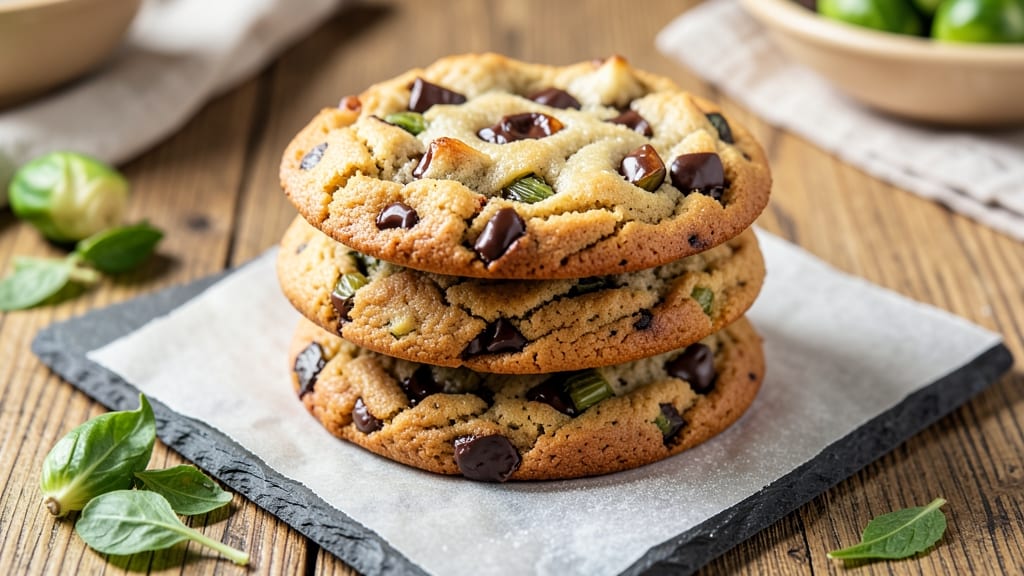
This brassica chocolate chip cookie recipe flips the script on classic desserts by blending earthy Brussels sprouts with rich chocolate and coffee for a bold, unexpected twist. 💫 The secret lies in caramelizing the brassica first—transforming its natural bitterness into a deep, toasty sweetness that pairs perfectly with fudgy chocolate chunks and a hint of espresso powder.
I developed this recipe after realizing how well roasted brassica vegetables complement chocolate's complexity, creating a cookie that's both familiar and excitingly different.
The process is straightforward but requires patience: wilting and caramelizing the brassica until it's tender and slightly sweet before blending it into the dough. This step ensures the flavor integrates seamlessly, never overpowering the chocolate but adding a sophisticated depth that elevates every bite.
The result is a cookie with crisp edges, a crackly top, and a chewy center—where the brassica's caramelized notes dance with the chocolate's richness and the coffee's warmth.
What makes these cookies truly special is their balance: the brassica adds a subtle earthiness that cuts through the sweetness, while the coffee enhances the chocolate's intensity. They're perfect for sharing with curious foodies or treating yourself to something new.
The dough is easy to handle, and the baking time is foolproof—just 10-12 minutes for golden perfection. Trust me, once you try these, you'll never look at chocolate chip cookies the same way again.
For those with dietary preferences, the recipe includes simple swaps: use almond flour for gluten-free, coconut oil for dairy-free, or dark chocolate for a vegan option. The flexibility makes it accessible without sacrificing the bold flavors. Let's get baking—your taste buds are in for a surprise!
Ingredients for brassica chocolate chip cookie
Caramelized Brussels sprouts meet rich chocolate and bold coffee in this unexpected cookie twist.
| Ingredient | Amount | Notes |
|---|---|---|
| Brussels Sprouts 🥬 | 1 ½ cups | Trimmed, halved, caramelized |
| Unsalted Butter 🧈 | 1 cup | Cold, cubed for dough |
| Granulated Sugar 🍚 | 1 cup | Light brown preferred |
| Packed Brown Sugar 🍚 | ½ cup | For chewy texture |
| Large Eggs 🥚 | 2 whole | Room temperature |
| Vanilla Extract 🌿 | 2 tsp | Pure, high-quality |
| All-Purpose Flour 🌾 | 2 cups | Sifted, plus extra |
| Espresso Powder ☕ | 1 tbsp | Instant, not coffee |
| Baking Soda 🧂 | 1 tsp | Freshly opened |
| Sea Salt 🧂 | ½ tsp | Fine grain preferred |
| Semisweet Chocolate Chunks 🍫 | 1 ½ cups | High-quality, 60% cocoa |
| Dark Chocolate Chips 🍫 | ½ cup | 70% cocoa minimum |
The Brussels sprouts are the game-changer here—look for firm, compact sprouts with vibrant green leaves. Trader Joe's and Whole Foods usually carry the best quality, but any grocery store's fresh produce section works. Trim the ends and halve them before roasting until tender and slightly sweet. This caramelization step is non-negotiable; it transforms their natural bitterness into a deep, toasty sweetness that pairs perfectly with chocolate. If you're short on time, pre-cut frozen Brussels sprouts (thawed and patted dry) work in a pinch, though fresh is ideal for that perfect texture.
No espresso powder? Instant coffee granules at double the amount will work, but you'll lose some of that deep coffee intensity. Swapping chocolate? Dark chocolate chunks with 70% cocoa or higher keep the bold flavor profile. For a gluten-free option, replace the all-purpose flour with almond flour or a 1:1 gluten-free blend—just know the texture will be slightly denser. The butter should be cold when mixed into the dough to prevent overmixing, but don't skip the room-temperature eggs; they ensure a tender crumb. If you're making these ahead, store the dough in the fridge for up to 48 hours—it actually develops more flavor over time.
These cookies keep for 5 days in an airtight container at room temperature, though they're best enjoyed fresh from the oven. For longer storage, freeze the baked cookies for up to 3 months—just let them thaw at room temperature before serving. The chocolate chunks might soften slightly, so store them in a single layer on a baking sheet before transferring to a container. If you're feeling ambitious, double the dough and bake two batches—they're perfect for gifting or sharing with fellow adventurous eaters.
Why You'll Love This Recipe
- No Chopping Hassle: I’ll be real—most Brussels sprouts recipes start with a mountain of trimming. Not this one. You just pulse the raw sprouts in a food processor until they’re tiny, almost like cookie dough bits. Five minutes max, and no knife burns.
- Sweet-Savory Magic: That first bite? It’s like a cookie and a snack mix had a baby. The caramelized brown sugar and butter give it that classic chocolate chip warmth, but the Brussels add this weirdly addictive earthy crunch. Honestly, my kids ask for seconds before I even finish the first batch.
- Weeknight & Holiday Hack: Make a double batch on Sunday—these hold up for days without getting soggy. Pack them in lunchboxes (yes, really), use them to top yogurt, or crush a few over ice cream. And if you’re hosting? They’re the one dessert that feels fancy but takes zero effort.
- Pantry Stash Savior: You’ve got butter, sugar, and eggs? Done. No weird ingredients or last-minute grocery runs. I made these last month when I had nothing but a half-bag of Brussels sprouts wilting in the fridge. Turned them into something so good, my roommate stole half the batch. Budget-friendly and foolproof.
Step-by-step instructions for bold coffee-infused cookies
Here's how to transform Brussels sprouts into a secret weapon for next-level cookies.
👨🍳 Step 1: Caramelize the Brussels Sprouts
Preheat your oven to 400°F. Trim and halve the 1.5 cups Brussels sprouts, removing any tough stems. Spread them on a parchment-lined baking sheet in a single layer. Roast for 20-25 minutes until edges are deep golden brown and they smell nutty and sweet.
Let them cool completely before processing—this prevents excess moisture in your dough. I like to pulse them in a food processor until they resemble coarse sand, about 10-12 pulses. The caramelized flavor will infuse every bite with a sophisticated depth that balances the sweetness.
🍳 Step 2: Cream Butter and Sugars
In a stand mixer fitted with the paddle attachment, beat the 1 cup cold unsalted butter with the 1 cup granulated sugar and 0.5 cup packed brown sugar on medium speed for 3-4 minutes. You're looking for a light, fluffy texture that nearly doubles in volume and becomes pale.
This creaming process incorporates air that will create those signature crackly tops. Don't rush it—under-creaming leads to dense cookies instead of the perfect chewy texture we're after. The butter should be completely smooth with no graininess remaining.
👨🍳 Step 3: Add Wet Ingredients and Espresso
Add the 2 room-temperature eggs one at a time, mixing on low speed for 30 seconds after each addition. Then stir in the 2 tsp vanilla extract and 1 tbsp espresso powder. The espresso enhances the chocolate flavor while adding a subtle coffee note that pairs beautifully with the Brussels sprout caramelization.
Here's the thing—don't overmix. The dough should be thick and slightly sticky. If it looks too runny, let it sit for 10 minutes in the fridge while you prepare the dry ingredients. The espresso might make the dough seem unusual, but trust the process.
🥘 Step 4: Combine and Fold in Chocolate
In a separate bowl, whisk together the 2 cups sifted all-purpose flour, 1 tsp baking soda, and 0.5 tsp sea salt. Gradually add this to the wet ingredients, mixing on low speed just until combined—you should still see some flour streaks. This prevents developing too much gluten, which would make the cookies tough.
Remove the bowl from the mixer and gently fold in the 1.5 cups semisweet chocolate chunks and 0.5 cup dark chocolate chips using a silicone spatula. Make sure they're evenly distributed. Then fold in the caramelized Brussels sprout mixture. The dough will be thick and crumbly—this is normal and actually helps create those coveted fudgy cracks.
⏰ Step 5: Chill and Bake for Maximum Flavor
Cover the dough with plastic wrap and refrigerate for at least 1 hour (I prefer 2 hours or even overnight). This chilling step is crucial—it allows the flavors to meld and prevents the cookies from spreading too much in the oven. The Brussels sprout flavor will develop more complexity during this time.
Preheat your oven to 350°F and line two baking sheets with parchment paper. Scoop the dough into 2-tablespoon portions (about 1.5 ounces each) and place them 3 inches apart on the prepared sheets. Bake for 12-14 minutes until edges are golden brown but centers still look slightly underdone.
Pro Tips For Making Brassica Chocolate Chip Cookie
- Chop Brussels Sprouts Fine: Brussels sprouts lose their texture when over-processed, but you don’t want chunks that taste like crunchy ravioli. Aim for ¼-inch dice—small enough to melt into the dough but still recognizable as sprouts. (Yes, even if you’re impatient like me, resist the urge to pulse them in a food processor.)
- Use Cold Butter, Not Soft: I learned this the hard way—mixing softened butter with brown sugar makes the dough greasy and spreads like a pancake. Scoop butter straight from the fridge, cut it into chunks, and let the mixer work it into submission. The cookies will hold their shape and taste richer.
- Wait for Peak Heat: These cookies need 350°F, but don’t rush them into the oven. Let the oven preheat for at least 15 minutes with a rack in the middle position. Cold pans or uneven heat = uneven baking, and nobody wants a batch where half are raw and half are charcoal.
- Add Chocolate Chips Last: Brussels sprouts release moisture as they cook, and if you mix in chocolate chips too early, they’ll clump into sad, greasy lumps. Fold them in right before baking—just toss the dough in the chips like you’re coating fries in seasoning. The heat will distribute them perfectly.
Make-ahead tips for this recipe
Dough Prep Ahead
Roll the completed dough into a 1-inch-thick log, wrap tightly in plastic wrap, and refrigerate for up to 48 hours. The flavors deepen as the Brussels sprout caramelization melds with the chocolate and espresso notes.
For extra convenience, freeze the log in a ziplock bag—thaw overnight in the fridge before scooping. 💫
Baked Cookie Storage
Let cookies cool on the baking sheet for 5 minutes before transferring to a wire rack. Store in an airtight container at room temperature for 5 days, or freeze for 3 months.
For reheating, warm in a 300°F oven for 3-5 minutes to restore crispness—perfect for a quick treat!
Portioning Shortcuts
Use a cookie scoop (I love the OXO Good Grips brand) for uniform portions. For extra crisp edges, chill dough balls on a parchment-lined tray for 15 minutes before baking. Pro tip: Sprinkle with flaky sea salt immediately after baking while still warm for a gourmet touch.
Freezing Baked Cookies
Place cooled cookies in a single layer on a tray, freeze solid, then transfer to a ziplock bag. Label with the date—thaw at room temperature for 20 minutes before serving. The chocolate stays firm, and the Brussels sprout flavor remains vibrant. 💡
Make-Ahead Baking
Double the dough and store half for later—perfect for holiday gifting! Bake fresh batches weekly to maintain texture. If storing baked cookies, place parchment paper between layers to prevent sticking. The espresso-infused flavor actually improves over time, making these cookies taste even better the next day!
Reheating Tricks
For a crispy exterior, reheat in a toaster oven at 350°F for 2 minutes. Microwave reheating works too: 10 seconds on 50% power (cover with a damp paper towel). Avoid the microwave if you want to preserve the crackly top—it’s worth the extra time! ✨
Nutrition facts
Frequently asked questions
Why do we caramelize the Brussels sprouts instead of using them raw?
Caramelizing transforms their natural bitterness into deep, toasty sweetness that pairs perfectly with chocolate. Raw Brussels sprouts would overpower the delicate balance of flavors, but roasting until tender and golden creates a sophisticated depth that enhances every bite without dominating.
Can I substitute Brussels sprouts with another brassica vegetable?
Try kale (massaged and dried) or broccoli (steamed until tender) for similar earthy notes. Just adjust the quantity—use 1.5 cups chopped kale or 1 cup finely chopped broccoli florets after cooking. The key is achieving a caramelized texture to balance the sweetness.
How do I prevent the cookies from spreading too much?
Chill the dough for at least 2 hours (or overnight) before baking. Use a cookie scoop for even portions and place dough balls 3 inches apart on the baking sheet. For extra crisp edges, freeze dough balls for 15 minutes before baking at 350°F.
What if I don't have espresso powder?
Use 1 tbsp instant coffee granules or ½ tsp ground coffee—just know the flavor will be slightly less intense. The chocolate and caramelized Brussels sprouts will still shine, but the coffee depth will be more subtle. For a caffeine-free option, omit it entirely.
Can I make these cookies gluten-free or vegan?
Yes! For gluten-free, replace all-purpose flour with a 1:1 gluten-free blend (texture will be denser). For vegan, use coconut oil instead of butter and flax eggs (1 tbsp ground flax + 3 tbsp water per egg). Dark chocolate chunks work perfectly for both adaptations.