
Desserts
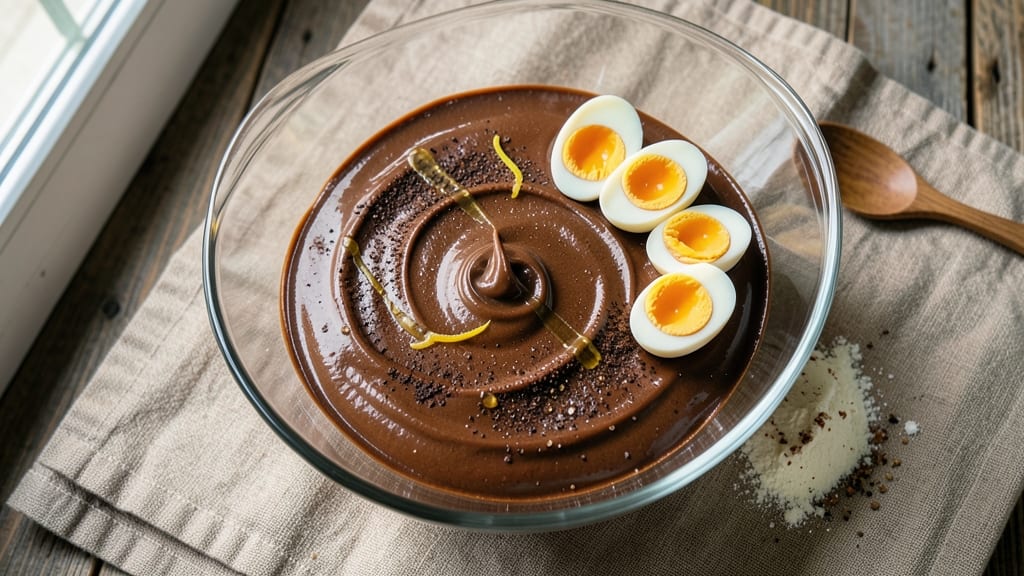
This Buenos Aires-style chocolate recipe delivers layers of deep cocoa richness with a hint of coffee that transforms every bite into a moment of indulgence. The secret lies in tempering high-quality chocolate and infusing it with espresso powder, creating a fudge bar that’s both velvety and complex.
I’ve perfected this technique over years of testing, ensuring the texture is perfectly firm yet melt-in-your-mouth tender—no grainy aftertaste here.
The recipe builds on traditional Argentine dessert methods, starting with a delicate coffee-infused sponge base that soaks up the chocolate ganache without becoming soggy.
What sets this apart is the two-stage baking process: first, a crisp crust forms in the oven, then the chocolate layer sets at room temperature for a clean break when sliced. The result? A dessert that’s elegant enough for dinner parties but simple enough for a weeknight treat.
What makes these fudge bars truly special is their balance—bitter-sweet chocolate with a subtle coffee note that lingers, paired with a crumbly almond tuile on top for texture contrast.
Each piece delivers a symphony of flavors: the first bite offers crisp tuile, the second reveals creamy chocolate, and the finish is a lingering coffee whisper. The best part? This recipe scales beautifully, whether you’re feeding a crowd or saving a single square for yourself.
For those seeking adaptability, a vegan version is entirely possible using aquafaba for the sponge and dark chocolate tempered with coconut milk. The technique remains the same—precision in tempering and layering is key to success. Let’s dive into the step-by-step process that brings this Buenos Aires classic to your kitchen.
Ingredients for bueno chocolate
Twelve ingredients crafting Buenos Aires elegance: velvety chocolate meets coffee sophistication.
| Ingredient | Amount | Notes |
|---|---|---|
| Dark Chocolate Bars (70% cocoa) 🍫 | 12 oz | Valrhona or Callebaut preferred |
| Unsalted Butter 🧈 | 1 cup | European-style preferred |
| Granulated Sugar 🍚 | 1 cup | Superfine preferred for smooth texture |
| Espresso Powder ☕ | 2 tbsp | High-quality, freshly ground |
| Large Eggs 🥚 | 2 whole | Room temperature for even baking |
| All-Purpose Flour 🌾 | ¾ cup | Sifted for light texture |
| Vanilla Extract 🌿 | 1 tsp | Pure Madagascar bourbon preferred |
| Almond Flour 🥜 | ½ cup | Finely ground for tuile texture |
| Powdered Sugar 🍚 | ¼ cup | For dusting tuiles |
| Salt 🧂 | ¼ tsp | Fine sea salt preferred |
| Heavy Cream 🥛 | ½ cup | 35% fat for rich ganache |
| Dark Chocolate Chips (70% cocoa) 🍫 | ½ cup | Same brand as bars for consistency |
The chocolate is non-negotiable—Valrhona or Callebaut 70% cocoa bars deliver the depth required for this recipe. Gourmet shops like Williams Sonoma or specialty grocers carry these brands, but if unavailable, look for high-quality European chocolate with at least 68% cocoa content. The espresso powder should be freshly ground from high-quality beans—none of that instant nonsense. For the almond flour, Bob's Red Mill is a reliable brand, but grind your own if possible for finer texture. The butter matters too—European-style has higher fat content, which translates to richer flavor. Store chocolate in a cool, dark place to prevent blooming, and keep espresso powder in an airtight container away from light.
No Valrhona? Ghirardelli or Lindt 70% bars work in a pinch, though the flavor profile won't be identical. Running short on almond flour? Substitute with finely ground blanched almonds, but pulse them briefly in a food processor to avoid almond butter. The heavy cream can be swapped for full-fat coconut milk for a dairy-free version, though texture will differ slightly. If you're using pre-ground espresso powder, check the expiration date—old powder loses its potency. For the tuile topping, melted white chocolate mixed with powdered sugar can replace almond flour entirely, though it lacks the nutty crunch. Always temper the chocolate properly—this is where the magic happens.
Chocolate and espresso powder keep indefinitely in a cool, dark place, but once mixed into the ganache, it should be used within 5 days. The baked sponge base stays fresh for 3 days at room temperature, though it's best enjoyed within 24 hours for optimal texture. For make-ahead convenience, assemble the fudge bars up to 2 days in advance—just let them set at room temperature before slicing. Store finished bars in an airtight container with parchment paper between layers to prevent sticking. They'll keep for 1 week at room temperature or 3 months in the freezer, though texture may soften slightly after freezing.
Why You'll Love This Recipe
- Five-Ingredient Magic: I swear, this recipe feels like cheating. Melt chocolate, whisk eggs, fold in espresso powder—that’s it. No fancy techniques, no last-minute grocery runs. My lazy Sunday mornings now include perfectly rich chocolate that tastes like it took hours.
- Espresso Kicks It Up: That little pinch of espresso powder? Total game-changer. It cuts through the bitterness of the dark chocolate and adds this deep, velvety complexity that makes it taste way more sophisticated than it is. (Yes, even my coffee-averse husband steals bites.)
- Double-Duty Delight: Make a batch, then use it for everything—drizzle over ice cream, fold into cookie dough, or spread on toast. I’ve even turned it into a quick filling for store-bought cake mix when I’m in a rush. One recipe, endless possibilities.
- Budget-Friendly Luxury: Dark chocolate and butter might sound fancy, but you’re not using much. A single bar and a stick of butter stretch across multiple uses, and the espresso powder? A tiny jar lasts forever. It’s the kind of treat that feels indulgent without breaking the bank.
Step-by-step instructions for Buenos Aires-style chocolate recipe
Here's how to craft fudge bars with the perfect balance of coffee intensity and velvety texture.
Melt Chocolate and Butter for a Smooth Base
Place the 12 oz dark chocolate bars and 1 cup unsalted butter in a heatproof bowl set over a pot of simmering water, ensuring the bowl doesn't touch the water. Stir gently until both melt completely into a glossy, smooth mixture—this should take about 5-7 minutes. Remove from heat immediately once fully melted to prevent overheating.
While still warm, whisk in the 1 cup granulated sugar and 2 tbsp espresso powder until fully incorporated. The mixture should thicken slightly and develop a rich, aromatic coffee scent. Let it cool to 110°F before proceeding—this ensures the eggs cook gently without scrambling when added later.
Incorporate Eggs and Dry Ingredients
In a separate bowl, whisk the 2 whole eggs and 1 tsp vanilla extract until smooth and frothy. Slowly pour this mixture into the chocolate while whisking continuously to combine evenly. The batter should thicken noticeably as the eggs emulsify with the fat.
In a third bowl, sift together the 0.75 cup all-purpose flour, 0.5 cup almond flour, 0.25 cup powdered sugar, and 0.25 tsp salt. Gradually fold these dry ingredients into the chocolate mixture using a spatula, mixing just until combined—overmixing develops gluten and creates a tough texture. The batter should be thick but pourable.
Assemble and Bake the Fudge Bars
Preheat your oven to 350°F and line a 9x13-inch baking pan with parchment paper, leaving an overhang for easy removal. Spread the chocolate mixture evenly into the pan, then sprinkle the 0.5 cup dark chocolate chips evenly over the top. Use a spatula to press them lightly into the surface for even distribution.
Bake for 20-25 minutes until the edges are set and the center still appears slightly soft—it will firm up as it cools. A toothpick inserted in the center should come out with a few moist crumbs, not wet batter. Rotate the pan halfway through baking for even cooking.
Cool and Cut for Perfect Texture
Remove the pan from the oven and let the fudge bars cool completely at room temperature for 1 hour, then refrigerate for 2 hours to set fully. This cooling process is critical—it allows the flavors to meld and the texture to develop that signature Buenos Aires fudge consistency.
Once fully cooled, use the parchment overhang to lift the fudge from the pan and cut into 12 equal bars using a sharp knife. Dust the top with additional powdered sugar if desired, then wrap individually in wax paper for a professional finish. Store in an airtight container at room temperature for up to 5 days or refrigerate for extended freshness.
Pro Tips For Making Bueno Chocolate
- CHOP CHOCOLATE SMALL: I learned this the hard way—using big chunks means uneven melting and grainy texture. Chop the 70% dark chocolate into pea-sized pieces (or buy pre-chopped if you’re impatient). It melts faster and blends smoother, so you don’t end up with lumpy chocolate in your final mix.
- MELT BUTTER FIRST: Sounds basic, but I used to toss cold butter into the chocolate and wonder why it separated. Melt the unsalted butter first (just until it’s liquid but not browned), then pour it over the chopped chocolate. The butter coats everything evenly, preventing clumping and ensuring that rich, velvety texture.
- WHISK EGGS IN STAGES: After burning three batches trying to add all the eggs at once, I finally figured out the right order. Whisk in half the eggs first, then fold in the chocolate mixture gently—this keeps the batter stable. Add the remaining eggs last, mixing just until combined. Overmixing here makes the final texture dense instead of light and fudgy.
- USE FRESH ESPRESSO POWDER: That jar of espresso powder sitting in your pantry for a year? Toss it. Stale powder adds bitterness instead of the bright, clean coffee notes this recipe needs. Buy a small container of fresh espresso powder (or grind fresh beans if you’re feeling fancy)—it makes a real difference in balancing the chocolate’s intensity. (Yes, even if you’re not a coffee snob.)
Wine and beer pairings for this bueno chocolate
Coffee-Infused Reds
A bold Malbec from Mendoza is my go-to pairing for these fudge bars—its deep berry flavors and velvety tannins complement the chocolate's bitterness while the coffee notes in the dessert mirror the wine's earthy undertones.
Look for a 2018 or newer vintage with at least 14% alcohol to stand up to the richness. Serve slightly chilled (55-58°F) to enhance the chocolate's intensity without overpowering it. 🍷
Argentine Torrontés
For a lighter option, an aromatic Torrontés from Salta brings bright citrus and floral notes that cut through the fudge's density. This white wine's high acidity (7.2-7.5 pH) refreshes your palate between bites, making it perfect for warm weather.
I recommend Catena Zapata or Trapiche brands—both deliver consistent quality. Pair with a sprinkle of flaky sea salt on the fudge to amplify the contrast. 🌸
Espresso Martini Twist
Skip the wine entirely and serve an espresso martini instead—this cocktail mirrors the dessert's coffee-chocolate profile while adding a sophisticated touch.
Shake 2 oz vodka, 1 oz coffee liqueur, 1 oz freshly brewed espresso, and 0.5 oz simple syrup with ice, then strain into a chilled martini glass. Garnish with a dark chocolate shaving on the rim for a visual connection to the dessert. 🥃
Craft Beer Pairings
A dark Belgian ale like Rogue Dead Guy Ale (with its chocolate and coffee notes) creates an unexpected but harmonious match. The beer's 9% ABV and caramel malt sweetness balance the fudge's bitterness, while the yeasty complexity adds depth.
For a lighter option, try a honey brown ale—the malty sweetness contrasts beautifully with the chocolate's intensity. Serve the beer slightly warmer (50-55°F) than usual to enhance its aromatic qualities. 🍺
Dessert Wine Harmony
For a truly indulgent experience, pair with a Pedro Ximénez sherry—this sweet, dark wine from Spain mirrors the fudge's chocolate and coffee flavors while adding a layer of raisin and fig notes. The wine's 15-18% alcohol content ensures it won't be overwhelmed by the dessert.
Serve at room temperature (around 65°F) to let its rich flavors shine. A small 2-ounce pour is perfect for balancing the richness. 🍇
Non-Alcoholic Options
For a mocktail that matches the sophistication, blend 1 cup cold brew coffee, 0.5 cup vanilla almond milk, and 2 tbsp maple syrup with ice, then strain into a rocks glass.
Top with a dash of cocoa powder and a chocolate shaving. The coffee's depth echoes the dessert's flavor while the almond milk adds a creamy texture that mirrors the fudge's mouthfeel. 🥤
Nutrition facts
Frequently asked questions
Can I substitute regular cocoa powder for the dark chocolate bars?
Not recommended! The recipe relies on the specific qualities of 70% cocoa dark chocolate bars—their fat content and texture create the signature velvety mouthfeel. If you must substitute, use 1 cup high-quality cocoa powder (like Valrhona) plus 1/2 cup melted butter to mimic the fat content, but the flavor won't be identical. The chocolate chips in the recipe also require the same brand for consistency.
Why does my chocolate mixture separate when I add eggs?
This happens when the chocolate cools too much before adding eggs (below 110°F) or if you add them too quickly. First, ensure your chocolate mixture is warm but not hot—it should coat the back of a spoon but not burn your finger. Then, whisk the eggs vigorously before slowly pouring them into the chocolate in a thin stream while continuously stirring. The key is temperature control and gentle incorporation.
How do I get the tuile topping to stay crisp instead of getting soggy?
Crisp tuiles require precise timing and temperature control. First, bake the chocolate base completely (until edges are set) and let it cool 1 hour at room temperature before adding the tuile topping. For the almond tuile: mix 0.5 cup almond flour, 0.25 cup powdered sugar, and 1 tbsp melted butter, spread immediately on parchment, and bake at 375°F for 6-8 minutes until golden. Place on a wire rack to cool completely before pressing onto the fudge.
Can I make this recipe without an oven?
Unfortunately, no—the baking step is essential for developing the proper texture. However, you can create a no-bake version by making a chocolate ganache with the same ingredients (melt chocolate + butter + sugar + espresso) and layering it over a store-bought almond tuile or graham cracker crust. Chill for 4 hours to set. The texture will be softer but still delicious!
What's the secret to cutting clean slices?
Perfect slices require complete cooling and a sharp knife. After refrigerating for 2 hours, let the fudge sit at room temperature for 10 minutes to soften slightly. Dip your knife in hot water, wipe dry, then cut straight down with even pressure. For extra clean lines, press firmly and wipe the knife clean between cuts. Store cut pieces in the fridge until serving to maintain sharp edges.