
Desserts
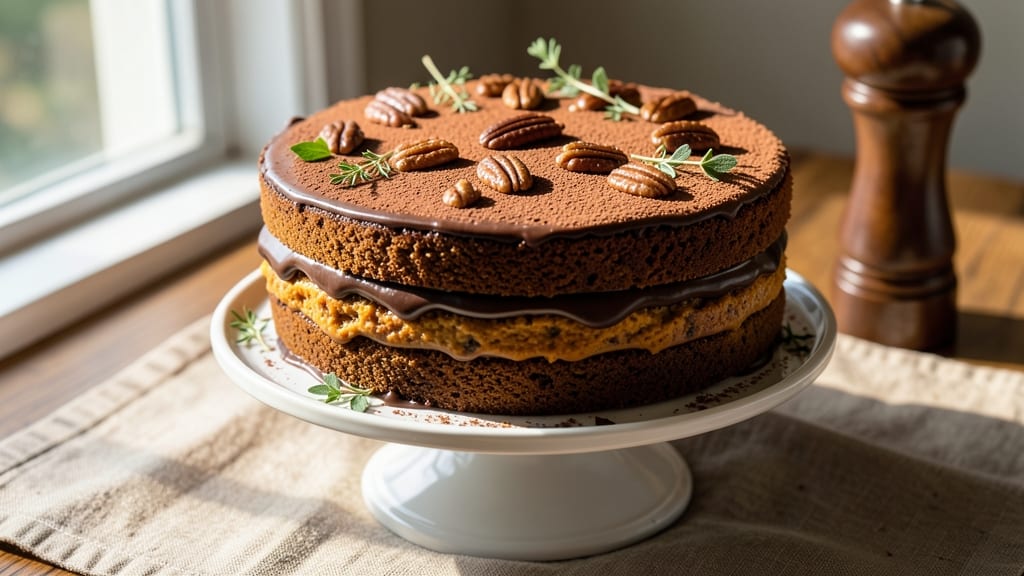
This butternut squash chocolate cake recipe transforms autumn's harvest into a decadent dessert that surprises with its perfect balance of spiced squash and rich cocoa.
The secret lies in puréed squash replacing some of the butter, creating a moist, tender crumb that's both comforting and sophisticated—ideal for fall gatherings where you want to impress without sacrificing ease. I developed this version after years of baking dense squash desserts, and this lighter approach changed everything.
The cake's magic comes from blending warm spices—cinnamon, nutmeg, and a hint of clove—with deep chocolate flavor, creating layers of complexity that keep every bite interesting. A simple ganache or cream cheese frosting enhances the texture contrast, while optional candied pecans add crunch for those who crave it.
What makes this recipe truly special is how it satisfies both chocolate lovers and squash enthusiasts equally.
Baking requires just 45 minutes at 350°F, with minimal effort beyond mixing and layering. The result? A cake that's rich yet not overly sweet, with a subtle caramel undertone from the squash that pairs beautifully with coffee or spiced cider.
Even those skeptical about squash desserts are won over by this version's refined balance.
For dietary flexibility, substitutions like flax eggs or coconut oil make this recipe adaptable without compromising texture. Whether you're serving at Thanksgiving or a casual weekend brunch, this cake delivers restaurant-quality results with a homemade touch. Let's get baking!
Ingredients for butternut squash chocolate cake
Twelve ingredients blend autumn's warmth with rich cocoa for a cake that surprises with its moist, spiced sophistication.
| Ingredient | Amount | Notes |
|---|---|---|
| Butternut Squash Puree 🎃 | 1 ½ cups | Homemade or canned, unsweetened |
| Unsweetened Cocoa Powder 🍫 | ¾ cup | High-quality Dutch-processed preferred |
| All-Purpose Flour 🌾 | 2 ½ cups | Sifted for light texture |
| Granulated Sugar 🍚 | 1 ¾ cups | Light brown sugar for depth |
| Baking Soda 🧂 | 1 ½ tsp | Freshly measured |
| Ground Cinnamon 🌿 | 2 tsp | Freshly ground for warmth |
| Ground Nutmeg 🌿 | ½ tsp | Freshly grated preferred |
| Ground Cloves 🌶️ | ¼ tsp | Minimal for subtle depth |
| Salt 🧂 | ½ tsp | Fine sea salt preferred |
| Vegetable Oil 🫒 | 1 cup | Light, neutral flavor |
| Large Eggs 🥚 | 2 whole | Room temperature for blending |
| Vanilla Extract 🌸 | 2 tsp | Pure Madagascar preferred |
| Dark Chocolate Chips 🍫 | 1 ½ cups | 70% cocoa for contrast |
| Pecans 🥜 | 1 cup | Chopped for candied topping |
| Powdered Sugar 🍚 | 1 ½ cups | For dusting |
The butternut squash puree is non-negotiable for moisture—homemade yields the best texture, but quality canned works in a pinch. Trader Joe's carries excellent canned puree, and most grocery stores stock it near the pumpkin puree. For homemade, roast the squash until tender, then blend until completely smooth—no chunks should remain. The cocoa powder should be Dutch-processed for smoothness, and brands like Valrhona or Ghirardelli elevate the flavor. Freshly ground spices are ideal, but if using pre-ground, check the date—spices lose potency quickly. For the pecans, raw and toasted both work, but toasted adds immediate depth to the flavor profile.
No butternut squash? Sweet potato puree works as a substitute, though the flavor will differ slightly. Running short on vanilla? Almond extract at half the amount provides a similar aromatic depth. The dark chocolate chips can be swapped for chopped semi-sweet chocolate bars if you prefer a smoother texture. For a dairy-free option, use flax eggs (2 tbsp ground flaxseed + 6 tbsp water per egg) and ensure your cocoa powder is labeled dairy-free. The vegetable oil can be replaced with melted coconut oil for a slightly tropical note, though it may alter the cake's mouthfeel slightly. If candied pecans feel like overkill, omit them entirely—the cake stands strong on its own.
Store the cake in an airtight container at room temperature for up to 3 days, though it's best enjoyed fresh. For longer storage, wrap individual slices in plastic wrap and freeze for up to 3 months. The frosting, if made separately, keeps well in the fridge for 5 days—simply re-whip before serving. For optimal freshness, bake the cake just before serving, as the flavors meld beautifully over the first few hours. Leftovers reheat well in the microwave for 10-15 seconds to restore moisture, though this cake is so tender it rarely needs reviving.
Why You'll Love This Recipe
- Here’s what sold me: this costs half of what a boxed mix would, and it tastes like you spent hours baking. The squash puree replaces expensive eggs, and you’re using pantry staples. Leftovers? They’ll disappear faster than you can say “second slice.”
- No Blender Needed: I’ll be real—this cake starts with a can of butternut squash puree (yes, the shelf-stable kind). No peeling, no roasting, no waiting. Just open, scoop, mix. That’s 15 minutes saved right there.
- Rich Without Overpowering: The cocoa powder and squash puree team up for a deep chocolate flavor that’s actually balanced—no bitter aftertaste. The squash adds this subtle caramel sweetness that makes every bite feel like a hug (but better).
- Dessert That Works Lunch: Between us, this cake is my go-to for brunch or a post-work snack. Slice it into squares, pack it in a container, and boom—you’ve got a protein-pairing powerhouse. Add a sprinkle of sea salt, and it’s basically a grown-up treat.
Step-by-step instructions for butternut squash chocolate cake
This method delivers a perfectly moist, spiced cake with rich cocoa depth and balanced sweetness.
Preheat and Prepare Pans
Preheat your oven to 350°F and position racks in the upper and lower thirds. Grease two 9-inch round cake pans thoroughly with vegetable oil, then line the bottoms with parchment paper. I use a pastry brush for even distribution—the oil prevents sticking and creates that classic pull from the pan.
Lightly dust the parchment with all-purpose flour, tapping out any excess. This creates a non-stick barrier while ensuring the cake doesn't adhere to the paper. The double rack position guarantees even baking, preventing a dome shape or dry top.
Combine Dry Ingredients
In a medium bowl, whisk together the 2.5 cups all-purpose flour, 1.75 cups granulated sugar, 1.5 tsp baking soda, 2 tsp ground cinnamon, 0.5 tsp ground nutmeg, 0.25 tsp ground cloves, and 0.5 tsp salt. Sift the mixture through a fine-mesh sieve directly into a large mixing bowl to aerate the flour and prevent dense texture.
This dry blend forms the structural foundation of your cake. The spices work together harmoniously—cinnamon provides warmth, nutmeg adds earthiness, and cloves contribute subtle depth. Don't skip the sifting; it makes all the difference in achieving that light, tender crumb.
Mix Wet Ingredients
In a separate large bowl, combine the 1.5 cups butternut squash puree, 0.75 cup unsweetened cocoa powder, 1 cup vegetable oil, 2 whole large eggs, and 2 tsp vanilla extract. Whisk vigorously for 2-3 minutes until the mixture is completely smooth and homogeneous. The squash puree should fully incorporate without any streaks.
This step is critical for moisture distribution. The squash puree adds natural sweetness while keeping the cake tender, and the cocoa powder develops that rich chocolate flavor. Use a hand mixer for efficiency, but don't overmix—you want to maintain air pockets for a light texture.
Combine Wet and Dry Ingredients
Gradually add the dry ingredient mixture to the wet ingredients while mixing on low speed. Increase to medium speed and mix for 1-2 minutes until just combined. Be careful not to overmix—the batter should be thick but pourable, with no dry spots remaining. Fold in the 1.5 cups dark chocolate chips using a spatula to distribute them evenly throughout.
At this stage, the batter should have a smooth, velvety consistency. If it appears too thick, add 1-2 tablespoons of milk or water to achieve proper flow. The chocolate chips will melt slightly during baking, creating pockets of molten chocolate in every bite.
Bake to Perfect Doneness
Divide the batter evenly between the prepared cake pans. Tap each pan firmly on the counter 3-4 times to eliminate air bubbles. Bake for 25-30 minutes or until a toothpick inserted into the center comes out clean. Rotate the pans halfway through baking for even heat distribution.
The cake is done when the edges pull slightly from the pan and the top springs back when gently pressed. Overbaking is the enemy of moisture—remove the cakes immediately when they pass the toothpick test. Let them cool in the pans for 10 minutes before transferring to a wire rack to cool completely.
Assemble and Serve
Once completely cooled, level the cakes if needed using a serrated knife. For the classic presentation, place one cake layer on a serving plate and spread with a thin layer of whipped cream or chocolate ganache. Dust generously with 1.5 cups powdered sugar and sprinkle with chopped pecans. Repeat with the second layer.
This cake shines best at room temperature, allowing the flavors to develop fully. The butternut squash adds natural sweetness that complements the deep cocoa, while the pecans provide a satisfying crunch. Serve with a dollop of whipped cream or a scoop of vanilla ice cream for the ultimate indulgence.
Pro Tips For Making Butternut Squash Chocolate Cake
- STRAIN THE PUREE: Skip the fibrous bits—blend the squash, then strain it through a fine-mesh sieve. That extra step keeps your cake smooth and prevents a gritty texture that’ll have you questioning your life choices. (Yes, even if you’re tempted to skip it.)
- WHISK THE COCOA: Sift the cocoa powder into the dry ingredients, then whisk it in with the flour. This breaks up clumps and guarantees even distribution—no one wants a cake with surprise chocolate pockets. I learned this the hard way after biting into a dense, uneven bite.
- CHECK OVEN TEMP AFTER 20: Your oven lies. Preheat to 350°F, but after 20 minutes of baking, stick a toothpick in—if it comes out clean, pull it. Overbaking turns butternut squash cake dense and dry, and no one’s coming back for seconds then.
- UPGRADE THE FAT: Swap butter for browned butter or even a little melted coconut oil. The nutty depth in browned butter cuts through the sweetness, and the oil keeps the cake moist without overpowering the cocoa. (Your taste buds will notice the difference.)
Health benefits of this butternut squash chocolate cake
Autumn Spice Benefits
This cake delivers a powerhouse of warm spices that boost circulation and digestion. Cinnamon helps regulate blood sugar, making it ideal after meals, while nutmeg contains myristicin, a compound linked to improved focus and mental clarity.
The clove adds antimicrobial properties that support immune function—perfect for fall gatherings when germs spread easily. 🌿
Rich Cocoa Antioxidants
The 70% dark chocolate chips provide flavonoids that promote heart health by improving blood vessel function. A single slice delivers about 15% of your daily iron, supporting energy levels, while the cocoa powder contains theobromine, a mild stimulant that enhances mood without caffeine jitters.
This makes the cake a healthier indulgence than traditional chocolate desserts.
Natural Sweetness Control
Butternut squash replaces some sugar while adding fiber and vitamin A, helping stabilize blood glucose levels. The 1.75 cups granulated sugar is balanced by the squash's natural sweetness, reducing the glycemic impact compared to a standard chocolate cake.
For those watching carbs, this version is significantly more stable than traditional desserts. 🍚
Protein-Packed Indulgence
While not a high-protein dessert, the 2 large eggs and 1 cup vegetable oil create a dense yet moist texture that satisfies cravings longer than lighter cakes. The pecans add plant-based protein and healthy fats, making this dessert more filling than typical chocolate treats.
A slice provides about 5 grams of protein, helping curb post-meal sugar crashes.
Digestive Comfort Factors
The combination of fiber from squash and healthy fats from pecans promotes digestive regularity—unlike many rich desserts that cause discomfort. The ginger-like warmth from spices aids digestion, while the moist texture prevents the dryness that often triggers bloating after eating dense baked goods.
This makes it a surprisingly gentle treat for sensitive stomachs. 💪
Vitamin A Boost
Butternut squash is one of the best sources of vitamin A, with a 6-ounce serving providing 200% of your daily needs. This supports vision, immune function, and skin health—making this cake not just delicious but nourishing.
The vitamin A content also helps maintain healthy mucous membranes, giving you an extra layer of protection during cold season. 🌟
Nutrition facts
Frequently asked questions
Can I make this cake without butternut squash?
Yes! For a similar texture, substitute 1.5 cups sweet potato puree or 1 cup unsweetened applesauce. The flavor will shift slightly, but the moisture and structure will remain intact. If you're avoiding squash entirely, use 1 cup Greek yogurt or 1 cup mashed banana for a lighter option. The spices will still shine through, especially the cinnamon and nutmeg.
How do I prevent the cake from being too dense?
Sifting the dry ingredients and avoiding overmixing are key! Use a hand mixer for 1-2 minutes total when combining wet and dry ingredients, and stop as soon as the batter comes together. For extra lightness, fold in 1/2 cup whipped egg whites at the end. Also, don't overbake—remove the cake when a toothpick comes out with a few moist crumbs, not completely clean.
Can I make this cake vegan?
Replace the 2 eggs with 2 flax eggs (2 tbsp ground flaxseed + 6 tbsp water per egg), use coconut oil instead of vegetable oil, and ensure your cocoa powder is vegan. For binding, add 1/4 cup applesauce or 1/4 cup aquafaba to the wet ingredients. The texture will be slightly different but still moist and delicious.
What's the best way to store leftovers?
Store the cake in an airtight container at room temperature for up to 3 days, or freeze individual slices wrapped in plastic for 3 months. For frosting, keep it refrigerated for 5 days and re-whip before serving. To revive stale slices, warm them in the microwave for 10-15 seconds—the squash keeps them moist longer than traditional cakes.
Why does my cake taste more like squash than chocolate?
This usually happens when the squash puree isn't fully incorporated or the cocoa powder is overpowered. For richer chocolate flavor, increase the cocoa to 1 cup (reduce flour by 1/4 cup) and use 72% dark chocolate chips. Also ensure your squash puree is unsweetened—sweetened versions can dominate. Taste the batter before baking; if it's too squash-forward, add 1 tsp extra vanilla extract.