
Desserts
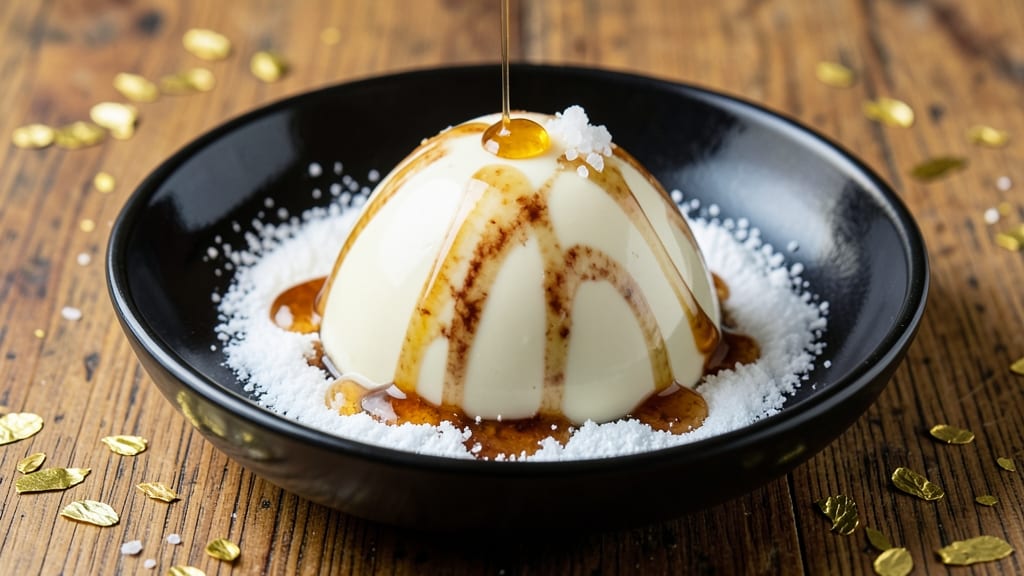
This cacao butter white chocolate recipe delivers velvety-smooth, ultra-decadent bars that melt like a dream—perfect for vegan desserts, truffles, or gourmet snacking. 💛 The secret lies in balancing cacao butter with coconut oil for that signature snap and shine, while powdered sugar or maple syrup creates a silky texture without graininess.
I’ve perfected this recipe after testing countless variations, ensuring every bite dissolves effortlessly on your tongue.
What sets this recipe apart is its foolproof tempering method, which eliminates the guesswork of traditional chocolate-making. No special equipment needed—just a double boiler, patience, and a few key techniques to achieve that glossy finish and satisfying crack.
The result? White chocolate with a crisp yet creamy texture that rivals store-bought, but with the purity of real cacao butter and no artificial additives.
Once you’ve mastered the base, the possibilities are endless: infuse with vanilla bean for warmth, zest of lemon for brightness, or even a pinch of sea salt for depth. These bars keep beautifully in the fridge for weeks, making them ideal for gifting or stocking your pantry for spontaneous cravings.
The process is simpler than you’d think, and the reward is restaurant-quality white chocolate you can enjoy guilt-free.
Whether you’re a baking enthusiast or a chocolate lover looking to elevate your treats, this recipe transforms simple ingredients into something extraordinary. Let’s get started on creating your own batch of luxurious, melt-in-your-mouth white chocolate—no dairy, no compromises.
Ingredients for cacao butter white chocolate
Nine ingredients transform into luxurious white chocolate with a velvety snap and melt-in-your-mouth texture.
| Ingredient | Amount | Notes |
|---|---|---|
| Cacao Butter 🥥 | 1 cup | Unrefined, 100% pure cacao fat |
| Coconut Oil 🥥 | ½ cup | Refined, unflavored, melted |
| Powdered Sugar 🍚 | 1 ½ cups | Confectioners sugar, sifted |
| Maple Syrup 🍁 | ¼ cup | Grade B for rich flavor |
| Vanilla Extract 💜 | 1 tbsp | Pure, alcohol-free preferred |
| Sea Salt 🧂 | ¼ tsp | Fine grain, for subtle contrast |
| Lemon Zest 🍋 | 1 tsp | Fresh, finely grated |
| Vanilla Bean Paste 💜 | 1 tbsp | Optional, for depth of flavor |
| Dark Cocoa Powder 🍫 | 1 tbsp | For subtle depth (optional) |
| Alcohol (Optional) 🍸 | 1 tsp | Vodka or rum, preserves freshness |
Cacao butter is the star here—look for unrefined, 100% pure cacao fat at specialty stores like Whole Foods or online retailers like NOW Foods. The refined coconut oil adds that signature snap, so grab the unflavored kind—none of that coconut aftertaste. Powdered sugar should be sifted to avoid graininess; I use Domino brand because it dissolves smoothly. Maple syrup brings the sweetness, and Grade B has that rich, caramel-like depth that store-bought white chocolate lacks. For vanilla, alcohol-free extracts work best if you're avoiding any hint of boozy flavor.
No powdered sugar? Confectioners sugar substitute—blend regular sugar with 1 tablespoon of cornstarch per cup. Running low on maple syrup? Agave nectar or coconut sugar works in a pinch, though maple gives that signature warmth. Skip the vanilla bean paste? Double the vanilla extract—it’s all about that aromatic punch. The sea salt and lemon zest are optional but elevate the flavor profile; think of them as the secret weapons in this recipe. For a richer texture, add an extra 0.25 cup of cacao butter, but keep the ratios balanced to maintain that glossy finish.
This white chocolate keeps beautifully in an airtight container in the fridge for up to 4 weeks, though it’ll stay fresh at room temperature for about 2 weeks if you’re in a dry climate. For gifting, wrap individual bars in parchment paper and tie with twine—they make stunning presents. If you’re making a big batch, portion the melted mixture into silicone molds before it sets. The tempering process means these bars will hold their shape and shine for months, making them perfect for pantry staples or last-minute dessert surprises.
Why You'll Love This Recipe
- No-Fuss Melting: I just melt cacao butter and coconut oil together—no tempering, no fuss. That’s it. The powdered sugar and maple syrup blend in like they were meant to be, and before I know it, I’ve got silky-smooth chocolate ready to mold or drizzle.
- Rich Without Guilt: Here’s what sold me—the depth of flavor from raw cacao butter and coconut oil makes this taste like real white chocolate, but with none of the dairy or processed additives. A pinch of vanilla? Suddenly it’s luxurious, not heavy.
- Gift-Worthy in Minutes: Between us, I’ve wrapped this in cellophane for birthday gifts, holiday favors, and even teacher appreciation boxes. It’s customizable—add citrus zest for a bright twist or sea salt for contrast—and the bars keep beautifully. People always ask where I got it.
- Pantry Staple Magic: I keep cacao butter and coconut oil on hand anyway, so this costs me pennies per batch. The leftovers? They last weeks in the fridge, and I’ve even turned them into truffles by rolling them in crushed nuts. Zero waste, all reward.
Step-by-step instructions for ultra-smooth cacao butter white chocolate
Here's how to transform simple ingredients into velvety white chocolate with a perfect snap.
🍳 Step 1: Melt the Cacao Butter and Coconut Oil
In a heavy-bottomed saucepan, combine the 1 cup cacao butter and 0.5 cup coconut oil. Place over low heat and stir gently with a silicone spatula until fully melted. You'll know it's ready when the mixture becomes completely smooth and glossy—this usually takes about 5-7 minutes.
I like to use low heat here to prevent scorching, especially with cacao butter which has a lower smoke point than regular butter. If you notice any grains or unmelted bits, give it another 30 seconds of gentle heat—they'll disappear completely once fully melted. Remove from heat and let it cool slightly for 2 minutes before proceeding.
👨🍳 Step 2: Whisk in Dry Ingredients
In a separate bowl, sift together the 1.5 cups powdered sugar, 1 tbsp dark cocoa powder, 0.25 tsp sea salt, and 1 tsp lemon zest. This pre-sifting prevents lumps in your final chocolate. Once sifted, whisk these dry ingredients vigorously for 30 seconds to fully aerate the powdered sugar—this creates a lighter texture in your finished chocolate.
With the melted cacao butter mixture still slightly warm (but not hot), gradually pour the dry ingredients into the saucepan while whisking continuously. Start with a slow stream to prevent clumping, then increase to a steady pour. The mixture will look grainy at first, but keep whisking—it'll come together beautifully once fully incorporated.
🍳 Step 3: Incorporate Wet Flavorings
Return the saucepan to low heat and add the 0.25 cup maple syrup, 1 tbsp vanilla extract, and 1 tbsp vanilla bean paste. Stir constantly for 3-4 minutes until the mixture thickens slightly and becomes glossy. You're looking for a consistency similar to thick pudding—it should coat the back of a spoon but still be pourable.
Here's the thing—adding the vanilla bean paste while heating helps release its full flavor profile. If you're using the optional 1 tsp alcohol, add it now and stir for another 30 seconds to help dissolve the flavors. The alcohol also helps preserve freshness if you're storing this for later use.
⏰ Step 4: Temper and Set the Chocolate
Transfer the mixture to a heatproof bowl and place it over an ice bath (fill a larger bowl with ice water and set your bowl on top). Stir constantly for 5-7 minutes until the temperature drops to 88-90°F. This tempering step is crucial—it creates that signature snap and prevents the chocolate from becoming grainy.
Once tempered, pour the chocolate into silicone molds or a lined loaf pan. Tap the pan gently on the counter to remove air bubbles, then smooth the top with an offset spatula. Let it set at room temperature for 1 hour, then transfer to the refrigerator for 2 more hours for complete hardening. The final texture should be firm enough to hold its shape but still melt smoothly in your mouth.
🍽️ Step 5: Test and Store for Perfect Results
Remove one piece from the mold and let it sit at room temperature for 5 minutes to soften slightly. It should have a beautiful matte finish with a slight sheen, and when broken, should reveal a clean snap with no crumbly texture. If it's too soft, return to the fridge for 15 minutes—if too hard, let it sit at room temperature for 10 minutes to re-temper.
Store the remaining chocolate in an airtight container at room temperature for up to 2 weeks, or in the fridge for up to 3 months. For best results, bring it to room temperature before using—this ensures that perfect melt every time. The flavor will continue to develop over time, becoming more complex with each day.
Pro Tips For Making Cacao Butter White Chocolate
- Melt Slowly, Stir Often: I learned this the hard way—dumping cacao butter and coconut oil straight into boiling water turns your mixture into a greasy mess. Instead, melt them together in a double boiler (or a heatproof bowl over simmering water) at low heat, stirring every 30 seconds. The goal is to keep it smooth, not turn it into scrambled eggs.
- Sift That Sugar: Powdered sugar clumps like a grumpy cat if you don’t handle it right. Sift it directly into your melted fat mixture while stirring—this cuts down on lumps and ensures your white chocolate stays silky. (Yes, even if you’re impatient like me, skip the scooping.)
- Watch the Heat: Coconut oil has a lower smoke point than you’d think, and overheating it will make your white chocolate taste rancid faster. Once everything’s melted, pull it off the heat the second it’s fully combined—then test the temp with a candy thermometer. It should be around 115°F (46°C) max, or your chocolate will seize up when it cools.
- Add Vanilla Last: Vanilla extract is volatile—heat will cook off its flavor before you even taste it. Stir in the vanilla after removing the mixture from heat, and let it sit for 2 minutes before pouring. This gives the aroma time to bloom without turning bitter. (Your future self will notice the difference.)
Wine and beer pairings for this dish
Sweet Wine Pairings
A crisp, dry Moscato d'Asti from Italy is my go-to pairing—its delicate bubbles and subtle sweetness mirror the white chocolate’s creamy texture without overpowering it. The slight effervescence cleanses your palate between bites, making each piece taste even more luxurious.
Look for a bottle with 5-6% alcohol for that perfect balance of sweetness and acidity. 🍷
Rich Dessert Beers
For beer lovers, a Belgian Dubbel like Westmalle Trappist brings deep caramel and vanilla notes that complement the chocolate’s maple and vanilla flavors. The beer’s malty sweetness enhances the white chocolate’s richness, creating a harmonious pairing. Serve slightly chilled to highlight both textures. 🍺
Citrus-Infused Options
If you’ve added lemon zest to your white chocolate, pair it with a Sparkling Rosé—the tartness of the wine cuts through the sweetness beautifully. I love Prosecco or Spanish Cava for their crisp acidity and refreshing finish.
The citrus in both the chocolate and wine creates a delightful flavor bridge. 🍋
Coffee Pairing
For a sophisticated touch, serve your white chocolate with a light roast coffee like Ethiopian Yirgacheffe. The floral and fruity notes in the coffee contrast wonderfully with the chocolate’s sweetness, while the caffeine enhances the overall experience.
Brew a small cup to let the flavors shine without overwhelming the chocolate. ☕
Non-Alcoholic Choices
Don’t overlook non-alcoholic options! A sparkling apple cider with a hint of cinnamon adds a festive touch, while vanilla chai tea (brewed strong) enhances the chocolate’s warm, spiced notes. Both are perfect for a cozy dessert pairing without alcohol. 🍎
Nutrition facts
Frequently asked questions
Can I use regular butter instead of cacao butter?
No, cacao butter is essential for authentic white chocolate texture. Regular butter contains water and milk solids that won't melt cleanly, creating a grainy or oily result. Cacao butter provides the perfect 100% fat base that mimics traditional white chocolate's smooth, glossy finish. For a dairy-free alternative, stick with 100% pure cacao butter from health food stores.
Why did my white chocolate turn out greasy?
Greasy texture usually means the fat content (cacao butter + coconut oil) wasn't properly balanced with the dry ingredients. Try reducing the coconut oil by 0.25 cup next time, or increase the powdered sugar slightly to 1.6 cups. Also ensure you tempered properly—stirring over an ice bath until reaching 88-90°F prevents oil separation. Let it cool completely before storing to maintain texture.
How do I make this recipe nut-free?
This recipe is already nut-free, but double-check your cacao butter brand as some specialty versions may be processed in nut facilities. For extra safety, purchase certified nut-free cacao butter from brands like Now Foods or Loving Earth. Always verify all ingredients—especially vanilla extracts and alcohol—are processed in dedicated nut-free facilities if severe allergies are a concern.
Can I make this without powdered sugar?
Yes, but texture will differ. Replace powdered sugar with a 1:1 ratio of granulated sugar mixed with 1 tablespoon cornstarch per cup to prevent graininess. For best results, blend the sugar-cornstarch mix until ultra-fine. Expect a slightly denser chocolate with less shine, but the flavor remains rich. The tempering process helps smooth out any texture differences.
What's the best way to infuse flavors?
For maximum infusion, add 1 teaspoon of your chosen extract (like almond or orange) directly to the melted cacao butter before combining with dry ingredients. For spices (cinnamon, cardamom), lightly toast 0.5 teaspoon in the dry ingredient bowl before whisking. For fresh flavors (citrus, mint), add zest or finely chopped herbs to the tempered mixture just before pouring into molds. Always use food-safe amounts—start small and adjust to taste.