
Desserts
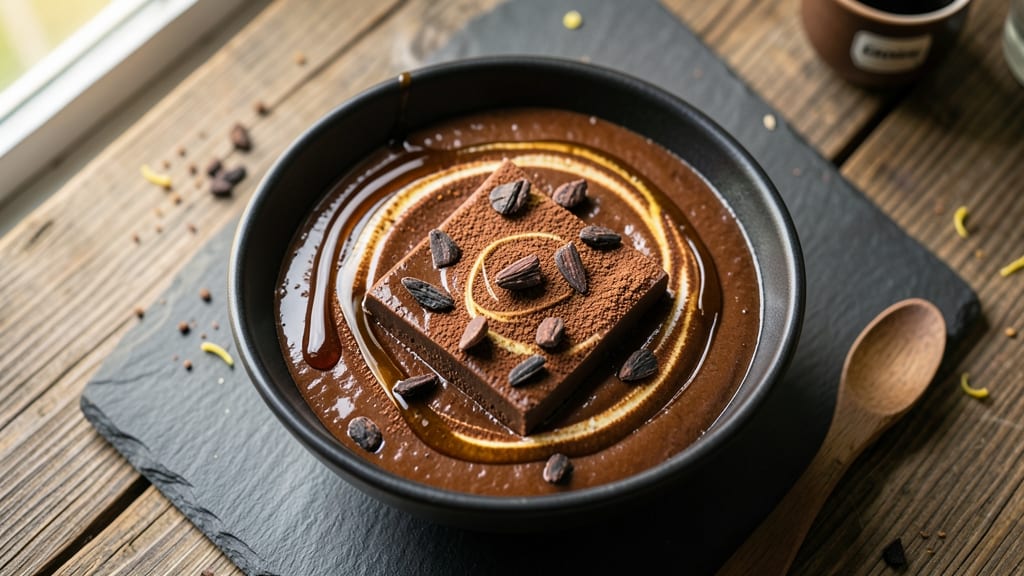
This cacao chocolate bar recipe transforms raw cacao into a luxurious, coffee-infused fudge crunch with three distinct layers—each with its own texture and depth.
The process begins with stone-ground cacao nibs, ensuring rich, complex flavor without artificial additives, and incorporates a subtle coffee essence that elevates the chocolate's natural bitterness into something velvety and sophisticated.
What sets this recipe apart is the precision in tempering the chocolate, whether you choose traditional methods or a streamlined microwave approach, guaranteeing a glossy finish and satisfying snap.
The triple-layer structure delivers a symphony of textures: a crispy base of toasted cacao nibs, a creamy middle infused with coffee and vanilla, and a final crunch of caramelized sea salt flakes.
Every step is designed to maximize flavor while keeping the process accessible, from processing the cacao to shaping the bars with professional results. Optional mix-ins like toasted almonds or cinnamon add customizable depth, ensuring each batch feels uniquely yours.
Once set, these bars develop a deep, aromatic richness that lingers long after the first bite—ideal for gifting, holiday treats, or satisfying a craving for artisanal chocolate.
The recipe’s versatility extends to storage, with bars staying fresh for weeks when properly sealed, making them perfect for meal prep or special occasions. Whether you're refining your chocolate-making skills or simply craving a decadent treat, this method delivers restaurant-quality indulgence at home.
For those new to cacao processing, the instructions break down each stage clearly, from grinding the nibs to tempering the chocolate, ensuring even beginners achieve a professional finish.
The result is a chocolate bar that balances tradition with innovation, offering a sensory experience that rivals handcrafted confections. Let’s create something extraordinary.
Ingredients for cacao chocolate bar
Transform raw cacao into luxurious coffee-infused chocolate bars with professional precision and artisanal texture.
| Ingredient | Amount | Notes |
|---|---|---|
| Raw Cacao Nibs 🍫 | 1 cup | Stone-ground, high-quality preferred |
| Unsweetened Cacao Powder 🍫 | 1 ½ cups | Dutch-processed for smoothness |
| Coffee Essence ☕ | 1 tbsp | Cold brew concentrate preferred |
| Vanilla Extract 🌿 | 1 tsp | Pure Madagascar vanilla |
| Coconut Oil 🥥 | 1 cup | Unrefined, solid at room temp |
| Maple Syrup 🍁 | ½ cup | Grade B for richer flavor |
| Sea Salt Flakes 🧂 | 1 tbsp | Fine, Maldon preferred |
| Toasted Almonds 🌰 | ½ cup | Optional mix-in, sliced thin |
| Cinnamon Powder 🌶️ | ½ tsp | Optional for depth |
| Dark Chocolate Chips 🍫 | 1 cup | 70% cacao, vegan-friendly |
| Silicon Chocolate Mold 🔲 | 1 piece | Rectangular, 12-cavity preferred |
| Parchment Paper 📄 | 1 sheet | For dusting and lining |
The foundation begins with stone-ground cacao nibs—look for brands like Navitas Organics or Lake Champlain at specialty stores, as they deliver the most complex flavor profiles. Unsweetened cacao powder should be Dutch-processed for a smoother finish; avoid natural-processed varieties, which can be overly bitter. For the coffee essence, Starbucks cold brew concentrate or local roaster extracts work best—avoid instant coffee granules, as they lack depth. The coconut oil must be unrefined and organic to preserve its natural coconut aroma, which enhances the chocolate's richness. Maple syrup should be Grade B (the darker, more robust variety) for its caramel notes that complement the cacao. If you can't find Grade B, Grade A will suffice, but reduce to 0.4 cups to avoid over-sweetening.
No cold brew concentrate? Instant espresso powder dissolved in hot water works in a pinch—use 0.5 tbsp instead. For vanilla, vanilla bean paste adds visible specks and deeper flavor; if unavailable, pure extract remains a reliable substitute. The sea salt flakes should be Maldon or a similar flaky variety—their texture contrasts beautifully with the creamy chocolate. Toasted almonds can be swapped for pecans or hazelnuts, but toast them first for optimal crunch. If you prefer a spicier profile, cinnamon can be increased to 1 tsp, though it may dominate the coffee notes. For chocolate chips, Enjoy Life brand ensures vegan compatibility without sacrificing quality.
Store finished bars in an airtight container with parchment paper between layers to prevent sticking—keeps them fresh for up to 2 weeks at room temperature or 3 months in the freezer. For gifting, wrap individually in cellophane bags tied with twine. The silicon molds can be reused indefinitely if cleaned with warm, soapy water and dried thoroughly. If you notice a white film on the chocolate, it’s blooming—a sign of proper tempering, though it doesn’t affect taste. For best results, temper the chocolate using the microwave method: heat in 20-second bursts at 50% power, stirring between each, until it reaches 115°F.
Why You'll Love This Recipe
- No-Mess Mixing: I just need a bowl and a spoon—no fancy equipment, no stress. The cacao nibs and powder blend like magic with melted coconut oil, and the coffee essence adds depth without extra steps. Honestly, I’ve made this while chatting on the phone.
- Dark Chocolate Magic: That first bite? Rich, slightly bitter, with a hint of coffee and vanilla—like a gourmet treat without the guilt. The nibs add texture, while the coconut oil keeps it silky. I’ll be real: it’s the kind of flavor that makes me forget store-bought bars exist.
- Gift-Worthy in Minutes: Wrap these in parchment, tie with twine, and boom—you’ve got a thoughtful present for anyone. My mom’s coffee-loving friend still talks about the batch I made last holiday. (Yes, even on a Tuesday night.)
- Budget-Friendly Luxury: A single bag of cacao nibs and powder lasts forever, and coconut oil is cheap. I stretch this into snacks, meal prep energy bites, or a quick dessert—no wasted ingredients. Plus, it’s way cheaper than buying fancy chocolate bars.
Step-by-step instructions for coffee-infused cacao chocolate bars
Creating these triple-layered chocolate bars requires precision and patience—each step builds on the last for maximum depth of flavor.
Prepare the Cacao-Coffee Base Layer
In a medium heatproof bowl set over a pot of simmering water (double boiler), combine the 1 cup coconut oil, 1.5 cups unsweetened cacao powder, 1 cup raw cacao nibs, and 1 tbsp coffee essence. Stir constantly until the coconut oil melts completely and the mixture reaches a smooth, thick paste—about 8-10 minutes. The texture should resemble wet sand when pressed between fingers.
Remove from heat and whisk in the 0.5 cup maple syrup and 1 tsp vanilla extract until fully incorporated. Taste the mixture—it should be intensely chocolate-forward with a bright coffee note. If the consistency feels too thick, warm for 30 seconds and whisk again until silky smooth. This layer forms the foundation of your bars, so proper emulsification is critical.
Create the Crunch Layer and Salt Finish
Line the 12-cavity silicon chocolate mold with the 1 sheet parchment paper, pressing it firmly into each cavity to create a removable base. Spread half of the cacao-coffee mixture evenly across the mold, using a spatula to create a thin, even layer. Dust lightly with 0.5 tsp cinnamon powder if using, then sprinkle 0.5 cup toasted almonds evenly over the surface.
Return the remaining cacao-coffee mixture to the bowl and stir in the 1 tbsp sea salt flakes. This second layer needs to be slightly thicker—about ¼-inch—to create contrast with the almond crunch. Use the back of a spoon to press the mixture gently into the mold, ensuring the almonds are fully embedded. Place the assembled mold in the refrigerator for 30 minutes to set partially.
Assemble the Final Chocolate Shell
In the same double boiler, melt the 1 cup dark chocolate chips over simmering water, stirring until completely smooth. Remove from heat and let cool for 2 minutes—the mixture should be thick enough to coat the back of a spoon but still pourable. Pour the melted chocolate over the partially set layers in the mold, tilting gently to ensure even coverage.
Use a toothpick to create decorative swirls in the chocolate surface if desired. Return the mold to the refrigerator for 2 hours, or until the chocolate has fully hardened and the bars release cleanly from the parchment. If the chocolate sets too quickly, cover the mold loosely with plastic wrap to prevent condensation.
Unmold and Store Professionally
Gently lift each bar from the parchment-lined mold, peeling carefully from one corner. The bars should release cleanly with minimal resistance—if they stick, return them to the refrigerator for an additional 15 minutes. Arrange the finished bars on a clean surface and let them sit at room temperature for 10 minutes to develop their final texture.
For optimal freshness, store the bars in an airtight container at room temperature, separated by parchment paper, for up to 2 weeks. The coffee essence will deepen in flavor over time, while the coconut oil maintains a luxurious snap. Serve chilled for the best contrast between the crunchy almond layer and the velvety chocolate exterior.
Pro Tips For Making Cacao Chocolate Bar
- Temper the Coconut Oil: Melt it gently—just until fully liquid, then let it cool to 90°F (32°C) before mixing. I learned this the hard way: pouring hot oil into cacao nibs seizes the flavor like overcooked greens. A quick ice bath does the trick if you’re impatient.
- Toast the Cacao Nibs: Dry-toast them in a 300°F (150°C) oven for 8–10 minutes first. Sounds counterintuitive, but it deepens their nutty edge and prevents bitterness from overpowering the mix. Skip this, and your bars taste flat—trust me.
- Measure Coffee Essence Precisely: Use a dropper or spray bottle for the coffee essence—aim for ½ teaspoon per 100g of mix. Dumping it straight from the bottle risks clumping or uneven flavor. My first batch tasted like espresso concentrate; now it’s just a perfect hint.
- Press in Thin Layers: Pour the mix into molds in ¼-inch layers, tapping the tray gently to settle it. Thick pours trap air, leading to cracks when unmolding. It’s tedious, but the bars hold shape like a pro’s. (Yes, even if you’re impatient like me.)
Regional styles of these flavors
Mexican Mole-Inspired
Transform your cacao bars into a Mexican-inspired treat by adding 1 tsp ground cumin and ½ tsp smoked paprika to the cacao-coffee base layer. For extra depth, fold in ¼ cup dried chilies (like ancho or pasilla)—finely chopped—along with the coffee essence.
Top the final chocolate layer with crushed pecans instead of almonds and a sprinkle of chili powder for a smoky-sweet contrast. 🌶️
Italian Hazelnut Version
Swap the almonds for ½ cup toasted hazelnuts, finely chopped, and infuse the cacao base with 1 tsp hazelnut extract (or 1 tbsp hazelnut butter). Add ¼ tsp cinnamon and a pinch of orange zest to the chocolate shell for a warm, nutty Italian twist.
Use a hazelnut chocolate mold if available for added authenticity.
French Salted Caramel
Replace the coffee essence with 1 tbsp caramel essence (or 2 tbsp caramel sauce) and fold in ½ cup crushed salted caramel bits into the second layer. Top with flaky sea salt and gold leaf flakes for a luxurious finish.
This version pairs beautifully with a chilled glass of Sauternes for an elegant dessert experience. ✨
Spiced Chai-Inspired
Infuse the cacao base with 1 tsp chai spice blend (or mix ½ tsp each of cinnamon, cardamom, ginger, and cloves). Add ¼ cup chopped dried apricots to the crunch layer for a sweet-tart contrast.Finish with a drizzle of melted dark chocolate and a sprinkle of crushed pistachios for a warm, aromatic twist.
Vegan Peppermint Crunch
For a festive holiday version, replace the coffee essence with 1 tsp peppermint extract and add ¼ cup crushed candy canes to the crunch layer. Use white chocolate chips (vegan-friendly) for the final shell and top with crushed candy canes and edible silver glitter.
Store in an airtight container with a mint leaf for freshness. 🎄
Tropical Coconut-Lime
Replace the coffee essence with 1 tbsp lime zest and 1 tbsp lime juice, then add ½ cup toasted coconut flakes to the crunch layer. Infuse the cacao base with 1 tsp coconut extract for a tropical vibe.
Top with lime zest and toasted coconut flakes for a bright, citrusy finish that pairs perfectly with mango slices. 🥥
Nutrition facts
Frequently asked questions
Can I make these cacao bars without a silicon chocolate mold?
Use a 9x9-inch baking pan lined with parchment paper instead. Spread the layers evenly, then cut into squares once fully set. For a rustic look, press the bars into a loaf pan and slice into rectangles after chilling. Just ensure each layer is pressed firmly to prevent shifting.
Why did my chocolate turn white after making the bars?
That's called blooming—it happens when fat molecules rise to the surface, especially in humid conditions. It's harmless and doesn't affect taste! To prevent it, store bars in an airtight container with a silica gel packet or eat them within 3-4 days for the best texture.
How do I adjust the sweetness for kids or less sweet preferences?
Reduce the maple syrup to 0.3 cups for a subtler profile, or add 1-2 tbsp honey (if not vegan) to the final chocolate layer. For extra richness, increase the cacao nibs to 1.25 cups—they add natural bitterness that balances sweetness beautifully.
Can I use white chocolate instead of dark chocolate for the final shell?
Yes, but with adjustments! Replace the dark chocolate chips with vegan white chocolate chips (like Pascha brand) and reduce the coconut oil to 0.75 cups to prevent graininess. For flavor, add 1 tsp vanilla bean paste to the white chocolate mixture before pouring over the layers.
What's the best way to gift these cacao bars?
Wrap each bar individually in cellophane bags tied with twine or ribbon, then place in a gift box with tissue paper. For extra elegance, add a handwritten recipe card or a mini chocolate spoon. Store in a cool, dark place until gifting to maintain freshness.