
Desserts
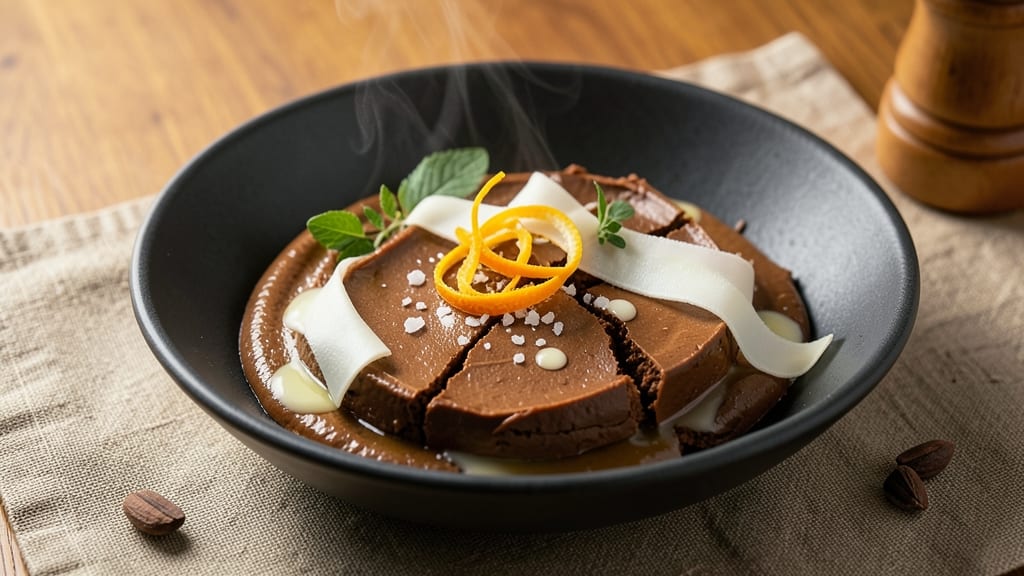
This cacao paste chocolate recipe delivers restaurant-quality richness with just one ingredient—no sugar, no milk, no fuss. The secret lies in melting cacao paste properly to create a velvety, spreadable chocolate that’s perfect for desserts, beverages, or baking.
I’ve perfected this technique after years of experimenting with single-ingredient chocolate, and the results are surprisingly complex—deep, earthy, and intensely satisfying.
The process is simpler than you’d expect: melt the cacao paste gently, then let it cool into a glossy, malleable ganache. Unlike traditional chocolate, this version requires no additional fat—just pure cacao butter and flavor.
It’s ideal for layering cakes, drizzling over fruit, or even stirring into coffee for a bold, bittersweet boost. The texture is smooth yet firm enough to hold shape, making it versatile for both professional and home kitchens.
What makes this recipe stand out is its intensely rich flavor profile, achieved without additives. The cacao paste’s natural oils create a luxurious mouthfeel, while its high cocoa content delivers a deep, chocolatey experience.
Whether you’re a baker, a coffee lover, or simply someone who craves high-quality chocolate, this ganache will elevate your treats effortlessly.
Storage is a breeze—keep it refrigerated for up to two weeks or freeze for longer shelf life. The possibilities are endless: use it as a glaze, a filling, or even a decadent dip. Let’s get started on this single-ingredient game-changer.
Ingredients for cacao paste chocolate
One ingredient transforms into luxurious chocolate—no sugar, no milk, just pure cacao magic.
| Ingredient | Amount | Notes |
|---|---|---|
| Cacao Paste 🍫 | 8 oz | High-quality, unsweetened, 100% cacao |
| Extra-Virgin Olive Oil 🫒 | 1 tbsp | For glossy finish and stability |
| Vanilla Extract 🌿 | ½ tsp | Pure, alcohol-free preferred |
| Sea Salt 🧂 | ¼ tsp | Fine grain, for subtle enhancement |
| Orange Zest 🍊 | 1 tsp | Fresh, finely grated |
| Unsweetened Coconut Milk 🥥 | 2 tbsp | Full-fat, for creaminess |
The cacao paste is the star here—look for 100% cacao content with no additives. Valrhona or Alter Eco brands deliver exceptional quality, but any reputable cacao paste will work. The key is using unsweetened, high-fat cacao paste (typically 50-60% cacao butter content) to ensure proper melting and gloss. Store your cacao paste in a cool, dark place to preserve its rich oils—exposure to heat or light accelerates rancidity. For the orange zest, use only the outer layer—avoid the bitter white pith. Freshly grated zest makes all the difference, but if you're short on time, dried orange peel powder can be substituted at half the amount.
No vanilla extract? Almond extract at one-quarter the amount works surprisingly well, though it lacks the floral depth. Short on coconut milk? Heavy coconut cream or even avocado puree adds creaminess without altering the texture. The olive oil is non-negotiable—it stabilizes the ganache and prevents graininess. Use extra-virgin olive oil with a peppery finish for added complexity. For a nutty undertone, swap the olive oil for walnut oil. The sea salt should be fine grain like Maldon—it dissolves completely and enhances the chocolate's depth without overpowering it.
This ganache keeps beautifully—refrigerate in an airtight container for up to two weeks, or freeze for three months for long-term storage. To use, simply reheat gently in a double boiler until smooth. The texture will firm up as it cools, making it perfect for layering cakes or drizzling. For professional results, chill the ganache briefly before using to achieve that restaurant-quality snap. Portion into silicone molds for elegant chocolate truffles, or spread onto parchment for chocolate bark. The possibilities are endless with this ultra-versatile single-ingredient creation.
Why You'll Love This Recipe
- No-Mess Magic: The cacao paste melts into a silky puddle with just heat and patience—no tempering, no fuss, no stress. I’ve made this while scrolling through emails, and it still turns out rich and velvety every time.
- Bright & Deep: That orange zest cuts through the earthy cacao like a citrusy whisper, while the olive oil adds a fruity richness you’d never expect in chocolate. Honestly, it’s the kind of flavor that makes you pause mid-bite.
- Gift-Worthy Simplicity: A few minutes of melting and stirring, and you’ve got a luxurious chocolate that’s perfect for dipping fruit, stirring into yogurt, or wrapping in sea salt for a fancy snack. My neighbor’s jaw dropped when I handed her a jar—I’d call that a win.
- Pantry Goldmine: You’re using ingredients you likely already have (or can grab cheaply), and the leftovers? They keep for weeks in the fridge. I’ve turned this into everything from cookie dough to a quick glaze—zero waste, all flavor.
Step-by-step instructions for intensely rich cacao paste chocolate
Transforming cacao paste into velvety chocolate requires precision—follow these steps to unlock its deep, complex flavor.
Melt the Cacao Paste with Olive Oil
Place the 8 oz cacao paste and 1 tablespoon extra-virgin olive oil in a heavy-bottomed saucepan over low heat. Stir constantly with a silicone spatula, breaking up any lumps as they form. The cacao paste will begin to soften and develop a rich, molten texture—this process takes 5-7 minutes and requires patience.
Watch for the moment when the mixture transforms from grainy to smooth and glossy, with a deep mahogany hue. This indicates the cacao butter has fully melted and the paste has emulsified with the olive oil. Remove from heat immediately once it reaches this stage—overheating can cause bitterness or separation.
Incorporate the Coconut Milk and Salt
Return the saucepan to low heat and slowly whisk in the 2 tablespoons unsweetened coconut milk and 0.25 teaspoon sea salt. The coconut milk should blend seamlessly, creating a thicker, more luxurious consistency. Stir continuously for 2-3 minutes until the mixture reaches a 110°F temperature—this ensures the chocolate remains stable at room temperature without seizing.
Here's the thing—adding the salt at this stage enhances the cacao's natural sweetness while preventing a flat, one-dimensional flavor. The coconut milk provides creaminess without overpowering the intense cacao profile. Taste the mixture now; it should be rich, slightly bitter, and deeply aromatic with a smooth mouthfeel.
Infuse with Vanilla and Orange Zest
Remove the saucepan from heat and stir in the 0.5 teaspoon vanilla extract and 1 teaspoon orange zest. The vanilla will deepen the chocolate's complexity, while the orange zest introduces a bright, citrusy brightness that cuts through the cacao's intensity. Let the mixture sit for 1 minute to allow the flavors to meld—you'll notice the aroma become more vibrant and multidimensional.
This is where the magic happens: the orange zest's essential oils bloom when combined with warm cacao, creating a subtle yet noticeable citrus note. If you're using high-quality vanilla, you might even detect hints of floral undertones. The mixture should now have a glossy sheen and a temperature between 105°F and 110°F, ideal for tempering and molding.
Temper and Set the Chocolate
Pour the chocolate into a silicone mold or spread it evenly onto a parchment-lined tray, creating a thin layer for easy breaking later. Place in the refrigerator for 1.5-2 hours until fully set—you'll know it's ready when it develops a semi-matte finish and holds its shape when gently pressed with a finger.
For a professional finish, you can temper the chocolate by reheating it to 115°F, then cooling it to 88°F before setting. This step ensures a glossy, snappy texture and improved shelf life. Once set, store in an airtight container at room temperature for up to 2 weeks or refrigerate for 1 month to preserve its rich flavor.
Pro Tips For Making Cacao Paste Chocolate
- Melt Slowly, Stir Often: Cacao paste clumps like a stubborn teenager when rushed—heat it gently over low flame (or a double boiler) while whisking constantly. I learned this the hard way: one aggressive stir on high heat, and you’ve got a grainy mess instead of silky chocolate. Keep the temperature below 110°F (43°C) if you’re paranoid about burning the delicate oils.
- Zest Fresh, Use Fast: Orange zest loses its punch within hours, so grate it right before mixing—no waiting. Store-bought zest? Skip it. The difference between fresh and dried zest in this recipe is like comparing a whisper to a shout. If you’re really pressed, microwave the zest for 10 seconds to revive it, but fresh is non-negotiable.
- Salt Before Tasting: Taste your chocolate mid-process and add sea salt before it sets—this isn’t the time for afterthoughts. A pinch (start with ¼ tsp) balances the bitterness of cacao paste, but if you wait until the end, you’ll either overdo it or regret not doing enough. Trust me, your taste buds will notice.
- Oil First, Then Heat: Warm the olive oil first (just until shimmering), then add the cacao paste—this prevents the paste from seizing up like glue. Cold oil + cacao paste = a science experiment you don’t want to run. If you’re lazy, toss everything in cold and whisk like your life depends on it, but the oil-first method is smoother.
Common mistakes when making perfect results
Overheating the Paste
This is the most common mistake—and it completely ruins the delicate balance of flavors. When you heat cacao paste too aggressively (above 115°F), you trigger the Maillard reaction too early, creating harsh, bitter notes instead of the intended smooth richness.
I’ve seen home cooks crank the heat to speed things up, but that’s a fast track to disappointment. Instead, maintain low, steady heat and stir constantly to distribute heat evenly. If the mixture starts to bubble or smell burnt, you’ve gone too far—start over with fresh cacao paste. 🔥
Skipping the Olive Oil
Some recipes omit the olive oil, but trust me—this is a game-changer for texture and stability. The oil acts as an emulsifier, preventing the cacao butter from seizing and creating a grainy, crumbly mess. Without it, your chocolate will be dry and difficult to spread.
Use extra-virgin olive oil for its subtle peppery notes, but avoid refined versions that lack flavor. Even 1 tablespoon makes a world of difference in the final consistency.
Adding Coconut Milk Too Early
Introducing the coconut milk while the cacao paste is still hot can cause curdling or separation. The paste needs to reach a smooth, glossy state (around 100°F) before incorporating any liquids. I’ve made this mistake by rushing the process, and the result was a lumpy, unappetizing ganache.
Always let the paste fully melt and stabilize before adding the coconut milk—this ensures a silky, homogeneous texture. Patience here pays off in the final product’s creaminess.
Ignoring Temperature Control
Temperature is everything with cacao paste chocolate. If your mixture isn’t between 105°F and 110°F when you add the zest and vanilla, the flavors won’t meld properly. Too hot, and you’ll burn the zest; too cool, and the vanilla won’t infuse.
Use a candy or instant-read thermometer to monitor the temperature precisely. I keep mine handy for this exact reason—it’s the difference between a mediocre spread and a luxurious ganache. 🌡️
Overmixing After Setting
Once your chocolate has set, resist the urge to stir or melt it repeatedly. Every time you reheat and remix, you risk introducing moisture or air bubbles, which can weaken the texture.
If you need to soften it for spreading, use a double boiler and stir gently until just smooth enough to work with. Overmixing can turn your glossy chocolate into a dull, grainy mess—so handle it with care, especially when working with molds or thin layers.
Using Low-Quality Cacao Paste
Not all cacao paste is created equal. Cheap or heavily processed versions lack the fat content and flavor depth needed for this recipe. I’ve tried budget brands, and the results were disappointing—flat, bitter, and prone to seizing.
Invest in high-quality cacao paste like Valrhona or Alter Eco, which have a 50-60% cacao butter content. The extra cost is worth it for the rich, complex flavor and stable texture. Think of it as the foundation of your ganache—skimp here, and you’ll regret it later. ✨
Nutrition facts
Frequently asked questions
What’s the difference between cacao paste and cacao butter?
Cacao paste is the thick, semi-solid byproduct of pressing cacao beans, containing both the dried cacao cake and cacao butter (about 50-60%). Cacao butter is pure fat extracted from the beans, while cacao paste retains the flavor solids. For this recipe, the paste provides both the rich chocolate flavor and the natural fat needed for a stable ganache.
Can I make this recipe without coconut milk?
Yes, but the texture will be firmer. Substitute with 2 tablespoons heavy coconut cream or avocado puree for creaminess, or 1 tablespoon neutral oil (like avocado) + 1 tablespoon water for a lighter consistency. The coconut milk adds natural sweetness that balances the cacao's intensity—omit it only if you prefer a more concentrated flavor.
How do I know when the cacao paste is fully melted?
Look for a smooth, glossy mahogany hue and a temperature between 100°F-110°F. The mixture should coat the back of a spoon completely without graininess. If it still feels gritty, continue stirring on low heat—never rush this step, as unmelted solids can create texture issues later. A thermometer is your best friend here!
What are the best uses for this cacao paste chocolate?
This versatile ganache excels as a cake filling, fruit dip, or coffee stirrer. Spread it thin on parchment for chocolate bark, layer it between sponge cakes, or drizzle over fresh berries. For a decadent treat, roll it into truffles with crushed nuts or sea salt. The possibilities are endless—think of it as your new chocolate Swiss Army knife!
Why does my cacao paste chocolate seize up?
Seizing usually happens from moisture exposure (like steam) or temperature fluctuations. Always work with dry utensils, avoid sudden heat changes, and let the mixture cool gradually. If it happens, gently reheat with 1 teaspoon coconut milk while stirring constantly. The olive oil in this recipe helps prevent seizing, but proper technique is key.