
Desserts
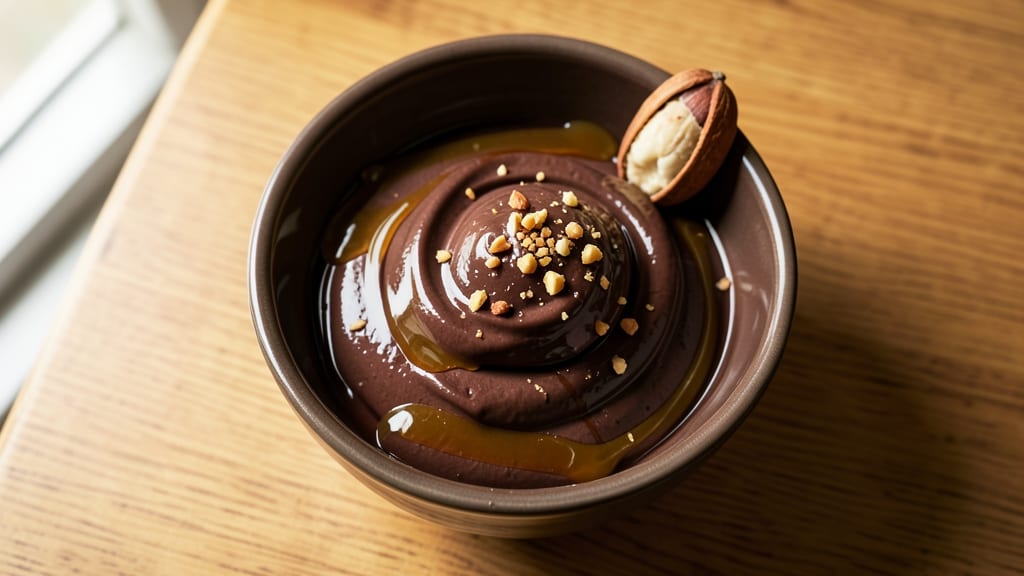
This Callebaut chocolate ice cream recipe delivers velvety texture and Belgian chocolate richness that rivals artisanal gelato. The secret lies in using Callebaut's precise melting points—no graininess or seizing, just ultra-smooth pours every time.
Professional bakers and home cooks alike swear by this method for ice cream that stays creamy at any temperature.
What sets this recipe apart is the custard base technique, which creates a silky foundation before incorporating premium chocolate. We'll use Callebaut's 50% dark chocolate for depth, but you can adjust to milk or white for different profiles.
The key is tempering the chocolate properly to ensure it melts beautifully in the churn without breaking.
By the time you're done, you'll have ice cream with a fudgy yet light texture that melts on the tongue, not the spoon. The chocolate flavor shines through with complex cocoa notes and just enough sweetness to satisfy cravings.
Top with toasted nuts or fresh berries for the perfect balance of textures.
This recipe works beautifully in an ice cream maker or freezer, and the instructions walk through both methods. Whether you're making it for a special occasion or weekly treats, the result is always restaurant-quality. Let's get started on creating your signature dessert.
Ingredients for callebaut chocolate ice cream
Premium Belgian chocolate meets velvety custard for restaurant-quality ice cream at home.
| Ingredient | Amount | Notes |
|---|---|---|
| Heavy Whipping Cream 🥛 | 2 cups | Full-fat for optimal texture |
| Whole Milk 🥛 | 1 cup | Room temperature preferred |
| Large Egg Yolks 🥚 | 4 whole | Pasture-raised for richness |
| Granulated Sugar 🍚 | ¾ cup | Superfine preferred for smoothness |
| Callebaut 50% Dark Chocolate 🍫 | 8 oz | Callet 50% for balanced depth |
| Unsalted Butter 🧈 | ½ cup | European-style preferred |
| Vanilla Bean 🌿 | 1 whole | Madagascar or Tahitian preferred |
| Diamond Crystal Kosher Salt 🧂 | ¼ tsp | Fine grain for delicate seasoning |
| Cornstarch 🌾 | 1 tbsp | For ultra-smooth texture |
| Distilled Water 💧 | 2 tbsp | For tempering chocolate |
| Heavy Cream (for churning) 🥛 | 2 cups | Additional for ice cream base |
The chocolate selection is non-negotiable for this recipe. Callebaut's 50% dark chocolate delivers the perfect balance of cocoa intensity and sweetness without overpowering the custard base. For sourcing, specialty baking supply stores like Bakers & Chefs or online retailers like Sur La Table carry Callebaut products. If unavailable, Valrhona or Guittard offer comparable quality. The vanilla bean should be split lengthwise to expose seeds—Madagascar vanilla provides floral notes while Tahitian offers a more peppery profile. For the custard, European-style butter contains a higher fat content, which enhances the creaminess of the final product. Look for brands like Plugrá or Kerrygold in specialty sections.
Substitutions should prioritize maintaining the delicate balance of this recipe. Need to adjust the chocolate percentage? Callebaut 35% for milk chocolate or 70% for extra intensity work well, but tempering times may vary slightly. Short on vanilla? Pure vanilla extract at half the amount suffices, though the depth won't match. For the custard base, half-and-half can replace milk but may yield slightly less creamy results. The cornstarch acts as a stabilizer—if unavailable, arrowroot powder at the same quantity provides similar thickening power. When tempering chocolate, ensure your work surface and tools are completely dry to prevent seizing, which can ruin even premium chocolate like Callebaut.
Proper storage begins with the custard base. Once cooled to room temperature, cover the custard tightly with plastic wrap pressed directly onto the surface to prevent a skin from forming. Store in the refrigerator for up to 3 days before churning. For the finished ice cream, transfer to an airtight container with parchment paper between layers to prevent freezer burn. It will maintain optimal texture for 1 month in the freezer. For serving, let portions soften at room temperature for 5-10 minutes before scooping to achieve that signature creamy pour. The chocolate will develop deeper flavors when stored properly, making this a dessert worth preparing ahead for special occasions.
Why You'll Love This Recipe
- Here’s what sold me: that 50% dark chocolate isn’t overpowering—it’s balanced. The heavy cream and yolks soften the cocoa’s edge, leaving you with a deep, toasty flavor that still feels indulgent. (Yes, even on a Tuesday night.)
- No Fuss, Big Payoff: I swear by this method—just temper those yolks with warm milk and sugar, then fold in the melted Callebaut 50%. No ice baths, no churning machines, just a whisk and patience. The eggs give it that velvety richness without the fuss of custard-making.
- Rich Without Bitterness: Here’s what sold me: that 50% dark chocolate isn’t overpowering—it’s balanced. The heavy cream and yolks soften the cocoa’s edge, leaving you with a deep, toasty flavor that still feels indulgent. (Yes, even on a Tuesday night.)
- Make-Ahead Magic: I double the batch every time because this ice cream begs to be prepped ahead. Freeze it in a loaf pan, then scoop as needed—no rock-hard chunks, just creamy perfection. Bonus: it’s the star of my holiday dessert table and my lazy Sunday breakfasts.
Step-by-step instructions for Belgian chocolate ice cream
Master this technique and you'll achieve velvety texture with a perfect chocolate pour every time.
Temper the Chocolate for Maximum Smoothness
Place the 8 oz Callebaut 50% Dark Chocolate and the 2 tbsp Distilled Water in a heatproof bowl set over a saucepan of simmering water. Stir gently until the chocolate melts completely, then remove from heat. Let it cool slightly until it reaches 115°F—this is crucial for proper tempering.
While the chocolate cools, whisk together the 4 whole Large Egg Yolks and 0.75 cup Granulated Sugar in a separate bowl until pale and slightly thickened. Slowly pour the tempered chocolate into the egg mixture while whisking continuously. This creates a stable emulsion that prevents graininess in the final ice cream.
Infuse the Base with Vanilla and Salt
Split the 1 whole Vanilla Bean lengthwise and scrape out the seeds. Add the seeds and scraped pod to the chocolate-egg mixture along with the 0.25 tsp Diamond Crystal Kosher Salt. Whisk gently to combine, then stir in the 0.5 cup Unsalted Butter until fully melted and incorporated.
Place the mixture in a double boiler over barely simmering water, stirring constantly until it reaches 160°F. Remove from heat and let it cool to room temperature while stirring occasionally. This slow cooking process develops the chocolate flavor and creates a silky texture without cooking the eggs.
Build the Ice Cream Base with Cream and Milk
In a separate saucepan, gently heat the 2 cups Heavy Whipping Cream and 1 cup Whole Milk together until steaming but not boiling. Remove from heat and whisk the 1 tbsp Cornstarch into the warm cream mixture. Pour this back into the saucepan and cook over medium heat, stirring constantly, until it thickens enough to coat the back of a spoon.
Strain the thickened cream mixture through a fine-mesh sieve into the cooled chocolate base. Stir well to combine completely, then let the mixture cool to 45°F before churning. This temperature is critical—too warm and it won't churn properly; too cold and the texture will be icy.
Churn to Ultra-Smooth Perfection
Pour the cooled mixture into your ice cream maker and churn according to the manufacturer's instructions, typically 20-25 minutes. The ice cream should be thick and creamy, with no visible ice crystals. If it looks too soft, freeze it uncovered for 1 hour to firm up slightly before serving.
For the ultimate pour consistency, transfer the churned ice cream to a lidded container and freeze for 4-6 hours. When ready to serve, let it sit at room temperature for 5-10 minutes before scooping—this ensures that perfect, restaurant-quality pour every time.
Pro Tips For Making Callebaut Chocolate Ice Cream
- Temper the Chocolate: Chop the Callebaut 50% dark chocolate into ½-inch chunks first—this prevents clumping when it hits the warm custard base. I learned this the hard way after scraping burned bits off my pot for the third time. If you’re impatient, melt the chocolate separately in a double boiler, but strain it through a fine-mesh sieve to remove any grit.
- Whisk Yolks Like Mad: Beat the egg yolks and sugar over a double boiler until they’re pale, thick, and triple their volume—about 5-7 minutes. Stopping early means your ice cream will taste raw and gritty, not silky. (Yes, even if you’re impatient like me.)
- Strain the Custard: Pour the finished custard through a fine-mesh strainer before chilling—this catches any cooked egg bits or chocolate specks. I skipped this once and ended up with a mouthful of texture I couldn’t identify. Takes 30 seconds but makes all the difference.
- Chill the Base Fast: Spread the custard in a shallow dish and refrigerate for at least 4 hours, then freeze in an airtight container with a lid slightly ajar for the first hour. This prevents ice crystals and saves you from scraping freezer burn later. (Your future self will thank you.)
Wine and beer pairings for this callebaut chocolate ice cream
Red Wine Pairings
A bold red wine enhances the deep cocoa notes in this ice cream while complementing its velvety texture. I reach for a Belgian Ruby Port like Korteweg—its rich, fruity profile mirrors the chocolate's intensity without overpowering it.
For a lighter option, try a Pinot Noir from Burgundy, such as Louis Jadot, which balances the dessert's richness with bright acidity. Serve slightly chilled (55°F) to let the wine's fruitiness shine alongside the chocolate's caramel undertones. 🍷
White Wine Contrasts
For those who prefer white, a late-harvest Riesling from Germany, like Dr. Loosen Blue Slate, creates a stunning contrast. Its honeyed sweetness and subtle spice harmonize with the chocolate's bitterness, while the wine's acidity cuts through the fat.
Alternatively, a Chardonnay with oak notes—such as Meursault—adds buttery depth that pairs beautifully with the custard base. Chill these wines to 45°F for optimal balance. ✨
Beer Pairings
A Belgian dark ale is my go-to beer pairing, as its malty sweetness and caramel flavors echo the ice cream's chocolate richness. Try a Westmalle Dubbel or Chimay Blue, both of which offer a malty backbone that stands up to the dessert.
For a lighter option, a honey-brown ale like Allagash Honey Farmer adds floral notes that complement the vanilla. Serve beers at 48-50°F to preserve their complexity. 🍺
Non-Alcoholic Options
Don't overlook non-alcoholic pairings! A sparkling blackcurrant juice like Bolton's Black Cherry Cordial, mixed with chilled sparkling water, mimics the effervescence of champagne while enhancing the chocolate's fruitiness.
For a richer option, try a chilled espresso martini made with vanilla syrup and a splash of cream—it mirrors the dessert's depth without alcohol. Both options should be served ice-cold (38-40°F) for the best experience. 💫
Seasonal Adaptations
In summer, I pair this ice cream with a sparkling rosé like Whispering Angel—its crisp acidity refreshes the palate after each bite. For winter, a fortified wine such as Pedro Ximénez Sherry adds a syrupy sweetness that complements the chocolate's intensity.
Adjust wine temperatures seasonally: lighter wines (45°F) in summer, richer ones (60°F) in winter. This ensures the pairing evolves with the weather. ❄️
Nutrition facts
Frequently asked questions
Can I use Callebaut chocolate bars instead of chips?
Yes, but you'll need to chop them finely first! Callebaut chocolate bars melt slightly differently than chips, so break them into small pieces (about 1/4-inch cubes) before tempering. This ensures even melting and prevents any potential burning spots when heated. The texture difference is minimal, but the smaller surface area helps achieve a smoother final product.
What if I don't have an ice cream maker?
No problem! Use the no-churn method by whipping the cooled custard base with 2 cups heavy cream until stiff peaks form, then folding it into the base. Freeze in an airtight container for 6-8 hours, stirring once after 2 hours to break up ice crystals. The texture won't be as silky, but it'll still be delicious and creamy.
Why did my chocolate seize when melting?
This usually happens from moisture or improper tempering. Make sure all your tools are completely dry before starting, and never let water touch the chocolate. If it seizes, gently reheat the bowl over low heat while stirring constantly—this should restore smoothness. For next time, use distilled water for tempering and avoid direct contact with metal utensils.
Can I make this recipe dairy-free?
Replace the heavy cream and milk with full-fat coconut milk (chilled overnight to separate cream), and use dairy-free butter. For the custard, whisk 4 tbsp cornstarch with 1 cup coconut cream and cook until thickened. The texture will be slightly lighter but still rich. Use Callebaut dairy-free chocolate if available for best results.
How do I fix grainy ice cream?
Graininess often comes from improperly tempered chocolate or over-churning. For a quick fix, blend the ice cream briefly in a food processor to break up any ice crystals, then refreeze. To prevent it next time, ensure your chocolate is tempered to 115°F before mixing, and don't over-churn—remove it when it's just thick enough to hold its shape.