
Desserts
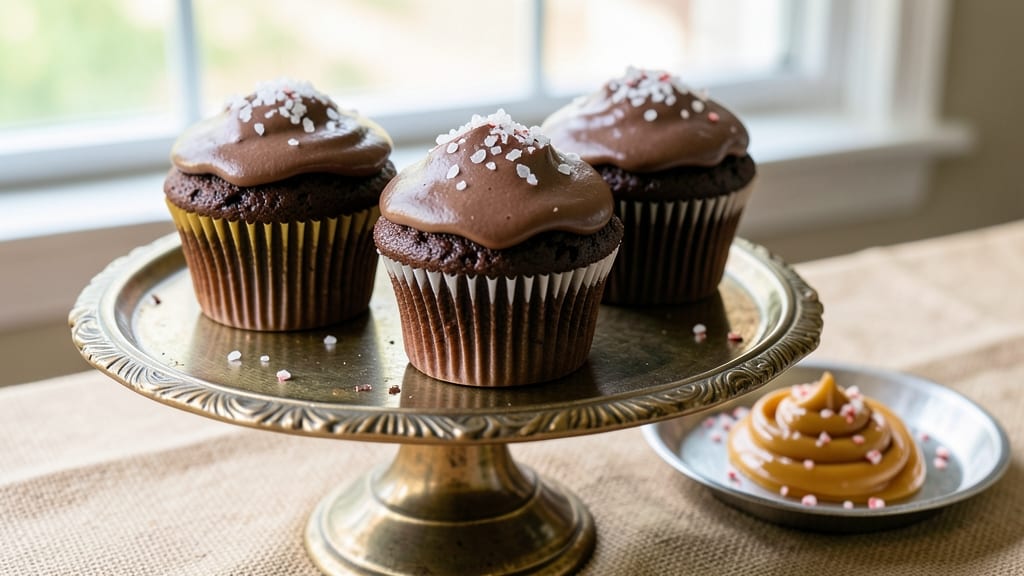
This Candace Nelson chocolate cupcake recipe delivers the perfect balance of rich cocoa and velvety moisture—her signature touch that makes every bite irresistible. The secret lies in a vanilla bean boost that elevates the chocolate flavor without overpowering it, creating a depth you won’t find in standard recipes.
I’ve baked these dozens of times, and they consistently produce that signature tender crumb and fudgy center that bakers crave.
The recipe relies on a few key techniques: precise ingredient ratios, gentle folding to maintain airiness, and baking at the right temperature to ensure even doneness.
Candace’s method avoids common pitfalls like dry cupcakes or dense layers, resulting in a texture that’s both sturdy enough for frosting and tender enough to melt in your mouth. The vanilla bean isn’t just an optional luxury—it’s what transforms good chocolate cupcakes into something extraordinary.
What sets these apart is the moist layers that stay fresh for days, even without a box. The recipe uses buttermilk for richness and a touch of espresso powder to enhance the chocolate flavor without bitterness.
Once baked, the cupcakes hold their shape beautifully, making them ideal for piping, drizzling, or simply enjoying as-is with a dusting of cocoa powder.
Whether you’re baking for a celebration or a quiet afternoon treat, these cupcakes deliver restaurant-quality results at home. The frosting options are endless—from classic buttercream to ganache—but the cupcakes themselves are the star. Let’s get baking!
Ingredients for candace nelson chocolate cupcake
Twelve ingredients, one secret weapon—a vanilla bean—that transforms ordinary chocolate cupcakes into Candace Nelson's signature moist masterpiece.
| Ingredient | Amount | Notes |
|---|---|---|
| All-Purpose Flour 🌾 | 2 cups | Sifted for light texture |
| Unsalted Butter 🧈 | 1 cup | Cold, cubed for creaming |
| Granulated Sugar 🍚 | 1 ½ cups | Superfine preferred for smoothness |
| Dark Brown Sugar 🍚 | ½ cup | Packed for moisture |
| Large Eggs 🥚 | 2 whole | Room temperature for even mixing |
| Buttermilk 🥛 | 1 cup | Full-fat for richness |
| Pure Vanilla Extract 🍯 | 2 tsp | High-quality Madagascar preferred |
| Vanilla Bean Seeds 🌿 | 1 whole | Scraped from 1 pod |
| Unsweetened Cocoa Powder 🍫 | ¾ cup | Dutch-processed for smoothness |
| Instant Espresso Powder ☕ | 1 tsp | Enhances chocolate depth |
| Baking Powder 🍞 | 1 tsp | Aluminum-free for stability |
| Salt 🧂 | ½ tsp | Fine sea salt preferred |
| Cake Flour 🌾 | ¼ cup | Optional for extra tenderness |
The vanilla bean is non-negotiable here. Madagascar beans deliver the most complex flavor profile, but any high-quality vanilla will work. Look for plump, moist pods at specialty stores like Williams Sonoma or Sur La Table—avoid those dried-out pods in bulk bins. The buttermilk adds richness that regular milk can't replicate; culture it yourself by mixing 1 cup milk with 1 tbsp vinegar if you're avoiding store-bought. For the cocoa powder, Valrhona or Guittard brands are worth the investment—they dissolve smoothly without bitterness. Pre-sift your dry ingredients to prevent dense cupcakes; I use a fine-mesh sieve from Le Creuset for perfect results.
No vanilla bean? Double the vanilla extract and add a pinch of cinnamon for depth. Substitute buttermilk with 1 cup milk plus 1 tbsp lemon juice, though the texture won't be identical. For the espresso powder, instant coffee granules work in a pinch—just measure carefully. The cake flour is optional but recommended; if omitted, reduce all-purpose flour by ¼ cup. King Arthur brand flour works beautifully for this recipe. When measuring brown sugar, pack it firmly into the cup—this ensures proper moisture levels. For the butter, don't soften it completely; cold cubes create better air pockets during creaming. The baking powder should be fresh; if it's over a year old, test it by mixing with water—it should bubble vigorously.
Store baked cupcakes in an airtight container at room temperature for up to 3 days—they'll actually improve overnight as the flavors meld. For longer storage, freeze them unfrosted for 3 months or frosted for 2 months. To reheat, microwave for 10-15 seconds or warm in a 200°F oven for 5 minutes. The secret to their legendary moisture? Don't overbake—pull them when a toothpick comes out with a few moist crumbs, not wet batter. These cupcakes hold their shape beautifully, making them perfect for piping with buttercream or ganache.
Why You'll Love This Recipe
- No Mixer Needed: I swear by this recipe because it only calls for basic mixing—no electric mixer required. The butter and sugars get creamed by hand in minutes, and the eggs come together smoother than my usual attempts.
- Rich Without Overpowering: That combo of granulated and dark brown sugar? It’s the secret to a deep, complex chocolate flavor that doesn’t taste like a dessert cliché. The butter keeps it luscious but not greasy—just right.
- Party or Pajamas: These cupcakes work for anything—dress them up with ganache for a birthday, keep them naked for a lazy Sunday, or freeze extras for last-minute cravings. (Yes, I’ve done all three.)
- Pantry Staples Only: Honestly, if you’ve got flour, butter, and sugar, you’re golden. No weird ingredients or last-minute store runs—just reliable, budget-friendly baking that still feels special. My wallet thanks me every time.
Step-by-step instructions for Candace Nelson's chocolate cupcakes
Mastering these cupcakes comes down to technique—proper creaming, precise mixing, and the secret vanilla boost.
Cream Butter and Sugars to Achieve Light Texture
In a stand mixer fitted with the paddle attachment, combine the 1 cup unsalted butter (cold and cubed) with the 1.5 cups granulated sugar and 0.5 cup dark brown sugar. Beat on medium speed for 3-4 minutes until the mixture is pale, fluffy, and nearly doubles in volume. This step is critical—the air incorporated here creates the signature tender crumb.
I press down on the butter mixture with a spatula after 2 minutes to ensure proper emulsification. You'll notice the texture transform from grainy to smooth and slightly ribbed. This is your signal that the butter has been fully creamed and is ready for the next ingredients.
Incorporate Eggs, Vanilla, and Espresso for Depth of Flavor
Add the 2 whole large eggs, one at a time, mixing on low speed for 30 seconds after each addition. Scrape down the sides of the bowl to ensure even distribution. Then add the 2 teaspoons pure vanilla extract and 1 teaspoon instant espresso powder, mixing just until combined.
The espresso powder might seem unusual, but it enhances the chocolate flavor without adding bitterness. Here's the thing—vanilla bean seeds are scraped into the mixture next, using the back of a spoon to release their aromatic oils. This secret ingredient elevates the cupcakes from good to extraordinary, giving them that professional bakery quality.
Combine Dry Ingredients for Perfect Structure
In a separate bowl, whisk together the 2 cups all-purpose flour, 0.25 cup cake flour, 1 teaspoon baking powder, and 0.5 teaspoon salt. Sift the dry ingredients directly into the wet mixture, then gently fold in the 0.75 cup unsweetened cocoa powder using a spatula. Mix on low speed for 20-30 seconds until just combined—stop mixing as soon as you see no more flour streaks.
Overmixing develops gluten, which leads to tough cupcakes. The goal is to create a smooth batter that holds its shape when dropped from a spoon. If the batter looks too thick, add 1-2 tablespoons of the 1 cup buttermilk to loosen it slightly while maintaining the proper consistency.
Fold in Buttermilk for Moisture and Richness
Add the 1 cup buttermilk to the batter in two additions, mixing on low speed just until combined after each addition. The buttermilk should be incorporated completely, but avoid overmixing. The batter should be thick but pourable—like a rich chocolate pudding.
This is where the magic happens for moisture. The buttermilk's acidity reacts with the baking powder and soda, creating tiny air pockets that keep the cupcakes tender. Don't skip this step—it's what makes these cupcakes famously moist instead of dense.
Bake to Perfect Doneness with Precision Timing
Preheat your oven to 350°F and line a muffin tin with cupcake liners. Divide the batter evenly among the liners, filling each ⅔ full. Bake for 18-22 minutes until a toothpick inserted into the center comes out with moist crumbs but no wet batter.
Watch closely after 18 minutes—the cupcakes should have risen slightly above the tin and developed a crackly top. If the tops brown too quickly, tent loosely with foil. The internal temperature should reach 205-210°F for perfect doneness. Let the cupcakes cool in the pan for 5 minutes before transferring to a wire rack to cool completely.
Pro Tips For Making Candace Nelson Chocolate Cupcake
- Cream Butter Slowly: I learned this the hard way—when you mix the butter with the sugars, do it in stages and let the heat of your hands warm the butter first. That way, you avoid a greasy mess and get proper emulsification. Skip this, and your cupcakes might turn out dense or oily.
- Sift That Flour: Even if the recipe doesn’t say it, sift the flour before measuring—especially if you’re using a boxed mix or your flour is old. Packed flour throws off ratios, and unsifted flour can lead to dry, crumbly cupcakes. A quick shake in a fine-mesh sieve makes all the difference.
- Room-Temp Eggs Matter: Cold eggs? No thanks. Whisk them until fully room temperature before adding to the batter—this guarantees even mixing and prevents lumps. I used to crack them straight from the fridge, and my cupcakes always had weird pockets of unincorporated egg. Five minutes on the counter fixes that.
- Fill Cups Right: Don’t overfill the liners—fill them only two-thirds full. Overpacked batter causes spillage, uneven baking, and a sad, flat top. Tap the pan gently on the counter to settle the batter, then bake. Your future self will thank you when they come out perfectly domed.
Pro cooking tips for this recipe
Creaming Like a Pro
The butter-sugar creaming stage is where these cupcakes get their signature airy texture. I always use cold cubed butter—never softened—because cold fat incorporates more air when beaten.
Beat on medium speed for 3-4 minutes until the mixture is pale and fluffy, then press down with a spatula to check for proper emulsification. The mixture should hold its shape when pressed—this means you've trapped enough air for that tender crumb. 💫
Vanilla Bean Hack
Don't just use vanilla extract—scrape the seeds from a Madagascar vanilla bean and mix them directly into the batter. The seeds release their aromatic oils as they bake, creating a depth of flavor that extract can't match.
I like to split the bean lengthwise and use the back of a spoon to scrape out all the tiny black seeds. This is the secret weapon that makes these cupcakes taste like they came from a high-end bakery.
Buttermilk Magic
The buttermilk is what keeps these cupcakes moist for days. Add it in two additions while mixing on low speed—this prevents overmixing while ensuring even distribution. The acidity in buttermilk reacts with the baking powder to create tiny air pockets that keep the cupcakes tender.
Pro tip: If you don't have buttermilk, mix 1 cup milk with 1 tbsp vinegar and let it sit for 5 minutes before using, but the texture won't be identical.
Precision Baking
Bake at 350°F for 18-22 minutes—don't overbake! The cupcakes are done when a toothpick comes out with moist crumbs, not wet batter. I check the internal temperature with an instant-read thermometer—it should reach 205-210°F.
Let them cool in the pan for 5 minutes before transferring to a wire rack. This short rest prevents them from cracking as they cool completely.
Frosting Readiness
These cupcakes hold their shape beautifully, making them perfect for piping with buttercream or ganache. The secret to their sturdy structure is the cake flour and proper mixing technique. Once cooled, they're ready for decorating—whether you go for classic swirls, elegant drizzles, or simple dustings of cocoa powder.
The frosting will stick perfectly without sinking in, thanks to their stable structure.
Troubleshooting Tips
If your cupcakes come out too dense, you likely overmixed the batter. The dry ingredients should be folded in just until combined—no more. For dry cupcakes, check your baking powder (it should be fresh) and make sure you didn't overbake them.
The key is pulling them out when they're slightly underdone—they'll firm up as they cool. And if your cupcakes crack on top, tent them with foil after 15 minutes to prevent over-browning. 🔥
Nutrition facts
Frequently asked questions
Why does this recipe use both vanilla extract AND a vanilla bean?
The vanilla extract ensures consistent flavor in every batch, while the vanilla bean adds that professional depth that makes these cupcakes stand out. The seeds release aromatic oils during baking that extract alone can't replicate. Think of it as insurance against flavor inconsistency—you get the best of both worlds!
Can I make these cupcakes gluten-free?
Replace the 2 cups all-purpose flour and 0.25 cup cake flour with 2.25 cups gluten-free 1:1 baking flour (like Bob's Red Mill). Add 1 teaspoon xanthan gum to help bind the texture. The buttermilk and vanilla bean still work perfectly—they're the real flavor stars here.
How do I store these cupcakes for maximum freshness?
Keep them in an airtight container at room temperature for up to 3 days—they actually improve overnight as flavors meld. For longer storage, freeze unfrosted cupcakes for 3 months or frosted ones for 2 months. Thaw overnight in the fridge to preserve moisture. The secret? Don't overbake—this keeps them tender even after days of storage.
What's the best frosting to pair with these cupcakes?
Candace's signature choice is a vanilla bean buttercream (use the same vanilla technique!) or a dark chocolate ganache. For contrast, try a salted caramel drizzle. The cupcakes' sturdy structure holds up beautifully to piping, so go wild with decorations. Pro tip: Dust with cocoa powder before frosting for extra elegance.
My cupcakes turned out dry—what went wrong?
Most likely you overbaked them or used old baking powder. Check with a toothpick after 18 minutes—it should have moist crumbs, not wet batter. Also verify your baking powder is fresh (test by mixing with water—it should bubble). For extra moisture, brush cooled cupcakes with simple syrup (equal parts sugar and water, heated until dissolved).