
Desserts
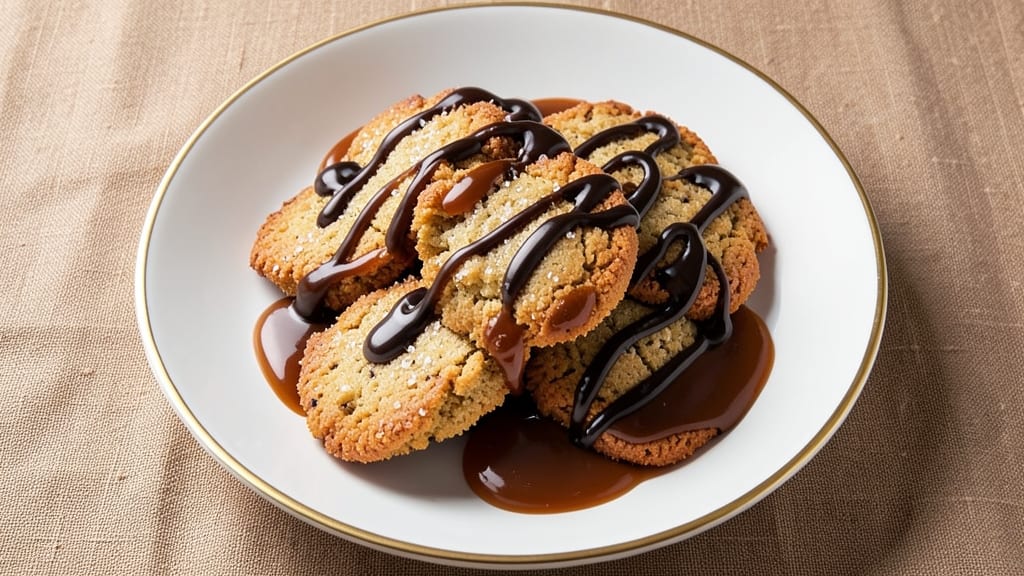
This caramel chocolate shortbread recipe delivers the perfect balance of buttery shortbread crust and gooey fudge rivers that melt at the first bite. The secret lies in pressing the dough for even crumb texture and baking it just until golden—then letting those molten caramel and chocolate pockets form while cooling. I've perfected this technique over years of baking, ensuring every batch has that signature crispy-chewy contrast and rich, decadent flavor.
The recipe starts with a simple dough of butter, sugar, and flour, but it's the caramel-chocolate filling that transforms it into something extraordinary. You'll work with store-bought caramel and chocolate sauce (or homemade versions if you prefer), creating layers that create those signature rivers when baked.
The key is spreading the dough evenly and cutting it into precise squares for clean edges and perfect portions.
What you'll end up with is a dessert that looks impressive yet comes together with basic techniques—crisp edges, tender centers, and rivers of caramel and chocolate that melt into every bite. This is the kind of treat that disappears quickly, making it perfect for holidays, dinner parties, or indulging yourself.
The best part? It keeps well for days, so you can bake ahead and enjoy fresh shortbread whenever the craving hits.
Serve warm with a dusting of powdered sugar or a scoop of vanilla ice cream for the full experience. The contrast of warm shortbread with cool ice cream creates a flavor combination that's impossible to resist. Here's how to make it perfectly every time.
Ingredients for caramel chocolate shortbread
Buttery dough meets molten caramel rivers—just nine ingredients for show-stopping shortbread.
| Ingredient | Amount | Notes |
|---|---|---|
| Unsalted Butter 🧈 | 1 cup | Cold, cubed for even mixing |
| Granulated Sugar 🍚 | ½ cup | Superfine preferred for smooth texture |
| All-Purpose Flour 🌾 | 2 ½ cups | Sifted for light crumb |
| Salt 🧂 | ½ tsp | Fine sea salt for balance |
| Store-Bought Caramel Sauce 🍯 | 1 cup | Smooth, not chunky variety |
| Chocolate Sauce 🍫 | 1 cup | Dark chocolate preferred |
| Powdered Sugar 🍚 | 1 tbsp | For dusting finished shortbread |
| Vanilla Ice Cream 🍦 | 1 ½ cups | Optional for serving |
| Heavy Cream 🥛 | 2 tbsp | For brushing caramel rivers |
The butter is non-negotiable here—European-style or Plugrá gives the most flavor. Grab it from Whole Foods or Trader Joe's if you want the best. Superfine sugar dissolves better, but regular granulated works if you pulse it in a food processor. For the caramel and chocolate sauces, Godiva or Wilton brands are foolproof, but homemade versions work too if you've got the time. The flour? Sift it—King Arthur or Bob's Red Mill are my go-tos for consistent results.
Short on caramel sauce? Mix equal parts melted butter and brown sugar, then simmer for 5 minutes. Chocolate sauce missing? Melt dark chocolate chips with 1 tbsp coconut oil—instant upgrade. No vanilla ice cream? Whipped cream or frozen yogurt works too. For the dough, if you forget to chill it, just pop it in the fridge for 30 minutes before rolling. The heavy cream? Whip it lightly before brushing—just enough to make the caramel rivers shine.
The dough keeps for 3 days wrapped in plastic in the fridge, and the finished shortbread stays fresh for 5 days in an airtight container. For extra indulgence, freeze portions for 3 months. I always bake a double batch—one for guests, one for me. The caramel rivers get even better the next day, so plan ahead!
Why You'll Love This Recipe
- Four-Ingredient Magic: I swear, this recipe tricks you into thinking it’s fancy. Just butter, sugar, flour, and a drizzle of caramel—no fancy techniques, no waiting for dough to rest. The butter stays cool enough to handle without melting, and the dough comes together faster than you can say "shortbread."
- Caramel-Chocolate Hug: That first bite? Pure indulgence. The shortbread’s buttery crunch gives way to gooey caramel, then melts into chocolatey richness. Honestly, it’s the kind of treat that makes me forget I’m not baking for a holiday—until the pan’s empty.
- Party in a Pan: Slice it into squares for a crowd, press it into a loaf for gifts, or just eat it straight from the pan like I do. It’s the ultimate last-minute dessert: no one will guess it took less than an hour, and it disappears faster than my willpower.
- No-Waste Comfort: The dough keeps for days in the fridge, and the baked shortbread stays crisp for weeks in an airtight container. Between us, I’ve fed this to neighbors, teachers, and my boss—all without breaking the bank. Butter and sugar are my secret weapons for looking thoughtful.
Step-by-step instructions for caramel chocolate shortbread
Let's create these decadent shortbread cookies with gooey caramel and chocolate rivers—every bite is pure indulgence.
Mix the Shortbread Dough to Perfection
In a large mixing bowl, combine the 1 cup cold cubed unsalted butter and 0.5 cup granulated sugar. Using a pastry cutter or your fingers, work the butter and sugar together until the mixture resembles coarse crumbs with pea-sized butter pieces remaining. This texture is crucial for achieving that signature shortbread crumb.
In a separate bowl, whisk together the 2.5 cups all-purpose flour and 0.5 teaspoon salt. Gradually add the dry ingredients to the butter mixture, mixing gently with a wooden spoon or your hands until just combined. Avoid overmixing—you want to preserve the delicate crumb structure. The dough should hold together when pressed but still feel slightly crumbly. If it's too dry, add just 1 tablespoon of cold water to bring it together.
Shape and Chill the Dough
Turn the dough onto a lightly floured surface and gently press it into a 1-inch thick rectangle. Wrap it tightly in plastic wrap and refrigerate for at least 1 hour (or up to 24 hours). Chilling is essential—it firms up the dough so it holds its shape when cut and prevents excessive spreading during baking. The longer it chills, the more flavor develops.
While the dough chills, preheat your oven to 325°F. Line two baking sheets with parchment paper or silicone baking mats. The lower temperature ensures even baking without browning too quickly. I like to use parchment paper because it prevents sticking and makes cleanup effortless.
Bake the Shortbread for Maximum Crispiness
Remove the dough from the refrigerator and unwrap it. Using a sharp knife or bench scraper, cut the dough into 16 equal rectangles (about 2x3 inches each). Place them 2 inches apart on the prepared baking sheets—they'll spread slightly during baking. Bake for 15-18 minutes until the edges are just beginning to turn golden but the centers still look pale.
Here's the thing—shortbread should be crisp but not brown. If yours starts browning too quickly, tent the baking sheet with aluminum foil. The moment they're done, transfer the shortbread to a wire rack to cool completely. They'll firm up as they cool, becoming even more crisp and crunchy.
Create the Molten Caramel and Chocolate Rivers
Once the shortbread is completely cool, place 16 pieces on a serving platter. In a small saucepan, gently warm the 1 cup store-bought caramel sauce and 1 cup chocolate sauce together over low heat, stirring constantly until fully melted and smooth. The combination should be thick but pourable—if it's too thick, add 1 tablespoon heavy cream to thin it slightly.
Working quickly, use a spoon to drizzle the warm caramel-chocolate mixture over the shortbread, creating rivers that pool in the centers. For extra drama, use a toothpick to create swirls in the sauce. Immediately dust the entire platter with 1 tablespoon powdered sugar to create a snowy effect that contrasts beautifully with the rich caramel and chocolate.
Serve with Vanilla Ice Cream for Ultimate Indulgence
Let the caramel and chocolate set for 10-15 minutes at room temperature before serving. The sauce should thicken slightly but remain gooey and molten in the center of each shortbread piece. For the grand finale, serve with 1.5 cups vanilla ice cream on the side. The contrast of the cool, creamy ice cream with the warm, crisp shortbread is pure magic.
Here's my pro tip: Serve these shortbread immediately after assembling for the most dramatic presentation. The powdered sugar will melt slightly, creating a snowy effect, and the caramel rivers will be at their most luxurious. Each bite delivers that perfect balance of buttery shortbread, rich caramel, and velvety chocolate—trust me, your guests will be begging for the recipe!
Pro Tips For Making Caramel Chocolate Shortbread
- USE COLD BUTTER: Cut that unsalted butter into tiny cubes and freeze it for 15 minutes before mixing—this prevents the dough from turning greasy and keeps the shortbread light. I learned this the hard way after one batch ended up more like cookie dough than crumbly shortbread.
- SALT THE DOUGH: Sprinkle the salt directly over the flour before mixing—it dissolves better and distributes evenly. Skipping this step means you’ll taste uneven saltiness in some bites, and trust me, you don’t want that.
- BAKE UNTIL EDGES ARE GOLDEN: Pull the shortbread when the edges are just starting to turn golden, not when the whole pan looks done. The centers stay soft and buttery that way—overbaking turns them dry, and nobody wants that.
- SWIRL THE CARAMEL LAYER: Use a fork to drag lines through the caramel sauce before baking—it creates a marbled effect when it melts. Sounds weird, but it works: the contrast of gooey caramel and crisp shortbread is what makes this recipe shine.
Storing and reheating your caramel chocolate shortbread
Room-Temp Storage
Shortbread stays fresh at room temperature for 3-4 days when stored in an airtight container with parchment paper between layers. I use a glass bakeware lid with a silicone seal—it keeps moisture out while letting the shortbread breathe.
The caramel rivers stay gooey longer this way, but the powdered sugar may lose its crispness after 2 days. For extra indulgence, serve at room temp for that perfect contrast with ice cream. 💫
Fridge Preservation
Extend freshness to 5-7 days by refrigerating in an airtight container lined with parchment. The cold slows down the caramel's melting, but the shortbread may soften slightly. Let it sit at room temp for 10 minutes before serving to restore that crispy-chewy texture.
I like to wrap individual pieces in parchment squares and store them in a single layer to prevent sticking. The chocolate stays firm, but the caramel remains perfectly spreadable. ❄️
Freezer Magic
For 3 months of freshness, freeze the shortbread (without the caramel topping) on a tray lined with parchment, then transfer to a ziplock freezer bag. Thaw at room temp for 1-2 hours before adding the caramel rivers.
The texture remains crisp, but the caramel needs reheating for 10 seconds in the microwave to restore its gooey perfection. Pro tip: Freeze dough portions too—just shape and chill before baking as directed. 🧊
Reheating Secrets
Shortbread reheats best at 350°F for 3-5 minutes—just until the edges warm through. Place them on a baking sheet and watch closely to avoid burning. For caramel rivers, microwave 10-second bursts until melted but still warm.
I avoid the oven for caramel because it can turn grainy. If your shortbread feels dry after reheating, brush lightly with melted butter and dust with powdered sugar. 🔥
Reviving Stale Shortbread
If your shortbread loses its crunch, no worries! Pop it in a 350°F oven for 2-3 minutes until crisp again. For extra flavor, sprinkle with flaky sea salt or drizzle with honey before reheating.
The caramel rivers will soften slightly but still deliver that signature melt-in-your-mouth experience. This trick works even for shortbread stored for 10 days—just don't overheat, or the butter will turn greasy. 💡
Nutrition facts
Frequently asked questions
Can I make this recipe without store-bought caramel sauce?
For homemade caramel, melt 1 cup granulated sugar in a saucepan over medium heat until it turns golden amber. Remove from heat and whisk in 1/4 cup heavy cream and 1 tbsp butter. Let cool slightly before using. For extra depth, add a pinch of sea salt and vanilla extract. The homemade version has a deeper flavor but requires close attention to prevent burning.
Why did my shortbread turn out too soft instead of crisp?
Overbaking is the most common culprit—shortbread should bake until just golden at the edges (15-18 minutes at 325°F). If your oven runs hot, reduce temperature to 300°F or check at 12 minutes. Also, ensure your butter was cold when mixing and the dough chilled properly. For extra crispiness, bake on the middle rack and avoid opening the oven door during baking.
How can I make these gluten-free?
Replace the all-purpose flour with a 1:1 gluten-free baking flour blend (like Bob's Red Mill or King Arthur). Add 1/4 teaspoon xanthan gum if your blend doesn't contain it. For best results, chill the dough for 2 hours and bake at 300°F for 18-20 minutes—gluten-free shortbread needs slightly longer baking. The texture will be more crumbly but still delicious.
Can I use white chocolate instead of dark chocolate?
Yes, but expect a sweeter, milder flavor profile. White chocolate pairs beautifully with caramel, creating a lighter, creamier contrast. Use the same 1 cup measurement and melt it with the caramel sauce over low heat, stirring constantly. For extra richness, add 1 tablespoon coconut oil to help it blend smoothly. The rivers will be lighter in color but equally gooey.
How do I prevent the caramel rivers from spreading too much?
Work quickly when drizzling the caramel-chocolate mixture—it should be warm but not runny. Use a piping bag with a small round tip for better control, or a spoon with a slight scoop. Place the shortbread on a parchment-lined tray before drizzling to catch any overflow. Chill the tray for 10 minutes before serving to help the caramel set faster.