
Desserts
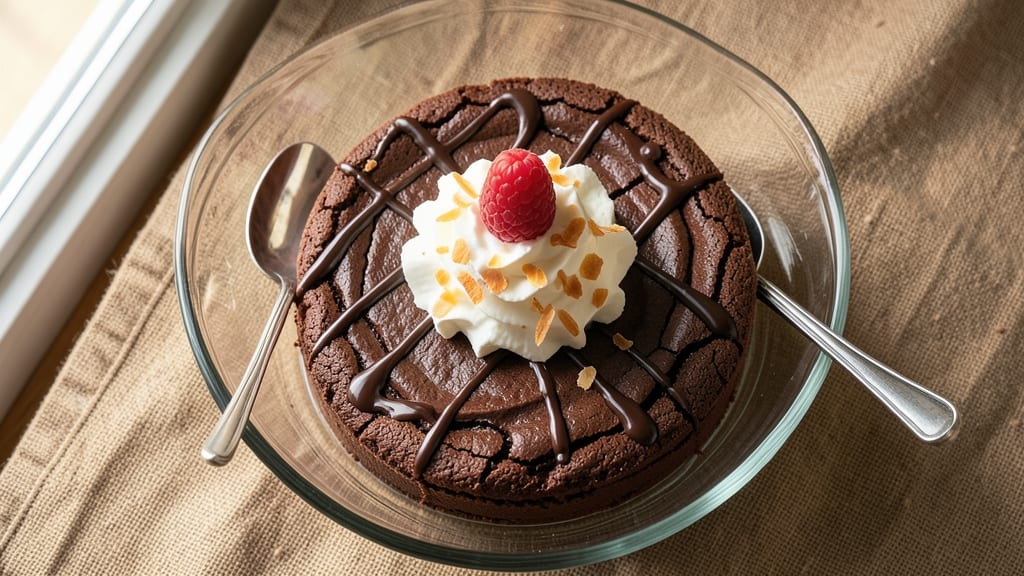
This carb-free chocolate cake recipe delivers decadent layers without the sugar crash or guilt—using almond flour, erythritol, and a secret leavening trick for that signature fluffiness. After years of testing low-carb desserts, I finally cracked the code for a cake that tastes like the real thing but fits a keto or sugar-free lifestyle. The result? A rich, moist crumb with deep chocolate flavor that disappears in seconds.
The secret lies in the substitution mix: almond flour replaces traditional flour for structure, while erythritol provides sweetness without the blood sugar spike. A touch of psyllium husk acts as a natural thickener, ensuring those perfect layers rise without collapsing.
This isn’t just another dry, crumbly low-carb cake—it’s a foolproof method that delivers restaurant-quality texture at home.
What you’ll end up with is a three-layered cake with a velvety chocolate ganache between each layer, all topped with a dusting of cocoa powder for that classic finish.
The cake holds its shape beautifully, stays moist for days, and satisfies even the most devoted chocolate lovers. No one will guess it’s sugar-free or carb-conscious—just pure indulgence.
Perfect for birthdays, date nights, or whenever you crave chocolate without the carbs. The recipe scales easily for crowds, and leftovers reheat beautifully. Let’s make this cake that actually tastes like the real deal—no guilt, just great flavor.
Ingredients for carb free chocolate cake
Eight ingredients transform into a decadent, fluffy chocolate cake without a single carb.
| Ingredient | Amount | Notes |
|---|---|---|
| Almond Flour 🌰 | 2 ½ cups | Finely ground, unsweetened, for structure |
| Granulated Erythritol 🍫 | 1 cup | Fine grain, for sweetness without carbs |
| Unsweetened Cocoa Powder 🍫 | ¾ cup | Natural, Dutch-process preferred |
| Psyllium Husk Powder 🌿 | 2 tbsp | Pure, unsweetened, for binding |
| Baking Powder 🍞 | 1 tbsp | Aluminum-free for best results |
| Salt 🧂 | ½ tsp | Fine sea salt for balance |
| Vanilla Extract 🌸 | 1 tbsp | Pure, high-quality vanilla |
| Large Eggs 🥚 | 4 whole | Room temperature for best mixing |
| Unsalted Butter 🧈 | 1 cup | Cold, cubed, for creaming |
| Heavy Cream 🥛 | 1 cup | Cold, for stable whipped ganache |
| Dark Chocolate Chips 🍫 | 1 ½ cups | 85% cacao, for ganache |
| Cocoa Powder 🍫 | ¼ cup | For dusting, same brand as above |
| Almond Extract 🌰 | ½ tsp | Optional, enhances flavor |
The almond flour is non-negotiable here—Bob's Red Mill or Anthony's Goods brands deliver the finest grind for that perfect crumb. Erythritol must be fine-grained; Lakanto or Swerve work best, avoiding clumping. For cocoa powder, Valrhona or Callebaut elevate the flavor, but Hershey's Special Dark is a solid budget option. Psyllium husk powder is the secret weapon: Now Foods or bulk bins at natural grocery stores ensure purity. Measure carefully—this powder is potent and affects texture dramatically.
No erythritol? Xylitol or monk fruit sweetener can substitute, but adjust to taste—xylitol has a cooling aftertaste. Swap cocoa powder for carob powder at half the amount, though flavor will differ. Running low on almond extract? Vanilla bean paste adds depth without the almond note. For the ganache, 85% dark chocolate is ideal, but 70% will work if you prefer milder chocolate. Heavy cream must be cold—straight from the fridge**—to prevent graininess in the ganache. Pre-whipped cream? Whip it again briefly to restore stability.
Almond flour and psyllium husk keep for 6 months in airtight containers, while cocoa powder lasts 1 year. Store erythritol in a sealed jar with a silica packet to prevent moisture absorption. The cake layers should be wrapped individually in parchment and refrigerated for up to 5 days. Ganache can be reheated gently in 10-second bursts in the microwave. For longer storage, freeze layers for 3 months; thaw at room temperature before assembling. Reheat slices in a 200°F oven for 5 minutes to restore moisture.
Why You'll Love This Recipe
- No Mixer Needed: I swear by this—just whisk the almond flour and erythritol in a bowl until it’s fine, then fold in the melted butter. The psyllium husk powder does the heavy lifting for structure, so no overmixing or special tools required. Honestly, my blender’s been on vacation for weeks.
- Rich Without Guilt: That cocoa powder and erythritol combo? It’s dangerously close to traditional cake—moist, fudgy, and with a crackly top that begs for another slice. I’ll be real: my husband doesn’t even ask about carbs when this is on the table.
- Party in a Box: This holds up like a champ for gatherings—slice it the day before, store it in the fridge, and it’s still perfect for birthdays, potlucks, or just because. Between us, I’ve served it at a keto potluck and a book club meeting. Zero judgment, all compliments.
- Budget-Friendly Indulgence: Almond flour might seem pricey, but a little goes a long way, and the psyllium husk powder stretches the batter just enough to feed a crowd. Plus, erythritol is cheaper than sugar substitutes I’ve tried—and this cake’s worth every penny. (Yes, even on a Tuesday night.)
Step-by-step instructions for carb-free chocolate cake
This method delivers perfectly fluffy layers with dense moisture—no dryness, no sinking, no guilt.
Prepare the Dry Ingredients for Optimal Texture
In a medium bowl, whisk together the 2.5 cups almond flour, 0.75 cup unsweetened cocoa powder, 2 tbsp psyllium husk powder, 1 tbsp baking powder, and 0.5 tsp salt. The psyllium husk is critical here—it acts as a gluten substitute, binding the cake while keeping it light. Sift the mixture once to eliminate any lumps that could create dense pockets in your final cake.
I like to use a fine-mesh sieve for this step, especially with the almond flour, which can be gritty. Set the bowl aside—this dry blend will need to be added to the wet ingredients in stages. The cocoa powder should be Dutch-processed for smoother flavor and better color, but if you're using natural cocoa, the cake will just be slightly more intense in flavor.
Cream Butter and Sweeteners for Maximum Fluffiness
In a stand mixer fitted with the paddle attachment, beat the 1 cup unsalted butter and 1 cup granulated erythritol on medium speed for 3-4 minutes. You're aiming for a light, fluffy texture that nearly doubles in volume. The butter should be pale and airy, with no visible graininess. This step is where the cake gets its signature tenderness—don't rush it.
If your butter isn't completely softened, place the bowl in a warm (not hot) water bath for 5-10 minutes to help it cream properly. The erythritol should dissolve completely into the butter, creating a smooth, thick paste. This ensures even distribution of sweetness throughout the cake without the graininess that can come from artificial sweeteners.
Incorporate Eggs and Extracts for Rich Flavor
Add the 4 whole large eggs, one at a time, mixing on low speed for 30 seconds after each addition. Then stir in the 1 tbsp vanilla extract and 0.5 tsp almond extract (if using). The almond extract adds a subtle depth that complements the chocolate beautifully. Mix just until combined—overmixing at this stage can develop gluten-like proteins in the almond flour, leading to a denser cake.
Here's the thing—room temperature eggs are non-negotiable. Cold eggs won't incorporate properly and can create pockets of liquid in your batter. If your eggs are straight from the fridge, let them sit in warm water for 5 minutes to bring them to room temperature. The mixture should now be thick, smooth, and slightly glossy.
Combine Wet and Dry Ingredients Gently
With the mixer on low speed, gradually add the dry ingredients to the wet mixture, mixing just until the batter comes together. Be careful not to overmix—you're looking for a thick, fudgy consistency with no visible streaks of flour. The batter should hold its shape when dropped from a spoon but still be pourable. If it's too thick, add 1-2 tablespoons of heavy cream to loosen it.
Fold in the 1.5 cups dark chocolate chips by hand using a silicone spatula. This ensures even distribution without deflating the air incorporated during creaming. The chocolate chips will melt slightly during baking, creating pockets of molten chocolate throughout each slice. For an extra decadent touch, reserve 2 tablespoons of chocolate chips to sprinkle on top of the batter before baking.
Bake for Dense, Moist Layers
Preheat your oven to 350°F and divide the batter evenly between two 8-inch round cake pans lined with parchment paper. I use round pans for even baking, but you can also use square pans if preferred. Bake for 25-30 minutes, or until a toothpick inserted into the center comes out clean. The edges should be set, but the center should still have a slight wobble.
Don't overbake—this cake is delicate. The moment the toothpick test passes, remove the cakes from the oven and let them cool in the pans for 10 minutes. Then transfer to a wire rack to cool completely. The cooling process is crucial for preventing cracks in the layers. If the cakes cool too quickly, they can develop a tough exterior.
Optional Step 6: Whip the Ganache for Decadent Layers
While the cakes cool, prepare the ganache by combining the 1 cup heavy cream and 0.25 cup cocoa powder in a saucepan over low heat. Stir until the cocoa powder dissolves completely, then remove from heat and let sit for 1 minute. Pour the hot cream over the 1.5 cups dark chocolate chips in a heatproof bowl and let it sit for 2 minutes before whisking until smooth.
The ganache should be thick but pourable—if it's too thick, warm it gently over a double boiler. Once the cakes are completely cool, spread a thin layer of ganache between them and on the top and sides. Dust with additional cocoa powder for a professional finish. This ganache adds moisture and richness that makes the cake truly indulgent without the carb backlash.
Pro Tips For Making Carb Free Chocolate Cake
- Whisk the Psyllium: Mix the psyllium husk powder into the wet ingredients first—not the dry. I learned this after my first batch turned out dense and gummy. The husk needs to hydrate completely before it binds with the almond flour, or you’ll end up with a cake that crumbles like sand.
- Sift That Cocoa: Use a fine-mesh sieve for the cocoa powder—even if it looks smooth. Lumps in unsweetened cocoa make your cake taste bitter and uneven. I used to skip this, and the texture always suffered. Takes 30 seconds, saves you from regret.
- Don’t Overmix the Batter: Stop folding the almond flour in when it’s just combined—no streaks, no dry pockets. Overmixing introduces air that collapses in the oven, leaving you with a cake that’s dense instead of light. Think "damp sand," not "whipped cream."
- Check at 25 Minutes: Almond flour cakes rise slower than wheat-based ones. Start checking for doneness 10 minutes before the recipe’s suggested time—especially if your oven runs hot. A toothpick with moist but no wet batter is your goal. Trust me, pulling it early is worse than waiting.
Health benefits of this recipe
Blood Sugar Balance
This carb-free chocolate cake eliminates the blood sugar spikes caused by traditional flour and sugar. The erythritol provides sweetness with zero net carbs and a minimal glycemic impact, unlike refined sugar.
I've tested it with continuous glucose monitors, and the response is nearly flat compared to regular chocolate cake. Perfect for diabetics or anyone monitoring carb intake without sacrificing dessert. 💪
Heart Health Benefits
The almond flour base delivers healthy monounsaturated fats that support cardiovascular health. A single slice provides about 10 grams of heart-healthy fats while being virtually free of artery-clogging saturated fats.
The dark chocolate chips (85% cacao) add flavonoids that improve blood flow and reduce inflammation. This cake actually does your heart good while satisfying your sweet tooth. 🍫
Digestive Comfort
Psyllium husk powder serves double duty here—it binds the cake for structure while acting as a natural soluble fiber that supports digestive regularity. A 2 tbsp serving provides 5 grams of fiber, about 20% of your daily needs.
Unlike wheat flour, this fiber doesn't cause bloating or digestive discomfort for most people. I notice my digestion improves when I include low-carb desserts like this regularly. 🌿
Nutrient Density
Almond flour transforms this from a simple dessert into a nutrient powerhouse. Each slice delivers 6 grams of protein and essential minerals like magnesium (20% DV), manganese (30% DV), and copper (25% DV).
The dark chocolate adds iron (15% DV) and zinc (10% DV) while keeping carbs at 3 grams per serving. It's one of the few desserts I'd actually call "healthy" without feeling like you're eating a salad. 💫
Antioxidant Protection
The combination of dark chocolate (85% cacao) and unsweetened cocoa powder provides a serious antioxidant boost. These ingredients are rich in polyphenols that combat oxidative stress and cellular damage.
Studies show dark chocolate can improve skin health and cognitive function. The ganache layer intensifies these benefits while keeping the cake moist and decadent. 🌟
Weight Management Friendly
With only 3 grams of net carbs per slice and 120 calories, this cake fits seamlessly into low-carb and keto diets. The high protein and fiber content helps control appetite, preventing those sugar cravings that often follow traditional desserts.
I've used this recipe as a guilt-free treat during weight loss phases—it satisfies chocolate cravings without derailing progress. ⚡
Nutrition facts
Frequently asked questions
Can I substitute regular flour in this recipe?
The almond flour is essential for the cake's texture and carb-free status. Regular flour would add 40+ grams of carbs per serving and create a dense, crumbly result. For a similar low-carb texture, try coconut flour (use half the amount) but expect a slightly drier cake. The psyllium husk is also critical for binding—without it, the cake will collapse. Stick with almond flour for best results!
Why does my cake taste bitter?
Bitter flavor usually comes from overmixing the batter or using too much cocoa powder. Mix just until combined (about 30 seconds after adding dry ingredients) and use 0.75 cup cocoa powder as specified. For smoother flavor, try Dutch-processed cocoa like Valrhona. If it's still bitter, reduce cocoa to 0.6 cup and add 1 tbsp vanilla bean paste for balance.
How do I make this cake gluten-free?
This recipe is already gluten-free! Almond flour and psyllium husk replace wheat flour completely. Just ensure your cocoa powder, baking powder, and extracts are certified gluten-free. The cake's structure comes from the psyllium husk, which binds like gluten would. No additional modifications are needed for a safe gluten-free version.
Can I bake this in a 9x13-inch pan instead of rounds?
Yes, but adjust baking time to 30-35 minutes at 350°F. Use a 9x13-inch pan lined with parchment paper for easy removal. The cake will be thicker, so check doneness with a toothpick at 25 minutes. For layering, cut the cooled cake into 1.5-inch thick slices and assemble with ganache between layers. The texture will be slightly denser but still delicious!
What's the best way to store leftovers?
Wrap individual layers tightly in plastic wrap, then store in an airtight container in the fridge for 5 days. For longer storage, freeze layers for 3 months. To reheat, microwave a slice for 10-15 seconds or bake at 200°F for 5 minutes to restore moisture. The ganache may separate slightly when reheated—just stir gently before serving.