
Desserts
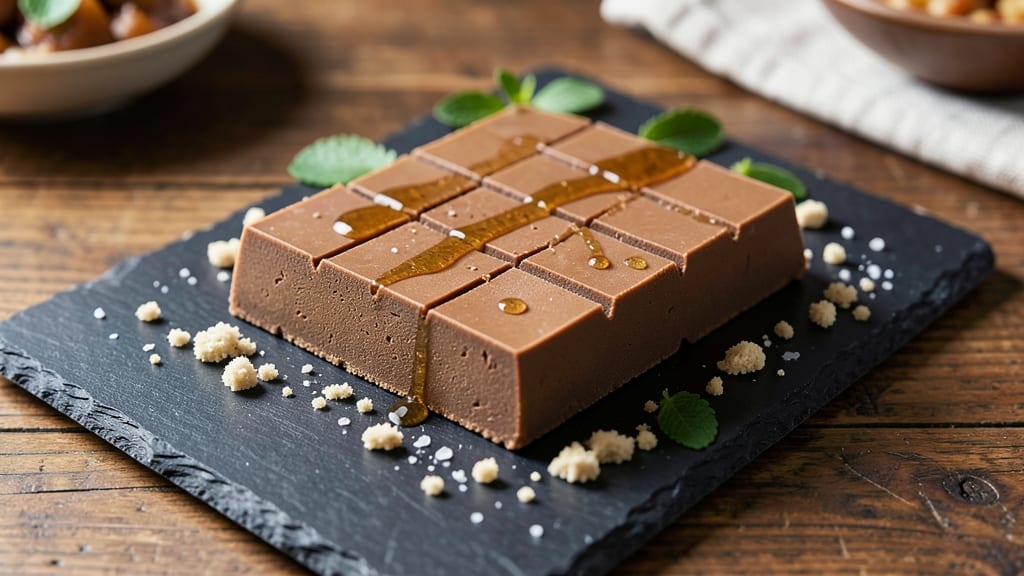
This carob chocolate bar recipe delivers all the rich, nutty sweetness of chocolate without the caffeine or cocoa. 🌟 The secret lies in carob powder's natural caramel-like flavor, which creates a smooth, slightly tangy bar that pairs beautifully with nuts or dried fruit.
I developed this recipe after discovering how versatile carob could be in baking—it's naturally sweet, vegan-friendly, and packed with minerals.
The process is straightforward: melt coconut oil with carob powder and maple syrup, then mix in your choice of add-ins before pressing into a lined pan. Baking time is minimal—just 10 minutes at 350°F—so you'll have these bars ready in under 30 minutes.
The result is a firm yet tender bar that snaps cleanly when broken, with a satisfying crunch from optional ingredients like almonds or coconut flakes.
What makes these bars special is their adaptability—they're perfect for satisfying chocolate cravings without the sugar crash, ideal for vegan diets, and naturally gluten-free. The caramel undertones make them taste like a cross between chocolate and toffee, while the texture remains smooth and melt-in-your-mouth.
This recipe transforms simple pantry staples into a decadent treat that's surprisingly easy to make.
For extra indulgence, try adding cinnamon or sea salt for depth, or swirling in melted peanut butter before setting. These bars keep well in the fridge for up to two weeks, making them perfect for meal prep or gifting. Let's get started on creating your own batch!
Ingredients for carob chocolate bar
Nine simple ingredients transform into rich, caramel-like bars—no cocoa, no caffeine, just pure nutty sweetness.
| Ingredient | Amount | Notes |
|---|---|---|
| Carob Powder 🌿 | 1 ½ cups | Unsweetened, fine texture |
| Coconut Oil 🥥 | ¾ cup | Unrefined, solid at room temp |
| Pure Maple Syrup 🍁 | ½ cup | Grade B for deeper flavor |
| Almond Flour 🌰 | 1 cup | Fine, blanched preferred |
| Vanilla Extract 🌸 | 1 tsp | Pure, alcohol-free if needed |
| Sea Salt 🧂 | ¼ tsp | Fine grain for even distribution |
| Cinnamon 🌶️ | ½ tsp | Ground, for warmth |
| Sliced Almonds 🌰 | 1 cup | Toasted for extra crunch |
| Unsweetened Coconut Flakes 🥥 | ½ cup | Toasted lightly before adding |
| Dark Cocoa Powder 🍫 | ¼ cup | Optional, for chocolate depth |
| Coconut Oil (for lining) 🥥 | 1 tbsp | Extra for pan preparation |
Carob powder is the star here—NOW Foods or Bob's Red Mill are my go-tos, but any quality brand works. The Grade B maple syrup adds that deep, caramel-like richness (regular Grade A is too light). For the coconut oil, unrefined virgin gives the best flavor, but refined works if you're watching for color. Toast your almonds and coconut flakes—just 2-3 minutes in a dry pan—it makes all the difference. The almond flour keeps things firm without being grainy, and trust me, you don't want to skip the vanilla extract for that authentic chocolate vibe.
No carob powder? Substitute with 1 cup cocoa powder plus 1 tbsp extra maple syrup—it won't be identical, but close. Running low on almond flour? Oat flour works in a pinch, though texture might be slightly denser. The dark cocoa powder is optional but adds a nice chocolatey depth if you're craving something closer to traditional chocolate bars. For extra indulgence, swap half the almonds for chopped dates or dried cranberries. And if you're worried about the coconut oil being too strong, avocado oil works too—just use the same amount.
These bars set up beautifully—no need to chill the mixture first. Line your pan with parchment, brush with extra coconut oil, then press the mixture firmly. They'll firm up as they cool, but if they're still too soft after an hour, pop them in the fridge for 15 minutes. Store in an airtight container in the fridge for up to 2 weeks, or freeze for 3 months. I like to break them into squares for easy portioning—perfect for lunchboxes or quick snacks. The flavor actually improves after a day or two as everything mellows.
Why You'll Love This Recipe
- No-Mess Mixing: I swear by this recipe because it’s three ingredients, one bowl—just melt the coconut oil, stir in the carob and maple syrup, then fold in the almond flour. No blender, no stress, just smooth, creamy magic in minutes. (Yes, even if you’re the kind who burns toast.)
- Rich Without Guilt: The carob’s deep, molasses-like warmth pairs perfectly with that buttery coconut oil—it’s like dark chocolate’s sophisticated cousin, but with none of the caffeine jitters. A single bite and I forget I’m not eating something loaded with sugar.
- Snack Attack Ready: These bars keep perfectly in the fridge for a week, making them my go-to for lunchboxes, gym bags, or when I’m too tired to bake. Wrap them in parchment, slice as needed—no crumbly mess, just clean cuts every time.
- Budget-Friendly Luxury: Almond flour and carob powder stretch my grocery budget further than chocolate chips ever could. I make a double batch, freeze half, and still have a treat that tastes like I spent hours in the kitchen. (Spoiler: I didn’t.)
Step-by-step instructions for carob chocolate bars
Here's how to create rich, nutty carob bars that satisfy chocolate cravings without cocoa.
👨🍳 Step 1: Melt the Base Ingredients
In a medium heatproof bowl, combine the 1.5 cups carob powder, 0.75 cup coconut oil, and 0.5 cup pure maple syrup. Place this bowl over a pot of simmering water, making sure the bottom doesn't touch the water. Stir constantly with a silicone spatula until the mixture reaches 160°F and becomes completely smooth—about 5-7 minutes. You'll know it's ready when it looks like thick, glossy fudge and has no grainy texture.
Real talk: Don't rush this step. If you see any unmelted carob powder, keep stirring gently—it'll come together. The coconut oil should be fully incorporated, creating a velvety base for your bars. Remove from heat immediately after reaching temperature to prevent overheating.
👨🍳 Step 2: Add Dry Ingredients and Vanilla
Let the melted mixture cool slightly for 2-3 minutes until it reaches about 140°F—warm enough to blend but cool enough to prevent immediate hardening. In a separate bowl, whisk together the 1 cup almond flour, 0.25 tsp sea salt, and 0.5 tsp cinnamon. Gradually add this dry mixture to the carob base while stirring continuously with a wooden spoon.
Once fully combined, stir in the 1 tsp vanilla extract and 0.25 cup dark cocoa powder (if using). The mixture should be thick but still pourable. If it's too stiff, warm it gently over low heat for 10-15 seconds while stirring. Here's the thing—this batter should coat the back of a spoon but still flow when poured. If it's too runny, add 1-2 tablespoons almond flour to thicken it.
🥘 Step 3: Prepare the Pan and Layer
Line an 8x8-inch baking pan with parchment paper, leaving an overhang on all sides for easy removal. Lightly brush the bottom with 1 tablespoon coconut oil (for lining) and spread it evenly with your fingers. Pour the carob mixture into the prepared pan, smoothing the top with an offset spatula until even.
Sprinkle the 1 cup sliced almonds and 0.5 cup unsweetened coconut flakes evenly over the surface, pressing them gently into the top layer. This creates that satisfying crunch you crave. I like to use a second spatula to press the nuts into the top just enough so they stay put during baking but don't get completely submerged.
⏰ Step 4: Bake to Perfect Firmness
Transfer the pan to a preheated 350°F oven and bake for 18-22 minutes. You're looking for the edges to be set but the center still slightly soft when pressed with a finger—it'll firm up as it cools. The bars should have a matte finish rather than shiny, indicating they've set properly.
Don't overbake! The bars will continue setting as they cool. When you remove them from the oven, let them cool completely in the pan for 1 hour before cutting. This prevents them from crumbling at the seams. If you can't wait, pop them in the fridge for 30 minutes to speed up the process.
🔪 Step 5: Chill and Cut for Clean Slices
Once completely cooled, carefully lift the bars from the pan using the parchment overhang. Use a sharp knife to cut into 16 equal bars (about 2x2 inches each). Here's the pro tip: Dip your knife in hot water, wipe dry, and press straight down for clean cuts. The bars should hold their shape but still have a fudgy texture—not hard like candy bars.
Store in an airtight container at room temperature for up to 1 week or refrigerate for up to 2 weeks. These bars keep well and make fantastic gifts—just wrap them individually in parchment paper. The carob flavor develops more depth as they sit, so they actually taste better after a day or two!
Pro Tips For Making Carob Chocolate Bar
- Melt Coconut Oil Slowly: I learned this the hard way—dumping coconut oil straight into a hot pan turns it into a greasy mess. Instead, melt it gently over low heat (or in 10-second bursts in the microwave) until it’s just liquid but not smoking. That way, it blends smoothly into your carob mixture without separating later.
- Sift Almond Flour First: Skipping this step means clumps hiding in your bars, no matter how much you stir. Pulse almond flour in a food processor or sift it through a fine-mesh sieve before mixing—it makes the texture silky, not gritty. Trust me, your first bite will tell the difference.
- Don’t Overmix the Dough: The second you start seeing streaks of coconut oil in your batter, stop stirring. Overworking it turns your bars into dense, dry bricks instead of fudgy, melt-in-your-mouth treats. Mix just until combined—about 30 seconds by hand—and let the magic happen when it sets.
- Use Chilled Maple Syrup: Warm maple syrup thins out the mixture too much, leading to sticky, uneven bars. Pop the bottle in the fridge for 10 minutes before measuring—it thickens just enough to hold shape when poured. Your bars will set cleaner and cut easier, too. (Yes, even if you’re impatient like me.)
Troubleshooting perfect results
Grainy Texture Fix
If your carob mixture looks grainy after melting, you likely didn't reach 160°F or stirred too vigorously. I've found that using a silicon spatula and stirring in gentle circular motions helps prevent clumping.
For stubborn grains, strain the mixture through a fine-mesh sieve after melting to achieve that ultra-smooth fudge-like consistency. 🔥
Sticky Bars Problem
If your bars stick to the pan despite parchment paper, your pan wasn't properly oiled or the mixture was too runny. Brush the pan with an extra ½ tablespoon coconut oil before pouring, and ensure your mixture reaches 140°F before adding dry ingredients.
For extra insurance, I recommend using a non-stick 8x8-inch pan with parchment paper on top and bottom.
Overly Soft Bars
Baking time is crucial—if your bars stay too soft, you likely underbaked them. Aim for 20-22 minutes at 350°F and check for firmness by pressing the center with your finger.
If they're still too soft after cooling, pop them back in the oven for 2-3 minutes at 325°F to set without drying out.
Cracked Surface Issue
Cracks usually mean your bars cooled too quickly or the mixture was too thick. To prevent this, let the bars cool in the pan for at least 1 hour at room temperature before cutting.
If you're in a hurry, chill in the fridge for 30 minutes instead of rushing the room-temperature cooling process.
Flavor Too Mild
If your bars taste bland, you might not have used enough vanilla extract or cinnamon. Boost the flavor by adding an extra ¼ tsp cinnamon or ½ tsp vanilla extract.
For a deeper caramel note, stir in 1 tbsp molasses with the maple syrup. The carob powder's natural sweetness will still shine through while adding complexity.
Crumbly Texture
Crumbly bars usually result from too much almond flour or not enough binding fat. If your mixture feels dry, add 1 extra tablespoon coconut oil and stir until smooth.
For extra binding power, replace 2 tablespoons almond flour with 2 tablespoons oat flour. This keeps the bars firm without losing that fudgy texture.
Nutrition facts
Frequently asked questions
Why does this recipe use carob instead of cocoa?
Carob offers a naturally sweet, caramel-like flavor without caffeine or theobromine found in cocoa. It's also lower in sugar and higher in calcium, making these bars a healthier alternative while still delivering rich, chocolatey satisfaction. The natural tanginess pairs beautifully with nuts and spices.
Can I make these bars without almond flour?
For a nut-free version, substitute with 1 cup oat flour or 1 cup coconut flour (though you may need 1-2 extra tablespoons coconut oil to bind). If you prefer a grain-free option, try 1 cup sunflower seed flour for a similar texture. Just be aware the flavor will be slightly different but still delicious.
How do I store these bars for maximum freshness?
Keep bars in an airtight container at room temperature for up to 1 week, or refrigerate for 2 weeks for longer shelf life. For best flavor development, store in the fridge—they actually taste better after a day or two as the carob flavor mellows. Freeze for up to 3 months if you want to preserve them even longer.
What's the best way to melt carob powder without clumps?
Use the double boiler method with 160°F as your target temperature. Stir gently in circular motions with a silicon spatula—never let it boil. If you see any unmelted powder, strain through a fine-mesh sieve after melting to ensure a perfectly smooth texture. Patience is key here!
Can I add protein powder to these bars?
Yes! For a protein boost, mix in ½ cup unflavored or vanilla protein powder with the dry ingredients. Just reduce the almond flour by the same amount to maintain texture. Start with a smaller amount (¼ cup) first to test the flavor balance, as some protein powders can be quite strong.