
Desserts
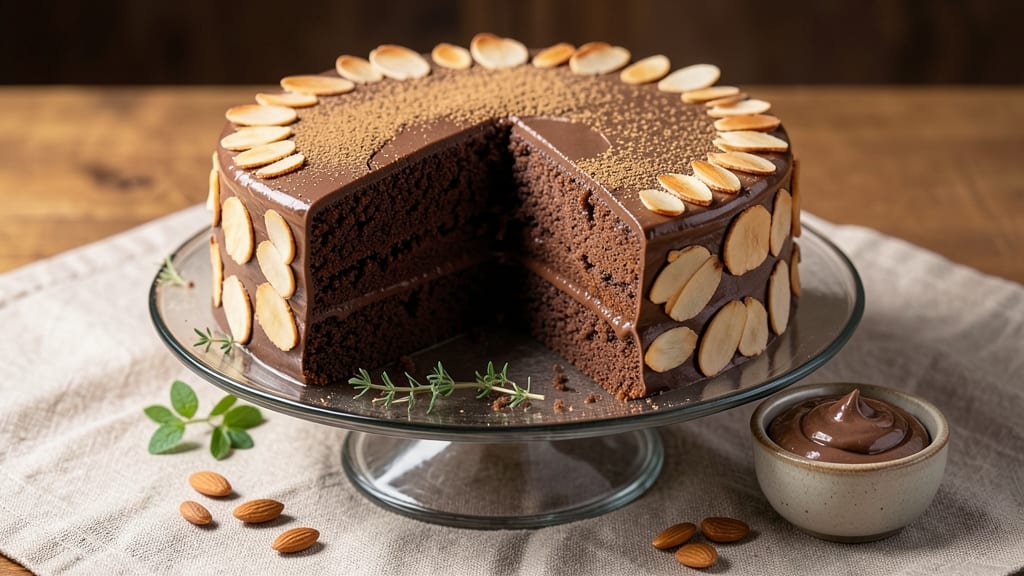
This carob chocolate cake delivers rich, nutty sweetness without a hint of cocoa—perfect for those avoiding chocolate but craving deep flavor. 💛 The secret lies in carob powder, which creates a naturally sweet, slightly bitter profile that mimics chocolate's complexity while offering health benefits like fiber and calcium.
I developed this recipe after years of testing vegan alternatives, ensuring it's moist, dense, and satisfying without dairy or eggs.
The cake's texture is what sets it apart: tender yet sturdy, with a subtle crumb that holds up to frosting or fruit toppings. Carob's earthy notes pair beautifully with warm spices like cinnamon and nutmeg, while applesauce and flaxseed replace traditional binders without compromising structure.
Baking time is precise—35-40 minutes at 350°F—to achieve a golden top and perfectly set edges.
What makes this recipe truly special is its versatility. Serve it plain for a naturally sweet treat, or top with vegan cream cheese frosting, fresh berries, or a dusting of powdered sugar.
The flavor profile evolves over time, becoming more complex as it sits, making it ideal for meal prep or special occasions. Each slice delivers that satisfying "chocolate" experience without the cocoa.
For those new to carob, start with this recipe to understand its potential—it's a game-changer for desserts. The ingredients are simple, the method straightforward, and the results consistently impressive. Let's bake this cake that proves nutty sweetness can stand alone.
Ingredients for carob chocolate cake
Carob powder and warm spices create this rich, nutty cake without cocoa or dairy.
| Ingredient | Amount | Notes |
|---|---|---|
| Carob Powder 🍫 | ¾ cup | Fine, unsweetened for best flavor |
| All-Purpose Flour 🌾 | 1 ½ cups | Gluten-free 1:1 blend if needed |
| Granulated Sugar 🍯 | 1 cup | Coconut sugar for lower glycemic |
| Unsweetened Applesauce 🍎 | ½ cup | Unsweetened, no added sugar |
| Ground Flaxseed 🌱 | 3 tbsp | Freshly ground for best binding |
| Almond Milk 🥛 | ½ cup | Unsweetened, chilled |
| Coconut Oil 🥥 | ½ cup | Melted, not solid |
| Vanilla Extract 🌿 | 1 tbsp | Pure, high-quality extract |
| Ground Cinnamon 🌶️ | 1 ½ tsp | Freshly ground preferred |
| Ground Nutmeg 🌶️ | ½ tsp | Freshly grated nutmeg |
| Baking Soda 🧂 | 1 tsp | Pure, aluminum-free |
| Salt 🧂 | ½ tsp | Fine sea salt preferred |
| Vegan Cream Cheese Frosting 🧀 | 1 ½ cups | Store-bought or homemade |
| Powdered Sugar 🍯 | 1 cup | Sifted for smooth frosting |
Carob powder is the star ingredient here—NOW Foods brand is my go-to for consistent quality, but any unsweetened, fine-ground carob works. Look for vibrant brown color and a slightly bitter aroma; Whole Foods bulk section often carries high-quality options. The flaxseed is non-negotiable for binding—grind it fresh right before mixing to preserve omega-3s. For the coconut oil, Jungle Oil brand is my preference as it's organic and has a neutral flavor profile. If you're using gluten-free flour, Bob's Red Mill 1:1 blend works perfectly without compromising texture.
No carob powder? Substitute 1/4 cup unsweetened cocoa powder plus 1/4 cup molasses—though the flavor will shift toward traditional chocolate. Applesauce can be swapped for mashed banana (reduce other liquid by 2 tbsp), but the texture will be slightly denser. The almond milk can be any plant milk—oat milk adds creaminess while soy milk provides more protein. For the frosting, Kite Hill brand vegan cream cheese is my top recommendation, but any dairy-free cream cheese works. If you prefer a lighter finish, replace half the powdered sugar with confectioners' sugar for a smoother texture.
Store carob powder in an airtight container in a cool, dark place—it keeps for up to 12 months. The baked cake stays moist for 4-5 days when wrapped tightly, but the flavor actually improves over time. For best results, bake and cool completely before frosting—this prevents a soggy top. The frosting can be made 3 days ahead and stored in the fridge; simply re-whip before using. If freezing, wrap individual slices in plastic wrap and store for up to 3 months—thaw at room temperature before serving.
Why You'll Love This Recipe
- No Mixer Needed: I swear by this recipe when my mixer’s out of commission—just stir, pour, bake. The applesauce and flaxseed egg substitute make it effortless, and honestly? The texture turns out richer than I expected.
- Rich Without Chocolate: Here’s what sold me—the deep, molasses-like bite of carob powder gives it that "chocolatey" vibe without the caffeine crash. It’s got a subtle earthiness that pairs perfectly with the sweetness, and between us? My kids ask for seconds without realizing it’s not real cocoa.
- Weeknight Workhorse: This cake keeps beautifully for days (yes, even on a Tuesday night), so I bake one batch and slice it for breakfasts, lunches, or dessert all week. The flaxseed adds a nice chew, and the applesauce keeps it moist—no drying out, no fuss.
- Budget-Friendly Luxury: Carob’s cheaper than cocoa, and using applesauce instead of eggs cuts costs without sacrificing texture. I’ll be real: my wallet thanks me, but my taste buds do too—it’s the kind of treat that feels special but won’t break the bank.
Step-by-step instructions for carob chocolate cake
Here's how to create a rich, nutty carob cake with perfect texture and moist crumb.
👨🍳 Step 1: Prepare the Flax Egg and Mix Dry Ingredients
In a small bowl, whisk together the 3 tablespoons ground flaxseed with 0.5 cup almond milk. Let this mixture sit for 5 minutes to form a gel-like flax egg—this replaces traditional eggs while providing structure. Meanwhile, in a medium bowl, sift together the 1.5 cups all-purpose flour, 0.75 cup carob powder, 1.5 teaspoons ground cinnamon, 0.5 teaspoon ground nutmeg, 1 teaspoon baking soda, and 0.5 teaspoon salt. Sifting prevents lumps and ensures even distribution of the dry ingredients.
I always use freshly ground spices here—they release more aromatic oils that enhance the carob's earthy flavor. If using a gluten-free blend, make sure it's a 1:1 substitute with xanthan gum included for proper binding. Set the dry mixture aside until ready to combine with wet ingredients.
🍳 Step 2: Combine Wet Ingredients for Smooth Batter
In a separate large bowl, combine the 1 cup granulated sugar, 0.5 cup unsweetened applesauce, 0.5 cup melted coconut oil (cooled to room temperature), 1 tablespoon vanilla extract, and the prepared flax egg. Whisk vigorously for 2-3 minutes until the mixture becomes light and airy. The applesauce adds moisture while keeping the cake naturally sweetened, and the coconut oil creates a tender crumb.
Here's where it gets crucial: the melted coconut oil should be completely cool but still liquid. If it solidifies, whisk it briefly to restore smoothness. You'll notice the batter will be slightly thicker than traditional chocolate cake batter—this is normal due to the carob powder's density. Add the dry ingredients to the wet mixture in three batches, mixing just until combined after each addition. Overmixing develops gluten, which can make the cake dense.
🔥 Step 3: Bake Until Golden and Springy
Preheat your oven to 350°F and grease two 8-inch round cake pans or line them with parchment paper. Divide the batter evenly between the pans and smooth the tops with a spatula. Bake for 30-35 minutes, or until a toothpick inserted into the center comes out clean and the edges are golden brown. The carob cake has a tendency to set slightly faster than chocolate cake, so start checking at the 28-minute mark—every oven varies.
I press down gently on the cake centers during the last 5 minutes of baking to prevent dome formation. This also helps create an even rise. As soon as the cakes pull away from the edges of the pans and develop a crackly top crust, they're ready. Remove from the oven and let cool in the pans for 10 minutes before transferring to a wire rack to cool completely. The cooling process is essential—it allows the carob flavor to develop fully and prevents cracking.
🥘 Step 4: Frost and Assemble the Cake
Once completely cool, level the tops of the cakes if needed using a serrated knife. In a medium bowl, combine the 1.5 cups vegan cream cheese frosting with 1 cup powdered sugar, mixing until smooth and spreadable. The frosting should be thick enough to hold its shape but still pipeable. If it's too stiff, add 1-2 teaspoons almond milk to loosen it.
Spread a generous layer of frosting between the cake layers, then cover the entire cake with the remaining frosting. For a professional finish, I use an offset spatula to create clean sides and swirl the frosting slightly at the edges. Dust with a light coating of carob powder for decoration and to enhance the chocolatey flavor. Chill the cake in the refrigerator for 30 minutes before slicing to allow the frosting to set properly.
Pro Tips For Making Carob Chocolate Cake
- Sift the Carob First: Carob powder is heavier than cocoa—don’t just dump it in. Sift it with the flour before mixing to avoid dense, dry pockets in your cake. I learned this after a batch turned out like a brick, and now it’s silky smooth every time.
- Mix Applesauce Last: Add the unsweetened applesauce after combining wet and dry ingredients, but just before folding. This keeps the batter from curdling (yes, it happens) and ensures even moisture distribution. Stir gently—overmixing = tough cake.
- Check for Doneness at 325°F: Carob cakes often set slower than chocolate ones. Test at 325°F with a toothpick—if it comes out clean but the edges still look wet, tent with foil and bake 5–10 more minutes. Rushing pulls them dry; patience keeps them moist.
- Upgrade with Flax Egg: Skip store-bought flax eggs (they’re watery). Mix 1 tbsp ground flaxseed with 3 tbsp hot water, stir, and let sit for exactly 5 minutes—no more, no less. This binds better and cuts the gritty texture some flaxseed leaves behind.
Creative variations of this dish
Spiced Carob-Orange Variation
Boost the flavor with 1 tbsp orange zest and 2 tbsp fresh orange juice added to the wet ingredients. The citrus brightens carob's earthiness while adding a refreshing twist.
I recommend using Navel oranges for their natural sweetness. Top with thinly sliced candied orange peel before baking for extra zing. 🍊
Nutty Carob-Coffee Twist
Add 1 tbsp instant coffee granules to the dry ingredients for a mocha-inspired depth. The coffee enhances carob's chocolatey notes without overpowering them. I also fold in ½ cup toasted pecans or walnuts for crunch. Store-bought vegan mocha frosting pairs beautifully with this variation.
Coconut Carob Cake
Replace almond milk with ½ cup coconut milk and add ½ cup shredded coconut to the batter. The tropical flavor complements carob's nutty profile perfectly. Toast the coconut first for enhanced aroma.
Finish with a toasted coconut flake garnish and a drizzle of melted coconut caramel for a luxurious touch. 🥥
Carob-Almond Flour Version
Swap all-purpose flour for 1.5 cups almond flour to create a gluten-free, grain-free option. This version is naturally lower in carbs and higher in healthy fats. Add 1 extra tbsp flaxseed to compensate for reduced gluten structure. The texture becomes denser but remains moist with the applesauce and coconut oil.
Espresso Carob Cake
For an intense coffee flavor, dissolve 2 tbsp instant espresso powder in 2 tbsp hot water and add it to the wet ingredients. This creates a rich, almost chocolatey depth without actual cocoa.
I pair this with a vegan salted caramel frosting for a sophisticated dessert. The espresso enhances carob's natural bitterness beautifully. ☕
Carob-Lemon Blueberry
Add 1 cup fresh blueberries to the batter (fold in gently at the end) and incorporate 1 tbsp lemon zest. The tartness of lemon and blueberries balances carob's sweetness.
I recommend baking this in a 9-inch springform pan for easier serving. Top with a lemon glaze made from powdered sugar and lemon juice.
Nutrition facts
Frequently asked questions
What makes carob different from regular chocolate?
Carob is naturally sweet and nutty with a slightly bitter, earthy flavor that mimics chocolate's depth without its caffeine or theobromine. Unlike cocoa, it contains no fat, making it lower in calories while providing fiber and calcium. The powder form dissolves easily in liquids, creating a rich, velvety texture perfect for baking.
Can I substitute carob powder for cocoa powder?
Yes, but the flavor will differ significantly. Use a 1:1 ratio for texture, but carob lacks cocoa's deep chocolate notes. For a chocolate-like result, add 1/4 cup molasses per 1 cup carob powder. The cake will taste more like traditional chocolate but still benefit from carob's nutritional advantages.
Why does my carob cake turn out dense?
Overmixing the batter or using cold coconut oil are common culprits. Always whisk wet ingredients until smooth but stop as soon as dry ingredients are incorporated. Use melted (but cooled) coconut oil and make sure your flax egg has fully gelled (5 minutes resting time). For extra moisture, add 1 tbsp almond milk to the batter.
How long does this cake keep fresh?
When stored properly in an airtight container at room temperature, this cake stays moist for 4-5 days. For longer storage, freeze slices wrapped individually for up to 3 months. The flavor actually improves over time as carob's natural sweetness develops. Refrigerate after frosting to maintain texture.
What's the best way to decorate this cake?
Dust with extra carob powder for a chocolatey finish, or try these ideas: Swirl vegan cream cheese frosting with orange zest, sprinkle toasted nuts, or drizzle melted coconut caramel. For a rustic look, arrange fresh berries or candied citrus peel on top. The cake's neutral flavor pairs beautifully with both sweet and tart toppings.