
Desserts
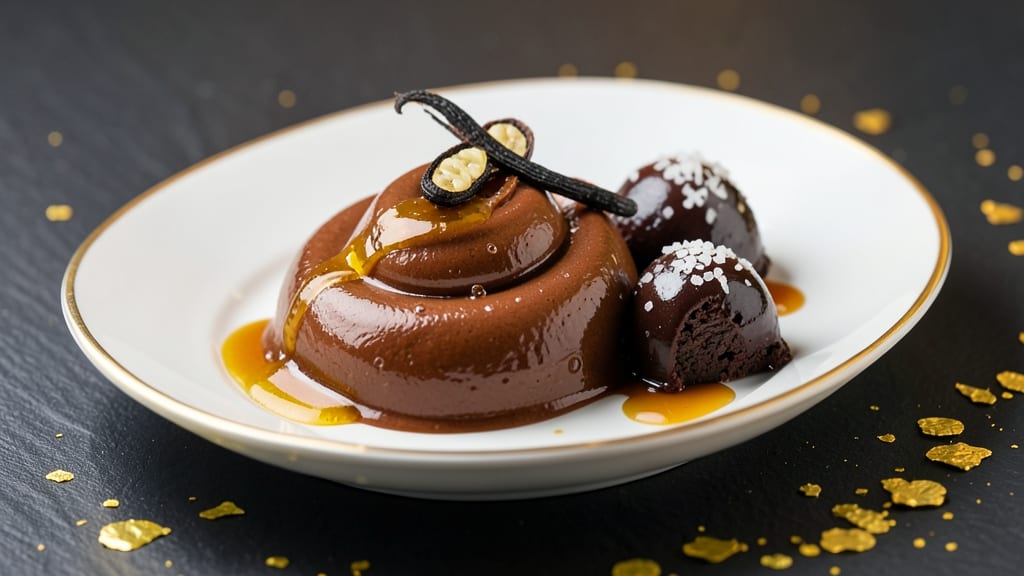
This champagne chocolate recipe transforms ordinary chocolate into something extraordinary—effervescent bites with a luxurious crunch that feels like a celebration in every bite. 🌟 The secret lies in infusing high-quality chocolate with champagne, creating a dessert that’s both elegant and surprisingly easy to make at home.
No fancy equipment required, just a few simple techniques and quality ingredients.
What sets this recipe apart is the champagne’s ability to lighten the chocolate’s richness while adding subtle bubbles that create a delightful texture. The process involves tempering the chocolate to achieve that signature snap, then carefully incorporating the champagne to preserve its effervescence.
The result? Rich, glossy chocolate bites with a delicate fizz that melts beautifully on the tongue.
Perfect for special occasions or indulgent treats, these champagne-infused chocolates are foolproof and impressive enough for guests. The combination of deep cocoa flavor and crisp bubbles makes them unforgettable—ideal for holidays, romantic dinners, or simply satisfying a chocolate craving with a twist. Let’s get started!
Once you try this recipe, you’ll never look at chocolate the same way again. The champagne’s acidity cuts through the sweetness, balancing the flavors into something sophisticated yet approachable. Whether you’re a baking novice or a seasoned chocolatier, this method delivers restaurant-quality results with minimal effort.
Ingredients for champagne chocolate
Elevate chocolate with champagne's effervescence—luxurious ingredients for extraordinary bites.
| Ingredient | Amount | Notes |
|---|---|---|
| High-Quality Dark Chocolate (70% Cocoa) 🍫 | 12 oz | Valrhona or Callebaut preferred |
| Dry Champagne or Sparkling Wine 🍾 | ½ cup | Chilled, 10-12% alcohol |
| Unsalted Butter 🧈 | 4 oz | European-style, 82% fat |
| Granulated Sugar 🍚 | ¼ cup | Fine granulation preferred |
| Vanilla Bean Paste 🌿 | ½ tbsp | Madagascar vanilla preferred |
| Sea Salt 🧂 | ¼ tsp | Fine grain, flaky preferred |
| Almond Flour 🥜 | ½ cup | Blanched, finely ground |
| Powdered Sugar 🍚 | ½ cup | For dusting |
| Dark Chocolate Chips (70% Cocoa) 🍫 | ½ cup | For decorative topping |
| Edible Gold Leaf 🎨 | 1 sheet | Optional, decorative |
The chocolate is non-negotiable here—Valrhona or Callebaut deliver the depth needed to complement champagne's acidity. Whole bean chocolate bars from specialty stores like Sur La Table or Williams Sonoma ensure premium quality. For the champagne, dry brut varieties like Moët or Veuve Clicquot work best—they add subtle bubbles without overpowering. The butter should be European-style (82% fat content) for optimal tempering. If you're using vanilla bean paste, Madagascar Bourbon offers the richest flavor profile. Pre-grind your almond flour at home for a finer texture, or buy it pre-ground from Bob's Red Mill.
No Valrhona? Ghirardelli or Lindt 70% cocoa bars work in a pinch, though they lack the same depth. Substituting champagne? Dry sparkling apple cider adds bubbles without alcohol, but the flavor will differ. For vanilla, alcohol-free vanilla extract at double the amount mimics the paste's richness. The almond flour can be swapped for hazelnut flour (1:1 ratio), though texture will vary slightly. If you're avoiding gold leaf, crushed pistachios or candied orange peel add visual appeal. Always temper the chocolate to 88-90°F for that signature snap—use a candy thermometer for precision.
Tempered chocolate hardens quickly. Work in batches, keeping unused chocolate in a cool, dry place (68°F or below) to prevent blooming. Store finished chocolates in an airtight container with parchment between layers—they’ll keep for 2-3 weeks at room temperature. For longer storage, freeze for up to 3 months, thawing at room temperature before serving. Reheat tempered chocolate gently in a double boiler if needed, avoiding direct heat to maintain stability. These chocolates are best served at 65-68°F for optimal texture—remove from refrigerator 30 minutes before serving.
Why You'll Love This Recipe
- No-Fuss Indulgence: I swear, this comes together faster than a microwave mug cake—just melt chocolate, fold in bubbly, and stir. The hardest part is waiting for it to set.
- Unexpected Luxury: That first bite? The champagne’s bright acidity cuts through the rich dark chocolate like a sigh of relief. It’s decadent without tasting heavy—like a dessert that didn’t try too hard.
- Date Night or Me: Pour it into ramekins for a fancy dinner, or just grab a spoon for a lazy Sunday. Honestly, I’ve served it at both—no judgment here.
- Wine Leftovers Hack: Got extra champagne? This recipe turns it into something magical instead of pouring it out. Plus, the leftovers keep for days in the fridge—because nothing says “I care” like pre-portioned chocolate treats.
Step-by-step instructions for effervescent champagne chocolate bites
Master this luxurious technique combining champagne's effervescence with rich chocolate for bites that fizz and melt in your mouth.
🍳 Step 1: Temper the Champagne-Infused Chocolate
Place the 12 oz high-quality dark chocolate (70% cocoa) and 4 oz unsalted butter in a heatproof bowl over a pot of simmering water, ensuring the bowl doesn't touch the water. Stir gently until both melt completely, then remove from heat. Add the 0.5 cup chilled dry champagne or sparkling wine and stir continuously for 2 minutes until the mixture reaches 90°F and begins to thicken slightly.
This champagne infusion creates microscopic bubbles that will create your signature crunch. Work quickly now—the chocolate will begin setting as it cools. Use a candy thermometer to monitor temperature precisely; any lower than 90°F and your bubbles won't develop properly. The mixture should have a glossy sheen and coat the back of a spoon smoothly.
👨🍳 Step 2: Prepare the Almond Flour Base
In a separate bowl, whisk together the 0.5 cup almond flour, 0.25 cup granulated sugar, 0.5 tbsp vanilla bean paste, and 0.25 tsp sea salt. The almond flour should be finely ground—if it's coarse, pulse it briefly in a food processor first. Fold in the 0.5 cup dark chocolate chips (70% cocoa), reserving a few for garnish, until evenly distributed throughout the dry mixture.
This base creates the structural contrast to your effervescent chocolate. The vanilla and salt balance the bitterness of the chocolate while the almond flour adds a delicate crunch. Keep this mixture at room temperature—cold flour makes brittle bites that shatter instead of holding their shape.
🥘 Step 3: Assemble and Chill the Bites
Using a small piping bag fitted with a ½-inch round tip, pipe 1-inch diameter circles of the almond flour mixture onto a parchment-lined baking sheet, spacing them 1 inch apart. Immediately pipe a ½-inch diameter circle of the champagne-infused chocolate over each almond base, pressing gently to adhere. Repeat until all mixtures are used, yielding about 24 bites.
Place the baking sheet in the refrigerator for 30 minutes to set the chocolate layer. This chilling period allows the bubbles in the chocolate to stabilize while creating a clean separation between layers. Don't skip this step—rushing causes the layers to blur and lose their distinct textures.
⏰ Step 4: Create the Effervescent Layer
Return the tempered chocolate mixture to the double boiler and heat gently until it reaches 100°F, stirring constantly. The bubbles should become more pronounced and the mixture should have a slightly thicker, almost mousse-like consistency. Working quickly, pipe a ¼-inch thick layer of this warm chocolate over each chilled bite, allowing it to spread naturally to the edges.
Immediately return the baking sheet to the refrigerator for 15 minutes until the top layer sets completely. You'll notice the surface develops a fine, crackly texture from the champagne bubbles. This is your signature effervescent layer—don't disturb it during chilling or the bubbles will collapse.
🔪 Step 5: Garnish and Finish
Once fully set, dust each bite generously with 0.5 cup powdered sugar using a fine-mesh sieve, tapping gently to avoid disturbing the effervescent layer. For the gold leaf, carefully tear the 1 sheet edible gold leaf into 24 small squares and press each onto a bite using a clean fingertip or small brush. The gold should adhere to the powdered sugar coating.
Let the bites rest at room temperature for 10 minutes before serving to allow the powdered sugar to fully adhere. Each bite should have three distinct textures: the crisp almond base, the effervescent chocolate layer with its signature crunch, and the smooth, dusted exterior. Serve immediately for maximum contrast between textures and temperatures.
Pro Tips For Making Champagne Chocolate
- CHOP CHOCOLATE SMALL: I learned this the hard way—big chunks of dark chocolate turn to greasy lumps instead of silky sauce. Use a sharp knife or food processor to cut the chocolate into rice-sized pieces before melting, so every bit dissolves evenly.
- WHISK BUTTER FIRST: Skip the "add butter last" trap—melt it with the sugar and vanilla over low heat until it’s a smooth, golden paste. This prevents grainy texture when you later pour in the champagne, which can curdle cold butter.
- STOP BEFORE BOILING: The champagne needs to simmer gently, not bubble furiously, or it’ll cook off too fast and turn bitter. Once it’s reduced by half and just starting to glaze the pan, pull it off heat—you’ll finish warming it later.
- SCRAPE THE PAN: This isn’t the prettiest method, but it’s the tastiest: After melting chocolate and butter, use a silicone spatula to scrape the bottom constantly for 30 seconds. The fond left behind adds depth—don’t skip it, even if it feels like overkill.
Make-ahead tips for this dish
Prep Ahead Strategy
Start by tempering the chocolate and preparing the almond flour mixture up to 2 days in advance. Store the tempered chocolate in an airtight container at room temperature (below 68°F) to prevent blooming.
Keep the almond flour base in a separate container—it stays fresh for 3 days in the fridge. This head start lets you focus on assembly when ready. 💡
Layer Assembly Efficiency
Pipe all almond flour bases onto parchment-lined trays and refrigerate for 30 minutes before adding chocolate. This stabilizes the texture, preventing messy spreading later. Use a piping bag with a ½-inch tip for consistent circles—practice on scrap paper first to perfect your technique.
Pre-measure all ingredients to avoid mid-process adjustments. ✨
Champagne Infusion Timing
Add the champagne to the melted chocolate just before tempering—never store it pre-infused, as bubbles dissipate within 1 hour. Keep your champagne chilled until use; room temperature reduces effervescence.
Work in batches of 6 bites at a time to maintain temperature control during assembly. The key is speed: bubbles lose potency after 10 minutes of exposure to air. ⏰
Storage Solutions
For short-term storage (up to 2 weeks), place finished chocolates in a single layer between parchment sheets inside an airtight container. Freeze for longer storage (up to 3 months)—wrap individually in plastic wrap before placing in a freezer bag.
Thaw at room temperature for 30 minutes before serving to preserve texture. Never microwave to reheat—gentle heat from a double boiler maintains temper. ❄️
Garnish Prep Shortcut
Pre-cut gold leaf squares and powdered sugar dusting can be done 1 hour before assembly. Store gold leaf between parchment sheets to prevent sticking, and sift powdered sugar into a small bowl for quick access.
Use a fine-mesh sieve for even dusting—tap gently to avoid disturbing the effervescent layer. This saves 15 minutes during final assembly. 🎨
Reheating for Serving
If storing in the fridge, let chocolates sit at room temperature for 10 minutes before serving to soften slightly. For a restaurant-worthy presentation, place on a chilled slate or marble board—the contrast enhances the effervescent texture.
Serve with a sparkling wine pairing (like the champagne used) to complement the flavors. The bites are best enjoyed within 4 hours of final assembly for optimal crunch. 🍾
Nutrition facts
Frequently asked questions
Can I substitute regular wine for champagne in this recipe?
While you can use dry sparkling wine, regular wine won't create the same effervescent texture. The bubbles in champagne are essential for that signature crunch. If you're avoiding alcohol, try sparkling apple cider—it adds bubbles without the wine flavor. The acidity in champagne also helps balance the chocolate's richness, so non-sparkling wines may make the final product denser.
Why does my chocolate turn grainy when I add champagne?
This happens when the chocolate cools too quickly or isn't properly tempered. Always heat the chocolate to 90°F with the champagne, then cool it gradually to 88-90°F while stirring constantly. If it starts seizing, gently reheat to 100°F and stir until smooth. Using high-quality chocolate (like Valrhona) also reduces graininess. Work quickly—the champagne's bubbles dissipate after 10 minutes of exposure to air.
How do I fix chocolate that's too thick or too thin?
If your chocolate is too thick, gently reheat it to 100°F while stirring to restore fluidity. For thin chocolate, chill it in an ice bath while stirring until it thickens slightly. The ideal consistency should coat the back of a spoon smoothly. Remember, the champagne should be added when the chocolate is fully melted but not overheated—this maintains the proper temper.
Can I make these without a piping bag?
Use a ziplock bag with a corner snipped off as a makeshift piping bag. For the almond base, spread it with a spoon and use a small round cookie cutter to shape the circles. For the chocolate layer, spoon small mounds onto each base and flatten with the back of a spoon. The texture will be slightly less precise, but the flavor remains delicious.
How do I store these chocolates for maximum freshness?
Keep them in an airtight container with parchment paper between layers at room temperature for up to 2 weeks. For longer storage, freeze them for 3 months, wrapping each individually in plastic. Thaw at room temperature for 30 minutes before serving. Avoid humidity—it causes the chocolate to bloom (develop white spots). Store in a cool, dark place away from strong odors.