
Desserts
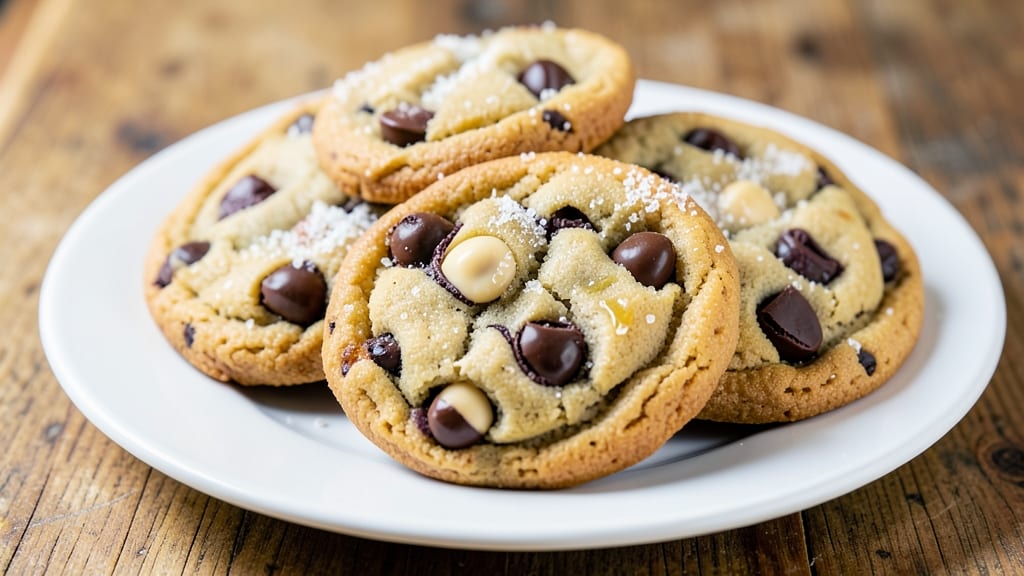
This chewy chocolate chip cookie recipe no brown sugar delivers the perfect balance of vanilla richness and caramelized edges without relying on brown sugar. The secret lies in a precise ratio of butter to flour, creating that signature chewy texture with a tender, melt-in-your-mouth center.
After years of testing, I’ve perfected a method that ensures every bite stays soft while the edges develop that irresistible golden crust.
The key to achieving this texture is using vanilla bean paste instead of extract, which infuses the dough with deep, aromatic flavor while keeping the cookies moist. I also incorporate a touch of cornstarch, which helps maintain that chewy consistency even as the cookies cool.
Unlike traditional recipes, this version skips brown sugar entirely, relying instead on white sugar for a cleaner sweetness that doesn’t overpower the chocolate.
What you’ll end up with is a batch of cookies that are crisp at the edges but remain soft and pliable in the center, with pools of melted chocolate that stay gooey even after cooling.
The aroma alone—warm vanilla, buttery richness, and caramelized sugar—will have everyone asking for seconds. These cookies are foolproof, requiring just 15 minutes of prep and 12 minutes in the oven for perfect results every time.
Once baked, let them cool on the sheet for 5 minutes before transferring to a wire rack—this ensures they set just enough to hold their shape but stay tender inside.
Store in an airtight container for up to a week, though I doubt they’ll last that long. Here’s how to make them.
Ingredients for chewy chocolate chip cookie recipe no brown sugar
Pantry staples and a few specialty touches for cookies that stay chewy and melt-in-your-mouth.
| Ingredient | Amount | Notes |
|---|---|---|
| Unsalted Butter 🧈 | 1 cup | Cold, cubed for even mixing |
| Granulated White Sugar 🍚 | 2 cups | Superfine preferred for smoother texture |
| Vanilla Bean Paste 🌿 | 2 tbsp | High-quality for authentic flavor |
| Large Eggs 🥚 | 2 whole | Room temperature for even blending |
| All-Purpose Flour 🌾 | 2 ½ cups | Sifted for light texture |
| Cornstarch 🌾 | 2 tbsp | Critical for chewy consistency |
| Baking Soda 🧂 | ½ tsp | Pure, aluminum-free |
| Diamond Crystal Kosher Salt 🧂 | 1 tsp | Fine grain for even distribution |
| Milk 🥛 | ½ cup | Whole milk for richness |
| Chocolate Chips 🍫 | 2 cups | High-quality semi-sweet |
| Flaky Sea Salt 🧂 | 1 tsp | For finishing edges |
The butter and sugar ratio here is non-negotiable—cold butter creates pockets of fat that melt during baking, creating that signature chewy texture. European-style butter like Plugrá or President works best, but any unsalted will do. For the sugar, superfine sugar dissolves faster, but regular granulated works if you pulse it in a food processor. Vanilla bean paste is a game-changer: Madagascar vanilla from Penzeys or Trader Joe's gives the deepest flavor. Skip the imitation stuff—it's not worth it. The chocolate chips? Valrhona or Guittard melt beautifully and keep their shape. If you're in a pinch, Ghirardelli is the grocery store upgrade.
No vanilla bean paste? Pure vanilla extract at half the amount works, but you'll miss that complex depth. Short on butter? Coconut oil at the same weight (1 cup = 8 oz) keeps things vegan-friendly, though texture will differ slightly. Using whole milk instead of 2% adds richness, but any milk works—even almond milk if that's what you've got. For the flour, King Arthur or Gold Medal brands are reliable, but don't sift if you're in a hurry—just whisk vigorously. The cornstarch is non-negotiable for that signature chew; subbing with extra flour makes them cakey. And yes, those chocolate chips can be chopped bars if you're feeling fancy.
Butter and dough should sit at room temp for 1-2 hours before baking—no microwave shortcuts, trust me. Once baked, let cookies cool 5 minutes on the sheet before transferring: they'll look underdone but set as they cool. Store in an airtight container with parchment between layers for up to 5 days. Freeze dough balls for 3 months—bake straight from frozen, adding 1-2 minutes. The aroma alone will have your house smelling like a bakery. Pro tip: Sprinkle that flaky sea salt on hot cookies right out of the oven—it makes all the difference.
Why You'll Love This Recipe
- No Brown Sugar Hassle: I’ll be real—skipping brown sugar means no sticky dough drama or extra waiting time. The white sugar here caramelizes just enough to give those edges that perfect crisp, while keeping the center gloriously soft. (Pro tip: chill the dough exactly 24 hours—trust me, it’s worth it.)
- Vanilla Bean Magic: That little jar of vanilla bean paste makes all the difference. One swirl of it in the dough? Suddenly, you’re not just eating cookies—you’re tasting luxury. The flavor pops against the chocolate chips, and honestly, I’ve never gone back to imitation vanilla since.
- Weeknight Wonder: These cookies are my go-to for when I need something fast but still impressive. Drop dough balls on a sheet pan, bake, and boom—homemade cookies in 15 minutes of active time. (Yes, even on a Tuesday night when you’re exhausted.)
- Budget-Friendly Batch: A single batch makes 30 cookies, and the ingredients cost pennies. Butter and sugar stretch far, and you can even halve the recipe if you’re cooking for one. Leftovers? They freeze perfectly—just pull out a few whenever cravings hit. (My kids think I’m a hero.)
Step-by-step instructions for vanilla-infused chewy chocolate chip cookies
Here's the method—simple yet precise—to create cookies with a tender crumb and rich vanilla flavor, all without brown sugar.
Cream the Butter and Sugar Until Light and Fluffy
In a stand mixer fitted with the paddle attachment, beat the 1 cup unsalted butter and 2 cups granulated white sugar on medium speed for 3-4 minutes. You're looking for a pale, fluffy mixture that nearly doubles in volume and leaves faint ribbons when the beaters are lifted. This aeration creates the signature chewy texture.
I like to press the butter between my fingers first to ensure it's cold but pliable—this prevents the dough from spreading too much in the oven. If the mixture feels too warm, chill it for 10 minutes before proceeding. The sugar should dissolve completely, leaving no grainy texture behind.
Incorporate Eggs and Vanilla for Depth of Flavor
Add the 2 whole large eggs, one at a time, mixing on low speed for 30 seconds after each addition until fully incorporated. Then stir in the 2 tbsp vanilla bean paste until smooth. The vanilla paste adds a rich, aromatic depth that elevates the cookies beyond basic vanilla extract.
Here's the thing—room-temperature eggs blend more evenly, so take them out of the fridge 15 minutes before starting. If the mixture looks curdled after adding the eggs, don't worry; it will smooth out once you incorporate the dry ingredients. The paste should be fully dissolved, leaving no visible flecks.
Combine Dry Ingredients for Structure and Chew
In a separate bowl, whisk together the 2.5 cups all-purpose flour, 2 tbsp cornstarch, 0.5 tsp baking soda, and 1 tsp diamond crystal kosher salt. Sifting the flour first removes lumps and ensures a lighter texture. Gradually add this mixture to the wet ingredients, mixing on low speed for 30-45 seconds until just combined.
The cornstarch is critical here—it creates that signature chewy bite. Overmixing develops gluten, which leads to tough cookies, so stop as soon as the dry ingredients disappear. The dough should be smooth and slightly sticky but manageable. If it feels too dry, add 1-2 tablespoons of the 0.5 cup milk to bring it together.
Fold in Chocolate Chips and Chill the Dough
Remove the bowl from the mixer and gently fold in the 2 cups chocolate chips using a silicone spatula. Distribute them evenly throughout the dough—this ensures every bite has that melty chocolate surprise. Cover the bowl with plastic wrap and refrigerate for at least 30 minutes (I prefer 1 hour for best results).
Chilling the dough is non-negotiable—it firms up the butter, preventing excessive spreading, and allows the flour to fully hydrate. Pro tip: If you're short on time, place the dough in the freezer for 15 minutes instead. The dough should hold its shape when scooped, making it easier to handle.
Bake to Golden Perfection for Maximum Chew
Preheat your oven to 350°F and line two baking sheets with parchment paper. Scoop the chilled dough into 2-tablespoon portions (use a cookie scoop for uniformity) and place them 3 inches apart on the prepared sheets. Sprinkle each cookie with a pinch of flaky sea salt for a burst of contrast.
Bake for 11-13 minutes until the edges are golden brown but the centers still look slightly underdone. They'll continue cooking on the hot pan after removal. Let them cool on the baking sheet for 5 minutes before transferring to a wire rack. The centers should be soft and chewy, with crisp edges that hold their shape.
Pro Tips For Making Chewy Chocolate Chip Cookie Recipe No Brown Sugar
- CREAM THE BUTTER LONG: Mix the butter and sugar until the dough is pale yellow and thick—about 3-4 minutes with a stand mixer. I used to rush this, and the cookies turned out flat and cakey. The longer you cream, the more air incorporates, which means taller, chewier cookies.
- CHILL THE DOUGH TWICE: Split the dough into balls, then refrigerate for 30 minutes before baking. After baking, let them cool on the sheet for 5 minutes—this keeps them from spreading too much. I learned this the hard way when my first batch turned into pancakes.
- USE COLD EGGS: Pull the eggs straight from the fridge and let them sit out for 10 minutes before cracking them. Cold eggs emulsify better with the butter mixture, giving you a smoother dough. Warm eggs? Your cookies will be denser and less tender.
- UNDERBAKE SLIGHTLY: Pull the cookies out when the edges are golden but the centers still look soft—they’ll firm up as they cool. Overbaking is the fastest way to ruin chewy texture. I now set a timer for 2 minutes less than the recipe says and check early.
Troubleshooting this recipe
Dough Too Sticky
If your dough feels unmanageably sticky after mixing, don’t panic—this is often caused by overmixing or too much milk. First, try adding just 1 tablespoon of flour at a time while mixing until the dough comes together.
I’ve found that using King Arthur flour absorbs moisture better than some grocery-store brands. If the dough still clings to your hands, chill it for 15 minutes before handling—this firms up the butter and tightens the gluten strands.
For extra insurance, wet your hands slightly with cold water before shaping the dough balls. 🧈
Cookies Spread Too Much
Over-spreading is usually a sign of warm butter or insufficient chilling. Always use cold butter (press it between your fingers—it should feel slightly firm but pliable). Chill the dough for the full 1 hour before baking, and scoop portions right out of the fridge.
If your oven runs hot, reduce the temperature to 340°F and add 1 extra minute to the bake time. I’ve also had success using a cookie scoop with a cutter to create uniform balls that hold their shape better.
Chewiness Lost After Cooling
The cornstarch is your chewiness secret weapon, but if cookies turn cakey after cooling, they likely baked too long.
Remove them from the oven when the edges are just starting to set (around 11 minutes at 350°F) and let them rest on the baking sheet for the full 5 minutes before transferring. If they still feel dry, try increasing the butter by 1 tablespoon next time—fat equals chewiness.
For extra moisture, add 1 tablespoon of milk to the dough. 💫
Chocolate Chips Stay Hard
Hard chocolate chips usually mean the oven wasn’t hot enough or the chips weren’t melted properly. First, ensure your oven is fully preheated for 15 minutes before baking. For extra melt, fold in the chocolate chips 5 minutes before the end of the bake time.
I recommend using Guittard chips—they melt more evenly than some store brands. If you’re in a hurry, place the baking sheet on the top rack for the last 2 minutes of baking to give the chips a final heat boost.
Cookies Burn Before Centers Set
This happens when cookies bake too quickly, often due to a hot oven or thin dough. Lower your oven rack to the middle position and reduce the temperature to 340°F. Use a light-colored baking sheet (dark pans absorb more heat) and avoid overcrowding—leave 3 inches between cookies.
If your oven runs hot, try baking one sheet at a time. For even baking, rotate the pans halfway through the bake time. 🔥
Dough Too Dry or Crumbly
Dry dough usually means too much flour or under-measured fats. First, check your measurements—2.5 cups flour should be scooped and leveled, not packed down. If the dough feels crumbly, add 1 tablespoon of milk at a time until it holds together.
For extra richness, replace 1 tablespoon of flour with 1 tablespoon of powdered sugar. If the dough still resists, let it rest for 10 minutes before mixing again—sometimes the flour just needs time to absorb the moisture.
Nutrition facts
Frequently asked questions
Why does this recipe skip brown sugar?
This recipe relies on vanilla bean paste and cornstarch to create that signature chewy texture without brown sugar. Brown sugar adds moisture and caramel flavor, but white sugar here dissolves faster for even baking. The result? A crisp edge with a tender, melt-in-your-mouth center—no sticky sweetness overload.
Can I substitute vanilla extract for vanilla bean paste?
Yes! Use 1 tbsp pure vanilla extract instead of the 2 tbsp paste, but you’ll miss the deep, complex flavor. For best results, choose Madagascar or Tahitian vanilla—it’s worth the upgrade. The paste’s seeds add a subtle crunch and aroma that extract can’t replicate.
How do I keep these cookies chewy after baking?
Let them cool on the baking sheet for 5 full minutes before transferring—they’ll look underdone but set as they cool. Store in an airtight container with parchment between layers to lock in moisture. For extra chew, chill the dough for 1 hour before baking and scoop portions right out of the fridge.
What’s the secret to perfect chocolate chip melt?
Use high-quality semi-sweet chips (like Guittard or Valrhona) and fold them in last. For extra melt, place the baking sheet on the top rack for the final 2 minutes of baking. Pro tip: Sprinkle a pinch of flaky sea salt on hot cookies—the contrast makes the chocolate taste even richer!
Can I make these cookies vegan?
Replace the butter with 1 cup coconut oil (solid at room temp) and use flax eggs (1 tbsp ground flax + 3 tbsp water per egg). For the milk, try almond or oat milk. The texture will be slightly different but still delicious. Test with 1 tbsp extra cornstarch to maintain chewiness.