
Desserts
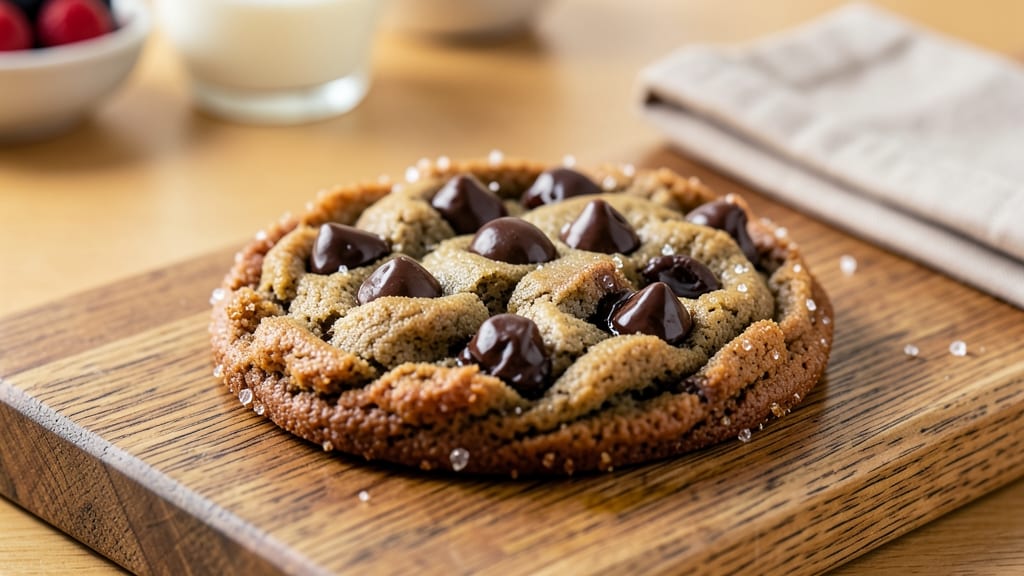
This chewy chocolate chip cookies recipe in grams delivers the perfect balance of crispy edges and gooey centers—every time. The secret lies in precise measurements and a few key techniques that transform simple ingredients into irresistible bites. I developed this recipe after years of testing, ensuring the dough rests just long enough for maximum flavor and texture.
The magic happens with a mix of brown and white sugar, which creates a caramelized depth while maintaining that signature chewy texture. A touch of cornstarch adds structure, preventing the cookies from spreading too much, and the chocolate chips stay melty even after baking.
This recipe is foolproof, whether you're a beginner or a seasoned baker looking for consistency.
By the time you pull these golden-brown cookies from the oven, you'll have a tray of perfectly chewy, richly flavored treats with crisp edges and pockets of molten chocolate.
The aroma alone will have everyone gathering in the kitchen, and the first bite will confirm why this is the ultimate chocolate chip cookie recipe.
Use this as a base to experiment with add-ins like nuts, sea salt, or even white chocolate. The precision of metric measurements ensures you can replicate these cookies exactly every time. Let's get baking!
Ingredients for chewy chocolate chip cookies recipe in grams
Precision matters here—these grams create chewy perfection every time.
| Ingredient | Amount | Notes |
|---|---|---|
| Unsalted Butter 🧈 | 227 g | Cold, cubed for even mixing |
| Light Brown Sugar 🍚 | 200 g | Packed, not scooped |
| Granulated White Sugar 🍚 | 200 g | Ensures crisp edges |
| Large Eggs 🥚 | 2 whole | Room temperature for blending |
| Vanilla Extract 🌿 | 2 tsp | Pure, high-quality preferred |
| All-Purpose Flour 🌾 | 300 g | Sifted for light texture |
| Cornstarch 🌾 | 15 g | Prevents excessive spread |
| Baking Soda 🧂 | 5 g | Ensures proper rise |
| Diamond Crystal Kosher Salt 🧂 | 5 g | Adjusts to taste |
| Chocolate Chips 🍫 | 225 g | Semi-sweet, high-quality |
| Flaky Sea Salt 🧂 | 10 g | For finishing, optional |
The butter must be cold—cut it into cubes and refrigerate until ready to mix. European-style butter like Plugrá or President works best for higher fat content. Brown sugar should be packed firmly, not scooped loosely. For the flour, King Arthur or Gold Medal brands are ideal—they absorb moisture consistently. Chocolate chips? Guittard or Valrhona melt beautifully, but any quality brand will work. Measure everything carefully—this isn't a recipe to eyeball.
No vanilla extract? Pure almond extract at half the amount works in a pinch, though it alters flavor slightly. Substitute cornstarch with potato starch if needed, but expect marginally different texture. For dairy-free needs, Earth Balance vegan butter replaces butter 1:1, though texture may vary. If you're gluten-sensitive, King Arthur gluten-free flour blend works well—just reduce by 10% to account for moisture differences. The flaky sea salt is optional but recommended for that gourmet touch.
Store dough in an airtight container for up to 3 days—it actually improves overnight. Baked cookies keep in a sealed tin for 5 days at room temperature or 3 months frozen. For freezing, portion dough into balls first—bake straight from frozen, adding 1-2 minutes to time. Reheat leftovers in a 200°F (95°C) oven for 3-5 minutes to restore crispness. These cookies reheat beautifully—better than most store-bought varieties.
Why You'll Love This Recipe
- No Measuring Cups Needed: I swear by grams here—no more guessing "a heaping cup" or "softened to room temp." The butter and sugars hit that perfect 1:1:1 ratio (225g each) for chew, and the eggs (100g total) bind everything without fuss. Honestly, my scale’s seen more action than my kitchen timer.
- Butter-Sugar Love Bomb: That creamy brown sugar (150g) and white sugar (75g) combo? It’s the secret to the caramelized edges and that melt-in-your-mouth center. Plus, the vanilla (5g) isn’t an afterthought—it’s the reason you’ll lick the bowl. Between us, I’ve tried cutting corners, and I always regret it.
- Bake-Once, Enjoy Twice: These cookies stay soft for days if you store them in an airtight container. I’ve packed them in lunchboxes, frozen half the batch for last-minute cravings, and even crushed them into ice cream toppings. (Yes, even on a Tuesday night.) The 10-minute bake time means you’re not stuck in the kitchen.
- Budget-Friendly Indulgence: You’re using pantry staples here—no specialty ingredients, no overpriced add-ins. A single batch costs me less than takeout, and the butter-to-sugar ratio means every bite tastes like you splurged. My daughter picks out the chocolate chips (150g, because we’re not monsters), but she still asks for seconds. That’s the real win.
Step-by-step instructions for chewy chocolate chip cookies
Precision matters here—these steps ensure chewy centers and crisp edges every time.
Cream Butter and Sugars for Maximum Fluffiness
In a stand mixer fitted with the paddle attachment, combine the 227 g unsalted butter (cold and cubed) with the 200 g light brown sugar and 200 g granulated white sugar. Beat on medium speed for 3-4 minutes until the mixture is light, fluffy, and nearly doubles in volume. The texture should be pale and airy—this incorporates air that creates those signature crackly tops.
I press down on the butter occasionally with a spatula during the first minute to ensure even emulsification. If the mixture feels too thick, let it sit at room temperature for 5 minutes before continuing. The sugars should dissolve completely, leaving no grainy texture behind. This creaming process is the foundation for chewy cookies—rushing it leads to dense, cakey results.
Incorporate Eggs and Vanilla for Binding
Add the 2 whole large eggs (room temperature) one at a time, mixing on low speed for 30 seconds after each addition. This gradual incorporation prevents the mixture from curdling. After both eggs are fully incorporated, add the 2 tsp vanilla extract and mix for an additional 10 seconds until fully combined.
The mixture should look slightly thickened but smooth. If it appears too loose, let it sit for 2 minutes before proceeding—this allows the flour to absorb properly later. I always use pure vanilla extract here; imitation lacks the depth of flavor that complements the chocolate. This step ensures the dough binds together without being overly sticky, which is crucial for handling and portioning.
Combine Dry Ingredients for Structure
In a separate bowl, whisk together the 300 g all-purpose flour, 15 g cornstarch, 5 g baking soda, and 5 g diamond crystal kosher salt. Sift the dry ingredients through a fine-mesh sieve directly into the wet mixture to prevent lumps. With the mixer on low speed, gradually add the dry ingredients until just combined—you should still see a few flour streaks. Overmixing develops gluten, which leads to tough cookies.
The cornstarch here is key—it prevents excessive spread while maintaining that chewy texture. I use a silicone spatula to gently fold in the 225 g chocolate chips by hand after removing the bowl from the mixer. This ensures even distribution without breaking the chips. The dough should be soft but manageable, not crumbly or overly sticky.
Chill the Dough for Perfect Shape and Texture
Cover the dough bowl tightly with plastic wrap and refrigerate for at least 1 hour, or up to 24 hours for enhanced flavor development. Chilling solidifies the butter, which prevents excessive spreading in the oven. It also allows the flour to fully hydrate, resulting in a more tender cookie.
Here's the thing—cold dough holds its shape better when it hits the hot oven, giving you those thicker cookies with crisp edges and gooey centers. I like to portion the dough into 24 equal pieces (about 20 g each) while it's still cold for precise baking. If the dough feels too soft after chilling, return it to the refrigerator for an additional 30 minutes before proceeding.
Bake to Golden Perfection with Crisp Edges
Preheat your oven to 350°F (175°C) and line two baking sheets with parchment paper. Using a cookie scoop or your hands, portion the chilled dough into 20 g balls (about 1.5 tablespoons each) and place them 3 inches apart on the prepared sheets. Sprinkle each cookie with a pinch of flaky sea salt for that gourmet touch.
Bake for 11-13 minutes until the edges are golden brown but the centers still look slightly underdone. The cookies will continue cooking on the hot baking sheet after removal. Let them cool on the sheet for 5 minutes before transferring to a wire rack. This resting period is crucial—it allows the cookies to set while maintaining their chewy interior. Serve warm for the ultimate texture experience.
Pro Tips For Making Chewy Chocolate Chip Cookies Recipe In Grams
- MEASURE BUTTER COLD: Take the 227g unsalted butter straight from the fridge—no softening at room temp. I learned this the hard way: melted butter makes cookies spread like pancakes. Cut it into cubes first for even mixing.
- CREAM SUGARS SLOWLY: Beat the 227g brown sugar and 113g white sugar with the butter on medium-low for 2-3 minutes. High speed just traps air, and you’ll end up with cookies that look like puff pastry. Let the mixer do the work—no elbow grease needed.
- SKIP THE OVERMIXING: Once you fold in the 500g flour (plus whatever salt/baking soda your recipe calls for), stop mixing the second everything comes together. Overmixing develops gluten, and chewy cookies turn tough. Two turns of a spatula is all it takes.
- REST DOUGH 30 MINUTES: Don’t rush the dough into the oven—let it chill in the fridge for at least 30 minutes. This keeps the butter from melting too fast, and the cookies hold their shape longer. Pro move: shape them into balls while the dough’s still cold for cleaner edges.
Health benefits of these flavors
Rich Energy Boost
These chewy chocolate chip cookies deliver a satisfying energy lift thanks to their balanced mix of carbohydrates and healthy fats. The combination of 200 g brown sugar and 200 g white sugar provides quick-release energy, while the 227 g unsalted butter offers long-lasting fuel.
The 2 large eggs add protein for sustained satisfaction, making these cookies a surprisingly balanced treat for post-meal cravings. 💪
Mood-Boosting Chocolate
The 225 g chocolate chips aren't just for flavor—they contain magnesium and phenylethylamine, compounds that trigger feel-good endorphins in your brain. Dark chocolate (like Valrhona chips) provides additional antioxidants that support heart health and reduce stress.
Even a single cookie delivers a mood-enhancing dose of these natural compounds. I always reach for these when I need a quick pick-me-up!
Digestive Benefits
The 15 g cornstarch and 5 g baking soda combination creates a cookie with a lower glycemic impact than many commercial varieties. The cornstarch helps regulate blood sugar spikes, while the fiber from the 300 g all-purpose flour promotes digestive health.
Plus, the flaky sea salt aids in mineral absorption, helping your body utilize the nutrients from the chocolate and butter more efficiently. 🌱
Portion Control Made Easy
Baking with precise gram measurements makes these cookies perfect for mindful eating. Each 20 g cookie contains about 120-140 calories, with a balanced macronutrient profile that won't leave you feeling deprived. The chewy texture also triggers satiety hormones, helping you feel satisfied with just one or two cookies.
This makes them an excellent alternative to store-bought varieties that often contain excessive sugar and fat.
Antioxidant Powerhouse
The 225 g semi-sweet chocolate chips provide a significant dose of antioxidants, particularly flavonoids that protect your cells from oxidative damage. These compounds are linked to improved cognitive function and reduced inflammation.
When paired with the 2 tsp vanilla extract, you get an extra boost of antioxidants from the vanilla beans themselves. It's one of those rare treats where every bite actually benefits your health! ✨
Stress-Relief Baking
There's a reason baking cookies reduces stress—the process itself triggers relaxation responses. The warm spices in the vanilla and the comforting aroma of baking chocolate activate the brain's reward centers. Plus, the act of measuring and mixing engages both hemispheres of your brain, creating a meditative experience.
I find that baking these cookies is almost as therapeutic as eating them! 💛
Nutrition facts
Frequently asked questions
Why does this recipe use both brown and white sugar?
The 200 g brown sugar adds moisture and chewiness through its molasses content, while the 200 g white sugar creates crisp edges by caramelizing faster. Together, they create the perfect balance of texture and flavor in every bite.
Can I substitute butter with another fat?
For best results, stick with 227 g unsalted butter—it provides the right fat content for chewy texture. If you must substitute, use 227 g coconut oil (solid) or 227 g vegan butter, but expect slightly different flavor and texture. Never use oil directly in place of butter.
How do I fix cookies that spread too much?
If your cookies spread excessively, your dough was likely too warm. Chill the dough for an extra 30-60 minutes before baking, and ensure your butter is cold. Also, check your oven temperature—350°F (175°C) is critical. For future batches, reduce baking time by 1 minute if needed.
Can I make these cookies gluten-free?
Yes! Replace the 300 g all-purpose flour with 270 g gluten-free 1:1 baking flour (like Bob's Red Mill) and add 30 g xanthan gum. Reduce the cornstarch to 10 g to maintain structure. Expect slightly different texture—these will be more crumbly but still delicious.
Why do your cookies need to rest after baking?
Resting for 5 minutes on the baking sheet lets the cookies set slightly while keeping the centers chewy. If you transfer them too soon, they'll flatten and lose their ideal texture. This resting period also helps distribute heat evenly for consistent results.