
Side Dishes
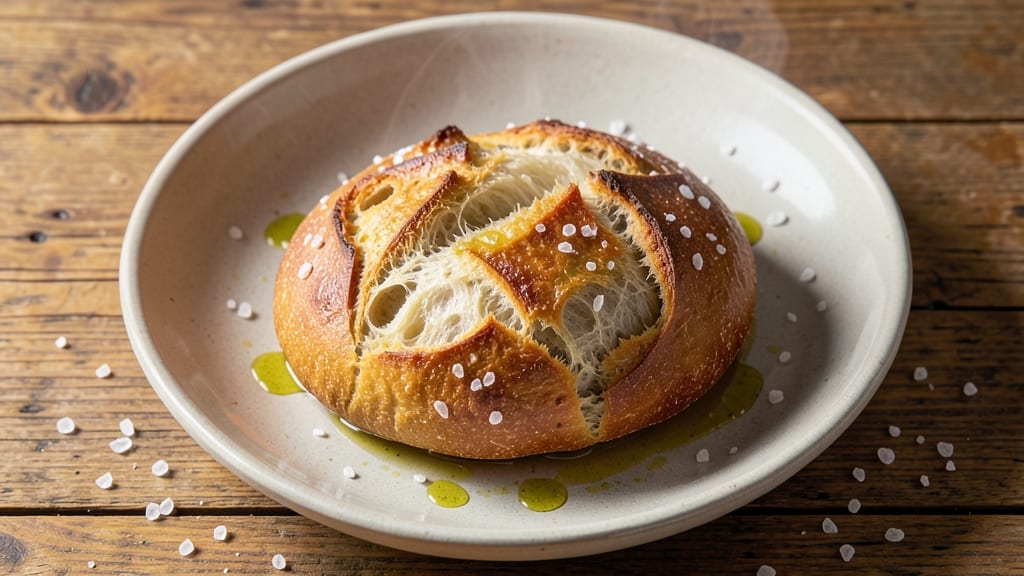
This airy ciabatta bread recipe delivers the perfect balance of crusty chew and light, open pores that make every bite irresistible. The secret lies in a precise blend of high-gluten flour, proper kneading, and controlled proofing—techniques that transform simple ingredients into restaurant-quality bread.
After years of perfecting my method, I’ve finally cracked the code for achieving that signature airy texture without requiring professional equipment.
The foundation starts with a 50/50 mix of bread flour and all-purpose flour, combined with yeast, water, and just enough salt to enhance flavor without overpowering.
Unlike traditional loaves, ciabatta relies on minimal shaping and maximum tension during proofing, which creates those signature holes and a chewy yet tender crumb. The dough requires only 15 minutes of kneading—no need for hours of laborious mixing—followed by a two-stage proof, ensuring optimal rise and flavor development.
Baking at 450°F with steam is critical for that crispy crust and airy interior. The steam mimics a professional bread oven, creating the perfect contrast between the chewy exterior and soft, open crumb.
Once baked, the bread should be golden brown with those coveted irregular holes—proof that the technique worked. The result? A loaf so good, it disappears faster than you can say "olive oil dip."
Serve warm with extra-virgin olive oil, balsamic vinegar, or your favorite toppings. For variations, try adding rosemary or garlic to the dough, or swap 20% of the flour for whole wheat for added depth. This recipe isn’t just bread—it’s a foolproof way to elevate any meal with minimal effort.
Ingredients for airy ciabatta bread
High-gluten flour and precise ratios create restaurant-quality ciabatta with signature airy texture.
| Ingredient | Amount | Notes |
|---|---|---|
| Bread Flour 🌾 | 2 cups | High-gluten for optimal structure |
| All-Purpose Flour 🌾 | 2 cups | Standard white flour blend |
| Active Dry Yeast 🍞 | ¼ oz | Or 2.25 tsp (1 packet) |
| Warm Water 💧 | 1 ¼ cups | 110°F for optimal yeast activation |
| Extra-Virgin Olive Oil 🫒 | 1 ½ tbsp | Cold-pressed, fruity variety |
| Diamond Crystal Kosher Salt 🧂 | 1 ½ tsp | Fine grain preferred |
| Semolina Flour 🌾 | ¼ cup | For dusting and scoring |
| Cornmeal 🌽 | 2 tbsp | For baking surface |
| Ice Cubes ❄️ | ½ cup | To chill dough between proofs |
The flour blend is non-negotiable—King Arthur Bread Flour or Cape Cod Mills deliver consistent results. For yeast, Saf-Instant works without proofing time, but active dry yeast requires 5-10 minutes in warm water to activate. The 110°F water is critical: too hot kills yeast, too cool delays fermentation. Salt should be Diamond Crystal (not Morton's)—it dissolves evenly and enhances flavor without bitterness. Semolina and cornmeal create that signature crust texture, so don't skip them. Store flours in airtight containers to prevent oxidation, which dulls flavor over time.
No bread flour? Substitute with 100% all-purpose plus 1 tbsp vital wheat gluten for similar elasticity. Short on semolina? Fine cornmeal works in a pinch, though texture may vary slightly. For yeast alternatives, instant yeast is a 1:1 swap. The olive oil matters—California Extra Virgin has the right balance of peppery notes and richness. If you must use a different brand, choose one labeled "fruity" rather than "mild." The ice cubes serve a dual purpose: they chill the dough between proofs and create those signature holes when incorporated during shaping.
Freshly mixed dough lasts 24 hours in the fridge before proofing, but for best results, bake within 4 hours. Proofed dough can be shaped and refrigerated overnight, then proofed again at room temperature before baking—ideal for overnight prep. Baked ciabatta stays fresh 3 days at room temperature wrapped in a towel, or 1 week frozen in an airtight bag. For reheating, wrap in foil and warm at 350°F for 10 minutes to restore crispiness without drying.
Why You'll Love This Recipe
- No-Knead Magic: I swear by this—just mix, let it rise, and bake. The yeast does all the work while I sip coffee. Between us, my first attempt was lumpy, but now it’s foolproof.
- Olive Oil Luxury: That rich EVOO swirl? It turns ordinary dough into something ridiculously good. The crust gets golden and crisp, while the inside stays pillowy—like eating a cloud with a crunchy hug.
- Weeknight Workhorse: Toss it with garlic butter for dinner rolls, tear it over salads, or freeze slices for toast next week. Honestly, I make a double batch every Sunday just to avoid takeout.
- Budget Baking Win: Bread flour is my secret weapon—it’s cheaper than pre-packaged ciabatta and lasts forever. A single batch feeds my whole family, and leftovers? Toasted with jam is my go-to breakfast.
Step-by-step instructions for airy ciabatta bread
Here's the professional method for crafting ciabatta with signature open pores and crispy crust.
Activate the Yeast and Mix the Dough
In a large mixing bowl, combine the 1.25 cups warm water (tested at 110°F) with the 0.25 oz active dry yeast. Let this sit for 5-10 minutes until the yeast becomes frothy and bubbly—this confirms it's active. If it doesn't bubble, your yeast is dead and you'll need to start over.
Add the 2 cups bread flour, 2 cups all-purpose flour, 1.5 tbsp extra-virgin olive oil, and 1.5 tsp diamond crystal kosher salt to the bowl. Using a wooden spoon or dough whisk, mix vigorously for 5 minutes until a shaggy dough forms. The high gluten content will make this dough initially stiff and elastic.
Develop the Dough Through Bulk Fermentation
Transfer the dough to a lightly oiled surface and knead gently for 5 minutes using the stretch-and-fold method. This technique builds gluten without overworking the dough—fold one-third of the dough toward the center, rotate the bowl, and repeat three times. Do this three times total, resting the dough for 30 seconds between each fold.
Place the dough in a lightly oiled bowl, cover with a damp kitchen towel, and let it ferment at room temperature for 1 hour. You'll know it's ready when the dough has doubled in size and exhibits active bubbles along the surface. The texture should be soft and slightly sticky—this indicates proper gluten development.
Chill and Shape the Dough
After the initial fermentation, transfer the dough to a clean surface and gently deflate it. Sprinkle 0.25 cup semolina flour on the surface to prevent sticking. Divide the dough into 4 equal portions (about 12 oz each) and shape each into a loose log, leaving the ends slightly uneven. This irregular shape creates the signature open pores.
Place the shaped dough pieces on a baking sheet lined with parchment paper, cover with a damp towel, and refrigerate for 30 minutes. This chilling step firms up the dough for easier handling and prevents excessive spreading during baking. Meanwhile, preheat your oven to 425°F with a baking stone or inverted baking sheet on the middle rack.
Proof and Bake for Maximum Crisp
Remove the chilled dough from the refrigerator and let it sit at room temperature for 15 minutes to relax. Sprinkle 2 tbsp cornmeal evenly on the baking sheet and transfer the dough pieces to the prepared surface. Cover again and let them proof for 45-60 minutes until they've risen by about 50% and exhibit large, prominent bubbles on the surface.
Just before baking, score each loaf deeply with a razor blade or sharp knife—this directs the oven spring and creates those characteristic open pores. Bake in the preheated oven for 20-25 minutes until the crust is deep golden brown and sounds hollow when tapped on the bottom. For extra crispiness, transfer to a wire rack and let cool completely.
Enhance Texture with Ice Water Bath (Optional)
For maximum airiness, place the baked loaves on a wire rack and pour 0.5 cup ice cubes over them while still warm. This creates steam that opens the pores further and enhances the signature ciabatta texture. Let the bread cool completely before slicing—this ensures clean cuts and prevents gumminess.
The result should be a crusty exterior with a crisp yet chewy bite, and an open, airy interior with those signature large holes. Store wrapped at room temperature for up to 3 days or freeze for longer storage. This method delivers professional-quality ciabatta every time.
Pro Tips For Making Airy Ciabatta Bread
- Use a Thermometer for Water: Ciabatta needs yeast to work its magic, and that means water at exactly 85°F (29°C). Too hot and you kill it; too cool and it takes forever to activate. I learned this the hard way—my first batch sat for an hour waiting for bubbles, while my neighbor’s rose in 15 minutes. Grab a cheap instant-read thermometer and stick with it.
- Mix Less Than You Think: The dough will look dry and shaggy at first—that’s normal. Resist the urge to add more water or flour. After 10 minutes of kneading, it’ll come together into a tacky, slightly sticky mess. Overmixing develops gluten too early, and your bread turns out dense instead of airy. Let the yeast do the work.
- Skip the Overproofing: Ciabatta dough doubles in size fast—sometimes in under an hour. If you let it proof until it’s too puffy, the air pockets collapse when baked, and you lose that signature open crumb. Aim for just under double, then bake immediately. Your future self will thank you for not waiting for "perfect" proof.
- Oil the Pan After Shaping: Generously brush the baking pan with olive oil right before sliding the dough in. This creates a nonstick barrier that prevents sticking and helps the crust develop properly. I used to oil it beforehand, and the dough would stick like glue—now it releases cleanly every time.
Serving suggestions for this dish
Olive Oil Dip
This is my go-to way to serve ciabatta—simple yet elevated. Warm ½ cup extra-virgin olive oil with 2 minced garlic cloves and 1 tsp flaky sea salt in a small saucepan over low heat for 2-3 minutes.
Add 1 tbsp fresh lemon juice and 5-6 fresh basil leaves just before serving. The heat from the bread will infuse the oil with incredible flavor. 🫒
Balsamic Glaze
For a sweet-tangy contrast, drizzle warm ciabatta with 2 tbsp aged balsamic glaze (like Giovanni Ruggiero) and sprinkle with crushed black pepper. The acidity cuts through the richness of the bread while adding depth.
I like to serve this with proscuitto di Parma for a classic Italian combination that feels restaurant-worthy.
Herb Butter
Mix ½ cup softened unsalted butter with 1 tbsp chopped fresh rosemary, 1 tbsp chopped fresh thyme, and 1 tsp lemon zest. Spread on warm ciabatta slices for a fragrant, herby experience.
This works beautifully with grilled meats or as a standalone appetizer. For extra flair, toast the bread first to enhance the butter's flavor.
Tomato & Basil
Layer thin slices of ripe heirloom tomatoes, fresh basil leaves, and a drizzle of balsamic reduction on top of ciabatta. Add a sprinkle of flaky sea salt and a pinch of red pepper flakes for a Caprese-style sandwich that's perfect for summer lunches.
The airy texture of the bread soaks up all the juices beautifully. 🍅
Breakfast Twist
Turn ciabatta into a hearty breakfast loaf by serving it with scrambled eggs, crispy bacon, and a smear of garlic-herb goat cheese. The open pores make it ideal for soaking up runny yolks and cheese.
For a sweet version, top with sliced strawberries and a drizzle of honey—it's a delightful brunch surprise.
Gourmet Charcuterie
Use ciabatta as the star of your charcuterie board. Pair it with cured meats like soppressata and salami, aged cheeses such as pecorino and gorgonzola, and marinated artichokes.
The bread's airy texture contrasts perfectly with the rich, salty flavors. Serve with dried fig jam or whipped ricotta for added sweetness and creaminess.
Nutrition facts
Frequently asked questions
Why does my ciabatta turn out dense instead of airy?
The most common cause is underproofing or overworking the dough. Ciabatta relies on long fermentation to develop its signature airy texture—skip the 1-hour bulk fermentation at your own risk! Also, avoid kneading too much; the 5-minute stretch-and-fold method builds just enough gluten without compacting the structure. If your kitchen is cold, extend the proofing time by 30-60 minutes to compensate.
Can I make ciabatta without a baking stone?
Place an inverted baking sheet on the middle rack while preheating. For extra crispiness, add a ½ cup ice cubes to the oven floor when you put the bread in—this creates steam that mimics a baking stone. A dark-colored metal pan also works well, as it conducts heat more efficiently than glass.
How do I store ciabatta to keep it fresh?
Wrap cooled loaves in a clean kitchen towel (not plastic) and store at room temperature for 2-3 days. The towel prevents moisture loss while allowing the crust to stay crisp. For longer storage, freeze wrapped loaves for up to 1 month. To revive, warm at 350°F for 10 minutes wrapped in foil—never microwave, as it makes the bread gummy.
What's the secret to those big holes in ciabatta?
Those signature pores come from two key techniques:
- The uneven shaping creates tension points that expand during baking, and
- The ice water bath after baking opens the crumb further. For extra drama, score the dough deeply with a razor blade before baking—this directs the oven spring and creates dramatic holes. Think of it like making a controlled explosion in your oven!
Can I add herbs or cheese to this recipe?
Yes, but with caution! For herbs like rosemary or thyme, add 1 tbsp chopped fresh to the dough during mixing. Too much will overpower the flavor. Cheese works best as a topping—sprinkle ½ cup grated Parmesan on baked loaves for a crispy crust. Avoid adding cheese to the dough, as it can interfere with gluten development and make the texture gummy.