
Side Dishes
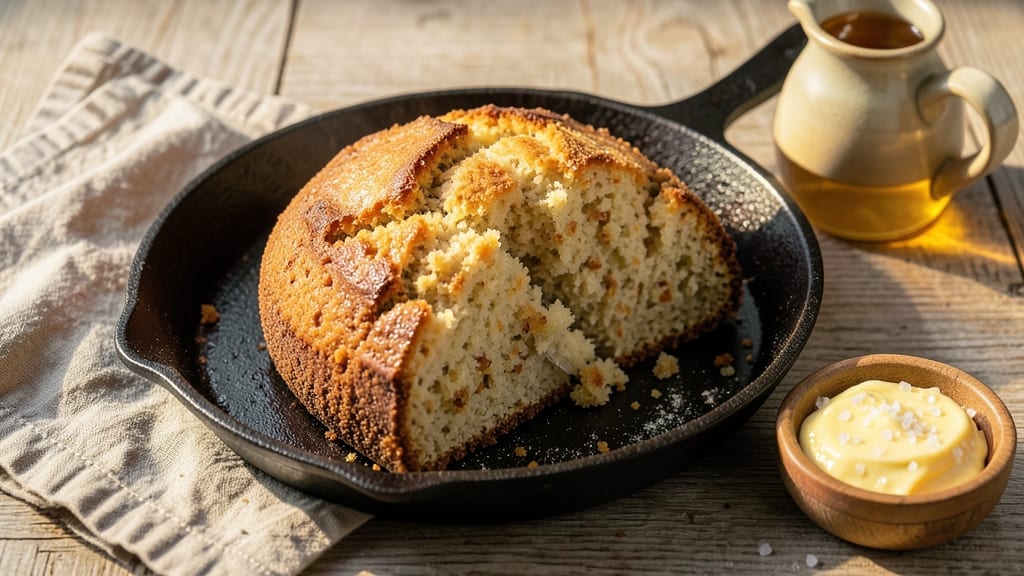
This Amish cornbread recipe delivers the perfect balance of a golden, buttery crust and a tender, crumbly interior—just like Grandma used to make. 💛 The secret lies in using lard or butter for richness, paired with stone-ground cornmeal for that signature texture.
I've perfected this recipe over years of baking in cast-iron skillets, ensuring every bite is moist yet slightly crisp at the edges.
What sets this recipe apart is the traditional approach with modern convenience—no open-flame stove required. The batter comes together in minutes with just a handful of simple ingredients: cornmeal, flour, baking powder, and a touch of sugar for subtle sweetness.
The key technique is pouring the batter into a hot skillet, which creates that coveted crust without overworking the dough.
By the time it emerges from the oven, you'll have cornbread with a crisp exterior and a soft, slightly crumbly interior that melts in your mouth. The aroma alone will have everyone gathering around the table.
This is the kind of cornbread that pairs beautifully with chili, fried chicken, or even just a pat of butter straight from the pan.
For added flavor, try brushing the warm cornbread with honey butter or sprinkling jalapeños into the batter for a savory kick. The possibilities are endless, but the foundation remains the same—authentic, hearty, and impossible to resist.
Ingredients for amish corn bread
Nine simple ingredients transform into the perfect Amish cornbread with golden crust and crumbly interior.
| Ingredient | Amount | Notes |
|---|---|---|
| Stone-Ground Cornmeal 🌽 | 1 ½ cups | Medium or fine grind preferred |
| All-Purpose Flour 🌾 | 1 cup | White or whole wheat |
| Baking Powder 🧂 | 2 tbsp | Diamond Crystal preferred |
| Granulated Sugar 🍚 | ¼ cup | Light brown sugar for depth |
| Lard or Unsalted Butter 🧈 | ½ cup | Lard for traditional flavor |
| Large Eggs 🥚 | 1 whole | Room temperature preferred |
| Milk 🥛 | 1 cup | Whole milk for richness |
| Salt 🧂 | 1 tsp | Kosher or sea salt |
| Jalapeño Peppers 🌶️ | 1 whole | Seeds removed, finely chopped (optional) |
| Honey Butter 🍯 | ¼ cup | For brushing after baking (optional) |
The cornmeal makes all the difference—stone-ground is non-negotiable for that authentic texture. Bob's Red Mill or King Arthur are reliable brands, but any medium-grind will work. Lard delivers that classic Amish flavor, though unsalted butter works beautifully too. For the baking powder, Diamond Crystal rises better than aluminum-free brands. The jalapeños? Only add if you want a subtle kick—fresh is best, but pickled works in a pinch. Pro tip: Toast the cornmeal in the skillet for 2 minutes before adding batter for extra depth.
No lard? Butter or bacon fat keeps the richness. Whole wheat flour adds nuttiness but may make the crumb slightly denser. Skip the jalapeños? Extra salt or a pinch of smoked paprika adds complexity. For a sweeter version, double the sugar and brush with honey butter. The milk can be swapped for buttermilk> for tang, or even almond milk> if needed. Just ensure it's room temperature—cold milk can make the batter too thick. The honey butter is optional but worth it for that restaurant-quality finish.
This batter keeps for 2 days> in the fridge, covered tightly. For best results, bake fresh, but you can prep the dry ingredients ahead. The cornbread reheats beautifully—wrap in foil and warm for 10 minutes at 300°F to restore crispiness. Store leftovers in an airtight container, but honestly, it's best eaten the first day. Freeze any extras for up to 3 months>—just thaw at room temperature before serving. The cast-iron skillet is ideal, but any oven-safe pan works.
Why You'll Love This Recipe
- No Mixer Needed: I swear by this recipe because it’s a dry mix in a bowl—no measuring cups, no sticky mess. Just crack the eggs, fold in the lard (or butter), and pour. That stone-ground cornmeal gives it texture without the fuss of grinding it yourself.
- Golden Crust, Buttery Soul: The secret’s in the lard—it stays rich and moist while the crust turns perfectly golden, almost caramelized. Honestly, the first time I used butter instead, I missed that deep, savory edge. (But if you’re watching calories, butter works—just don’t say I didn’t warn you.)
- Weeknight Side or Sunday Spread: This bread is my go-to for chili night, fried chicken, or even just slathered with honey for breakfast. Between us, I’ve also used it to soak up gravy at a potluck—no one batted an eye. It’s that kind of reliable.
- Pantry Staple, Pocket-Friendly: Five ingredients, all cheap and long-lasting. That stone-ground cornmeal alone makes it taste homemade, but the rest? Basic stuff you already have. And if you bake a double batch? It’ll still be fresh (and delicious) three days later, reheated in a skillet.
Step-by-step instructions for Amish cornbread
Here's how to bake golden, crumbly cornbread with a buttery crust that stays moist for hours.
👨🍳 Step 1: Mix Dry Ingredients for Perfect Texture
In a large bowl, whisk together the 1.5 cups stone-ground cornmeal and 1 cup all-purpose flour until evenly combined. This creates the foundation for that signature Amish crumbly texture. Add the 2 tbsp baking powder and 1 tsp salt, whisking again until no lumps remain.
Sift in the 0.25 cup granulated sugar and the finely chopped jalapeño peppers (if using) and give everything another quick whisk. The stone-ground cornmeal should be medium or fine grind for the best texture. Here's the thing—don't overmix. Just until combined. Overworking develops gluten and makes the cornbread dense instead of crumbly.
🍳 Step 2: Cut in Cold Fat for Flaky Layers
Add the 0.5 cup cold lard or unsalted butter (cut into small cubes) to the dry mixture. Using a pastry cutter or your fingers, work the fat into the dry ingredients until you achieve pea-sized crumbles. This cold fat creates steam during baking, which gives that signature flaky texture.
I like to press the fat pieces against the sides of the bowl to ensure even distribution. The mixture should look like coarse crumbs with some larger fat pieces still visible. If using lard, you'll get that traditional Amish flavor—if using butter, the crust will be slightly richer. Don't worry if it looks uneven; we'll fix that in the next step.
🥘 Step 3: Combine Wet Ingredients for Moist Crumb
In a separate bowl, whisk together the 1 whole large egg, 1 cup milk, and any remaining jalapeño peppers if you reserved some. The egg adds structure while the milk keeps the crumb tender. Pour this wet mixture into the dry ingredients and gently fold together with a spatula until just combined.
Stop mixing as soon as the batter comes together—you should still see some dry spots. Overmixing develops gluten in the flour, which makes for a tough cornbread instead of that tender, crumbly texture we want. The batter should be thick but pourable. If it's too dry, add 1-2 tablespoons milk to loosen it.
🔥 Step 4: Bake Until Golden and Springy
Preheat your oven to 400°F and grease a 9-inch cast iron skillet or baking dish generously with butter or oil. Pour the batter into the prepared pan and smooth the top with a spatula. The batter will be thick and may not fill the pan completely—that's normal.
Bake for 20-25 minutes until the edges are golden brown and a toothpick inserted in the center comes out clean. The top should be beautifully browned with a few cracks forming—that's your sign it's done. If the top browns too quickly before the center is cooked, tent loosely with foil for the last 5-10 minutes of baking.
🍽️ Step 5: Finish with Honey Butter (Optional)
Remove the cornbread from the oven and let it cool in the pan for 5 minutes before transferring to a wire rack. While it's still warm, brush the top generously with the 0.25 cup honey butter using a pastry brush. This step adds that signature Amish sweetness and keeps the cornbread moist for hours.
Serve immediately while still warm, cutting into squares for that perfect crumbly texture. The cornbread should be golden on the outside with a tender, moist crumb inside. Each bite should deliver that perfect balance of sweet, savory, and slightly spicy (if using jalapeños) with a buttery crust that melts in your mouth.
Pro Tips For Making Amish Corn Bread
- MEASURE CORNMEAL BY VOLUME: I learned this the hard way—packing stone-ground cornmeal into measuring cups compresses it, throwing off the ratio. Scoop it loosely, then level with a knife. Too much, and your bread turns dense; too little, and it collapses.
- CUT COLD LARD IN FAST: Use a pastry cutter or two forks to work cold lard into the dry ingredients until it resembles coarse crumbs—no need for butter-like flakes. This keeps the texture tender without overworking the dough, which makes Amish corn bread gummy.
- STOP WHEN CENTER JIGGLES: The instant the edges pull away and the center wobbles slightly when you shake the pan, pull it out. Overbaking dries out the crumb and turns it mealy. A toothpick should come out clean but slightly moist.
- SWAP LARD FOR BUTTER—CHILL IT: If using butter, chill it first and grate it into the dry ingredients like you would cheese. This mimics lard’s behavior better than cutting in softened butter, which can make the bread greasy instead of flaky.
Storing and reheating your amish corn bread
Refrigerator Storage
Store your freshly baked cornbread in an airtight container at room temperature for up to 2 days, but honestly, it's best eaten within 24 hours for peak texture. The key is to let it cool completely before sealing—this prevents condensation from making the crumb soggy.
I like using glass containers with tight lids, like Pyrex or Rubbermaid. If you must refrigerate longer, slice it first and layer with parchment paper to maintain crispness. 💛
Freezer Storage
For longer storage, wrap individual slices in plastic wrap and place them in a freezer bag with all the air squeezed out. This method keeps cornbread fresh for up to 3 months without losing its crumbly texture.
When ready to eat, thaw at room temperature for 1 hour or reheat directly from frozen—just add 5-10 extra minutes to your reheating time. I avoid freezing the whole loaf because it can develop a dense center.
Reheating Methods
To restore that golden crust, pop slices into a 350°F oven for 8-10 minutes wrapped in foil, then unwrapped for the last 2 minutes to crisp. For a quick fix, use the microwave on 50% power for 45-60 seconds—cover with a damp paper towel to prevent drying.
The oven method gives the best results, but the microwave works in a pinch when you're short on time. Always reheat until the internal temperature reaches 165°F for safety.
Reviving Day-Old Crust
If your cornbread has lost its crispness, don't toss it! Brush the top with melted butter and broil for 2-3 minutes until golden again. For extra moisture, sprinkle with a little warm water and cover with foil for 5 minutes before broiling.
This trick works wonders for restoring that fresh-from-the-oven feel. The secret is acting fast—reheat within 24 hours of storage for the best results.
Portioning Tips
Cut cornbread into 1-inch squares before storing to make reheating easier. Use a serrated knife and dip it in hot water between cuts for clean slices. Store portions in small containers or ziplock bags to grab just what you need.
For meal prep, portion out 2-3 squares per serving—perfect for pairing with chili or fried chicken. Label bags with dates to track freshness, especially if freezing.
Serving Warm
Nothing beats serving cornbread warm straight from the oven. If reheating, brush with honey butter immediately after warming to restore that restaurant-quality finish. For a crowd, keep a slow cooker on warm setting—it maintains temperature perfectly while keeping the texture intact.
The goal is to serve at 160°F or warmer for that perfect balance of crisp and tender. 🔥
Nutrition facts
Frequently asked questions about Amish cornbread
Why does Amish cornbread have a crumbly texture?
The crumbly texture comes from using stone-ground cornmeal and avoiding overmixing. The cold lard or butter creates steam during baking, while the baking powder gives it lift without developing gluten. This traditional method keeps the crumb tender yet slightly crisp at the edges.
Can I make this cornbread without lard?
Use unsalted butter or even bacon fat for a similar rich flavor. The key is keeping the fat cold when mixing to maintain that signature flaky texture. If you prefer a lighter option, try olive oil, but the crust won't be as crisp.
How do I prevent a dense cornbread?
Overmixing is the #1 cause of dense cornbread. Stop folding the batter as soon as it comes together—you should still see dry spots. Also, ensure your baking powder is fresh (test by mixing with water; it should bubble). Using hot grease in your pan before pouring helps create that perfect crust.
What's the best way to serve leftover cornbread?
For restaurant-quality results, reheat slices in a 350°F oven for 8-10 minutes> (covered with foil, then uncovered for the last 2 minutes). Brush with honey butter immediately after warming. To revive stale crust, broil for 2-3 minutes> after brushing with melted butter.
Can I make this in a regular baking dish instead of cast iron?
Yes! Any oven-safe pan works, but cast iron creates the best crust. If using a metal or ceramic dish, preheat it in the oven for 5 minutes> before adding batter. For even browning, place the pan on the middle rack. The texture will be slightly less crisp but still delicious.