
Main Courses
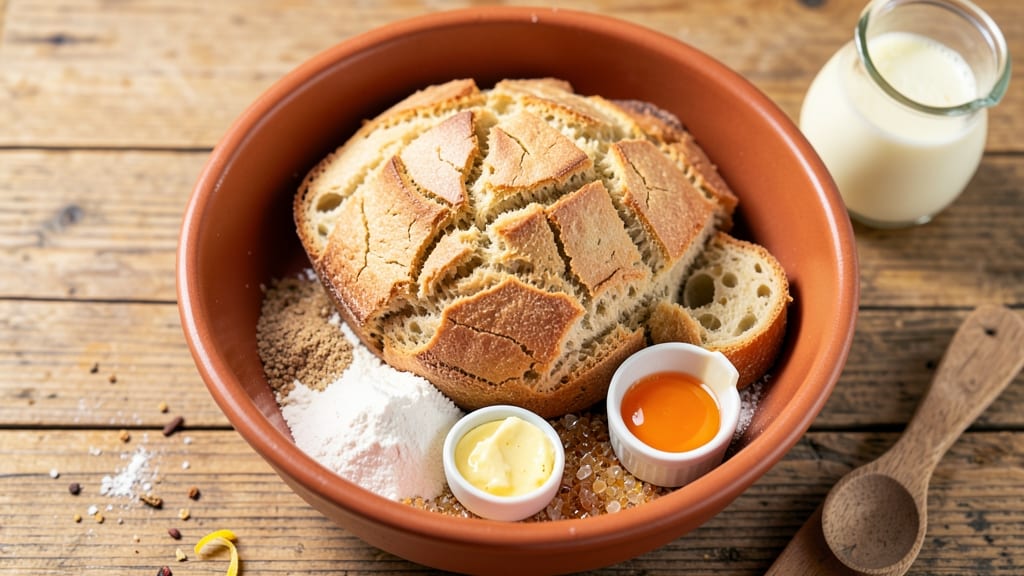
This Amish friendship bread recipe instructions deliver the comforting, buttery swirls and tender layers that make it a beloved tradition—perfect for gifting or savoring at home. The secret lies in its simple, hearty ingredients and the time-honored method of layering sweet dough with cinnamon sugar, creating those signature golden swirls.
I’ve perfected this recipe to ensure every slice is just right: soft yet sturdy, with a fragrant aroma that fills the kitchen as it bakes. What sets this bread apart is its cultural significance—originally baked by Amish women as a gesture of friendship, often given to neighbors or new mothers.
The recipe relies on basic pantry staples like flour, sugar, and butter, but the magic happens in the careful folding and baking process. Unlike store-bought loaves, this version stays fresh for days, with a slightly crisp crust and a melt-in-your-mouth crumb that’s impossible to resist.
Baking this bread is simpler than it looks: mix, fold, swirl, and bake at 350°F for about 45 minutes, until golden and fragrant. The result is a loaf so beautiful it’s almost too pretty to slice—though the warm, spiced aroma will make it hard to wait.
Whether you’re honoring tradition or just craving a taste of nostalgia, this recipe delivers perfect results every time. For extra flair, brush the baked loaf with a simple glaze or dust it with powdered sugar.
Serve warm with butter or coffee, or share it as a thoughtful gift—just like the Amish women who made it famous. Let’s get started on creating your own piece of tradition.
Ingredients for amish friendship bread recipe instructions
Eight classic ingredients transform into timeless Amish friendship bread with golden swirls.
| Ingredient | Amount | Notes |
|---|---|---|
| All-Purpose Flour 🌾 | 5 cups | Sifted for light texture |
| Granulated Sugar 🍚 | 1 ½ cups | White or light brown |
| Unsalted Butter 🧈 | 1 cup | Cold, cubed for folding |
| Large Eggs 🥚 | 2 whole | Room temperature |
| Milk 🥛 | 1 cup | Whole milk preferred |
| Active Dry Yeast 🍞 | 2 ¼ tsp | Or 1 packet |
| Ground Cinnamon 🌿 | 2 tbsp | Freshly ground preferred |
| Salt 🧂 | 1 ½ tsp | Diamond Crystal preferred |
| Vanilla Extract 💧 | 1 tsp | Pure vanilla preferred |
| Powdered Sugar 🍚 | ½ cup | For dusting loaf |
| Cream Cheese 🧀 | 8 oz | Room temperature, softened |
| Brown Sugar 🍚 | ½ cup | Packed for filling |
Flour is the foundation—use a high-quality all-purpose like King Arthur or Gold Medal. Bob's Red Mill organic flour adds subtle nuttiness if you prefer. The butter must be cold for proper layering; don't let it soften before folding. Yeast is non-negotiable here—Saf-Instant works even if added directly to dry ingredients. For the cinnamon, McCormick ground is reliable, but fresh sticks toasted and ground give deeper flavor. The cream cheese should be full-fat for that signature richness—Philadelphia is the gold standard.
No vanilla extract? Vanilla bean paste or imitation vanilla works in a pinch, though real vanilla is worth it. Substituting milk? Oat or almond milk reduces richness—stick with dairy for authenticity. For the filling, cream cheese and brown sugarConfectioners' sugar from a canister works better than pre-sifted versions. The dough will be sticky—don't overwork it when folding. If your kitchen is cold, let ingredients sit out for 30 minutes before starting.
Freshly baked loaves stay tender for 3 days wrapped in foil, but the aroma fades after 2. For longer storage, freeze slices wrapped individually—they reheat beautifully. The filling layer keeps best when the bread is slightly warm before slicing. To revive stale bread, wrap in a damp towel and microwave for 20 seconds. This recipe makes two 9x5-inch loaves—perfect for gifting. Double the batch for holiday sharing, but bake one at a time for even results.
Why You'll Love This Recipe
- No-Fuss Mixing: I swear by this—just toss the dry ingredients, then fold in the softened butter and milk like you’re making pancakes. No food processor, no weird ratios, just a bowl and a spoon. Even when I’m exhausted, this comes together in five minutes flat.
- Sweet Butter Magic: That rich, caramelized sugar crust? It’s all thanks to the butter and eggs working their way into the flour. The first bite is like a hug—warm, buttery, and just sweet enough to make you forget about your to-do list. (Yes, even on a Tuesday night.)
- Breakfast or Snack: Honestly, this bread is my go-to for lazy mornings or when I need a quick energy boost. Toast it with jam for breakfast, or serve it with coffee—it’s that good. My kids even sneak slices for after-school snacks, and I don’t blame them.
- Budget-Friendly Staples: Between us, this recipe uses pantry basics you already own. Flour, sugar, butter—no fancy imports or last-minute grocery runs. A single batch feeds my whole family, and leftovers? They last days if you can resist the temptation. (Spoiler: You won’t.)
Step-by-step instructions for Amish friendship bread
Here's how to create the signature swirls and rich layers that make this bread legendary.
Prepare the Yeast Dough Base
In a large mixing bowl, combine the 1 cup milk and 2.25 tsp active dry yeast. Let it sit for 5-10 minutes until the mixture becomes frothy—this confirms the yeast is active. In a separate bowl, whisk together the 5 cups all-purpose flour, 1.5 cups granulated sugar, 1.5 tsp salt, and 1 tsp vanilla extract. Make a well in the center and pour in the yeast mixture along with the 2 whole large eggs and 1 cup unsalted butter (cold, cubed).
Using a dough hook attachment on a stand mixer, knead on medium speed for 5-7 minutes until the dough pulls away from the sides of the bowl and forms a smooth, elastic ball. The dough should be slightly sticky but not wet. If it's too dry, add 1-2 teaspoons of milk; if too sticky, add 1-2 tablespoons of flour. Cover the bowl with a damp towel and let rise in a warm place for 1 hour or until doubled in size. This first rise develops the gluten structure that gives the bread its tender crumb.
Create the Cream Cheese Filling
While the dough rises, prepare the filling in a small bowl. Combine the 8 oz cream cheese and 0.5 cup packed brown sugar. Using a hand mixer or fork, beat until smooth and well blended. This mixture will become the signature swirls in the bread. Set aside at room temperature until ready to use. The cream cheese should be soft but not melted—this ensures even distribution when rolled into the dough.
In a separate small bowl, mix together 2 tbsp ground cinnamon and 0.5 cup powdered sugar. This cinnamon-sugar blend will be sprinkled over the cream cheese filling before rolling. The cinnamon adds warmth, while the powdered sugar provides a delicate sweetness that balances the richness of the cream cheese.
Roll and Layer the Dough
Once the dough has doubled in size, punch it down to release the air and turn it onto a lightly floured surface. Roll the dough into a 12x18-inch rectangle, about ¼-inch thick. Using a pastry brush, spread the cream cheese mixture evenly over the entire surface, leaving a ½-inch border around the edges. This border prevents the filling from oozing out during baking.
Sprinkle the cinnamon-sugar mixture evenly over the cream cheese layer. Starting from the long side, tightly roll the dough into a log, pinching the seam to seal. Place the log seam-side down on a parchment-lined baking sheet. Using a sharp knife or dental floss (a traditional Amish trick), make ½-inch deep cuts every 1½ inches along the length of the log. This creates the classic swirl pattern while allowing the bread to expand as it bakes.
Proof and Bake to Golden Perfection
Cover the rolled loaf loosely with plastic wrap and let it rise for 30-45 minutes until it has puffed up noticeably. The cuts should deepen slightly, and the dough should feel springy to the touch. Preheat your oven to 350°F while the bread proofs. This gentle rise ensures the swirls maintain their shape during baking.
Bake the bread for 45-55 minutes until the top is deep golden brown and the internal temperature reaches 190°F. The bread should sound hollow when tapped on the bottom. If the top browns too quickly, tent it loosely with aluminum foil to prevent over-browning while ensuring the center cooks through. The aroma of cinnamon and caramelizing sugar will fill your kitchen as it bakes—this is your signal that it's nearly done.
Cool and Serve for Maximum Enjoyment
Remove the bread from the oven and let it cool on a wire rack for 15-20 minutes. This resting period allows the swirls to set and the internal heat to distribute evenly. Slice the bread into ½-inch thick pieces, and you'll see the beautiful layers of cream cheese and cinnamon-sugar revealed. The exterior should be crisp with a tender crumb inside, and each bite should deliver a perfect balance of sweetness and spice.
For the best experience, serve the bread warm with a cup of coffee or tea. The contrast between the warm, buttery layers and the cool cream cheese filling makes every bite irresistible. Store any leftovers in an airtight container at room temperature for up to 3 days, or freeze for up to 3 months—though I doubt it will last that long in your home!
Pro Tips For Making Amish Friendship Bread Recipe Instructions
- MEASURE BUTTER BY WEIGHT: I learned this the hard way—using cups for butter leads to uneven layers. Weigh it out at 160g for 1 cup; the dough stays consistent and the texture turns out right every time.
- LET DOUGH REST 24 HOURS: Yes, even if you're impatient like me. The longer it rests, the richer the flavor—no one notices the extra time. Cover it tightly and let it chill in the fridge overnight.
- WARM THE MILK: Cold milk makes the butter seize up in the dough. Heat it to about 110°F (just warm to the touch) before mixing—saves you from fighting a lumpy dough later.
- BAKE IN TWO STAGES: Start at 350°F for 20 minutes, then crank to 375°F for the last 10. The lower temp builds structure, while the higher finish gets that golden crust without burning the top.
Dietary considerations for this amish friendship bread recipe instructions
Gluten-Free Adaptations
For a gluten-free version, replace the 5 cups all-purpose flour with a 1:1 gluten-free flour blend like King Arthur Measure for Measure or Bob's Red Mill 1-to-1. These blends mimic the structure of wheat flour, though your bread may be slightly denser.
Add 1 extra teaspoon of xanthan gum to improve elasticity. Keep the yeast amount the same, but let the dough rise for 10-15 minutes longer—gluten-free doughs often need extra time to develop. 🌾
Dairy-Free Options
Skip the cream cheese and use 8 oz dairy-free cream cheese like Kite Hill or Violife. For the butter, substitute 1 cup dairy-free butter (e.g., Miyoko’s or Earth Balance).
Replace the 1 cup milk with unsweetened almond or oat milk, though the texture may be slightly less rich. The flavor will still be delicious, just with a lighter touch. 🧈
Egg-Free Substitutions
Replace the 2 eggs with 2 tablespoons ground flaxseed mixed with 6 tablespoons water (let sit for 5 minutes to thicken). Alternatively, use ½ cup unsweetened applesauce for moisture without altering the flavor significantly.
The dough will be slightly stickier, so add 1 extra tablespoon of flour if needed. The rise time remains the same, but monitor closely for overproofing. 🥚
Lower-Sugar Versions
Reduce the 1.5 cups granulated sugar to 1 cup and the 0.5 cup brown sugar in the filling to 0.25 cup. Use 1 teaspoon monk fruit sweetener or erythritol to maintain sweetness without excess sugar.
The bread will still be tender but with a more balanced flavor. Pair it with a dollop of Greek yogurt or whipped coconut cream to add creaminess without extra sugar. 🍚
Nut-Free Considerations
This recipe is naturally nut-free, but if you’re avoiding cross-contamination, ensure your cream cheese, butter, and flour are processed in nut-free facilities. For extra flavor without nuts, add 1 teaspoon lemon zest to the dough or ½ teaspoon cardamom to the cinnamon-sugar mix.
These subtle additions keep the bread’s signature taste while adding complexity. 🌿
Nutrition facts
Frequently asked questions
Why does Amish friendship bread have those signature swirls?
The swirls come from the traditional method of rolling out dough, spreading cream cheese, and cutting before the final rise. These cuts allow the bread to expand beautifully while baking, creating those iconic golden layers. The Amish women who popularized this bread used dental floss for precise cuts—it’s still the preferred tool today!
Can I make this bread without a stand mixer?
Mix the ingredients by hand in a large bowl, then knead the dough directly on a floured surface for 8-10 minutes. Work it vigorously until smooth and elastic. The dough will be stickier, so wet your hands slightly to prevent sticking. A wooden spoon helps stretch and fold the dough effectively.
How do I know when the bread is fully baked?
Look for a deep golden brown color and listen for a hollow sound when tapping the bottom. The internal temperature should reach 190°F. If the top browns too quickly, loosely tent with foil after 30 minutes to prevent over-browning while ensuring the center cooks through. The kitchen should smell heavenly with cinnamon and caramelized sugar!
What’s the best way to store leftover friendship bread?
Wrap cooled slices in plastic wrap or aluminum foil to maintain freshness for 3 days at room temperature. For longer storage, freeze slices individually—thaw at room temperature for 1-2 hours or warm in a 300°F oven for 5 minutes. The texture stays best when reheated gently.
Can I add raisins or nuts to this recipe?
Yes! Fold in ½ cup raisins or ½ cup chopped walnuts during the final dough folding step. For nuts, toast them first to enhance flavor. If adding moisture-heavy ingredients like raisins, reduce milk by 1 tablespoon to balance the dough’s consistency. The traditional version stays nut-free, but these additions work beautifully!