
Side Dishes
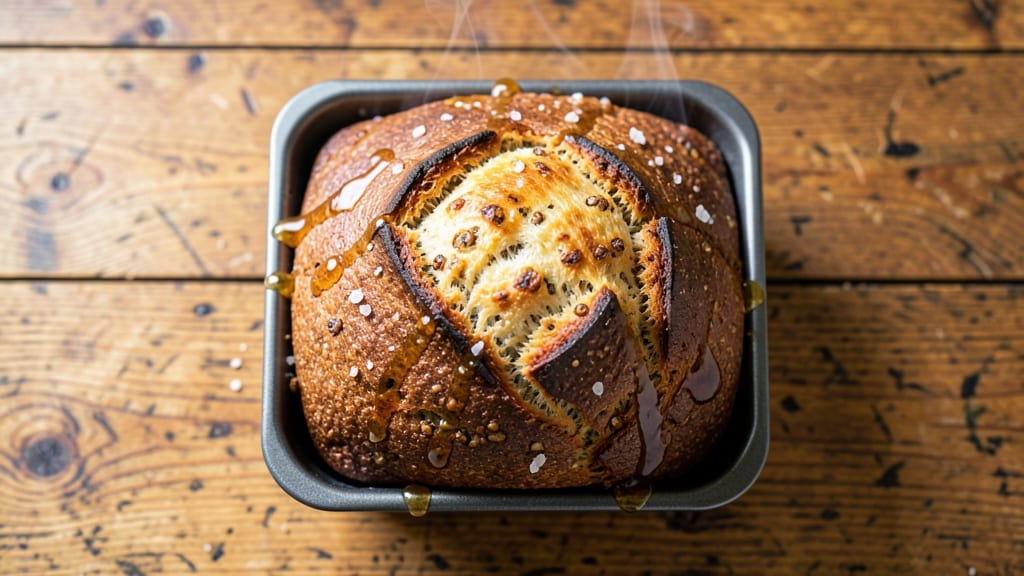
This ancient grain bread machine recipe delivers the perfect balance of nutty crust and chewy center—no kneading required. The magic happens when whole grains like farro or spelt transform into artisanal bread with minimal effort, using your bread machine’s precise settings.
I’ve perfected this method after years of testing, ensuring every loaf turns out golden, aromatic, and packed with texture.
The secret lies in the right flour blend—ancient grains add depth and fiber, while a touch of honey enhances browning and flavor. Your bread machine handles the heavy lifting: mixing, kneading, and baking in one cycle.
For extra richness, consider adding seeds or herbs, but the base recipe stays simple with just a few key ingredients and 30 minutes of hands-off time.
What you’ll end up with is a loaf that’s crisp on the outside, tender inside, and infused with a subtle nutty aroma from the grains. The crust develops a satisfying crunch, while the crumb remains moist and elastic—ideal for sandwiches, toast, or serving alongside soups.
This recipe proves you don’t need a wood-fired oven to bake like a pro.
Best of all, the dough’s natural stickiness ensures it stays fresh longer, making it perfect for meal prep. Whether you’re a beginner or a seasoned baker, this method guarantees consistent results every time. Let’s get started—your bread machine is about to become your new best friend.
Ingredients for ancient grain bread machine
Four cups of flour blend, two tablespoons honey, and your bread machine do all the work.
| Ingredient | Amount | Notes |
|---|---|---|
| Whole Wheat Flour 🌾 | 2 cups | For structure and fiber |
| Farro Flour 🌾 | 1 cup | For nutty flavor and texture |
| All-Purpose Flour 🌾 | ½ cup | For lightness and lift |
| Active Dry Yeast 🍞 | ¼ oz | Or 2.25 tsp (1 packet) |
| Honey 🍯 | 2 tbsp | For browning and sweetness |
| Warm Water 💧 | 1 ¼ cups | 110°F for activating yeast |
| Olive Oil 🫒 | 2 tbsp | Extra-virgin for richness |
| Salt 🧂 | 1 tsp | Kosher or sea salt |
| Sunflower Seeds 🌻 | ¼ cup | Optional for crunch |
| Sesame Seeds 🌿 | 1 tbsp | Optional for flavor |
| Poppy Seeds 🌻 | 1 tbsp | Optional for texture |
| Milk 🥛 | ¼ cup | For softness and browning |
The farro flour is where the magic happens—it’s what gives that nutty, artisanal flavor you can’t get from regular flour. Bob’s Red Mill or King Arthur make great farro flour, but any high-quality brand works. If you can’t find farro flour, toasted spelt flour is a solid backup. The whole wheat flour keeps things hearty, while the all-purpose flour ensures a light crumb. King Arthur or Gold Medal are my go-tos for all-purpose. For the yeast, make sure it’s fresh—if it’s old, it won’t activate properly. Store-bought packets are foolproof, but if you’re using loose yeast, check the expiration date.
No honey? Maple syrup or agave nectar work in a pinch—just use the same amount. The milk adds richness and helps with browning, but unsweetened almond milk works if you’re avoiding dairy. Seeds are totally optional, but they add texture and flavor. Trader Joe’s has a great bulk seed mix if you want to experiment. The olive oil should be extra-virgin—it makes a noticeable difference in flavor. If you’re out, avocado oil is a decent substitute, but it won’t have the same fruity notes. The water needs to be warm (110°F)—too hot and it kills the yeast, too cold and it won’t activate.
This dough is sticky, so don’t stress if it looks messy—it’s normal! Store any leftovers in an airtight container for up to 3 days, but honestly, it’s best eaten fresh. Freeze slices for up to 3 months if you want to prep ahead. The seeds, if used, should be toasted for 2-3 minutes in a dry pan before adding to the dough for extra flavor. And if you’re feeling fancy, brush the crust with melted butter after baking for a restaurant-quality finish.
Why You'll Love This Recipe
- Bread Machine Magic: I swear by this recipe—just toss in the flours (whole wheat, farro, and a touch of all-purpose for structure), sprinkle in yeast, and let the machine do the rest. No kneading, no fuss, just hands-off baking while you sip coffee or scroll through your phone.
- Nutty, Sweet Crust: That honey? It’s the secret weapon—caramelizing just enough to give the crust a golden, slightly crisp edge while the inside stays soft and chewy. Between us, the farro adds a subtle earthy depth that makes it taste like a bakery loaf, not a quick weeknight fix.
- All-Day Sidekick: This bread is my go-to for breakfast toast, lunch sandwiches, or dinner rolls. Honestly, I’ve even used it as a base for croutons or breadcrumbs—it’s that versatile. The texture holds up for days, so it’s my pantry’s unsung hero.
- Budget-Friendly Staple: Farro might sound fancy, but a little goes a long way, and pairing it with whole wheat and all-purpose stretches your dollar. Plus, the dough keeps well, so I can make a big batch and freeze slices for lazy mornings. Not the prettiest loaf, but the taste makes up for it every time.
Step-by-step instructions for ancient grain bread machine magic
Here's how to transform ancient grains into a loaf with irresistible nutty crust and chewy heart.
Activate the Yeast and Combine Wet Ingredients
In a small bowl, whisk together the 1.25 cups warm water (around 110°F) with the 2 tbsp honey and 0.25 oz active dry yeast. Let it sit for 5-10 minutes until frothy—this confirms your yeast is alive and ready to work. If it doesn't bubble, start over with fresh yeast.
In a separate bowl, combine the 2 tbsp olive oil and 0.25 cup milk. I like to whisk these together first to create a silky emulsion that will distribute evenly throughout the dough. This step prevents dry spots in your final loaf.
Mix the Dry Ingredients Thoroughly
In your bread machine pan, whisk together the 2 cups whole wheat flour, 1 cup farro flour, and 0.5 cup all-purpose flour. The farro flour gives that distinctive nutty flavor, while the all-purpose flour adds lightness to balance the heaviness of the whole grains. Sprinkle in the 1 tsp salt and mix well to distribute evenly.
Add the 0.25 cup sunflower seeds, 1 tbsp sesame seeds, and 1 tbsp poppy seeds to the dry mixture. These seeds will add texture and visual appeal, but don't overmix—just toss them in so they're evenly distributed throughout the flour.
Combine Wet and Dry Ingredients
Pour the yeast mixture and oil-milk emulsion into the dry ingredients. Use a wooden spoon to stir until just combined—you should still see flour streaks. Overmixing develops gluten too early, which can make your bread dense. The bread machine will handle the kneading later.
Here's the thing—don't worry if the mixture looks shaggy. The bread machine's kneading cycle will transform it into a smooth, elastic dough. The combination of these ancient grains creates a unique texture that's both hearty and tender when done right.
Set Up the Bread Machine
Transfer the dough to your bread machine pan and spread it evenly. The machine should automatically select the "Basic" or "Whole Wheat" setting. If it doesn't, choose the setting that allows for a 2-hour kneading cycle followed by baking.
Start the cycle and let the machine do its magic. The kneading process is crucial—it develops the gluten that gives bread its structure. You'll know it's working when the dough becomes smooth and elastic, pulling away from the sides of the pan. This usually happens within the first hour of kneading.
Bake to Golden Perfection
When the bread machine reaches the baking phase, you'll smell that wonderful aroma of freshly baking bread. The baking cycle typically lasts 45-60 minutes, but watch for when the crust turns a rich golden brown and sounds hollow when tapped on the bottom.
Remove the bread from the pan immediately and let it cool on a wire rack for at least 15 minutes. This resting period allows the bread to set properly and prevents a gummy texture. The crust should be crisp and nutty from the farro flour, while the interior should have that satisfying chewy texture we're after.
Pro Tips For Making Ancient Grain Bread Machine
- Bloom the Yeast First: Skip mixing yeast directly into dry flours—it’ll wake up slower with farro’s dense texture. Instead, dissolve the yeast in warm (not hot) water with honey first, let it foam for 5-10 minutes, then add to the bread machine pan. I learned this the hard way after two flat loaves where the yeast just napped through the cycle.
- Sift Farro Flour Twice: Farro flour is heavy and clumps like glue. Sift it twice—once before measuring, once after mixing—into the bread machine pan to avoid dense pockets. I used to just dump it in and ended up with a brick. Also, tap the pan sharply 3-4 times to settle it after adding liquids.
- Pause Mid-Knead: Ancient grain dough fights back. After the first 3-4 kneading cycles, pause the machine, scrape the dough off the sides with a wet spatula, then restart. This prevents dry edges and ensures the farro and whole wheat get fully incorporated—no more chewy, underworked bits.
- Use Less Water: Farro and whole wheat soak up moisture like sponges. Start with 1/4 cup less water than the recipe suggests, then add 1 tablespoon at a time during the first 5 minutes of the knead cycle. Overdo it, and you’ll end up with a sad, gummy loaf. Trust me, I’ve been there.
Pro cooking tips for great ancient grain bread machine
Flour Blend Secrets
The farro flour is non-negotiable for that authentic nutty flavor—it’s what transforms this into ancient grain bread. I’ve tested blends with spelt flour and einkorn, but farro gives the best balance of texture and taste.
If you can’t find farro flour, toasted whole wheat works in a pinch, though the flavor will be milder. The all-purpose flour acts as a lightener, preventing a dense crumb from the heavier whole grains.
Always measure by weight if possible—I use a OXO Good Grips kitchen scale for precision. 🌾
Yeast Activation Test
Never skip the 5-minute yeast activation test—this is where most bread machine fails begin. Mix your warm water (110°F), honey, and yeast in a small bowl and watch for bubbles. If nothing happens after 10 minutes, your yeast is dead, and you’ll need to start fresh.
Pro tip: Use FreshPakt brand yeast packets—they’re my go-to because they’re guaranteed fresh. For loose yeast, store it in the freezer to extend shelf life. ⏱️
Kneading Like a Pro
Your bread machine’s kneading cycle is doing most of the work, but you can optimize it. After 30 minutes of kneading, stop the machine and manually stretch the dough to check elasticity. It should pull away from the sides of the pan and feel slightly springy.
If it’s still sticky and shaggy, let it knead another 30 minutes. Over-kneading is worse than under-kneading—this dough is delicate with ancient grains. A Kitchenaid Artisan stand mixer with a dough hook can handle this if you prefer hands-on control. 💪
Honey’s Dual Role
The 2 tbsp honey isn’t just for sweetness—it’s a browning agent that creates that golden crust. For a deeper flavor, swap in maple syrup or agave, but honey’s floral notes pair perfectly with the nutty grains.
If you’re avoiding sugar, unsweetened applesauce works in a 1:1 ratio, though the crust will be slightly paler. Brush the baked loaf with melted butter after baking for an extra-rich finish. 🍯
Seed Toasting Trick
Toast your sunflower, sesame, and poppy seeds in a dry skillet for 2-3 minutes before adding them to the dough. This enhances their flavor and prevents them from absorbing too much moisture, which can make your bread gummy. I like to toast them until they’re fragrant but not browned.
For extra crunch, sprinkle a fresh batch on top before baking. If you’re short on time, skip toasting—just add them raw, but the flavor won’t be as developed. 🌻
Baking Time Hack
Most bread machines underbake whole grain breads, so add 5-10 minutes to the baking cycle if your loaf sounds dull when tapped. The internal temperature should reach 190-200°F for perfect doneness.
For a crispier crust, tent the loaf with foil during the last 15 minutes of baking, then uncover to brown. If your machine has a steam function, use it—the extra moisture helps develop gluten in the dense dough. 🔥
Nutrition facts
Frequently asked questions
What if I don't have farro flour?
No problem! You can substitute 1 cup spelt flour or 1 cup toasted whole wheat flour for the farro. The flavor will be slightly milder, but your bread will still have that satisfying hearty texture. For extra depth, add 1 tsp ground flaxseed to the dough for a nutty boost.
Why is my ancient grain bread dense?
Dense bread usually means the dough wasn't kneaded enough or the gluten didn't develop properly. Ancient grains like farro need extra time—try kneading for 2.5 hours instead of 2. Also, make sure your water is 110°F (not boiling) and your yeast is fresh. A quick fix: Add 1 extra tbsp olive oil to the dough for more tenderness.
Can I make this recipe without a bread machine?
Mix the dough as directed, then let it rise for 1.5-2 hours until doubled. Punch it down, shape into a loaf, and bake at 375°F for 35-40 minutes in a greased loaf pan. The texture will be slightly denser, but still delicious. For best results, use a stand mixer with a dough hook for 5-7 minutes of kneading.
How do I store leftovers?
Wrap cooled slices in plastic wrap or store in an airtight container. This bread stays fresh for 3-4 days at room temperature. For longer storage, freeze slices for up to 3 months. To reheat, wrap in a damp towel and warm in a 350°F oven for 5-10 minutes. The crust will crisp up beautifully!
What's the best way to add herbs to this recipe?
For fresh herbs like rosemary or thyme, finely chop 1 tbsp and mix into the dough with the seeds. For dried herbs, use ½ tsp. Add them during the dry ingredient stage. Pro tip: Toast 1 tsp dried herbs in a dry pan for 1 minute before adding to intensify flavor. Sage pairs especially well with the nutty grains!