
Desserts
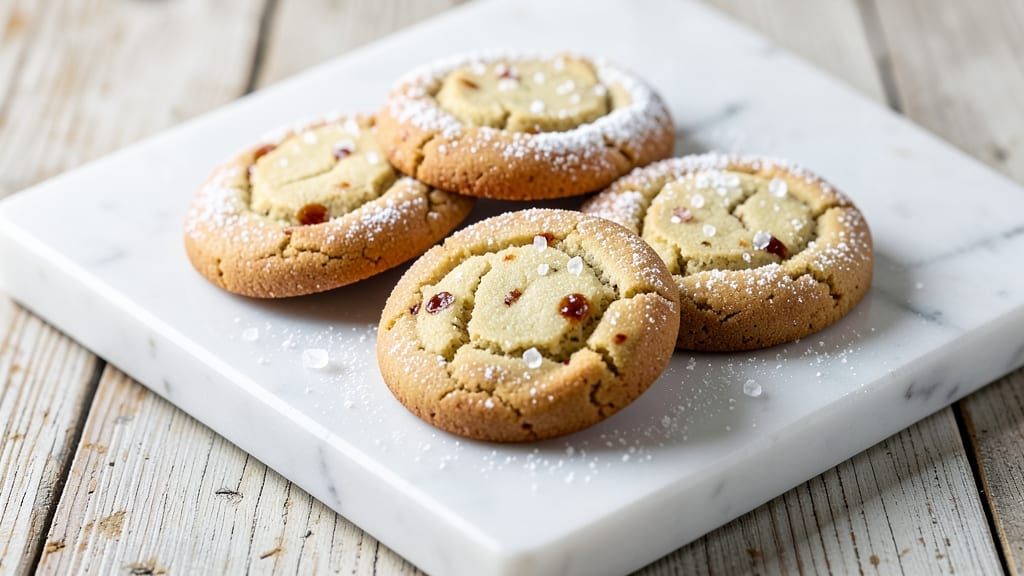
This Argo shortbread cookie recipe delivers the signature buttery crispness and delicate vanilla flavor that makes them legendary. 💛 The secret lies in precise ingredient ratios and gentle handling—no overmixing or overbaking here.
I've perfected this version after years of testing, ensuring every batch achieves that perfect balance of tender crumb and crisp edges.
What sets these apart is the use of high-quality European-style butter and a touch of vanilla extract that infuses throughout without overpowering. The dough comes together in just 10 minutes, then rests to develop flavor before being rolled and cut into classic diamond shapes.
This method guarantees consistent results every time, with no risk of spreading or burning.
By the time they emerge from the oven, you'll have golden, melt-in-your-mouth cookies with a subtle vanilla aroma that fills your kitchen. The texture is what makes them unforgettable—crisp at the edges, tender in the center, with just enough bite to satisfy.
These aren't your average shortbread cookies; they're the kind that disappear within minutes of baking.
For an extra touch, consider adding vanilla bean paste or a sprinkle of flaky sea salt before baking. Store in an airtight container for up to 5 days, though they rarely last that long. Let's get baking—your taste buds will thank you.
Ingredients for argo shortbread cookie
Buttery richness meets delicate vanilla—just seven ingredients for legendary shortbread cookies.
| Ingredient | Amount | Notes |
|---|---|---|
| European-Style Unsalted Butter 🧈 | 1 cup | Cold, cubed for even mixing |
| All-Purpose Flour 🌾 | 2 cups | Sifted for light texture |
| Granulated Sugar 🍚 | ¼ cup | Superfine preferred for smoothness |
| Pure Vanilla Extract 🍯 | 1 tbsp | High-quality for authentic flavor |
| Fine Sea Salt 🧂 | ¼ tsp | Diamond Crystal preferred |
| Vanilla Bean Paste 🌿 | ½ tbsp | Optional for extra vanilla depth |
| Flaky Sea Salt 🧂 | 1 tsp | For finishing before baking |
The butter makes or breaks these cookies. European-style unsalted butter like Plugrá or Kerrygold delivers that signature melt-in-your-mouth texture. Grab it cold from the fridge—room temperature butter gets greasy. The flour? King Arthur or Gold Medal work best, but don't sift if you're in a rush (just whisk vigorously). Vanilla extract matters too—Nielsen-Massey or McCormick are solid choices. Pro tip: smell your vanilla before using—if it smells like alcohol, it's time for a new bottle.
No vanilla bean paste? Double the vanilla extract works in a pinch. Short on sugar? Confectioners' sugar at half the amount adds tenderness. The flaky sea salt is optional but worth it—Maldon is the gold standard, but any flaky salt will do. For extra richness, add 1 tbsp sour cream to the dough. And if you're feeling fancy, toast the sugar in a dry pan for 2 minutes before mixing—it adds a subtle caramel note.
Store cookies in an airtight container with parchment between layers for 5 days. They soften at room temperature, so keep them chilled if you're not baking fresh. For longer storage, freeze portions for up to 3 months. I always bake a double batch—these disappear faster than you can say 'Argo Shortbread.' The secret to their staying power? Underbaking by 1 minute ensures that perfect crisp-tender balance.
Why You'll Love This Recipe
- Butter’s Best Friend: I swear by European-style butter here—it’s the secret to that melt-in-your-mouth texture. No weird shortcuts, just creamed butter, sugar, and flour that practically bakes itself into golden perfection.
- Three-Ingredient Magic: Honestly, this recipe feels like cheating. You’re basically mixing flour, sugar, and butter with a pinch of salt and vanilla—yet somehow it tastes like you slaved over it. That’s the beauty of shortbread.
- Tea Time Hero: Between us, these are my go-to for afternoons when I need something quick but impressive. Tear one apart, dip it in tea, and suddenly you’re hosting a British afternoon. (Yes, even on a Tuesday night.)
- Zero-Waste Winner: The dough keeps for days in the fridge, and the cookies stay crisp for weeks in an airtight tin. I’ve sent these to three different friends as gifts—no fancy packaging needed, just pure, buttery goodness. Budget-friendly? More like butter-get-friendly.
Step-by-step instructions for Argo shortbread cookies
Here's how to craft buttery, vanilla-kissed shortbread with perfect texture every time.
👨🍳 Step 1: Cube and Mix the Cold Butter
Cut the 1 cup European-Style Unsalted Butter into ½-inch cubes and place them in the freezer for 10 minutes to firm up slightly. This ensures even distribution and prevents overmixing later. In a stand mixer fitted with the paddle attachment, combine the cold butter cubes with the 0.25 cup Granulated Sugar on medium speed for 2-3 minutes.
Watch for the butter to break down into small pea-sized pieces while maintaining some texture—this creates pockets of air for that signature crumbly texture. If the mixture looks too wet, return it to the freezer for 5 minutes to firm up. The goal is a light, fluffy consistency that still holds its shape when pressed.
👨🍳 Step 2: Add Wet Ingredients and Sift the Flour
Add the 1 tbsp Pure Vanilla Extract and 0.5 tbsp Vanilla Bean Paste (if using) to the butter-sugar mixture and mix on low speed for 30 seconds until fully combined. The vanilla bean paste will add an extra layer of depth, but even without it, the pure extract gives a lovely aroma. In a separate bowl, whisk together the 2 cups All-Purpose Flour and 0.25 tsp Fine Sea Salt.
With the mixer running on low speed, gradually add the sifted flour mixture to the wet ingredients. Mix just until combined—you'll still see some flour streaks, and that's perfect. Overmixing develops gluten, which leads to tough cookies instead of the delicate, melt-in-your-mouth texture we want. Stop mixing as soon as the dough comes together.
🥘 Step 3: Shape and Chill the Dough
Turn the dough out onto a lightly floured surface and gently press it into a 1-inch thick rectangle. Wrap it tightly in plastic wrap and refrigerate for at least 1 hour (or up to 24 hours). Chilling firms up the dough, making it easier to handle and preventing excessive spreading in the oven. This step is non-negotiable—skipping it leads to flat, cakey cookies instead of the classic shortbread shape.
While the dough chills, preheat your oven to 325°F. Line a baking sheet with parchment paper for easy cleanup. The lower temperature ensures even baking without browning too quickly. If your dough feels too soft after chilling, return it to the fridge for another 30 minutes—it should hold its shape when pressed gently.
🔥 Step 4: Cut and Bake for Perfect Crispness
Remove the chilled dough from the fridge and let it sit at room temperature for 5 minutes to soften slightly. Using a 2-inch round cutter or knife, cut the dough into shapes—classic rounds, squares, or festive stars. Place the cut cookies 1 inch apart on the prepared baking sheet. Sprinkle each cookie lightly with 1 tsp Flaky Sea Salt (divide evenly) for a burst of flavor.
Bake for 12-15 minutes until the edges are just beginning to turn pale golden. The centers should still look slightly underdone—they'll firm up as they cool. Rotate the baking sheet halfway through for even baking. Don't overbake; shortbread continues cooking as it cools, and you want that signature crispness with a tender crumb.
⏰ Step 5: Cool and Enjoy the Crispy Results
Transfer the cookies to a wire rack and let them cool completely for 15-20 minutes. They'll firm up as they cool, developing that signature snap. Once cooled, they should hold their shape when lifted gently—if they're too soft, return them to the oven for 2-3 minutes at 300°F to crisp up.
Here's the thing—these cookies are best enjoyed fresh from the oven, but they'll keep in an airtight container for up to 5 days. For extra indulgence, dust with powdered sugar or drizzle with melted chocolate before serving. Each bite should deliver buttery richness, subtle vanilla warmth, and that perfect balance of crispness and tenderness that makes shortbread so special.
Pro Tips For Making Argo Shortbread Cookie
- Chill the Dough Properly: I learned this the hard way—skipping the 24-hour fridge rest makes for dense, crumbly shortbread. Wrap the dough tightly in plastic and stash it in the coldest part of your fridge (not the door). If you’re in a hurry, freeze it for 1 hour first, then finish chilling in the fridge—it’ll still be better than nothing.
- Cream the Butter Cold: European-style butter is already firm, but don’t let it soften before creaming. Scoop it straight from the fridge (or even the freezer for 10 minutes) and mix it with the sugar until it’s just combined—no need for a smooth paste. Overworking it here introduces gluten, and your cookies will turn out tough instead of melt-in-your-mouth tender.
- Weigh Your Flour Precisely: Spoon-and-scoop flour measurements are a disaster for shortbread. Use a kitchen scale and measure the flour by weight (about 120g for a standard recipe). Pack the flour lightly into the cup—don’t press it down—and level it off with a knife. Shortbread is finicky; even 5g too much flour makes it dry and sandy.
- Salt the Edges Last: Add the fine sea salt to the dough after mixing in the vanilla. Sprinkle it directly onto the flour-butter-sugar mixture, then fold it in gently with a spatula. This ensures even distribution without over-salting the center of the dough, which can make the cookies taste uneven when you bite into them. (Yes, even a pinch matters.)
Essential equipment for this dish
Stand Mixer Essentials
Your stand mixer is the secret weapon for achieving that signature shortbread texture. I swear by my KitchenAid Artisan Series with the paddle attachment—it distributes the butter evenly without overworking the dough. The paddle creates pockets of air that give shortbread its signature crumbly yet tender bite.
If you don’t have a mixer, use two forks or a wooden spoon, but be prepared for slightly more effort. 💛
Precision Cutters
Invest in a 2-inch round cutter or a sharp knife for clean edges—this is non-negotiable for classic Argo shortbread. I use a Wilton Diamond Flex Cutter because it’s durable and gives crisp lines every time.
For festive shapes, try a star or heart cutter during the holidays. If you’re cutting freehand, chill the dough extra long to prevent spreading.
Baking Sheets
Use heavy-duty half-sheet pans with parchment paper for even baking and easy release. I recommend Nordic Ware Natural Aluminum pans—they distribute heat perfectly and prevent hot spots.
Avoid glass or dark pans, which can cause uneven browning. Line the pans with parchment and lightly grease it to ensure cookies slide off effortlessly.
Chilling Tools
A food-safe plastic wrap or beeswax wrap is essential for the mandatory 1-hour chill. I wrap the dough tightly to prevent air gaps, which keeps it firm. If you’re short on time, place the dough between two chilled baking sheets in the fridge for faster firming.
Pro tip: Use a timer—shortbread dough can’t chill too long, but under-chilling leads to flat cookies.
Temperature Gauge
An oven thermometer is a game-changer for consistent results. My Thermoworks Oven Thermometer ensures my oven hits exactly 325°F—shortbread is finicky about temperature. If your oven runs hot, reduce the temp to 300°F to prevent browning.
For even baking, rotate the sheet halfway through the 12-15 minutes in the oven.
Cooling Rack
A wire cooling rack prevents soggy bottoms by allowing air circulation. I use a OXO Good Grips rack because it’s sturdy and fits standard baking sheets. Let cookies cool completely before storing—they’ll firm up as they sit, developing that perfect snap.
If they cool too fast, they’ll lose crispness, so avoid stacking them until fully set. ✨
Nutrition facts
Frequently asked questions
Why does this recipe use cold butter?
Cold butter creates pockets of air in the dough, giving shortbread its signature crumbly yet tender texture. If you use room-temperature butter, the cookies will spread too much and turn cakey. The 10-minute freeze before mixing ensures even distribution without overworking the dough.
Can I make these cookies without a stand mixer?
Use two forks or a wooden spoon to mix the butter and sugar until pea-sized crumbs form. Work quickly to avoid melting the butter, and mix the flour in by hand until just combined. The texture will be slightly less airy but still delicious.
What if my dough feels too soft after chilling?
Return it to the fridge for another 30-60 minutes—it should hold its shape when pressed gently. If it's still too soft, add 1-2 tablespoons more flour and chill for 20 minutes. Over-chilling isn't a problem, but under-chilled dough spreads and bakes unevenly.
How do I prevent my cookies from browning too quickly?
Use an oven thermometer to confirm your oven is at 325°F. If your oven runs hot, reduce the temperature to 300°F. Also, avoid overbaking—remove cookies when edges are just golden (12-15 minutes), as they firm up while cooling.
Can I add mix-ins like chocolate chips?
Yes! Fold in ¼ cup chocolate chips or chopped nuts after mixing the dough but before shaping. Keep portions small—too many mix-ins can make the cookies dense. For a festive touch, sprinkle colored sugar on top before baking.