
Side Dishes
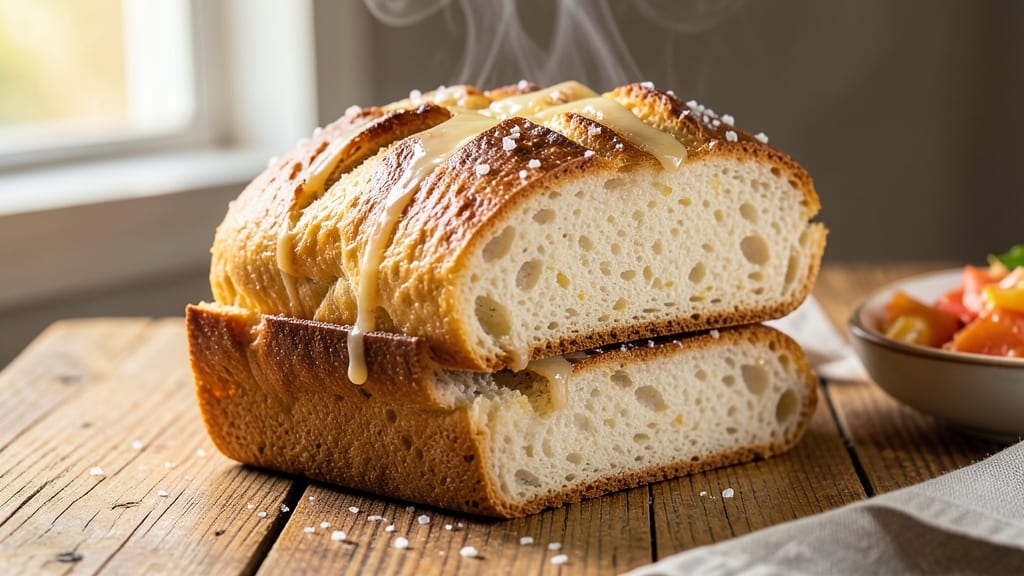
Arrowhead Mills sandwich bread delivers that perfect balance of a crusty exterior and soft, fluffy interior—just like your favorite bakery loaf. This classic recipe captures the artisanal quality that makes Arrowhead Mills bread so beloved, using simple ingredients and a foolproof process.
The secret lies in proper kneading and proofing, which transform basic flour and water into a loaf with that signature texture.
What sets this recipe apart is its attention to detail—from the slow fermentation that develops deep flavor to the steam bath that ensures a crispy crust without drying out the interior.
Whether you're baking for a family meal or need fresh bread for sandwiches, this method guarantees restaurant-quality results every time. The dough is forgiving enough for beginners but refined enough to impress seasoned bakers.
By the time your loaf emerges from the oven, you’ll have a golden-brown crust with a tender crumb that’s ideal for slicing. The aroma alone will make your kitchen feel like a bakery, and the taste—slightly sweet with a hint of nuttiness—is unmatched by store-bought versions.
This is the kind of bread that turns ordinary meals into something special.
Perfect for toast, sandwiches, or serving alongside soups, this recipe scales easily to feed a crowd. The process is straightforward, but the results are anything but basic. Let’s get started on baking bread that tastes like it came from a small-town bakery.
Ingredients for arrowhead mills sandwich bread
Arrowhead Mills flour plus these pantry staples—nothing fancy, just good stuff—creates bakery-style bread.
| Ingredient | Amount | Notes |
|---|---|---|
| Arrowhead Mills Bread Flour 🌾 | 5 cups | High-protein for structure |
| Instant Yeast 🍞 | 0.03 oz | Or 2 1/4 tsp active dry yeast |
| Granulated Sugar 🍚 | ¼ cup | Enhances crust browning |
| Salt 🧂 | 2 tsp | Diamond Crystal preferred |
| Unsalted Butter 🧈 | ½ cup | Cold, cubed for flavor |
| Whole Milk 🥛 | 1 cup | Warmed to 110°F |
| Large Eggs 🥚 | 1 whole | Room temperature |
| Water 💧 | 1 ½ cups | Room temperature |
| Cornmeal 🌽 | ½ cup | For dusting baking sheet |
| Ice Cubes ❄️ | 1 cup | For dough chilling |
The Arrowhead Mills bread flour is non-negotiable here—its high protein content (12.7%) gives that signature sandwich bread texture. King Arthur or Bob's Red Mill work in a pinch, but Arrowhead's exact protein level is what delivers that tender crumb. For yeast, grab the instant variety—it dissolves directly into liquids, cutting down on prep time. The butter? Use full-fat, unsalted—none of that low-fat nonsense. I always buy European-style butter (like Plugrá or Kerrygold) if I'm feeling fancy, but regular unsalted works perfectly fine. The milk needs to be warm (110°F)—just microwave it for 30 seconds, then check with your finger. Too hot and you'll kill the yeast.
No instant yeast? Active dry yeast works too—just dissolve it in warm water first with a pinch of sugar. Out of whole milk? 2% or even almond milk works, though the crust won't be quite as golden. For the sugar, brown sugar adds moisture if you prefer a slightly sweeter loaf. The egg is optional but recommended—it adds richness and helps with the oven spring. No egg? Add 1 tbsp melted butter instead. The cornmeal is key for that crispy bottom crust—don't skip it. And if you're short on ice cubes, freeze a tray of water ahead of time—this is one of those times where prep pays off.
This dough keeps beautifully. Wrap tightly in plastic and refrigerate for up to 3 days—the flavor actually improves with time. For longer storage, freeze the shaped loaf (unbaked) for up to 3 months. Thaw overnight in the fridge, then bake as directed. The baked loaf stays fresh for 5-7 days at room temperature if wrapped in a clean kitchen towel. Slice it thick—this bread is all about that soft, pillowy interior. And trust me, toasting it first makes everything better.
Why You'll Love This Recipe
- No-Knead Magic: Between us, this bread requires zero effort—just mix, let it rise, and bake. That Arrowhead Mills flour does all the heavy lifting, giving you pillowy softness without the elbow grease.
- Buttery Crust Secret: The moment it comes out of the oven, that crispy crust with a tender crumb inside? It’s all thanks to the butter and sugar working together—simple but ridiculously satisfying.
- Picnic Perfect: Toss it in a basket with jam or peanut butter, and suddenly you’ve got a lunch that feels fancy. Honestly, I’ve packed this for work, school lunches, and even potlucks—it’s that universally loved.
- Budget Stretch: A single batch costs pennies but feeds my whole family for days. The yeast and flour make it last, and the leftovers? Toast, croutons, or French toast—no waste, all flavor.
Step-by-step instructions for perfect Arrowhead Mills sandwich bread
This method delivers that classic sandwich bread texture—crisp crust, soft interior, and just the right chew.
Activate the Yeast with Warm Milk and Sugar
In a small bowl, combine the 1 cup warm whole milk (about 110°F) with the 0.25 cup granulated sugar and 0.025 oz instant yeast. Let this sit for 5-10 minutes until it becomes frothy. You'll see tiny bubbles forming on the surface—this confirms your yeast is alive and ready to work.
I always test the milk temperature first with a thermometer. Too hot and you'll kill the yeast; too cold and it won't activate properly. The sugar helps feed the yeast while also contributing to that beautiful golden crust later. If you don't see bubbles after 10 minutes, your yeast might be old—start fresh with a new packet.
Mix the Dough Until Windowpane Test Passes
In the bowl of a stand mixer fitted with the dough hook attachment, combine the 5 cups Arrowhead Mills bread flour, 2 tsp salt, and the yeast-milk mixture. Mix on low speed for 2 minutes until a shaggy dough forms. Add the 1 whole large egg and 1.5 cups water, then increase speed to medium and knead for 5-7 minutes.
You'll know it's ready when the dough forms a smooth, elastic ball that passes the windowpane test: stretch a small piece between your fingers—if it's thin enough to see light through without tearing, you're good. The high-protein Arrowhead Mills flour gives this dough excellent structure, so don't over-knead or you'll develop too much gluten and get tough bread.
Incorporate Cold Butter for Flavor and Texture
Cut the 0.5 cup unsalted butter into small cubes and add them to the dough one at a time while kneading on medium speed. The butter should incorporate completely, creating a smooth dough with a slightly shiny appearance. If the dough feels too sticky, add 1 tablespoon more of the Arrowhead Mills bread flour.
Cold butter creates those delicious pockets of flavor in the finished bread. I like to work quickly here—warm dough will melt the butter too fast, resulting in dense bread instead of that perfect sandwich texture. The butter should be fully incorporated but still visible in small flecks throughout the dough.
First Rise with Ice Cubes for Tight Crumb Structure
Lightly grease a large bowl and transfer the dough inside. Cover with a damp towel and let rise in a warm place for 1-2 hours, or until doubled in size. Here's my pro tip: place 1 cup ice cubes in a small bowl on the counter next to your dough. As they melt, they create a humid environment that helps the dough rise evenly without drying out.
Don't skip this step—proper fermentation develops flavor and gives that light, airy texture. The ice cubes also help control the rise rate, preventing the dough from overproofing. You'll know it's ready when you poke the dough gently and it springs back slowly (about half as fast as it would when underproofed).
Shape, Proof, and Bake for Crisp Crust
Punch down the dough and divide it into 4 equal portions. Shape each into a smooth, round loaf about 8 inches in diameter. Place them on a baking sheet dusted with 0.5 cup cornmeal, cover with a towel, and let proof for another 30-45 minutes until puffy.
Preheat your oven to 375°F with a baking stone or inverted baking sheet inside. Brush the loaves with water and bake for 25-30 minutes until they're deep golden brown and sound hollow when tapped on the bottom. The cornmeal dusting gives that classic sandwich bread texture while preventing sticking.
Pro Tips For Making Arrowhead Mills Sandwich Bread
- Use Room-Temp Butter: Arrowhead Mills flour loves butter that’s soft but not melted—press it into the dough with your fingers until it’s just yielding, not greasy. I learned this the hard way when my first batch turned out dense; the butter needed to blend in, not fight with the gluten.
- Measure Yeast Fresh: Instant yeast loses potency fast. Weigh it out (or scoop from the bag) right before mixing—don’t pre-measure. That 7g packet? It’s not 7g after sitting in your pantry for weeks. Trust me, your dough will thank you with a proper rise.
- Skip the Over-Kneading: This flour develops gluten fast, but too much work makes the bread tough. Stop when the dough springs back slowly (not instantly) when poked—about 8–10 minutes by hand. I used to overdo it, and the sandwich loaves turned out chewy instead of tender.
- Proof in a Warm Spot: Your oven’s light-on setting is perfect for proofing—turn it on, crack the door, and let the dough rise there. If your kitchen’s drafty, drape a towel over the bowl to trap heat. Cold dough rises slower, and impatient proofing = flat bread. (Yes, even if you’re impatient like me.)
Dietary considerations for this recipe
Gluten-Free Adaptation
For a gluten-free version, replace the Arrowhead Mills bread flour with a 1:1 gluten-free all-purpose flour blend like King Arthur Measure for Measure or Bob's Red Mill 1-to-1. Add 1 tsp xanthan gum to the dry ingredients to mimic gluten's structure.
The dough will be stickier, so work quickly and use extra flour on your hands. Expect a denser texture—gluten-free bread won’t have the same airy crumb, but it’ll still be delicious. 🌾
Dairy-Free Options
Skip the whole milk and butter for unsweetened almond milk (warmed to 110°F) and vegan butter like Miyoko’s. The crust may be slightly less golden, but the interior stays soft. For extra richness, add 1 tbsp olive oil to the dough.
The egg can stay—it’s not dairy—unless you’re avoiding all animal products, in which case replace it with 1 tbsp ground flaxseed + 3 tbsp water (let sit for 5 minutes to gel).
Low-Sugar Version
Reduce the granulated sugar to 1 tbsp and replace the rest with 1 tbsp honey or maple syrup for moisture. The crust will brown more slowly, so brush the loaves with water mixed with 1 tsp sugar before baking.
For even less sugar, omit it entirely—your bread will still rise, but the crust may lack depth. I’ve done this before, and while it’s subtler, it’s still fantastic for toast or sandwiches.
Allergen-Friendly Swaps
For egg-free bread, replace the egg with 1 tbsp Dijon mustard + 1 tbsp water (the acidity helps with structure). For nut-free, use oat milk instead of almond milk—just ensure it’s certified gluten-free if needed. Always check labels: some oat milks contain hidden gluten.
If avoiding dairy and eggs, the dough will be less cohesive, so add 1 extra tbsp of flour to bind it. The flavor stays true—just a touch more rustic. ✨
Keto-Friendly Hack
This isn’t a true keto recipe, but you can make a low-carb version by swapping 5 cups Arrowhead Mills flour for 3 cups almond flour and 2 cups coconut flour. Add 1 extra egg (total 2 eggs) and ½ cup melted butter to compensate for dryness.
The result? A denser, cake-like loaf that’s perfect for keto sandwiches or toast. Expect a shorter rise time—keto dough proofs faster due to the lack of gluten. 💪
Nutrition facts
Frequently asked questions
Why does Arrowhead Mills bread have such a perfect sandwich texture?
The secret lies in the high-protein Arrowhead Mills flour (12.7% protein) combined with cold butter and proper kneading. The high protein creates a tight crumb structure, while the cold butter adds flavor and prevents a dense interior. The two-stage proofing (with ice cubes for humidity control) ensures even rising without overproofing, giving that signature sandwich bread texture.
Can I make this recipe without a stand mixer?
Use a large bowl and your hands for kneading. Work the dough for 10-12 minutes by hand until it passes the windowpane test. The dough will be more labor-intensive, but you'll still get that perfect texture. Just be patient—proper kneading develops the gluten needed for that soft, pillowy interior.
What's the best way to store freshly baked Arrowhead Mills sandwich bread?
Wrap the cooled loaves tightly in a clean kitchen towel or plastic wrap, then store at room temperature for 5-7 days. For longer storage, freeze the unbaked loaves (shaped but unproofed) for up to 3 months. Thaw overnight in the fridge before proofing and baking. The towel wrapping keeps it soft longer than plastic alone.
Why did my bread turn out dense instead of light and fluffy?
Dense bread usually results from one of three issues: over-kneading (too much gluten development), underproofing (not enough rising time), or using warm butter that melted too quickly. Double-check your yeast activation first—if it didn't bubble properly, your dough won't rise. Also ensure your milk is exactly 110°F and your butter stays cold throughout kneading.
How do I know when the bread is fully baked?
Your bread is done when it reaches an internal temperature of 190°F and has a deep golden-brown color. Tap the bottom—it should sound hollow. For extra assurance, insert a toothpick: it should come out clean with just a few crumbs. The crust should be crisp while the interior remains soft and springy to the touch.