
Side Dishes
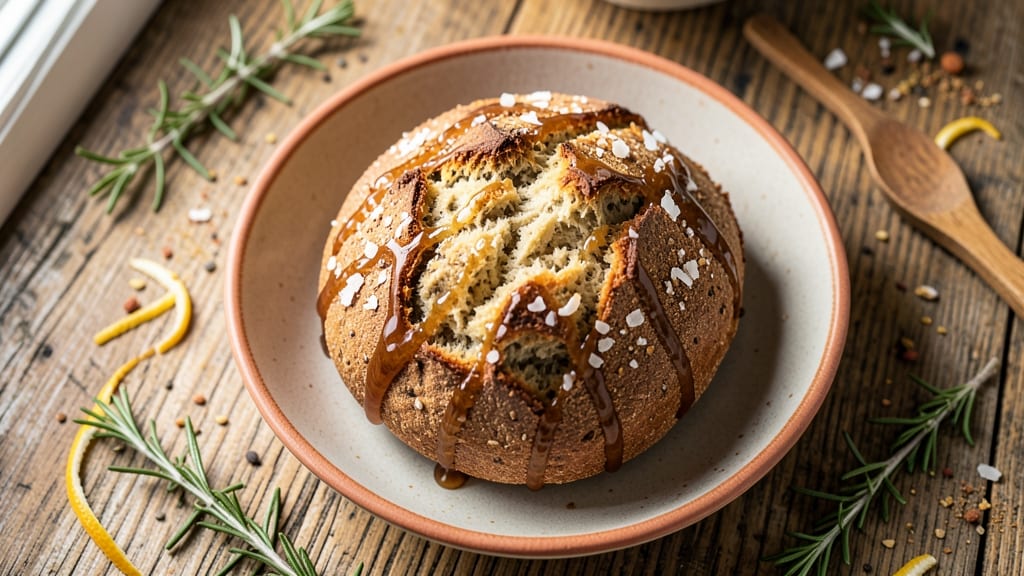
This almond and coconut flour bread recipe delivers a gluten-free, nutty-sweet loaf that rivals traditional bread—without the heaviness or crumbs. The secret lies in balancing almond flour’s richness with coconut flour’s subtle sweetness, creating a tender crumb and golden crust that’s perfect for sandwiches or toast.
I developed this recipe after years of experimenting with gluten-free baking, and it’s finally foolproof.
The foundation is simple: almond flour for structure, coconut flour for moisture absorption, and flaxseed meal as a binder to replace gluten. A touch of honey or maple syrup enhances the natural sweetness, while baking powder ensures a light rise.
Unlike dense gluten-free breads, this loaf stays moist for days when stored properly—no dry, crumbly texture here.
What makes this recipe stand out is its versatility. Use it for breakfast toast, sandwiches, or even as a base for French toast. The nutty flavor pairs beautifully with jam, butter, or avocado, while its sturdy texture holds up to hearty fillings.
With just 10 ingredients and 45 minutes of active time, you’ll have a loaf that’s as satisfying as it is nutritious.
For best results, weigh your flours precisely and don’t skip the resting time—it’s what transforms this into a restaurant-quality gluten-free bread. Let’s bake.
Ingredients for almond and coconut flour bread
Ten ingredients transform into a gluten-free loaf with restaurant-quality texture and nutty sweetness.
| Ingredient | Amount | Notes |
|---|---|---|
| Almond Flour 🌰 | 2 ½ cups | Finely ground, unsweetened |
| Coconut Flour 🥥 | ½ cup | Sifted for even texture |
| Flaxseed Meal 🌾 | ¼ cup | Ground from whole flaxseeds |
| Maple Syrup 🍁 | ¼ cup | Grade B for deeper flavor |
| Coconut Milk 🥛 | ½ cup | Full-fat for richness |
| Water 💧 | ½ cup | Room temperature preferred |
| Baking Powder 🍞 | 1 ½ tsp | Aluminum-free preferred |
| Salt 🧂 | ½ tsp | Fine sea salt |
| Apple Cider Vinegar 🍎 | 1 tbsp | For flaxseed activation |
| Olive Oil 🫒 | ¼ cup | Extra-virgin for flavor |
The almond flour is non-negotiable—Bob’s Red Mill or Anthony’s Goods brands deliver the finest grind for optimal structure. Coconut flour absorbs moisture aggressively, so weigh it precisely—a kitchen scale is essential here. For flaxseed meal, grind whole flaxseeds yourself if possible; pre-ground loses potency faster. The maple syrup should be Grade B for its caramel notes, which elevate the bread’s depth. Coconut milk adds richness, but full-fat is critical—light versions won’t yield the same tender crumb. Store your flours in airtight containers in a cool, dark place to preserve freshness, as rancid flour will compromise the bread’s delicate flavor profile.
No coconut flour? Substitute with an extra 0.25 cup almond flour plus 1 tbsp psyllium husk powder to mimic moisture absorption, though texture may vary slightly. Running short on almond flour? Cashew flour works in a pinch, but expect a denser result. For the flaxseed binder, chia seeds at double the amount function similarly, though flaxseed’s nuttiness remains superior. The apple cider vinegar activates the flaxseed’s binding properties—white vinegar is a direct substitute. If you’re sensitive to coconut flavor, reduce the coconut milk to 0.25 cup and add 0.25 cup unsweetened almond milk instead. Always sift the coconut flour before measuring to prevent clumping, which can lead to uneven baking.
This bread reaches peak freshness 2-3 days after baking, developing deeper flavor as it rests. Wrap tightly in parchment paper and store at room temperature to maintain moisture—no need for refrigeration unless humidity is high. For longer storage, slice the loaf and freeze individual portions on a tray before transferring to a bag; they’ll keep for up to 3 months. To revive, toast slices in a 350°F oven for 5-7 minutes until crisp. The bread’s sturdy texture makes it ideal for toasting or French toast, where it absorbs syrups beautifully without falling apart. Avoid slicing until fully cooled to prevent crumbling.
Why You'll Love This Recipe
- No Mixer Needed: I swear by this—just whisk the flaxseed meal into coconut milk first, then fold in the dry ingredients. No standing over a bowl, no electric mixer, just a few minutes of stirring. Honestly, the almond flour blends smoother than I expected, and the coconut flour soaks up the maple syrup like a dream.
- Taste Like Comfort: That first bite? Warm, slightly sweet from the maple syrup, with a nutty crunch from the almond flour and a tender crumb thanks to the coconut milk. It’s not heavy—just rich enough to feel special, but light enough to eat for breakfast or dessert. (Yes, even on a Tuesday night.)
- Weeknight & Weekend Star: This bread is my go-to for toast, French toast, or even a quick sandwich. The leftovers stay fresh for days, and I’ve used it for everything from brunch to picnic lunches. Between us, it’s the only bread I bake when I’m short on time—or when I just don’t want to deal with yeast.
- Budget-Friendly Staple: Almond and coconut flour might sound fancy, but they stretch further than regular bread. A single batch feeds my family for days, and the flaxseed meal adds protein without breaking the bank. Plus, the maple syrup adds natural sweetness, so I skip the refined sugar entirely. My wallet—and my waistline—thank me.
Step-by-step instructions for almond and coconut flour bread
This gluten-free bread delivers a tender crumb and nutty sweetness without traditional flour.
Activate the Flaxseed Egg Substitute
In a small bowl, whisk together the 0.25 cup Flaxseed Meal and 1 tbsp Apple Cider Vinegar. Let it sit for 5 minutes while you prepare the remaining ingredients. You'll notice it thicken into a gel-like consistency—this is your egg substitute, binding the bread without gluten. The vinegar helps activate the flaxseed's binding properties, ensuring the bread holds together properly.
Real talk: Don't skip the waiting time. Under-activated flaxseed won't bind effectively, leading to a dense or crumbly loaf. If you're short on time, you can microwave the mixture for 30 seconds to speed up the process, but the texture won't be quite as stable.
Combine Wet and Dry Ingredients
In a large mixing bowl, combine the 0.5 cup Coconut Milk, 0.5 cup Water, 0.25 cup Maple Syrup, 0.25 cup Olive Oil, and the activated flaxseed mixture. Whisk until fully incorporated, then add the 2.5 cups Almond Flour, 0.5 cup Coconut Flour, 1.5 tsp Baking Powder, and 0.5 tsp Salt. Mix until just combined—you should still see some dry flour streaks.
Here's the thing—overmixing develops gluten-like proteins in the almond flour, which can make the bread tough. Stop mixing as soon as the ingredients come together. The batter will be thick and slightly sticky, resembling wet sand more than traditional bread dough. If it seems too dry, add 1 tablespoon of water at a time until it reaches a workable consistency.
Prepare the Loaf Pan and Shape the Dough
Preheat your oven to 350°F and lightly grease an 8x4-inch loaf pan with olive oil or line it with parchment paper for easy removal. Transfer the batter to the prepared pan and spread it evenly using a rubber spatula. The batter will be thick, so you'll need to press it firmly into the corners of the pan to ensure even baking.
Don't press too hard—you want to maintain some air pockets for a lighter texture. Tap the pan gently on the counter a few times to help release any large air bubbles. The surface should be smooth and level, with no gaps where the bread might shrink during baking.
Bake Until Golden and Internal Temperature Reaches 200°F
Bake the bread for 45-50 minutes until the top is golden brown and a toothpick inserted into the center comes out clean. The bread is done when it reaches an internal temperature of 200°F—this ensures it's fully cooked without drying out. You'll notice the edges pulling away slightly from the pan, which is normal and indicates proper baking.
If the top browns too quickly, tent the pan with aluminum foil after 20 minutes to prevent over-browning. The bread should have a slightly domed top with a crack running down the center—this is a good sign of proper rise and texture. Let it cool in the pan for 10 minutes before transferring to a wire rack to cool completely.
Rest and Slice for Maximum Freshness
Allow the bread to cool completely before slicing—this prevents it from falling apart. Once cooled, slice it into ½-inch thick pieces using a sharp serrated knife. The bread should have a tender crumb with a slightly crisp exterior. If it feels dry, brush the slices with a little olive oil or maple syrup to restore moisture.
This bread is best enjoyed fresh but can be stored in an airtight container at room temperature for 2-3 days or frozen for up to 3 months. For serving, toast lightly to enhance its nutty flavor and crisp up the texture. The combination of almond and coconut flours creates a unique, slightly sweet profile that pairs beautifully with butter or jam.
Pro Tips For Making Almond And Coconut Flour Bread
- Mix Dough Last Minute: Coconut flour absorbs liquid like a sponge—wait until the very end to combine it with the wet ingredients. Stir in the coconut flour after everything else is mixed, then let it sit for 2 minutes before folding in the flaxseed meal. I used to add it early, and the batter turned into glue.
- Bake at 325°F, Not Hotter: This isn’t your grandma’s wheat bread. Cranking the oven to 350°F will burn the outside before the center sets. Stick to 325°F and bake for 5-7 minutes longer than you think—your bread needs time to firm up without turning to charcoal.
- Don’t Skip the Flaxseed Rest: Mix the flaxseed meal with coconut milk and let it sit for at least 5 minutes before adding it to the batter. That’s when the binding magic happens. I skipped this once, and the bread crumbled like stale crackers.
- Use Cold Coconut Milk: Cold coconut milk blends smoother and creates a lighter texture. Grab it straight from the fridge, pour it in, and let the batter chill for 10 minutes before baking. The difference in crumb is night and day—trust me, I’ve tested it both ways.
Serving suggestions for leftovers
Breakfast Pairings
Start your day with this bread as a base for French toast—dip slices in a mix of 2 eggs, ¼ cup almond milk, and 1 tsp vanilla extract, then pan-fry in butter or coconut oil until golden.
Top with maple syrup and fresh berries for a naturally sweet treat. 🍓
For avocado toast, mash ½ ripe avocado with a pinch of salt and lime juice, then spread on toasted slices. Add a sprinkle of chili flakes or everything bagel seasoning for extra flavor. The bread’s sturdy texture holds up perfectly to creamy toppings.
Lunch and Sandwiches
Use this bread for open-faced sandwiches with hummus, sliced cucumbers, and smoked salmon. The nutty flavor complements the smoky fish beautifully. For a hearty lunch, layer with roasted red peppers, feta cheese, and a drizzle of olive oil.
Make grilled cheese with vegan butter and sharp cheddar or mozzarella, then pan-fry until crispy. The bread’s structure prevents sogginess, even with melted cheese. Add sliced apples or pears for a fruity twist.
Dinner Sides
Serve warm slices alongside soups like butternut squash or tomato basil. The bread’s slight sweetness balances savory broths perfectly. For a Mediterranean touch, pair with olive tapenade or tzatziki sauce.
Use as a dipping bread for olive oil and balsamic vinegar, or serve with whipped goat cheese and sliced figs. The bread’s neutral yet nutty flavor makes it a versatile side for any meal.
Dessert Applications
Drizzle warm slices with melted dark chocolate and sprinkle with sea salt for a quick dessert. The coconut and almond flavors enhance the chocolate’s richness. 🍫
Create bread pudding by cubing the bread, soaking in a custard of 2 eggs, ½ cup coconut milk, and 2 tbsp maple syrup, then baking until set. Top with caramelized bananas for extra decadence.
Nutrition facts
Frequently asked questions
Why does my almond and coconut flour bread turn out dense?
Coconut flour absorbs moisture aggressively—if you skip weighing it precisely or don't add enough liquid, the bread will be dry and dense. Always use a kitchen scale and mix the wet ingredients first. Also, overmixing develops gluten-like proteins in almond flour, making the texture tough. Stop mixing as soon as the batter comes together.
Can I make this bread without coconut flour?
Yes! Replace the 0.5 cup coconut flour with 0.25 cup almond flour plus 1 tbsp psyllium husk powder to mimic moisture absorption. The texture will be slightly different but still tender. For a lighter result, reduce the almond flour by 0.1 cup to balance the extra moisture from psyllium.
How do I store this bread to keep it fresh longer?
Wrap the cooled loaf tightly in parchment paper and store at room temperature in an airtight container. It stays fresh for 2-3 days. For longer storage, slice and freeze portions on a tray before transferring to a bag—this prevents freezer burn. To revive, toast slices at 350°F for 5-7 minutes until crisp.
Is this bread suitable for nut-free diets?
No, this recipe contains almond flour, which is a tree nut. For a nut-free version, substitute with sunflower seed flour or oat flour (certified gluten-free), but texture and flavor will differ. The coconut flour remains safe for nut-free diets, but always check labels for cross-contamination warnings.
Why does my bread crack down the middle?
A crack down the center is actually a good sign! It indicates proper rise and texture. However, if the crack is too deep or the bread collapses, your oven may be too hot. Bake at 350°F and use an oven thermometer to verify accuracy. Also, ensure your baking powder is fresh—old leavening agents won't provide enough lift.