
Side Dishes
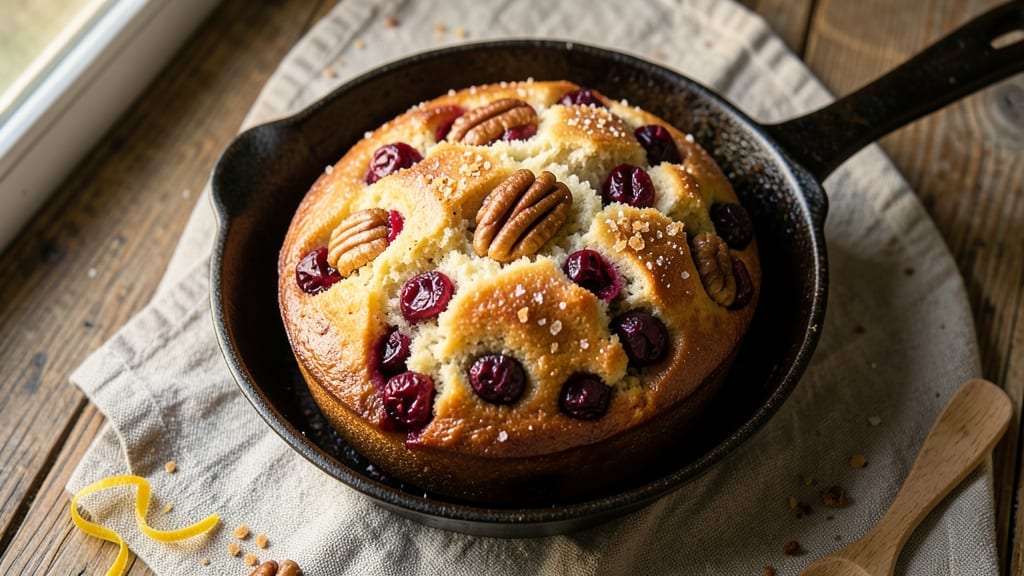
This artisan cranberry walnut bread recipe delivers the perfect balance of sweet-tart swirls and nutty crunch in every slice, transforming your kitchen into a bakery. The secret lies in a rich, slightly tangy dough infused with dried cranberries and toasted walnuts, baked until golden and fragrant.
I developed this recipe after years of perfecting the texture—soft yet sturdy, with a crisp crust that holds up beautifully for days.
The process begins with a simple yeasted dough enriched with butter and brown sugar, creating depth of flavor while keeping the bread tender. Cranberries and walnuts are folded in just before baking, ensuring they stay plump and flavorful.
Baking at 350°F for about 35 minutes yields a loaf with a caramelized crust and a crumb so inviting, it disappears faster than you can slice it.
What sets this artisan bread apart is its versatility—serve it warm with butter, toasted for breakfast, or as a side for holiday meals. The sweet-tart cranberries and crunchy walnuts create a harmonious bite that’s both comforting and sophisticated. Once you try this, store-bought bread will never compare.
For those with dietary needs, a gluten-free adaptation is possible with a 1:1 flour blend, though texture may vary slightly. The key is patience—letting the dough rise properly ensures that perfect balance of sweetness and crunch. Let’s get baking!
Ingredients for artisan cranberry walnut bread
Eight simple ingredients transform into a bakery-worthy loaf with sweet-tart swirls and nutty crunch.
| Ingredient | Amount | Notes |
|---|---|---|
| Active Dry Yeast 🍞 | 2 ¼ tsp | One packet for convenience |
| Granulated Sugar 🍚 | ½ cup | For yeast activation |
| Warm Water 💧 | 1 ¼ cups | 110°F for yeast activation |
| All-Purpose Flour 🌾 | 5 cups | Plus 2 tbsp for shaping |
| Unsalted Butter 🧈 | ½ cup | Cold, cubed for dough |
| Light Brown Sugar 🍚 | ½ cup | Packed for moisture |
| Large Egg 🥚 | 1 whole | Room temperature |
| Salt 🧂 | 1 tsp | Diamond Crystal preferred |
| Dried Cranberries 🍇 | 1 ½ cups | Chopped if large pieces |
| Walnuts 🥜 | 1 ½ cups | Toasted, roughly chopped |
| Milk 🥛 | ¼ cup | Warmed for dough flexibility |
| Cornstarch 🌾 | 1 tbsp | For cranberry texture |
The flour is the foundation—King Arthur or Gold Medal gives the best oven spring. I always grab the organic walnuts from Trader Joe's for that rich, toasted flavor, but store-brand works too. For the cranberries, Ocean Spray's unsweetened dried is my go-to—they stay plump without turning mushy. Toast the walnuts in a dry pan for 5 minutes until fragrant, then chop them while still warm. The butter? Plugrá or Land O'Lakes unsalted melts beautifully for that tender crumb. Pro tip: measure your flour by weight if you can—500g total for perfect texture.
No cornstarch? Arrowroot powder works 1:1, but it's pricier. Short on walnuts? Pecans or hazelnuts add a different but delicious crunch. The dried cranberries can be swapped for raisins or chopped dates, though the tartness changes the flavor profile. For a gluten-free version, Bob's Red Mill 1:1 blend works best—just add an extra 1 tbsp xanthan gum to mimic the chewiness. And if your dough feels too sticky, chill it 20 minutes before shaping. Trust me on that one—it saves headaches later.
This bread freezes beautifully—slice it first, then freeze for perfect toast every time. Wrap tightly in foil, then a plastic bag for up to 3 months. For freshness, store at room temperature in a bread box or paper bag—it stays moist for 3-4 days. I make two loaves every Sunday and freeze one immediately. The crust gets even better the next day once the sugars caramelize. And if you're feeling fancy, brush the loaf with melted butter and sprinkle with coarse sugar right after baking for extra shine.
Why You'll Love This Recipe
- No-Knead Magic: I swear by the slow rise—just mix the yeast, warm water, and a touch of sugar, then let it puff up while you sip coffee. The dough practically does the work for you, and that butter-rich crumb? Worth every five minutes of hands-off time.
- Sweet-Savory Balance: The tart cranberries and toasty walnuts cut through the soft, buttery bread like a perfect hug. Honestly, I’ll take this over store-bought any day—especially when it’s still warm, with that golden crust cracking open at the edges.
- Holiday Hero: Between us, this bread is my Thanksgiving side. It’s hearty enough for sandwiches, elegant enough for a charcuterie board, and—here’s the kicker—it freezes like a dream. Pull a slice straight from the freezer for a quick breakfast or snack.
- Budget-Friendly Staple: Flour, butter, and a handful of dried cranberries? This recipe turns pantry basics into something special without breaking the bank. I make a double batch, toast the extras, and stash them for toast or salads all week. Zero waste, all flavor.
Step-by-step instructions for artisan cranberry walnut bread
Here's how to craft a loaf with perfect swirls and a nutty crunch—no fancy tools needed.
Activate the Yeast and Prepare the Dough Base
In a small bowl, combine the 2.25 tsp active dry yeast with the 0.5 cup granulated sugar and the 1.25 cups warm water (110°F). Let it sit for 5-10 minutes until it becomes frothy and bubbly—this tells you the yeast is alive and ready to work. If it doesn't bubble, your yeast might be dead, and you'll need to start over.
In a large mixing bowl, whisk together the 5 cups all-purpose flour, 1 tsp salt, and the 0.5 cup light brown sugar. Make a well in the center and pour in the yeast mixture along with the 1 whole large egg and 0.25 cup warmed milk. Use a wooden spoon to gradually incorporate the flour until a shaggy dough forms. The dough will be sticky, but that's normal—this is a wet dough that needs time to develop.
Knead and Incorporate the Swirl Ingredients
Turn the dough onto a lightly floured surface and knead for 5-7 minutes until smooth and elastic. You'll know it's ready when it springs back slightly when poked. While kneading, keep adding small amounts of flour if the dough feels too sticky—just enough to keep it workable.
In a separate small bowl, toss the 1.5 cups dried cranberries with the 1 tbsp cornstarch to prevent them from sinking. Add the 1.5 cups toasted, roughly chopped walnuts to the same bowl. Once your dough is ready, gently press it into a rectangle about ½-inch thick on a parchment-lined baking sheet. Spread the cranberry-walnut mixture evenly over the dough, leaving a ½-inch border around the edges.
Shape and Proof the Dough
Using the parchment as a guide, carefully roll the dough into a log starting from the cranberry-walnut side. This ensures the filling stays inside as you shape it. Seal the seam by pinching it gently, then fold the ends toward the center to create a neat loaf shape. Transfer the dough to a greased 9x5-inch loaf pan, seam-side down.
Cover the pan with a damp towel and let the dough proof in a warm place for 1-1.5 hours or until it rises to about 1 inch above the rim of the pan. The dough should feel spongy when pressed lightly with a finger. If your kitchen isn't warm enough, place the pan near a slightly warm oven (with the light on) to help it rise faster.
Bake to Golden Perfection
Preheat your oven to 375°F. Brush the top of the dough with a bit of water or melted unsalted butter to help it brown beautifully. Bake for 45-50 minutes until the bread is deep golden brown and sounds hollow when tapped on the bottom. If the top browns too quickly, tent it loosely with foil after 20 minutes to prevent over-browning.
Remove the bread from the oven and let it cool in the pan for 10 minutes, then transfer it to a wire rack to cool completely. The internal temperature should read 190-200°F when done—use a thermometer for accuracy. Slice when fully cooled for clean cuts and maximum flavor in each bite.
Pro Tips For Making Artisan Cranberry Walnut Bread
- TEST THE YEAST FIRST: I learned this the hard way—skipping the proof test means wasting time and dough if your yeast is dead. Mix 1 teaspoon yeast with ¼ cup warm water and 1 teaspoon sugar, then wait 5–10 minutes for bubbles. If nothing happens, start over with fresh yeast—no excuses.
- MELT THE BUTTER COOL: Cold butter in dough makes mixing easier, but don’t overdo it—soften it just until it’s pliable, not greasy. If it pools in your bowl, your bread will turn out dense. I use the "squeeze test": press a piece between fingers; it should hold shape but still yield slightly.
- FOLD CRANBERRIES GENTLY: Tossing dried cranberries in flour before folding them in prevents sinking and keeps them evenly distributed. Skip the food processor—chopping them just makes the dough tougher. A quick shake in a bowl with 1–2 tablespoons flour does the job without overworking the dough.
- BAKE UNTIL 190°F: That internal temp matters more than color for this bread. A dark crust can hide underbaked centers, and cranberry bread dries out fast. Use an instant-read thermometer—when it hits 190°F, pull it out. If unsure, tap the bottom: it should sound hollow, not muffled.
Make-ahead tips for this dish
Prep Ahead Strategy
This bread is a make-ahead dream—prepare the dough up to 24 hours in advance for better flavor development. After mixing, cover the bowl with plastic wrap and refrigerate overnight.
The cold slow-rise enhances the crust and deepens the cranberry-walnut flavors. Just let it sit at room temperature for 1 hour before shaping and baking the next day. 💫
Freezing Fresh Baked Loaves
Freeze your loaf sliced for perfect toast every time. Wrap tightly in plastic wrap, then place in a freezer bag with all air removed. Label with the date—it stays fresh for up to 3 months.
To serve, toast directly from frozen or thaw at room temperature for 1-2 hours. The crust remains crisp, while the interior stays soft and moist.
Storage for Maximum Freshness
Store at room temperature in a bread box or paper bag (not plastic) to prevent sogginess. The bread stays fresh for 3-4 days this way. For longer storage, slice and freeze individual portions.
I always make two loaves on weekends—one for immediate use and one to freeze for lazy mornings. The flavor actually improves slightly after 24 hours as the sugars caramelize. ❄️
Dough Prep Timeline
Plan your baking schedule with these time-saving tips: Mix the dough in the evening, refrigerate overnight, then bake in the morning. The cold rise creates a denser crumb with better texture.
If you're short on time, use the quick-rise method: proof the dough for 45-60 minutes in a warm oven (with light on) instead of overnight. Just monitor closely—it rises faster!
Cranberry-Walnut Prep Shortcut
Save time by prepping the cranberry-walnut mixture the night before. Toss the dried cranberries with cornstarch and toast the walnuts, then store in an airtight container in the fridge.
When ready to bake, simply spread the mixture over the shaped dough. This 5-minute prep keeps your morning baking stress-free while ensuring even distribution of flavors. 🥜
Nutrition facts
Frequently asked questions
Can I substitute raisins for the dried cranberries?
You can, but the flavor will be sweeter and less tart. For a closer match, mix 1 cup raisins with ½ cup chopped dried apricots to balance the sweetness. The cranberries' tartness is key to this bread's signature flavor—if you love sweet breads, go for it, but traditionalists may notice the difference.
Why does my dough feel too sticky?
This artisan dough is intentionally wet for maximum tenderness, but if it's overly sticky, you're likely overworking it. Add just 1 tbsp flour at a time while kneading—never more than needed. For extra help, chill the dough for 20 minutes before shaping, which firms it up beautifully.
How do I know when the bread is fully baked?
Look for three signs: deep golden brown crust, a hollow sound when tapped on the bottom, and an internal temperature of 190-200°F. If the top browns too fast, tent with foil after 20 minutes. Overbaking dries out the crumb, so pull it out when it's just slightly underdone—it'll finish cooking while cooling.
Can I make this gluten-free?
Yes, but texture may differ slightly. Use a 1:1 gluten-free flour blend (like Bob's Red Mill) plus 1 tbsp xanthan gum to mimic the chewiness. The bread will still be delicious but may be denser. For best results, let the dough rise 10-15 minutes longer than regular dough to compensate for the lack of gluten structure.
What's the best way to reheat slices?
For crispy toast, pop slices directly into a 375°F oven for 5-7 minutes until golden. For softer bread, warm in a 200°F oven for 10 minutes—this keeps the interior moist. Microwaving works in a pinch but can make the crust rubbery. Pro tip: Brush warm slices with melted butter for extra richness.